

Overview
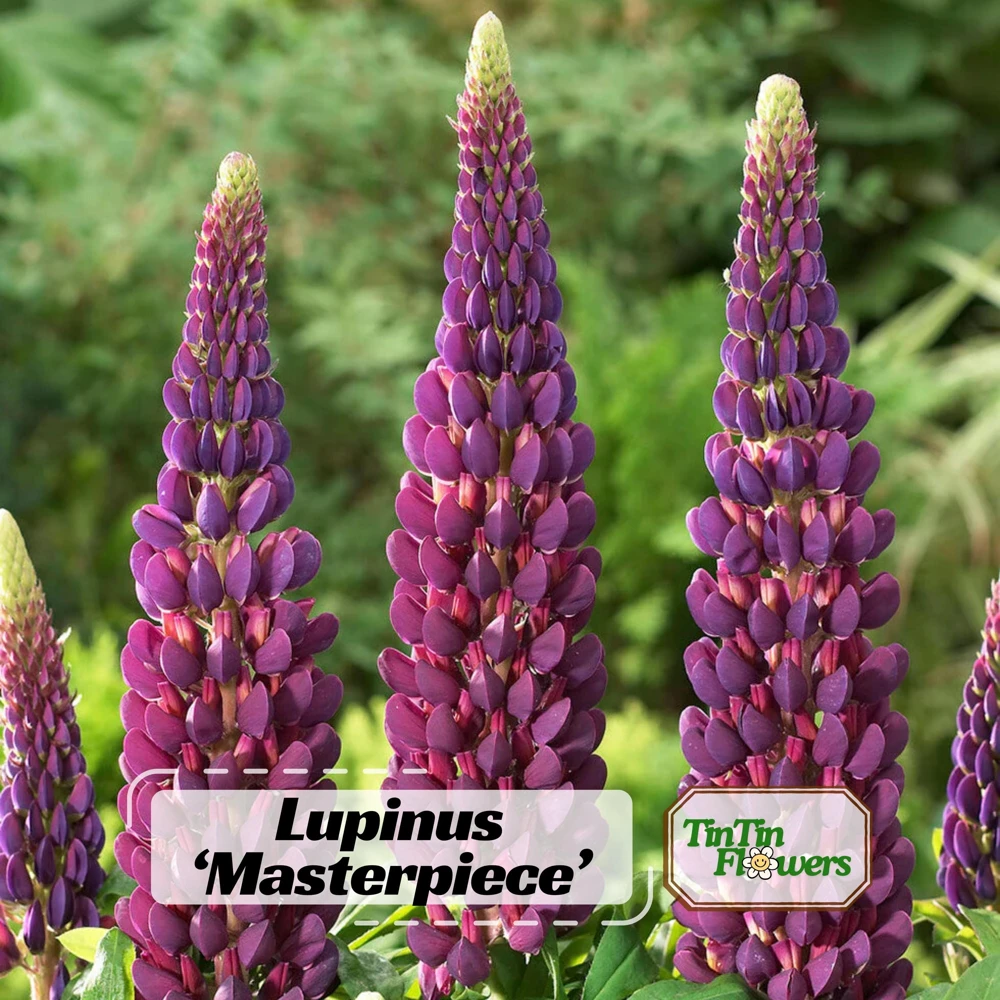
Embark on a rewarding gardening journey with our premium lupine seeds. This carefully curated mix provides 30 high-quality, open-pollinated, and heirloom lupinus seeds, perfect for cultivating a breathtaking display of tall, colorful flower spikes in your garden. Known for their majestic presence and vibrant hues, lupines (Lupinus spp.) are a favorite among gardeners seeking to add dramatic vertical interest and a touch of wild beauty to their landscapes. These seeds are sourced to ensure authenticity and robust growth, allowing you to enjoy the full splendor of these magnificent blooms. Whether you’re aiming to create a cottage garden, a pollinator-friendly space, or simply enhance your flower beds, our lupine seeds offer an excellent starting point for a thriving, beautiful garden.
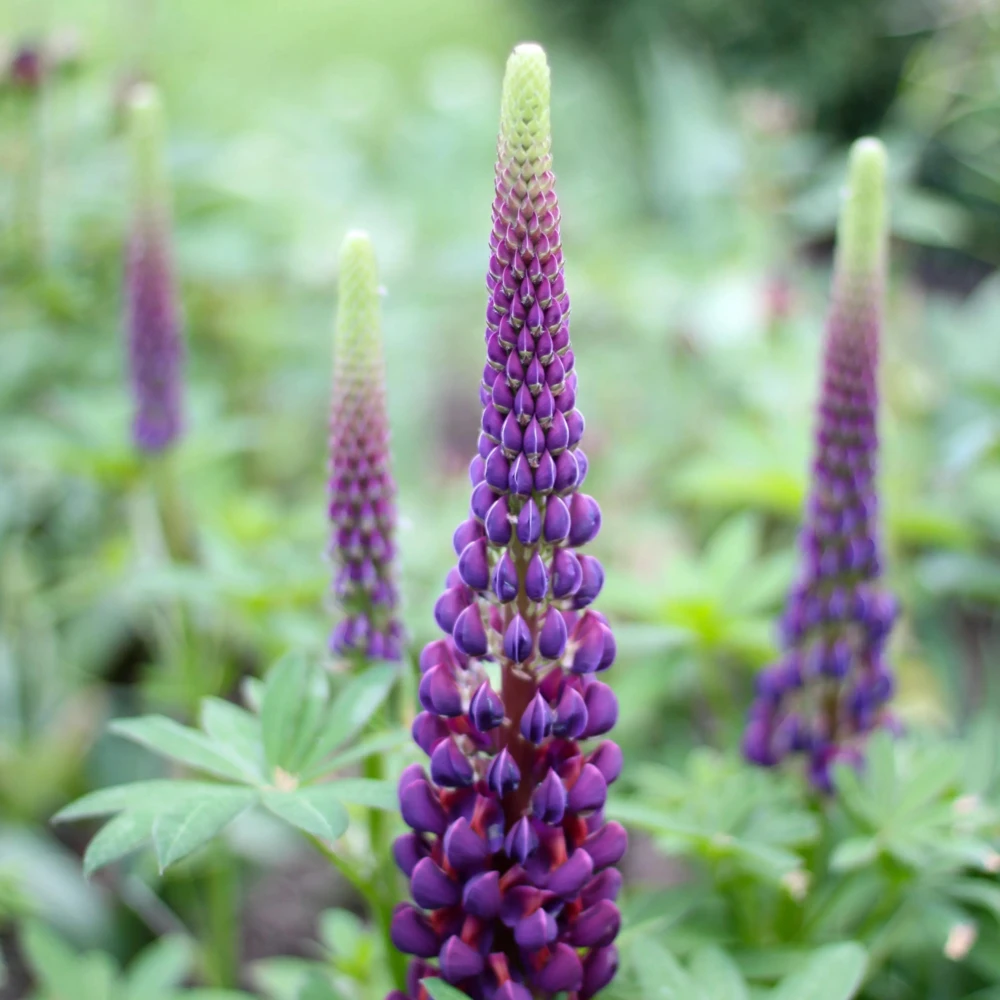
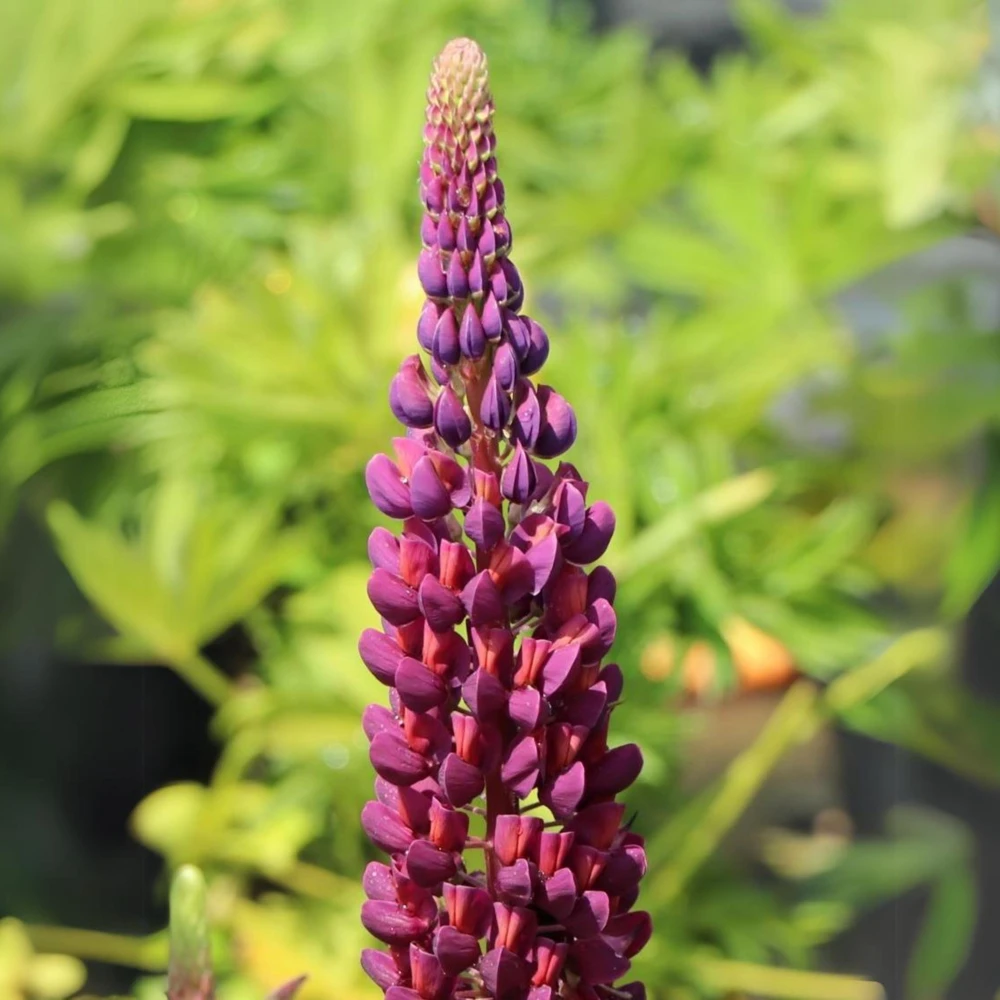
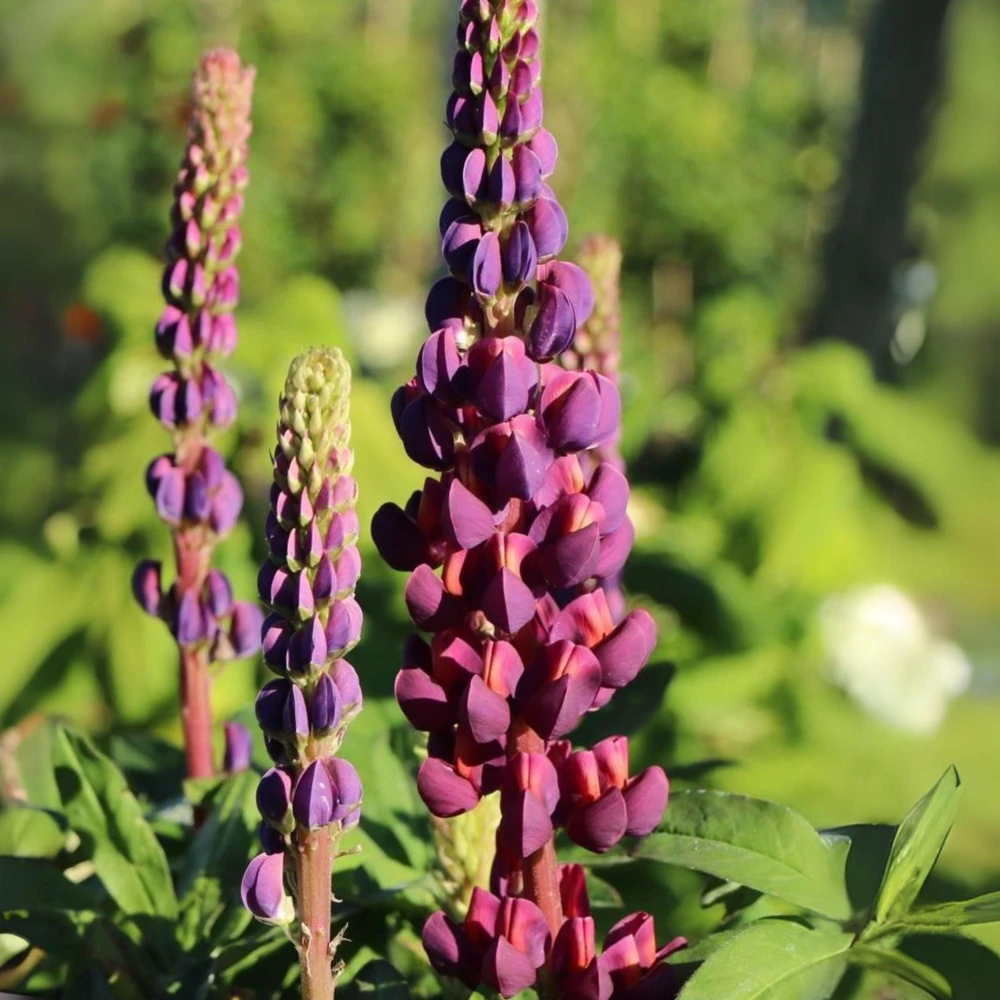
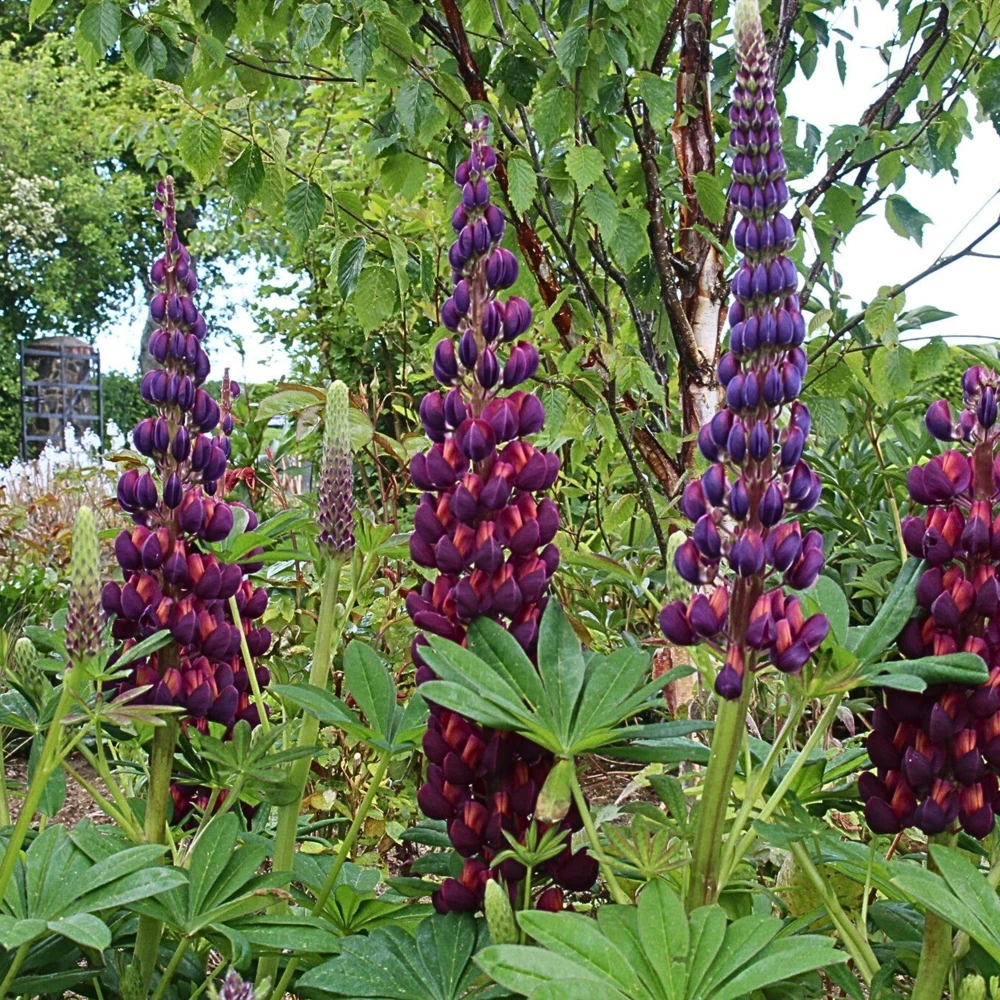
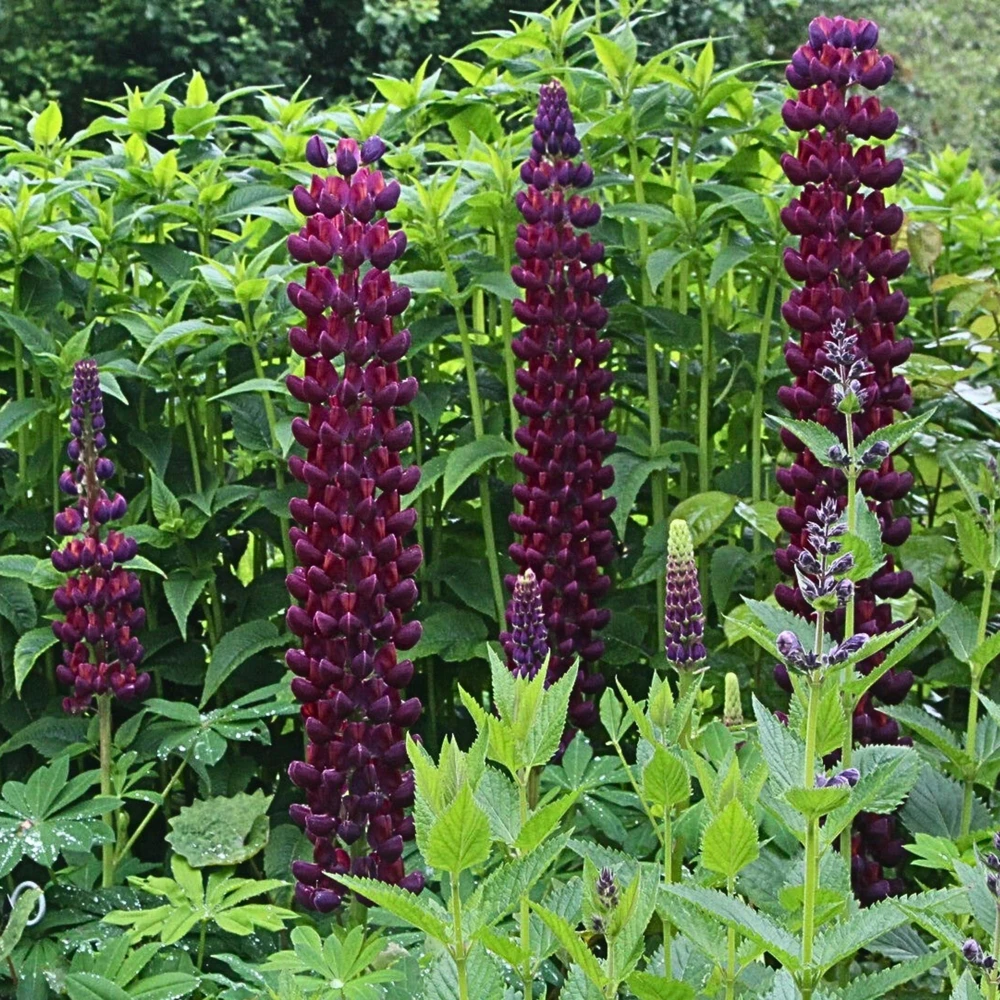
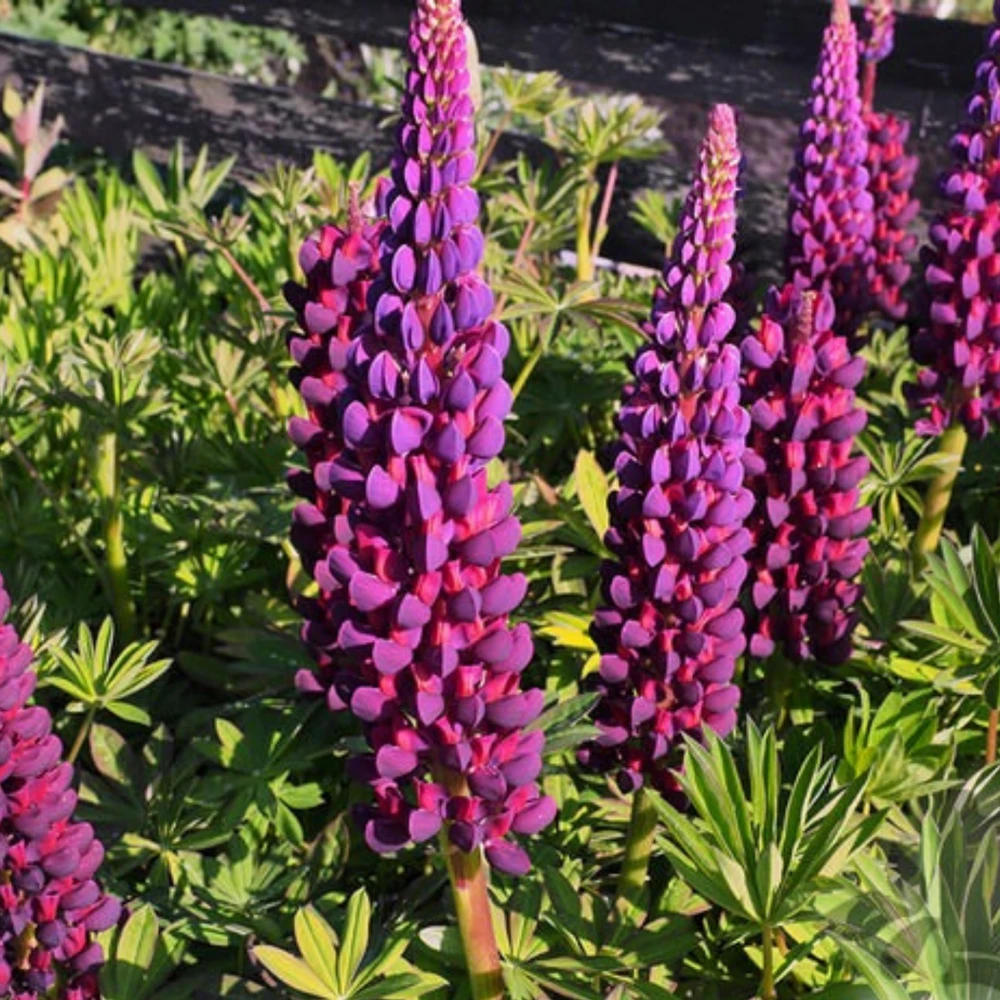
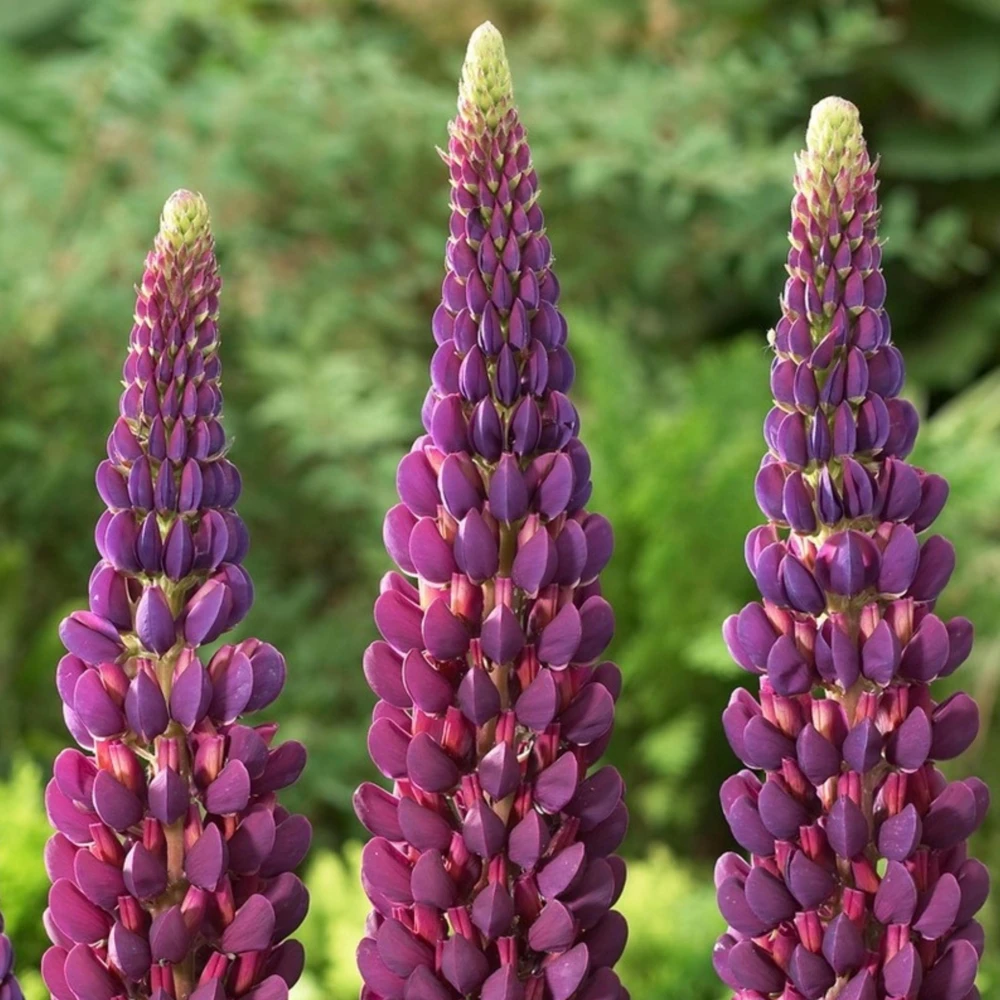
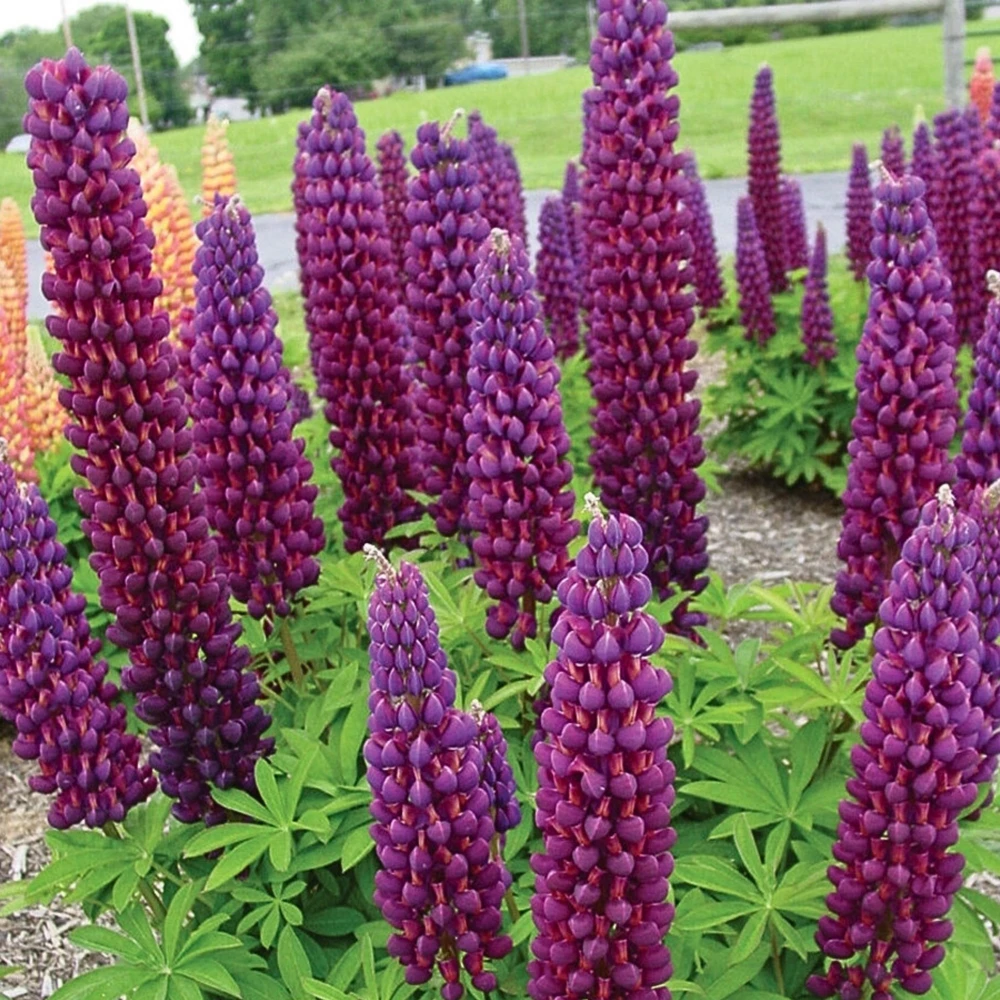
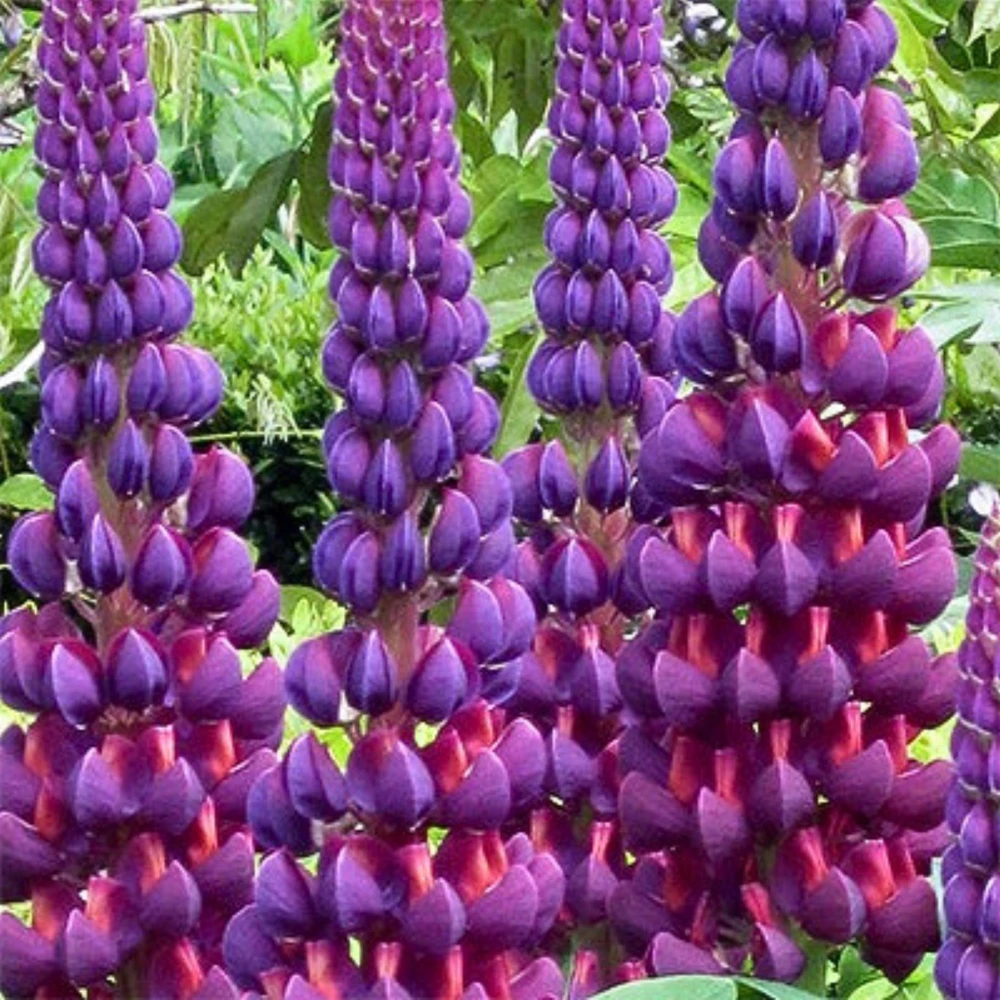
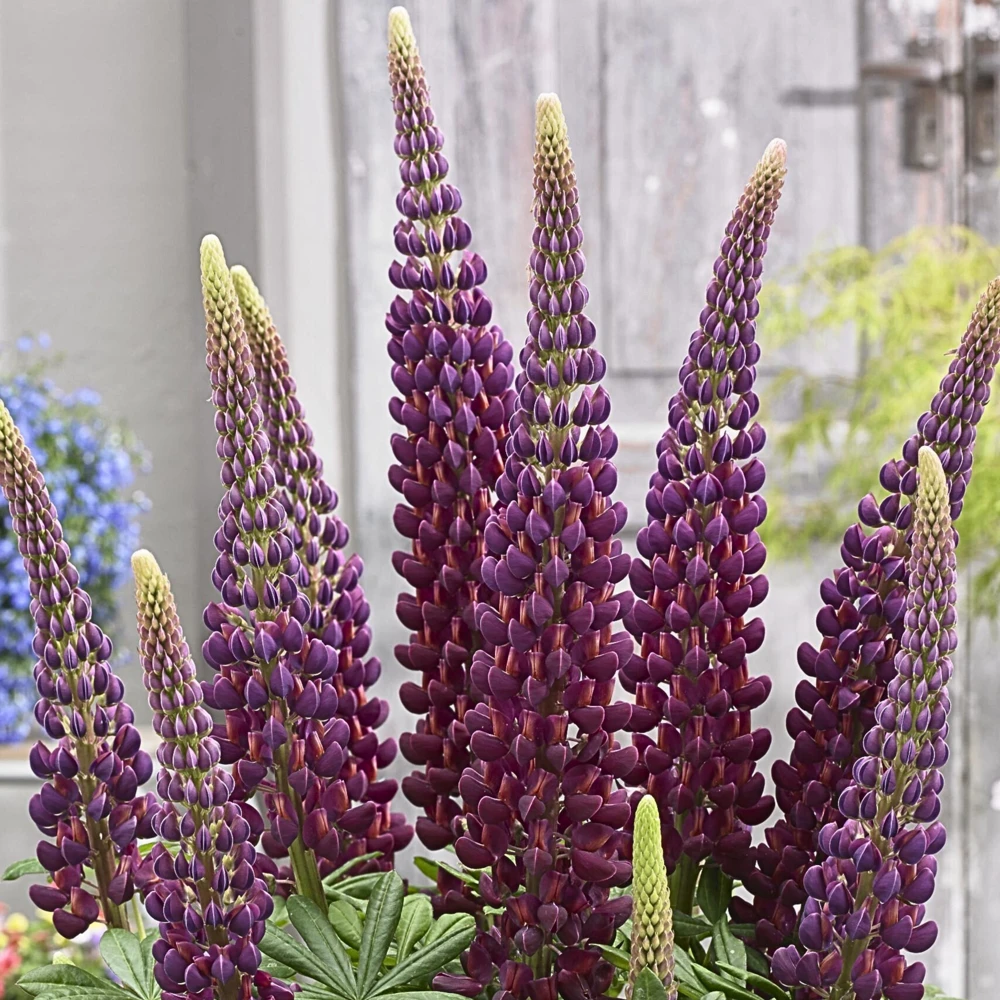
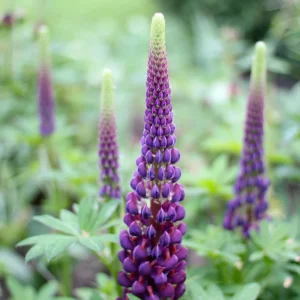
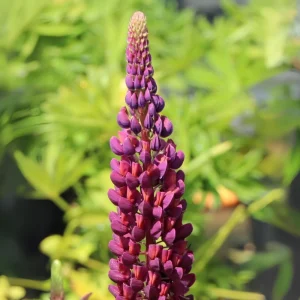
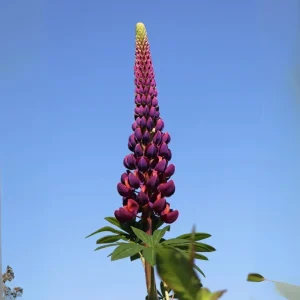
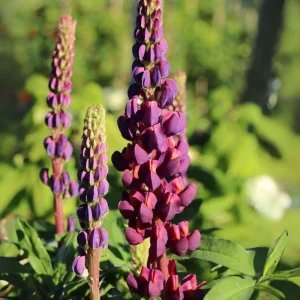
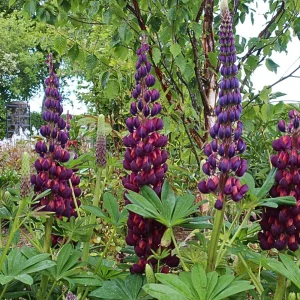
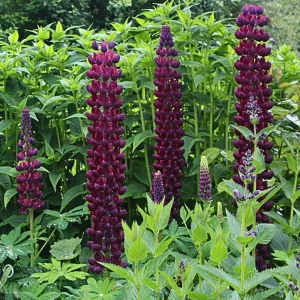
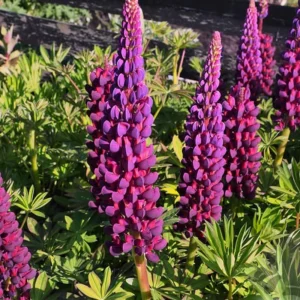
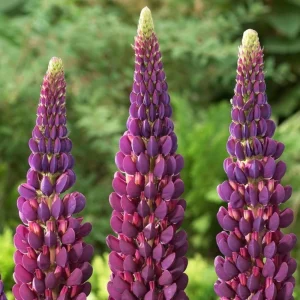
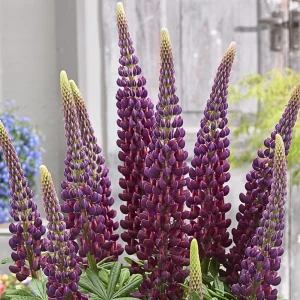
Lupines are cherished for their distinctive pea-like flowers arranged in dense, towering spires, which can range in color from blues and purples to pinks, yellows, and whites. Often associated with the iconic bluebonnets of Texas, these versatile plants can be grown as perennials in many climates, returning year after year to delight with their spectacular blooms. Our mix provides a wonderful opportunity to experience the diversity and charm of these beloved flowers, bringing a natural elegance and a burst of color to your outdoor space.
Key Benefits
Growing lupines from seed offers numerous advantages, transforming your garden into a vibrant sanctuary. Our lupine seeds are selected for their quality and potential to produce robust, beautiful plants.
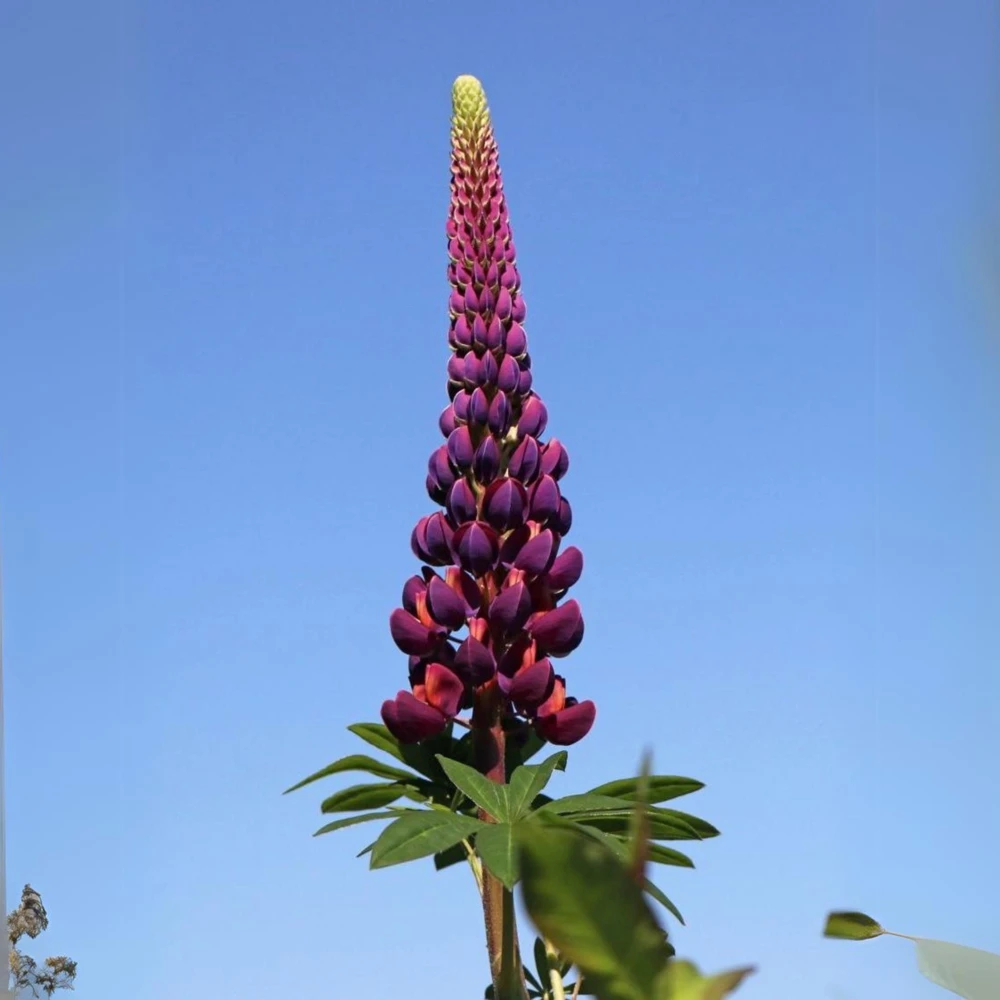
- Stunning Visual Impact: Lupines produce tall, striking flower spikes that create an impressive vertical element in any garden design. Their diverse color palette ensures a captivating display, drawing the eye and adding depth to your landscape.
- Attracts Pollinators: The nectar-rich flowers of lupines are a magnet for beneficial pollinators like bees, butterflies, and hummingbirds, contributing to a healthier garden ecosystem and supporting local wildlife.
- Heirloom & Open-Pollinated: Our heirloom flower seeds ensure genetic diversity and allow you to save seeds from your own plants for future generations, preserving unique varieties and promoting sustainable gardening practices.
- Nitrogen Fixers: As members of the legume family, lupines have the unique ability to fix nitrogen in the soil, naturally enriching it and benefiting neighboring plants without the need for excessive chemical fertilizers.
- Versatile Garden Use: Ideal for borders, cottage gardens, naturalized areas, or as cut flowers, lupines are incredibly versatile. They thrive in various settings, providing beauty and structure wherever they are planted.
- Easy to Grow from Seed: With proper preparation, these lupinus seeds are straightforward to germinate and grow, making them suitable for gardeners of all experience levels looking to expand their floral repertoire.
- Drought Tolerant Once Established: While they appreciate consistent moisture during establishment, mature lupine plants are relatively drought-tolerant, making them a resilient choice for many garden environments.
Plant Care & Growing Tips
Successfully growing lupines from seed requires a few key steps, but the effort is well worth the spectacular blooms. To begin, lupine seeds have a hard outer coating that benefits from scarification and soaking. Gently nick the seed coat with a nail file or sandpaper, or soak the seeds in warm water for 12-24 hours before planting. This helps to break dormancy and encourages quicker germination. Plant your prepared seeds about 1/4 inch deep in a well-draining seed-starting mix, either in small pots indoors or directly outdoors after the last frost.
Lupines thrive in full sun to partial shade, ideally receiving at least 6 hours of direct sunlight per day. They prefer well-draining, moderately fertile soil with a slightly acidic to neutral pH. Avoid heavy, waterlogged soils, as this can lead to root rot. Keep the soil consistently moist but not soggy during germination and while seedlings are establishing. Once mature, water when the top inch or two of soil feels dry. Lupines develop a long taproot, which makes them somewhat drought-tolerant once established but also sensitive to transplanting. If starting indoors, use deep pots and transplant carefully to avoid disturbing the roots.
Germination typically occurs within 10-30 days at temperatures between 60-70°F (16-21°C). Provide bright light once seedlings emerge. For outdoor growing, space plants about 12-24 inches apart, depending on the variety. Fertilize sparingly, as lupines are nitrogen fixers and too much nitrogen can promote foliage growth at the expense of flowers. Deadheading spent flower spikes can encourage additional blooms and maintain a tidy appearance. In colder climates, perennial varieties benefit from a light layer of mulch around the base after the ground freezes for winter protection. Understanding how to grow lupine from seed ensures a rewarding experience and a garden full of vibrant color.
Size & Details
This offering includes one pack containing 30 high-quality lupine seeds. These are heirloom, open-pollinated seeds, ensuring genetic purity and the ability to save seeds for future plantings. Lupine plants typically grow to a height of 2 to 4 feet, with some varieties reaching up to 5 feet, and spread about 1 to 2 feet wide, forming impressive clumps. The flower spikes themselves can be 1 to 2 feet long, creating a dramatic vertical accent in the garden. These seeds are shipped in a protective packet to ensure their viability upon arrival.
From planting to flowering, lupines generally take one growing season to establish and bloom, with most varieties flowering in late spring to early summer. As perennials in suitable zones, they will return each year, growing larger and more prolific over time. The long taproot system means they establish well in garden beds and are relatively low-maintenance once mature. This pack provides enough lupinus seeds to start a beautiful patch or integrate them throughout your landscape.
Frequently Asked Questions
- Q: How big do lupine plants get? A: Lupine plants typically grow between 2 to 4 feet tall, with some varieties reaching up to 5 feet. They generally spread about 1 to 2 feet wide, forming attractive clumps of foliage and flowers.
- Q: Is this an indoor or outdoor plant? A: Lupines are primarily outdoor plants, thriving in garden beds, borders, and naturalized areas. While they can be started indoors, they are not typically grown as houseplants.
- Q: How much sunlight do lupine seeds need to grow? A: Lupines prefer full sun to partial shade, meaning they need at least 6 hours of direct sunlight per day for optimal growth and flowering.
- Q: Are these heirloom flower seeds? A: Yes, these are heirloom and open-pollinated lupine seeds, meaning they will grow true to type and you can save seeds from your plants for future seasons.
- Q: Is this plant easy to care for? A: Lupines are moderately easy to care for. They require proper seed preparation for germination and well-draining soil, but once established, they are relatively low-maintenance and drought-tolerant.
- Q: When is the best time to plant lupine seeds? A: The best time to plant lupine seeds directly outdoors is in early spring after the last frost, or in late fall for germination the following spring. For indoor starting, begin 6-8 weeks before the last frost date.
- Q: What condition will the seeds arrive in? A: Your lupinus seeds will arrive in a protective seed packet, carefully packaged to ensure their viability and quality for successful germination.
- Q: What kind of soil do lupines prefer? A: Lupines prefer well-draining, moderately fertile soil with a slightly acidic to neutral pH. They do not tolerate heavy, waterlogged clay soils.
- Q: How long until lupines bloom from seed? A: Lupines typically bloom in their first growing season when started from seed, usually in late spring to early summer, depending on planting time and climate.
- Q: Will lupines survive winter in my zone? A: Many perennial lupine varieties are hardy in USDA Zones 4-8. In colder zones, applying a layer of mulch can help protect them over winter.


Reviews
There are no reviews yet.