Overview
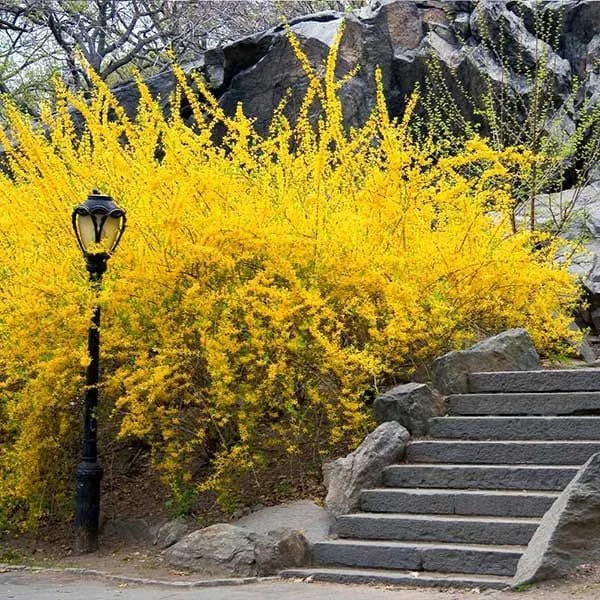
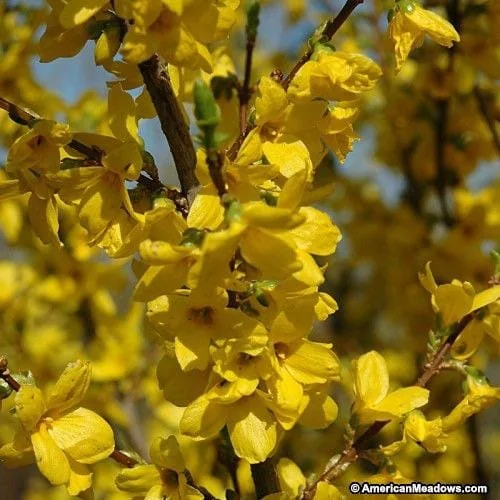
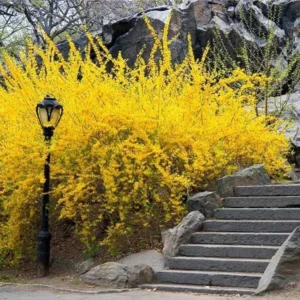
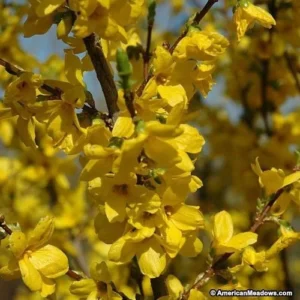
Introduce a burst of sunshine to your garden with the stunning Lynwood Gold Forsythia live plant. This popular deciduous shrub, scientifically known as Forsythia intermedia ‘Lynwood Gold’, is celebrated for its spectacular display of bright yellow, bell-shaped flowers that appear in early spring, often before its leaves emerge. It’s an iconic sign of spring, transforming dormant landscapes into vibrant showcases of color. The Lynwood Gold Forsythia live plant is a vigorous grower, offering a dense, upright habit that provides excellent seasonal interest. Perfect for gardeners seeking a low-maintenance yet high-impact plant, this forsythia variety is a true garden classic, reliable and beautiful year after year. Its cheerful blooms are a welcome sight after the long winter months, making it a standout addition to any outdoor space. This hardy deciduous shrub is an excellent choice for adding reliable color and structure to your landscape with minimal effort.
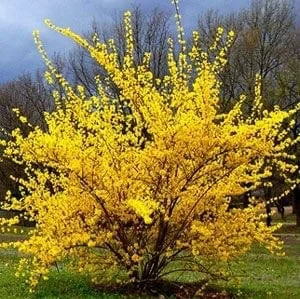
The ‘Lynwood Gold’ cultivar is particularly noted for its profuse flowering and robust growth, making it a favorite among landscapers and home gardeners alike. Its upright-spreading form makes it suitable for various garden applications, from hedges to specimen plantings. As an early spring blooming plant, it provides a crucial splash of color when most other plants are still dormant, truly announcing the arrival of warmer weather and new growth.
Key Benefits
The Lynwood Gold Forsythia live plant offers numerous advantages for both seasoned gardeners and beginners, making it a highly desirable addition to diverse landscapes:
- Early Spring Bloom: Provides one of the earliest and most vibrant floral displays of the season, with brilliant yellow flowers appearing before foliage, heralding the arrival of spring. This makes the Lynwood Gold Forsythia live plant a focal point when most other plants are still dormant, offering unparalleled early season visual impact.
- Hardy and Adaptable: Extremely resilient and easy to grow, thriving across a wide range of conditions in USDA Zones 5-9. It tolerates various soil types and is generally pest and disease resistant, ensuring long-term success in your garden. This hardy deciduous shrub is built to withstand varied climates.
- Versatile Landscaping Use: Ideal for creating stunning hedges, privacy screens, mass plantings, or as a striking specimen plant. Its vigorous growth habit allows for flexible use in garden design, fitting into many landscape styles.
- Low Maintenance: Once established, this forsythia requires minimal care, making it perfect for busy gardeners. It’s known for its ability to bounce back from pruning and maintain its vigor, reducing the time commitment for upkeep.
- Attracts Pollinators: While primarily wind-pollinated, its early blooms can provide an early food source for emerging pollinators, contributing to garden biodiversity and supporting local ecosystems.
- Erosion Control: The extensive root system of the forsythia bush can help stabilize soil on slopes and prevent erosion, adding a practical benefit to its ornamental appeal.
- Winter Interest (Bark): Even after the vibrant blooms fade and leaves drop, the rough grey-brown bark provides some textural interest in the winter landscape, offering year-round appeal.
Plant Care & Growing Tips
Caring for your Lynwood Gold Forsythia live plant is straightforward, ensuring a spectacular display each spring. This hardy shrub thrives in a location that receives full sun to partial shade. For the most abundant flowering, aim for at least 6 hours of direct sunlight per day. While it tolerates a range of soil types, well-draining soil is crucial to prevent root rot. Amend heavy clay soils with organic matter to improve drainage. Once established, forsythias are fairly drought-tolerant, but regular watering is important during dry spells, especially in their first year of growth to help establish a strong root system. Understanding forsythia bush care will ensure a thriving plant.
The Lynwood Gold Forsythia care routine includes proper pruning. The best time to prune is immediately after flowering in spring. This allows the plant to set buds for the following year on old wood. Remove any dead, damaged, or crossing branches, and thin out about one-third of the oldest stems from the base to encourage new growth and maintain a desirable shape. Fertilize in early spring with a balanced slow-release fertilizer if your soil is poor, but generally, forsythias are not heavy feeders. This early spring blooming plant is quite robust, making it an excellent choice for gardeners looking for reliable performance.
Protect your forsythia from extreme winter winds in colder zones, though it is generally very cold hardy. Monitor for common pests like aphids or spider mites, though serious infestations are rare. Disease issues are also uncommon when proper cultural practices are followed. With minimal effort, your yellow flowering shrub will provide years of brilliant color and beauty to your garden. Proper forsythia bush care will ensure its longevity and spectacular blooms.
Size & Details
This offering includes one Lynwood Gold Forsythia live plant, shipped in a 2.5-inch nursery pot. At the time of shipment, the plant will be well-rooted and ready for transplanting into your garden or a larger container. Lynwood Gold Forsythia is a vigorous, upright-spreading deciduous shrub that typically grows to a height of 8 to 10 feet with a similar spread when mature. Its growth rate is considered medium to fast, quickly establishing itself in the landscape and providing a substantial presence.
The leaves are simple, opposite, and green throughout the growing season, turning a yellowish-green in the fall. The characteristic bright yellow flowers emerge in early spring, before the foliage, on branches from the previous year’s growth. This particular variety is known for its abundant and vibrant blooms, making it a highly desirable yellow flowering shrub. It is a long-lived shrub, providing many years of enjoyment. Expect this early spring blooming plant to begin showcasing its characteristic flowers within its first few growing seasons after planting, adding immediate impact to your garden.
Frequently Asked Questions
- Q: How big does this Lynwood Gold Forsythia live plant get? A: A mature Lynwood Gold Forsythia live plant typically reaches a height and spread of 8 to 10 feet. Its size can be managed with proper pruning after flowering, allowing you to control its shape and density.
- Q: What size pot does it come in? A: Each Lynwood Gold Forsythia live plant is shipped in a 2.5-inch nursery pot, providing a healthy root system ready for planting directly into your garden or a larger container.
- Q: Is this an indoor or outdoor plant? A: The Lynwood Gold Forsythia live plant is an outdoor deciduous shrub, best suited for garden beds, hedges, or as a specimen plant in USDA Zones 5-9. It is not intended for indoor cultivation.
- Q: How much sunlight does it need? A: For optimal flowering, this yellow flowering shrub requires full sun exposure, meaning at least 6 hours of direct sunlight per day. It can tolerate partial shade, but flowering may be less prolific.
- Q: Is this plant easy to care for? A: Yes, the Lynwood Gold Forsythia care is considered low maintenance. It’s a very hardy and adaptable shrub, making it a great choice for both novice and experienced gardeners looking for reliable performance.
- Q: What condition will it arrive in? A: Your forsythia bush will arrive as a healthy, well-rooted live plant in its nursery pot, carefully packaged to ensure safe transport and a smooth transition to your garden.
- Q: How long until it blooms? A: You can expect your early spring blooming plant to start producing its characteristic yellow flowers in early spring, often in its first or second year after planting, depending on planting time and growing conditions.
- Q: Will it survive winter in my zone? A: Yes, the hardy deciduous shrub is highly cold-hardy and thrives in USDA Zones 5-9, making it suitable for many regions across the United States. It is known for its winter resilience.
- Q: What’s the best time to prune this forsythia? A: The best time for forsythia bush care regarding pruning is immediately after the plant has finished flowering in spring. This ensures you don’t remove the flower buds for the following year’s display.
- Q: What soil type does it prefer? A: This yellow flowering shrub is adaptable but prefers well-draining soil. It can tolerate various soil conditions, but avoid constantly soggy or waterlogged areas to prevent root issues.


Reviews
There are no reviews yet.