Overview
Embark on a rewarding gardening journey with the magnolia fig starter plug. This remarkable plant, botanically known as Ficus carica ‘Magnolia’, is a highly sought-after fig cultivar renowned for its vigorous growth and bountiful harvests. It’s also commonly recognized by its synonyms, ‘Brunswick’ and ‘Madonna’, names that speak to its rich history and widespread appeal. As a self-pollinating variety, this edible fig plant simplifies the growing process, making it an excellent choice for gardeners of all experience levels. Originating from the southeastern United States, it has adapted well to various climates, promising delicious, large fruits that are ideal for fresh consumption, canning, and creating exquisite preserves. This live starter plug provides a healthy foundation for establishing a thriving fig tree in your garden or a large container.
The magnolia fig starter plug offers a unique opportunity to grow a piece of horticultural heritage. Its robust nature ensures a strong start, allowing you to quickly enjoy the benefits of fresh, homegrown figs. Whether you’re an avid gardener or just beginning, this starter plug is designed to provide a hassle-free and successful growing experience, leading to years of delightful fruit production from your very own ficus carica magnolia.
Key Benefits
Growing a magnolia fig starter plug in your garden or patio offers numerous advantages, from its ease of care to the delightful harvest it provides. This versatile plant brings both aesthetic appeal and culinary rewards.
- Abundant Edible Fruits: The primary benefit of the magnolia fig starter plug is its production of large, sweet, and succulent figs. These fruits are perfect for eating fresh off the tree, adding to salads, or incorporating into various culinary dishes.
- Excellent for Preserves and Canning: The fruits of the ficus carica magnolia are particularly prized for their suitability in making jams, jellies, and preserves. Their firm texture and rich flavor hold up well during the canning process, making them a favorite among home preservers.
- Self-Pollinating Variety: This fig cultivar is self-fertile, meaning you only need one plant to produce fruit. This simplifies the growing process and ensures a consistent harvest without the need for multiple trees or specific pollinators. It’s an ideal edible fig plant for smaller spaces.
- Vigorous and Adaptable Growth: Known for its robust nature, the brunswick fig tree establishes quickly and grows heartily in suitable conditions. It adapts well to various soil types and climates, making it a resilient addition to many gardens.
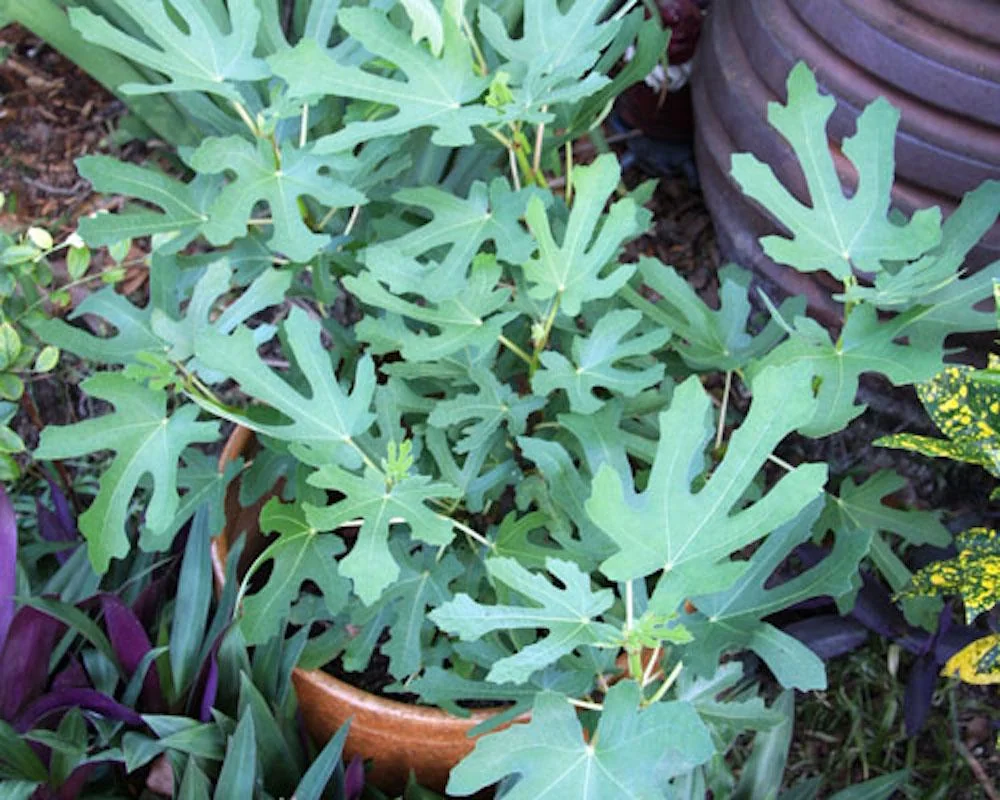
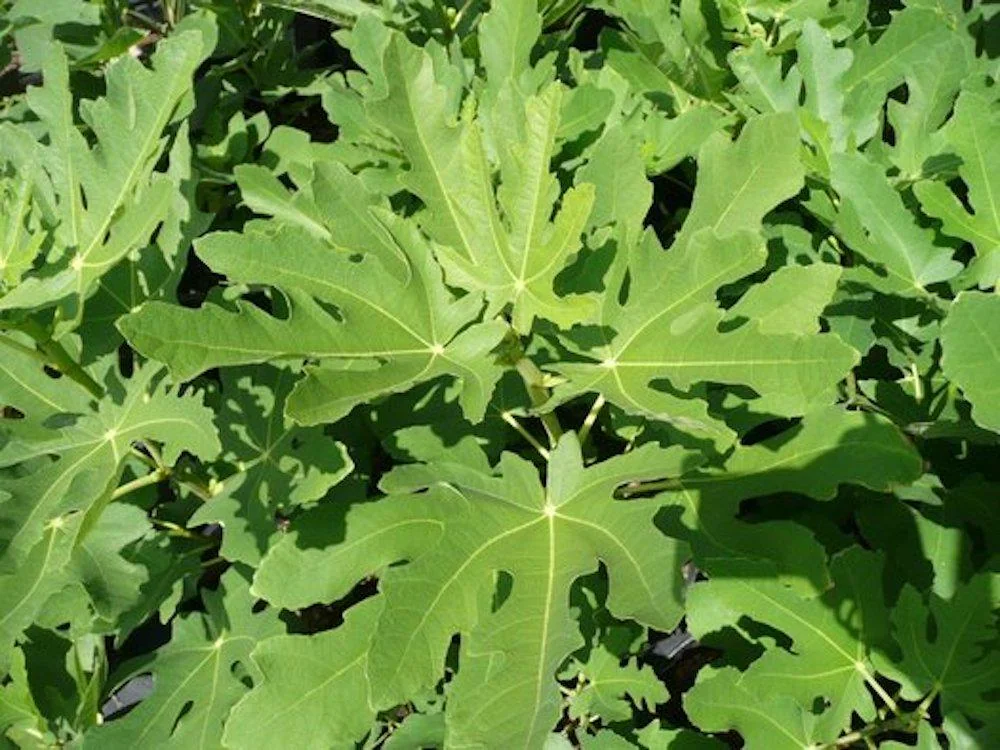
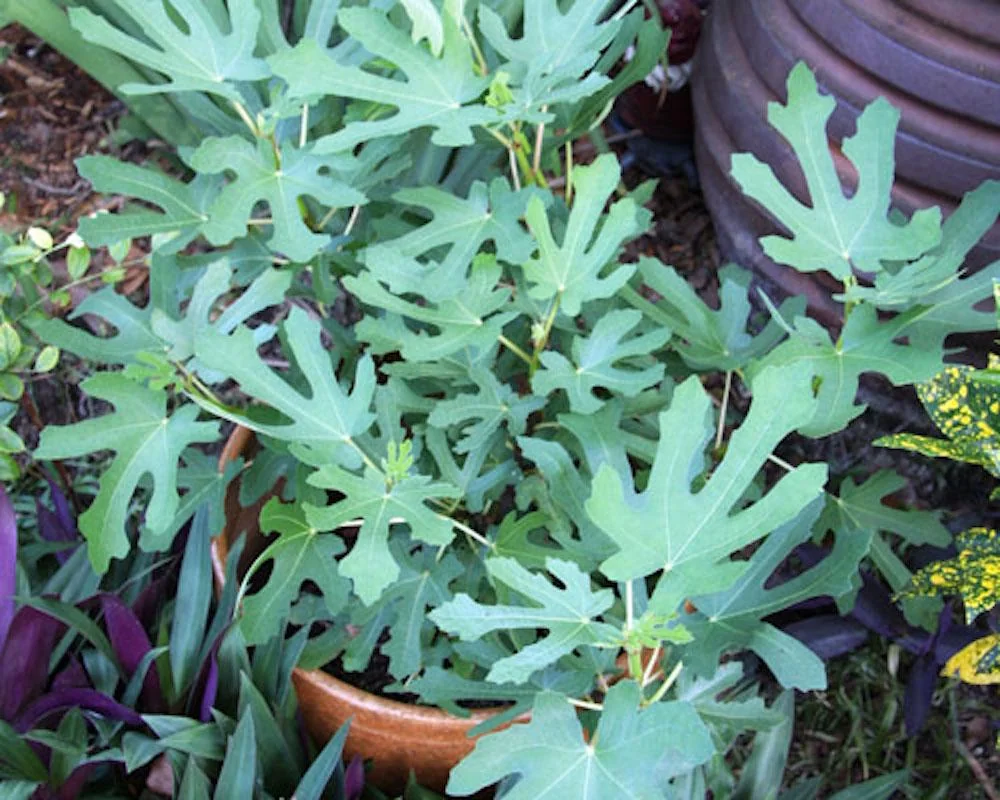
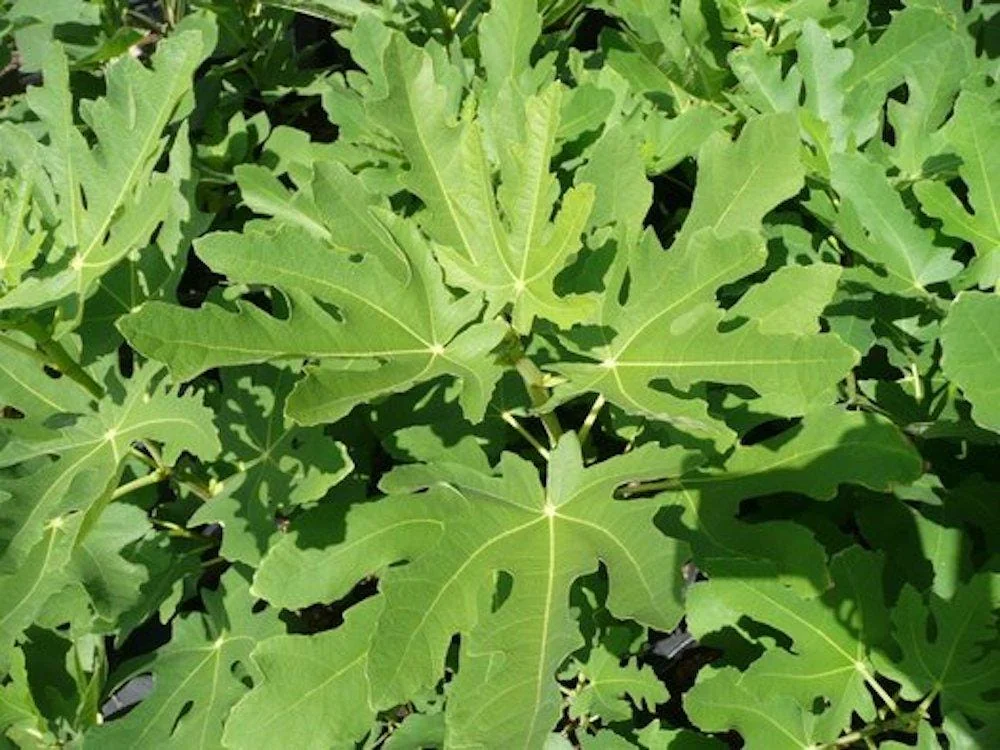
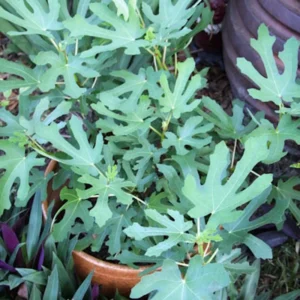
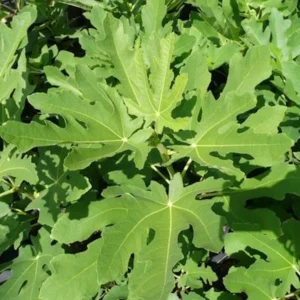
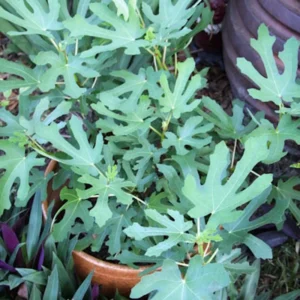
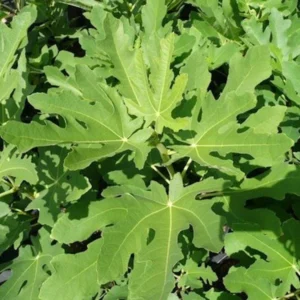
- Attractive Ornamental Features: Beyond its fruit, the fig tree itself is an attractive specimen with lush, lobed leaves that provide a touch of Mediterranean charm to any landscape or patio setting.
- Low Maintenance: Once established, the madonna fig cultivar requires relatively low maintenance compared to many other fruit-bearing trees, making it an excellent choice for busy gardeners.
- Historical and Culinary Significance: Figs have been cultivated for thousands of years and hold a significant place in culinary traditions worldwide. Growing your own allows you to connect with this rich history.
Plant Care & Growing Tips
Caring for your magnolia fig starter plug is straightforward, and with the right conditions, it will flourish and provide you with delicious fruit for years to come. Understanding its basic needs for sunlight, water, and soil is key to a successful harvest. This ficus carica magnolia thrives in warm climates but can be overwintered indoors in colder regions.
For optimal growth, the magnolia fig starter plug requires full sun exposure, meaning at least 6-8 hours of direct sunlight per day. In very hot climates, some afternoon shade can be beneficial to prevent leaf scorch. When planting, choose a location with well-draining soil. Figs prefer a slightly alkaline to neutral pH (6.0-7.0) and thrive in loamy or sandy soils. Amend heavy clay soils with organic matter to improve drainage. This edible fig plant is generally hardy in USDA zones 7-10, though protection may be needed in zone 7 during harsh winters. Ensure good air circulation around the plant to prevent fungal diseases.
Watering is crucial, especially during the establishment phase and when the plant is fruiting. Keep the soil consistently moist but never waterlogged. Young plants will need more frequent watering. Once established, fig trees are relatively drought-tolerant but will produce better fruit with regular moisture. Fertilize your brunswick fig tree in early spring with a balanced, all-purpose fertilizer, and again in mid-summer if needed. Avoid excessive nitrogen, which can promote leafy growth at the expense of fruit production. Pruning should be done in late winter or early spring while the tree is dormant. Remove any dead, diseased, or crossing branches, and shape the tree to maintain an open canopy for better fruit production and air circulation. Watch out for common pests like fig rust or spider mites, and treat promptly with appropriate organic or chemical solutions.
Size & Details
This offering is for one healthy magnolia fig starter plug of Ficus carica ‘Magnolia’. Each plug is a young, actively growing plant, carefully prepared for shipping to ensure it arrives ready for planting. These starter plugs are typically shipped bare root, meaning they are removed from their growing medium with their roots carefully protected, allowing for easier transplanting and quick establishment in your garden or container. Upon arrival, plant the starter plug promptly in its desired location or a larger pot.
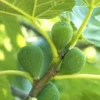
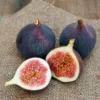
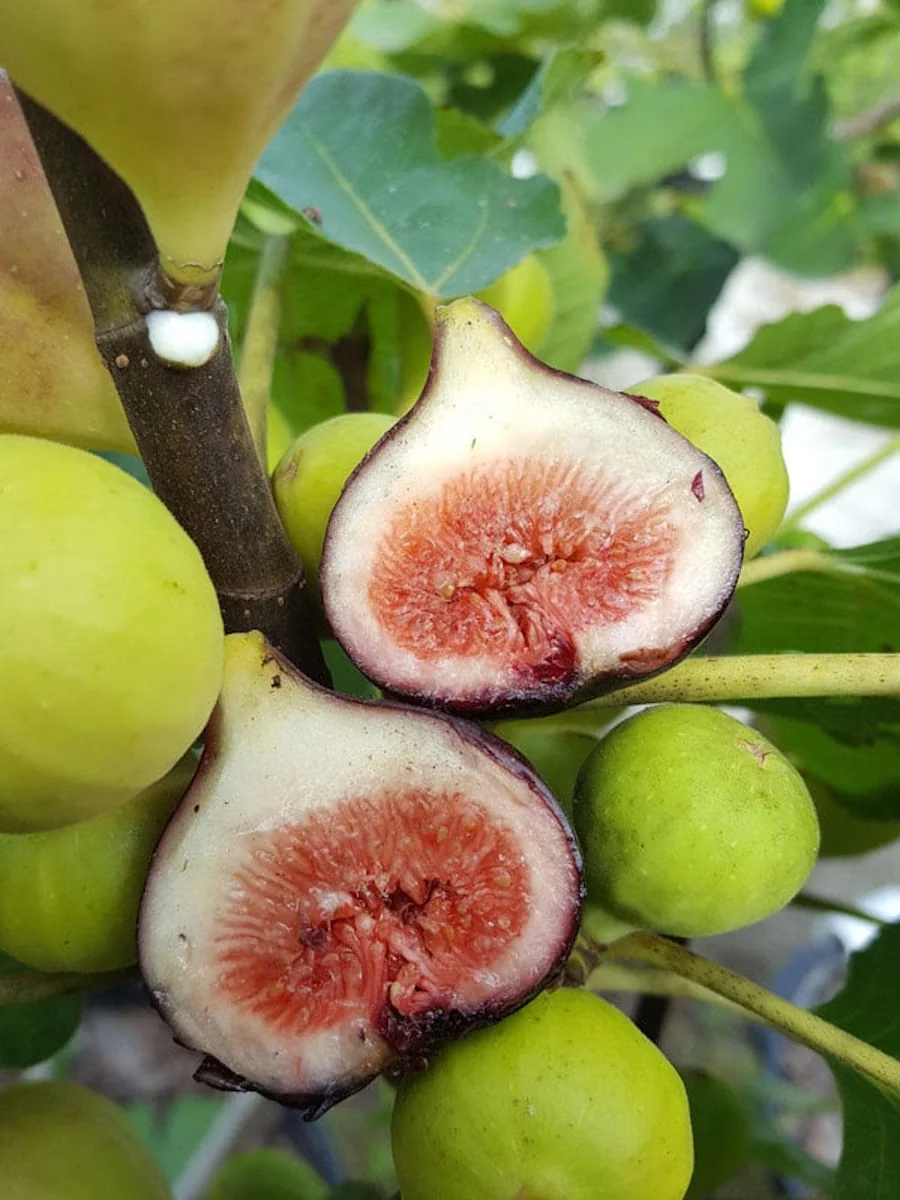
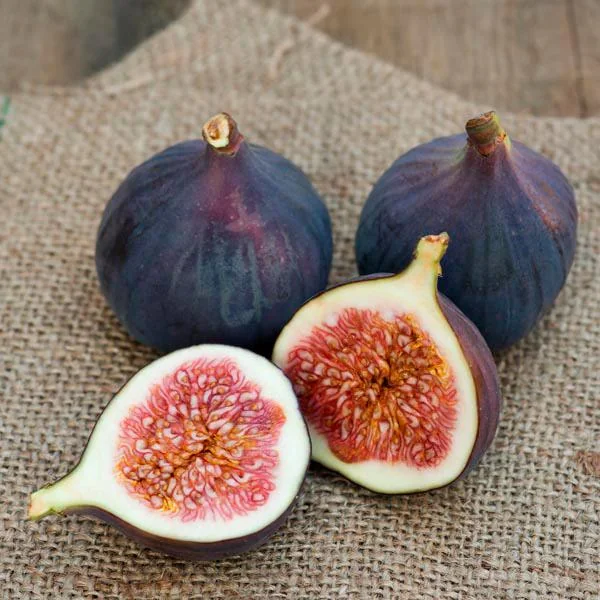
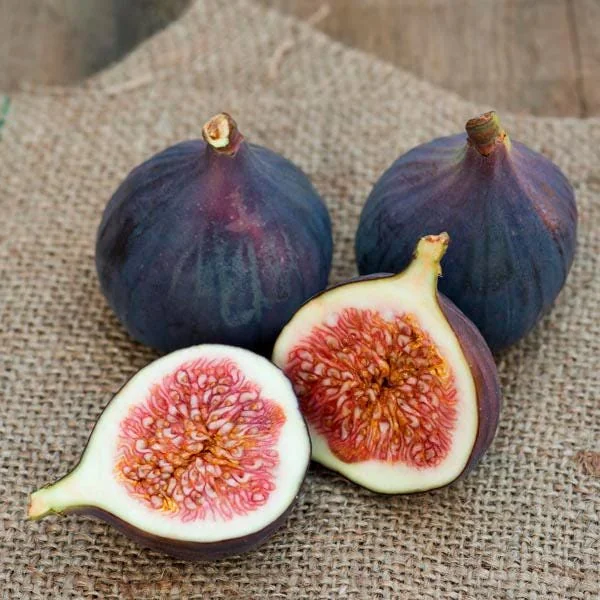
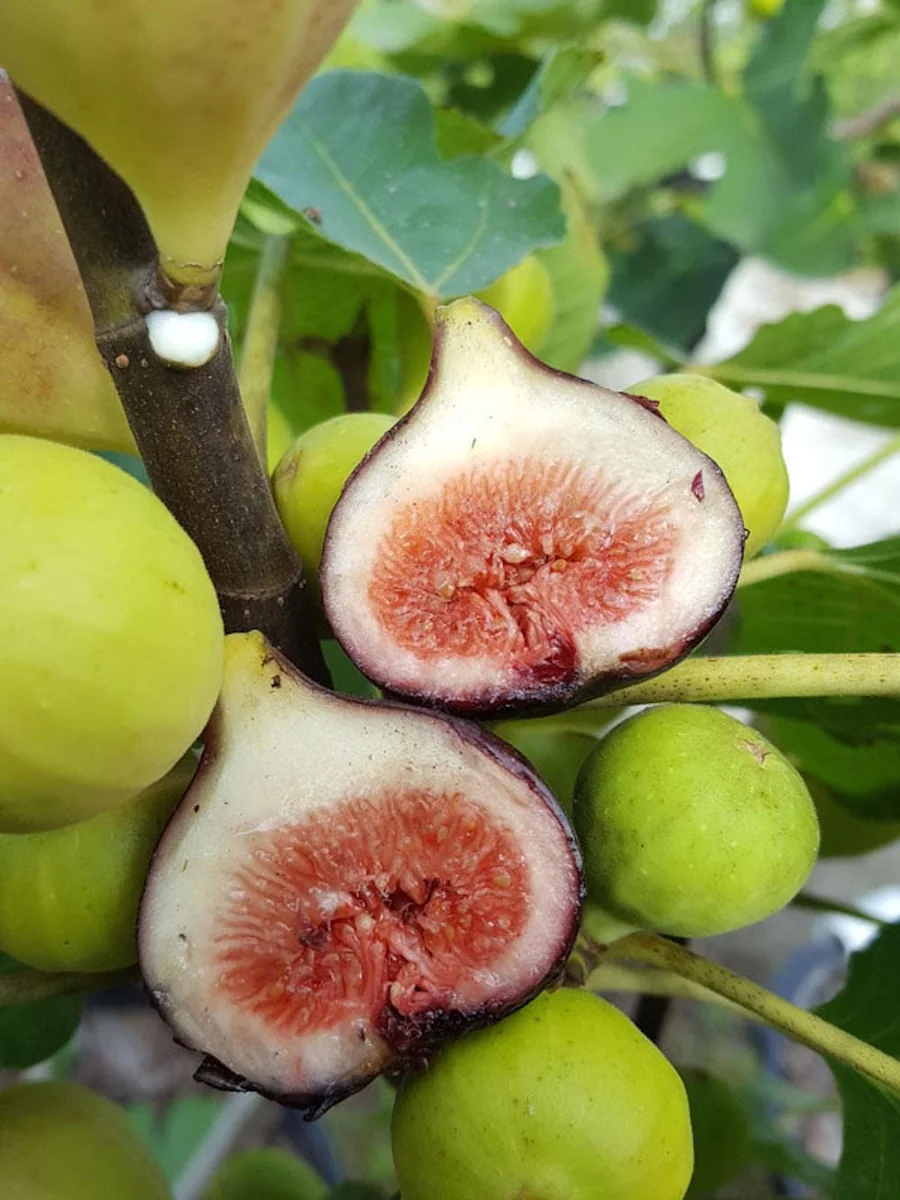
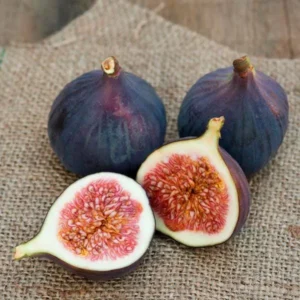
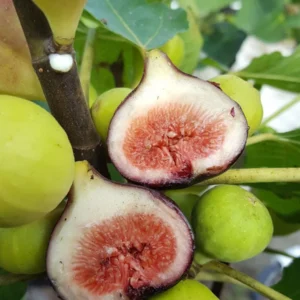
The edible fig plant will grow into a medium-sized shrub or small tree, typically reaching heights of 10-15 feet and a similar spread when mature, though it can be kept smaller with regular pruning or by growing in a container. It has a moderate growth rate, and you can expect fruit production within 1-3 years under ideal growing conditions. The large, pear-shaped fruits have a greenish-yellow skin and amber-pink flesh, ripening in late summer to early fall. This particular madonna fig cultivar is known for its reliability and delicious, sweet flavor.
Frequently Asked Questions
- Q: How big does this magnolia fig starter plug get when mature? A: When mature, the Ficus carica ‘Magnolia’ typically grows into a medium-sized shrub or small tree, reaching heights of 10-15 feet with a similar spread. Its size can be managed with pruning or by growing it in a large container.
- Q: Is this an indoor or outdoor plant? A: The magnolia fig starter plug is primarily an outdoor plant, thriving in full sun. In colder climates (USDA zones below 7), it can be grown in a container and brought indoors during the winter months to protect it from frost.
- Q: How much sunlight does this edible fig plant need? A: For optimal fruit production and healthy growth, the magnolia fig starter plug requires at least 6-8 hours of direct sunlight per day. Full sun is preferred, but some afternoon shade can be beneficial in extremely hot climates.
- Q: Is this plant easy to care for? A: Yes, once established, the brunswick fig tree is considered relatively easy to care for. It requires consistent watering during establishment and fruiting, well-draining soil, and annual pruning. It’s a good choice for both experienced and novice gardeners.
- Q: What condition will the madonna fig cultivar arrive in? A: The magnolia fig starter plug typically ships bare root, meaning it will arrive without a pot and with its roots carefully protected. This method ensures the plant is ready for immediate planting and minimizes transplant shock.
- Q: Can I grow this fig in a pot? A: Absolutely! The magnolia fig starter plug is an excellent candidate for container gardening, especially in regions with cold winters. Choose a large pot (at least 15-20 gallons) with good drainage, and ensure it receives adequate sunlight.
- Q: When can I expect fruit from my ficus carica magnolia? A: Under ideal growing conditions, you can typically expect your magnolia fig starter plug to begin producing fruit within 1-3 years after planting. Fruit usually ripens in late summer to early fall.
- Q: What kind of soil does this fig tree prefer? A: This fig thrives in well-draining soil with a slightly alkaline to neutral pH (6.0-7.0). Loamy or sandy soil types are ideal. If you have heavy clay soil, amend it with organic matter to improve drainage.
- Q: Is the magnolia fig starter plug self-pollinating? A: Yes, a significant advantage of the magnolia fig starter plug is that it is a self-pollinating cultivar. You only need one plant to get a bountiful harvest.
- Q: How do I protect my fig plant in winter if I live in a colder zone? A: If you’re in a colder zone, grow your edible fig plant in a large container. Before the first hard frost, move the container to a protected, unheated space like a garage or shed. Reduce watering significantly during dormancy.


Reviews
There are no reviews yet.