Overview
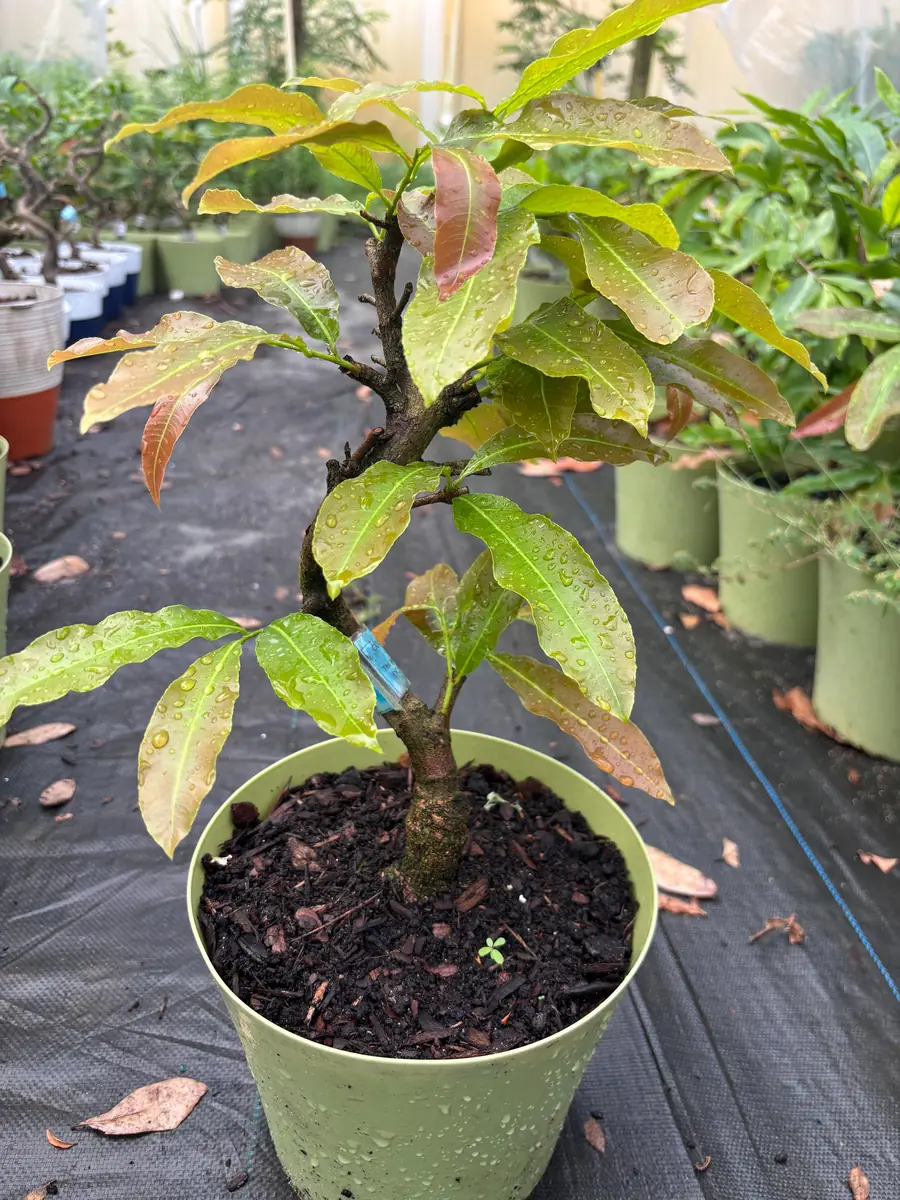
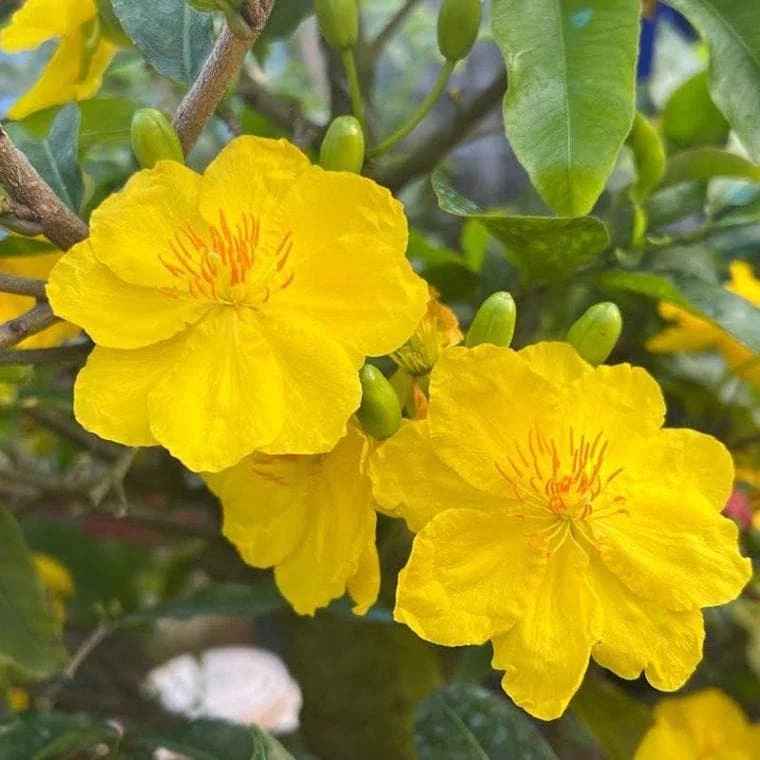
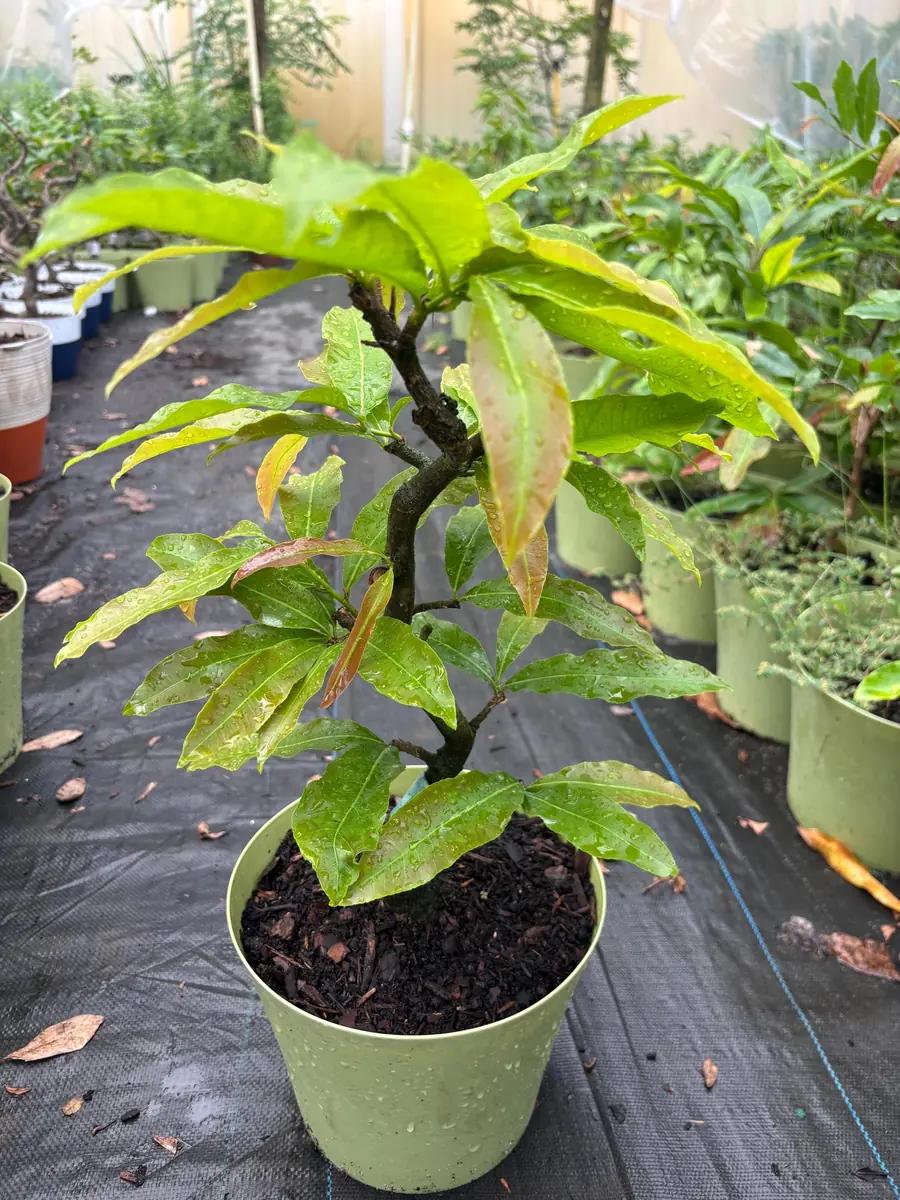
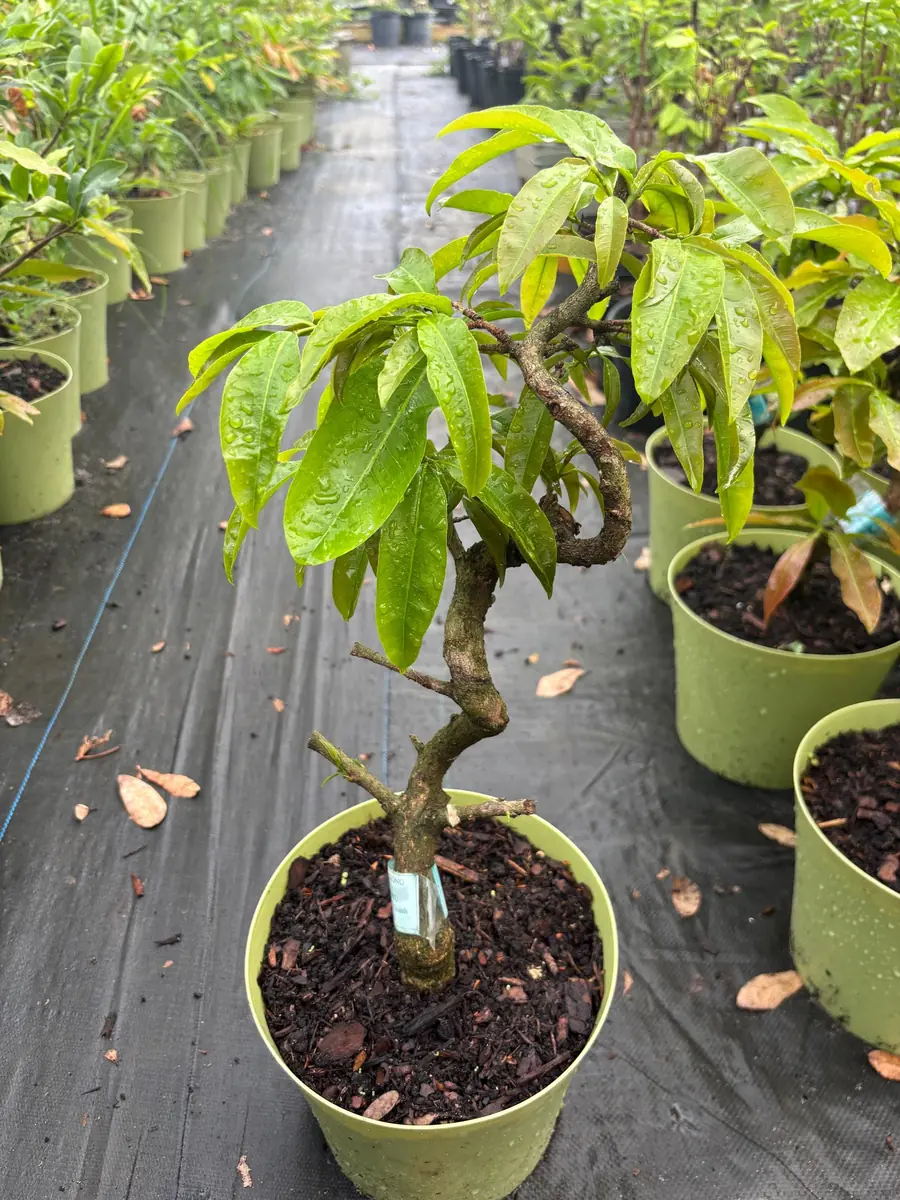
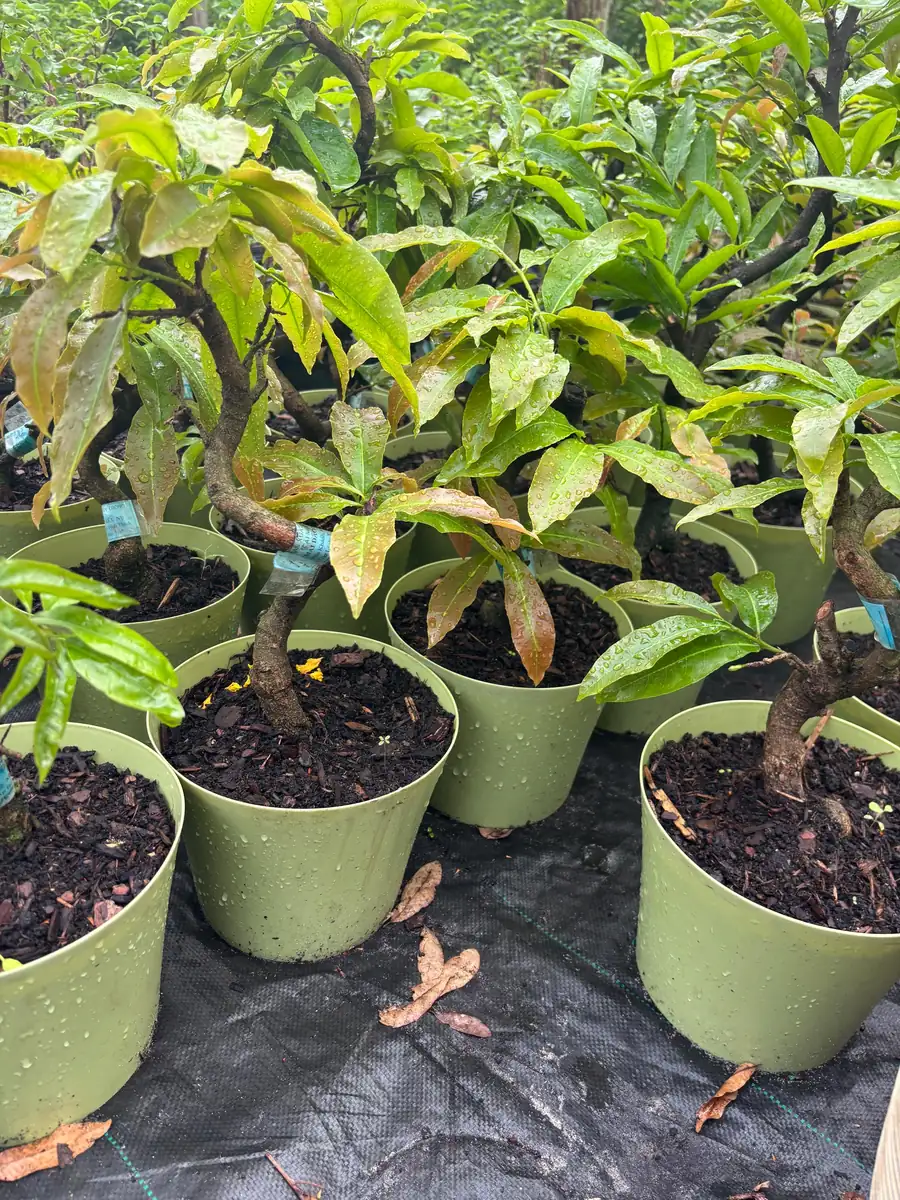
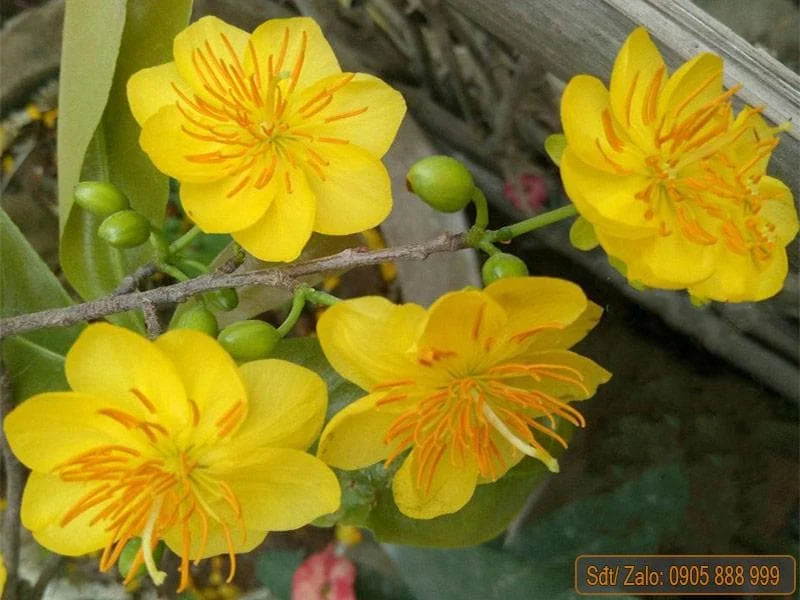
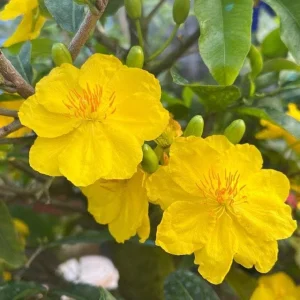
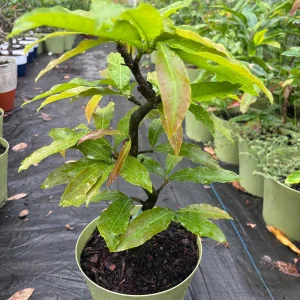
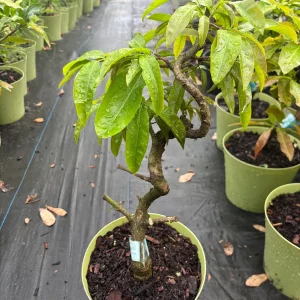
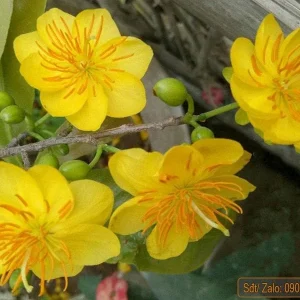
Introduce a piece of living art into your space with the exquisite Mai Vang Bonsai live plant. Revered for its beauty and cultural significance, especially during Lunar New Year celebrations, this plant is a true showstopper. Our Mai Vang Bonsai is a healthy, well-established specimen, typically standing 1-2 feet tall and grown in a 2-gallon pot, ready to thrive in its new home. Often referred to as the Vietnamese Yellow Apricot, this plant is a cherished symbol of prosperity and good fortune. Whether you’re an experienced bonsai enthusiast or a beginner looking to explore the art of bonsai, the Mai Vang Bonsai live plant offers a rewarding and visually stunning experience. Its elegant structure and potential for vibrant yellow flowers make it a captivating focal point in any indoor setting or protected outdoor area.
Key Benefits
The Mai Vang Bonsai live plant offers numerous benefits, making it a highly desirable addition to any home or garden. Its unique characteristics contribute to both aesthetic appeal and a sense of tranquility.
-
Exquisite Aesthetic Appeal: The intricate branches and graceful form of the Mai Vang Bonsai create a stunning visual display. Its potential for bright yellow blooms adds a splash of vibrant color, enhancing any decor.
-
Cultural Significance: In Vietnamese culture, the Mai Vang (Yellow Apricot Blossom) is a symbol of luck, prosperity, and happiness, particularly around Tet (Lunar New Year). Owning one brings a touch of this rich tradition into your home.
-
Stress Reduction: Tending to a bonsai plant, including the Mai Vang plant care routine, is a meditative and calming activity. It can help reduce stress and promote mindfulness, offering a peaceful escape from daily routines.
-
Unique Home Decor: Unlike common houseplants, a bonsai tree is a living sculpture. The Mai Vang Bonsai live plant serves as a sophisticated and unique decorative element, sparking conversation and admiration.
-
Adaptable Growth: While traditionally an outdoor plant in tropical climates, with proper Mai Vang plant care, it can thrive indoors, allowing you to enjoy its beauty year-round, even in cooler regions.
-
Rewarding Hobby: Cultivating a bonsai, such as the bonsai Vietnamese yellow apricot, is a deeply rewarding hobby that teaches patience, horticultural skills, and an appreciation for nature’s artistry.
Plant Care & Growing Tips
Successful Mai Vang plant care requires attention to several key environmental factors to ensure its health and vibrant growth. This species, often cherished as an indoor bonsai plant, thrives with consistent and appropriate care. Providing the right conditions will help your bonsai flourish and potentially produce its beautiful yellow blossoms.
For sunlight, the Mai Vang prefers bright, indirect light when kept indoors. A south or west-facing window with some protection from direct, intense midday sun is often ideal. If grown outdoors, it can tolerate more direct sun, especially in the morning, but should be protected from harsh afternoon sun in hot climates. Adequate air circulation is also important. Watering should be consistent, allowing the top inch of soil to dry out slightly between waterings. Avoid overwatering, which can lead to root rot, but also ensure the plant doesn’t dry out completely. A well-draining potting mix specifically formulated for bonsai or tropical plants is essential. The soil should retain some moisture but drain excess water quickly to prevent waterlogging.
Temperature-wise, the Mai Vang thrives in warm, humid conditions, ideally between 65-85°F (18-29°C). It is not frost-tolerant, so if you live in a region with cold winters, it’s best to keep your bonsai Vietnamese yellow apricot indoors during colder months. Fertilize during the growing season (spring and summer) with a balanced liquid fertilizer diluted to half strength, typically every 2-4 weeks. Reduce fertilization in fall and winter. Common problems include yellowing leaves due to overwatering or nutrient deficiencies, and pest issues like spider mites, which can be managed with neem oil or insecticidal soap. Learning how to grow Mai Vang successfully involves understanding these specific needs.
Size & Details
This offering is for one healthy Mai Vang Bonsai live plant, meticulously cultivated and ready for display. Each plant typically stands between 1-2 feet (approximately 30-60 cm) tall from the base of the pot to the top of the foliage, providing a substantial presence without being overly large. It is shipped securely in its current 2-gallon nursery pot, ensuring minimal transplant shock upon arrival. The plant’s growth rate is moderate, allowing for gradual shaping and development over time, which is part of the joy of an indoor bonsai plant. With proper care, it can achieve a mature spread that complements its height. The potential for stunning yellow flowers is a highlight, though bloom time can vary depending on growing conditions and maturity. This size is perfect for beginning your journey into how to grow Mai Vang and maintain a beautiful bonsai specimen.
Frequently Asked Questions
-
Q: How big does this Mai Vang Bonsai plant get? A: This particular Mai Vang Bonsai live plant is typically 1-2 feet tall when shipped. With proper care and shaping, its height can be maintained within desirable bonsai dimensions, but it has the potential for larger growth if left untrimmed.
-
Q: What size pot does it come in? A: The Mai Vang Bonsai is shipped in a sturdy 2-gallon nursery pot, providing ample space for its root system to be established before you decide to repot it into a decorative bonsai container.
-
Q: Is this an indoor or outdoor plant? A: The Mai Vang Bonsai live plant can be grown both indoors and outdoors. It thrives outdoors in USDA Zones 9-11. In cooler climates, it should be brought indoors during the colder months, making it an excellent indoor bonsai plant.
-
Q: How much sunlight does it need? A: It prefers bright, indirect light when indoors. If placed outdoors, it can handle full morning sun but should be protected from harsh afternoon sun, especially in hot climates, to prevent leaf scorch.
-
Q: Is this plant easy to care for? A: While bonsai care requires attention and consistency, the Mai Vang plant care routine is manageable for dedicated beginners and experienced enthusiasts alike. Understanding its light, water, and temperature needs is key.
-
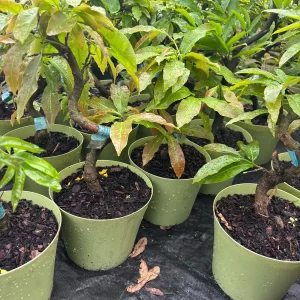
Q: What condition will it arrive in? A: Your bonsai Vietnamese yellow apricot will arrive carefully packaged in its 2-gallon nursery pot, with soil intact, to ensure it reaches you in the best possible health, ready to settle into its new environment.
-
Q: How long until it blooms? A: The Mai Vang is known for its beautiful yellow flowers. Bloom time can vary greatly depending on the plant’s maturity, environmental conditions, and specific care given, including proper pruning and fertilization.
-
Q: Can I grow the Mai Vang Bonsai in a small apartment? A: Yes, its compact size and adaptability as an indoor bonsai plant make it suitable for apartments or homes with limited space, provided it receives adequate light and care.
-
Q: What’s the best way to learn how to grow Mai Vang? A: Researching specific bonsai care techniques, joining local bonsai clubs, and observing your plant’s responses to different conditions are excellent ways to master Mai Vang plant care and cultivation.
-
Q: Will it survive winter in my zone? A: If you are outside of USDA Zones 9-11, your bonsai Vietnamese yellow apricot will need to be moved indoors to a protected, warm environment before temperatures drop below 50°F (10°C) to survive the winter.


Reviews
There are no reviews yet.