Overview
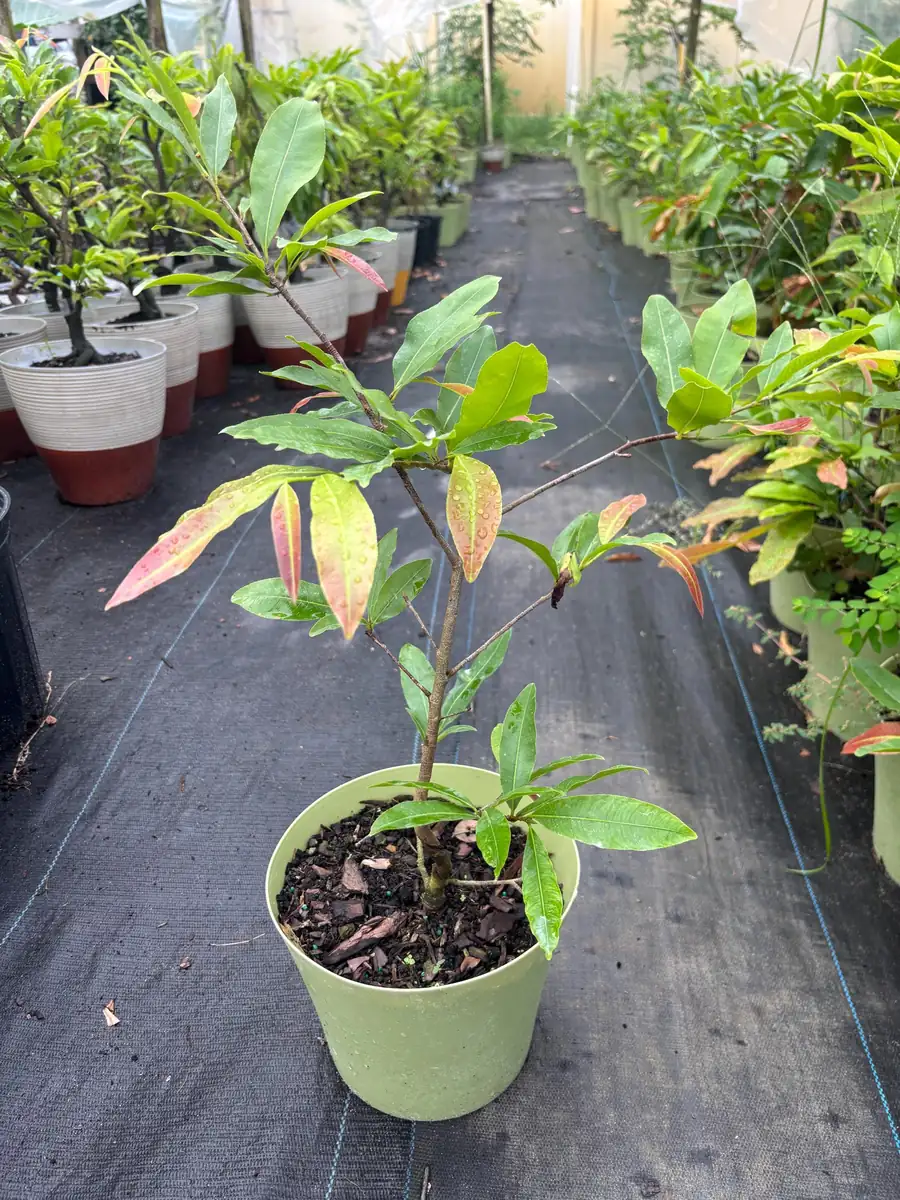
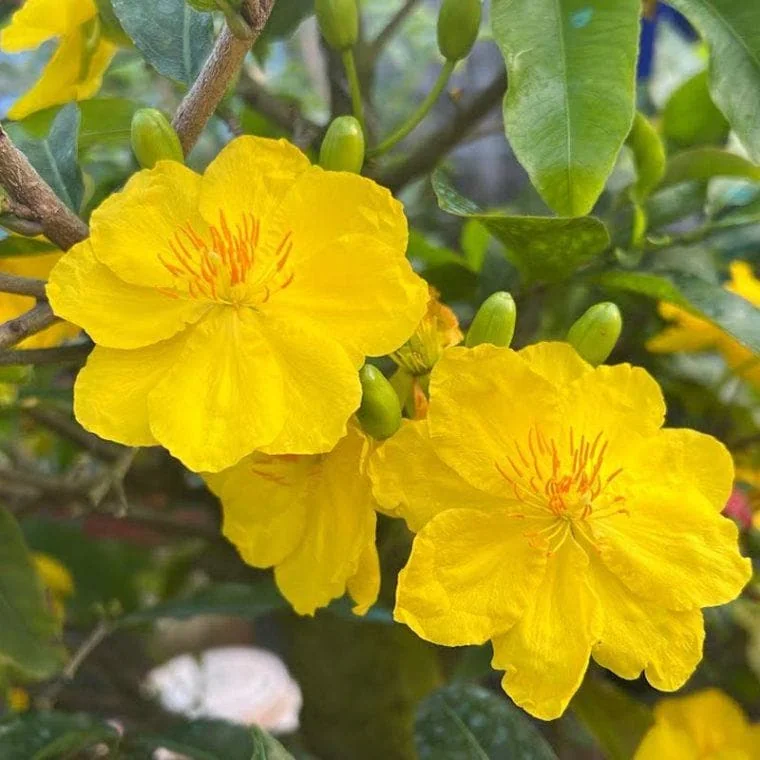
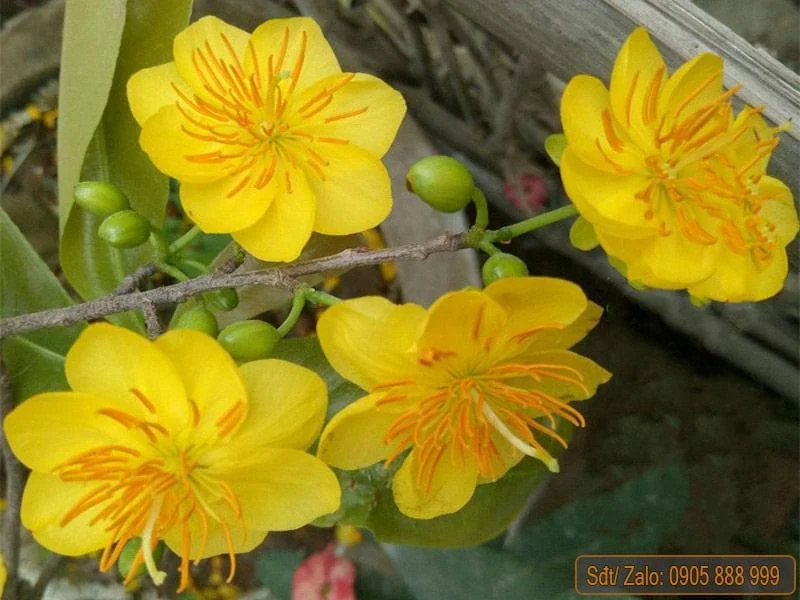
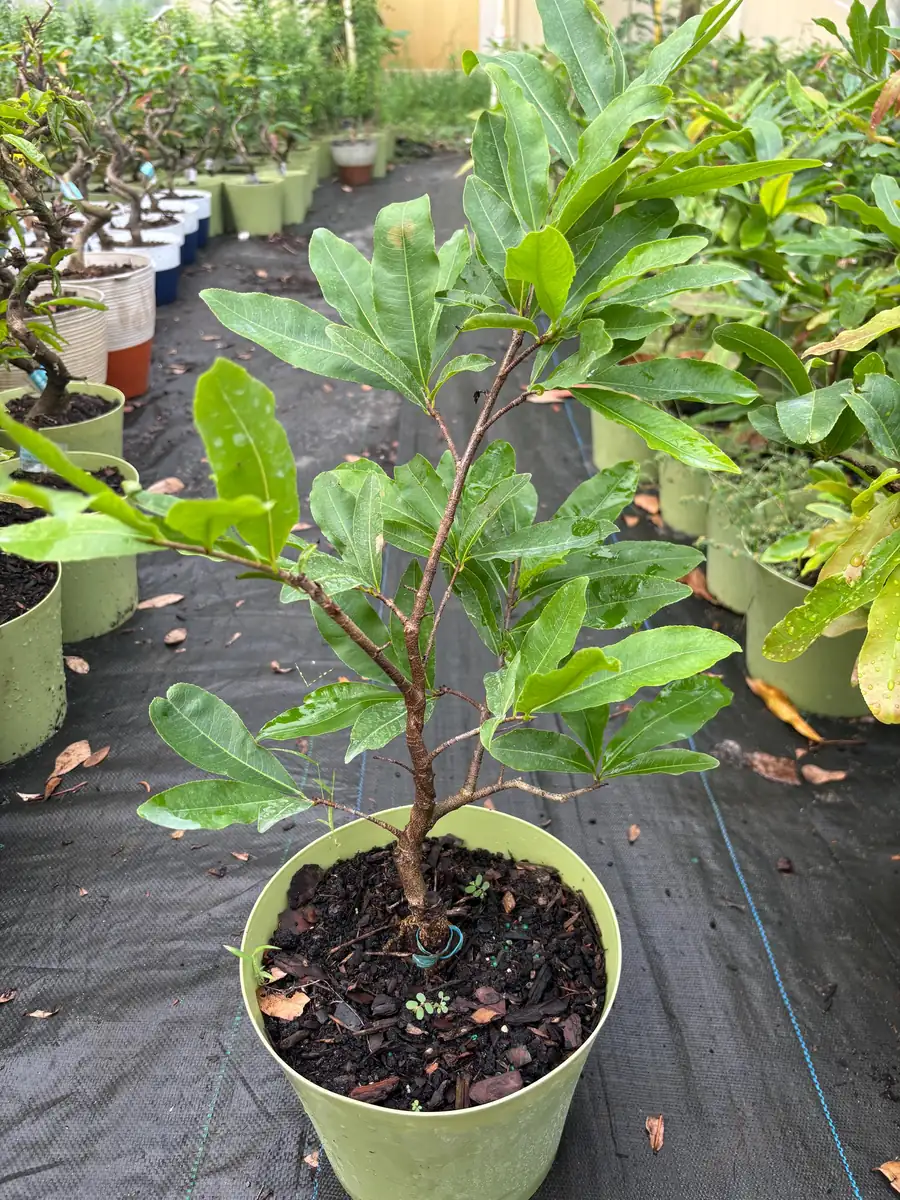
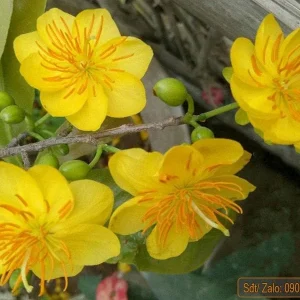
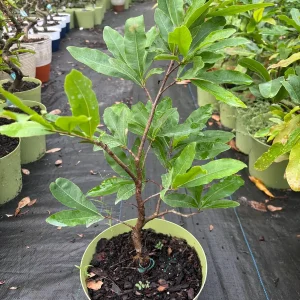
Experience the beauty and cultural significance of the Mai Vang Bonsai live plant, also known as the Vietnamese Yellow Apricot tree (Ochna integerrima). This magnificent, ornamental tree is a cherished symbol of prosperity and good fortune, especially during the Vietnamese Lunar New Year (Tet). Our carefully cultivated Mai Vang Bonsai arrives as a healthy, thriving specimen, typically standing 1-2 feet tall in a sturdy 2 gallon pot, ready to bring its unique elegance to your home or garden. With its graceful branches, lush green foliage, and stunning yellow blooms, the Vietnamese Yellow Apricot tree is a captivating addition for both experienced bonsai enthusiasts and new plant parents alike. Embrace the art of bonsai with this resilient and visually striking plant.
The Mai Vang Bonsai live plant is more than just a decorative item; it’s a living piece of art that evokes peace and tradition. Its ability to produce abundant, bright yellow flowers, often resembling small apricot blossoms, makes it a focal point in any setting. This particular species, Ochna integerrima, is highly sought after for its distinctive beauty and the joyful atmosphere it creates, especially when its vibrant blossoms appear. Cultivating a Mai Vang Bonsai live plant provides a rewarding horticultural experience, allowing you to connect with nature and cultural heritage.
Key Benefits
The Mai Vang Bonsai live plant offers a multitude of benefits, from its aesthetic appeal to its cultural significance. This plant is not only beautiful but also holds deep meaning, making it a truly special addition to any collection.
- Stunning Ornamental Value: The Vietnamese Yellow Apricot tree is renowned for its beautiful, bright yellow flowers that bloom profusely, creating a dazzling display. Its elegant form and lush foliage provide year-round visual interest.
- Cultural Significance: Often associated with good luck and prosperity, especially during the Vietnamese New Year, owning a Mai Vang plant brings a touch of rich cultural tradition into your home.
- Versatile Display: Suitable for both indoor and outdoor environments, this bonsai can be a focal point in a sunny room, on a patio, or as part of a garden landscape in warmer climates.
- Unique Bonsai Specimen: Its natural growth habit and response to pruning make it an ideal candidate for bonsai artistry, allowing for creative shaping and cultivation.
- Long-Lasting Beauty: With proper care, the Mai Vang plant care is relatively straightforward, ensuring that this beautiful tree can thrive and provide enjoyment for many years.
- Air Purifying Qualities: Like many live plants, the Mai Vang contributes to a healthier indoor environment by naturally filtering the air.
- Conversation Starter: Its distinctive appearance and cultural background make it an interesting piece that often sparks conversation among guests and admirers.
Plant Care & Growing Tips
Effective Mai Vang plant care is crucial for ensuring the health and vibrancy of your Mai Vang Bonsai live plant. This beautiful tree thrives with consistent attention to its environmental needs. For optimal growth and prolific flowering, provide your Vietnamese Yellow Apricot tree with plenty of bright sunlight. It prefers full sun, meaning at least 6 hours of direct sunlight per day. If grown indoors, place it near a south-facing window or supplement with a grow light. Insufficient light can lead to sparse foliage and reduced flowering. Ensure good air circulation, especially when grown indoors, to prevent fungal issues.
When it comes to watering, the Vietnamese Yellow Apricot tree prefers consistently moist soil but dislikes being waterlogged. Water thoroughly when the top inch of soil feels dry to the touch, allowing excess water to drain completely. During hot summer months, you may need to water more frequently. Reduce watering slightly during cooler dormant periods. A well-draining potting mix is essential; a blend designed for bonsai or general tropical plants with good drainage is ideal. Repotting every 2-3 years in spring helps to refresh the soil and maintain root health. Fertilize your Mai Vang Bonsai live plant during the growing season (spring and summer) with a balanced liquid fertilizer, diluted to half strength, every 2-4 weeks. Reduce or stop fertilization during fall and winter.
The Ochna integerrima plant is generally suited for warmer climates, typically thriving in USDA zones 9–11. If you live in a colder region, it’s best to grow this plant in a container that can be moved indoors during colder months to protect it from frost. Maintaining a consistent temperature between 65-85°F (18-29°C) is ideal. Pruning is an important aspect of growing Mai Vang bonsai, not only to maintain its desired shape but also to encourage branching and more abundant flowering. Prune after the main flowering period to shape the tree and remove any dead or crossing branches. Watch out for common pests like aphids or spider mites, and treat promptly with organic pest control methods if detected.
Size & Details
This Mai Vang Bonsai live plant arrives as a well-established specimen, standing approximately 1-2 feet tall from the base of the pot to the top of the foliage. It is potted in a durable 2 gallon nursery pot, providing ample space for its root system to continue developing. The spread of the foliage can vary but typically ranges from 10-18 inches, depending on its natural growth and any previous shaping. Your Vietnamese Yellow Apricot tree is a young, vigorous plant, ready to be trained and cultivated into your desired bonsai form. It exhibits a moderate growth rate, allowing for noticeable progress with consistent care. This plant is shipped as a live, potted specimen, ensuring its health and vitality upon arrival. Expect its first significant blooms within 1-2 years under optimal growing conditions, offering a spectacular display of vibrant yellow flowers.
Frequently Asked Questions
- Q: How big will this Mai Vang Bonsai get? A: This Mai Vang Bonsai live plant is currently 1-2 feet tall. With proper pruning and care, it can be maintained at a compact bonsai size, typically 2-4 feet tall, or allowed to grow larger if planted in the ground in suitable climates.
- Q: Is the Vietnamese Yellow Apricot tree an indoor or outdoor plant? A: The Vietnamese Yellow Apricot tree can be grown both indoors and outdoors. In USDA zones 9-11, it thrives outdoors year-round. In colder climates, it should be brought indoors during winter to protect it from frost.
- Q: How much sunlight does the Ochna integerrima plant need? A: This plant requires abundant bright light. For best results and prolific flowering, provide at least 6 hours of direct sunlight daily. If indoors, place it in the brightest available window.
- Q: Is this plant easy to care for? Is it good for beginners? A: While Mai Vang plant care requires consistent attention to light and watering, it is generally considered moderately easy to care for. It’s a good choice for beginners interested in bonsai, as it’s forgiving and responsive to shaping.
- Q: What condition will my Mai Vang Bonsai live plant arrive in? A: Your Mai Vang Bonsai live plant will arrive as a healthy, live potted specimen, carefully packaged to ensure its safety during transit. It will be in a 2 gallon nursery pot with soil.
- Q: When is the best time to plant or repot this tree? A: The best time to plant or repot your Vietnamese Yellow Apricot tree is in the spring, after the last chance of frost and before the peak of summer heat. This allows the plant to establish its roots in the new environment.
- Q: What’s the minimum temperature this plant can tolerate? A: The Ochna integerrima plant is sensitive to cold. It can tolerate temperatures down to about 25-30°F (-4 to -1°C) for very short periods, but it’s best to protect it from temperatures below 40°F (4°C) to prevent damage.
- Q: Can I grow the Mai Vang Bonsai indoors year-round? A: Yes, you can grow the Mai Vang Bonsai live plant indoors year-round, provided it receives sufficient bright light and consistent care, including proper humidity and air circulation.
- Q: How often should I fertilize my Mai Vang plant? A: During the active growing season (spring and summer), fertilize your Mai Vang Bonsai live plant every 2-4 weeks with a balanced liquid fertilizer diluted to half strength. Reduce or stop fertilizing in fall and winter.
- Q: What kind of soil is best for growing Mai Vang bonsai? A: A well-draining soil mix is crucial for growing Mai Vang bonsai. A mixture of akadama, pumice, and lava rock, or a good quality bonsai soil blend, works well. For container plants, a mix of potting soil with perlite and sand will also provide good drainage.


Reviews
There are no reviews yet.