Overview
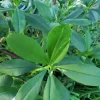
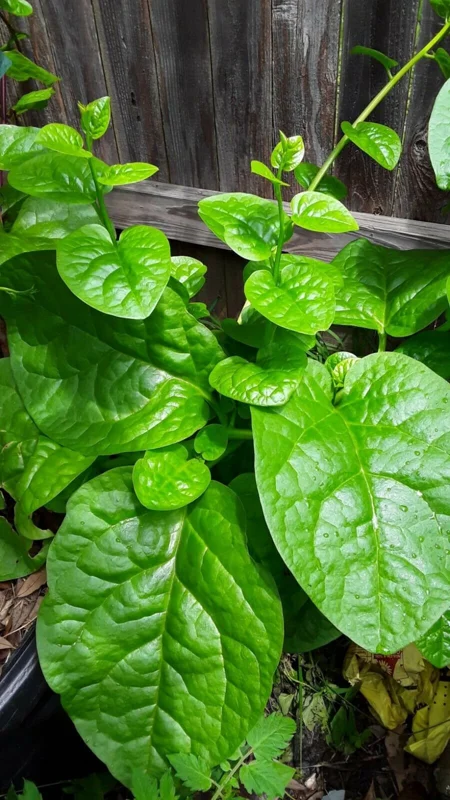
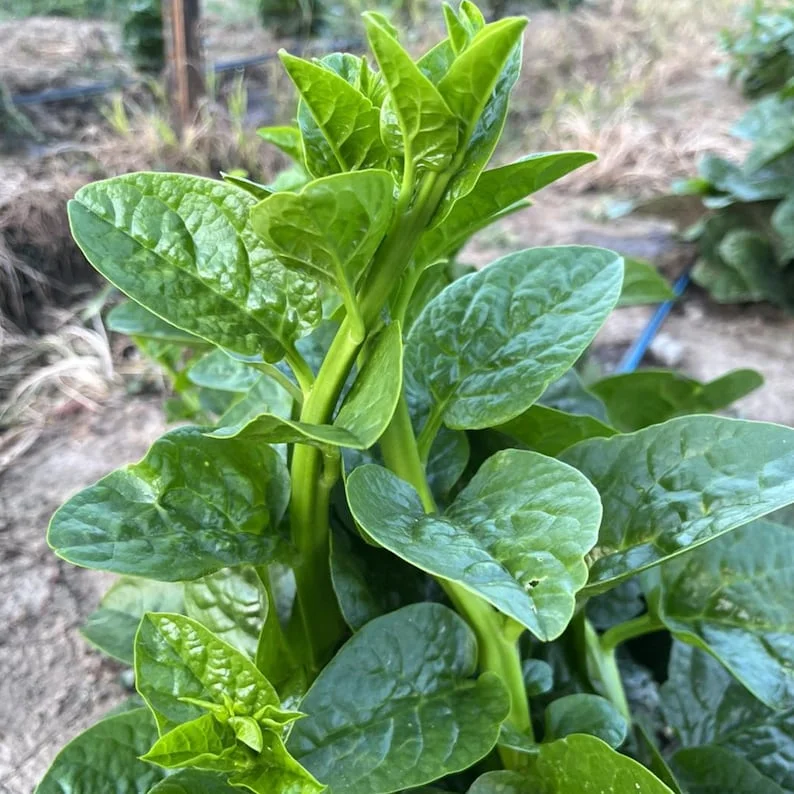
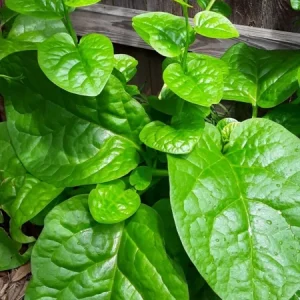
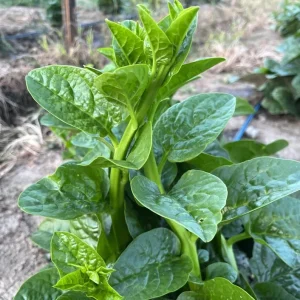
Bring the joy of fresh, homegrown greens to your garden with this vibrant Malabar spinach live plant. Known botanically as Basella alba, Malabar spinach is a tropical leafy green that thrives in warm climates where traditional spinach struggles. Unlike its cool-season counterpart, this resilient plant actually prefers the heat and humidity of summer, producing an abundance of tender, succulent leaves. This particular offering provides a healthy, established plant in a 4 inch pot, giving it a strong start in your garden or container. It’s an excellent choice for gardeners looking for an easy-to-grow, highly productive, and nutritious vegetable that can be harvested repeatedly throughout the growing season. Whether you’re an experienced gardener or just starting out, this Malabar spinach live plant will be a rewarding addition.
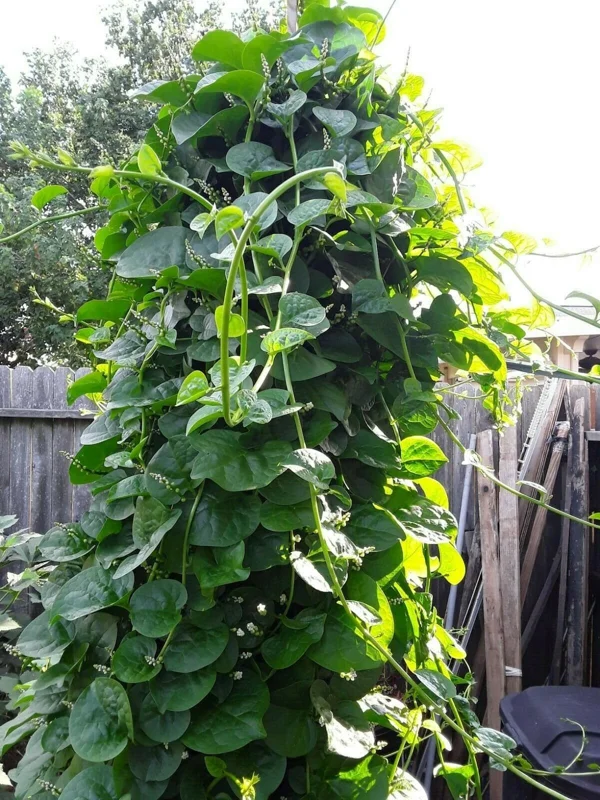
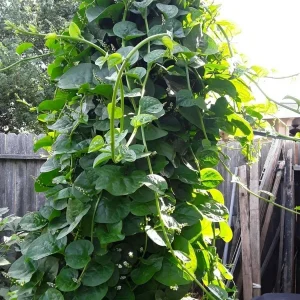
Often referred to as climbing spinach or Indian spinach, Malabar spinach is a beautiful and functional plant. Its thick, fleshy leaves and stems are not only delicious but also visually appealing, making it a great option for edible landscaping. It grows as a vigorous vine, perfect for trellises, fences, or hanging baskets. The leaves have a mild, slightly peppery flavor and a mucilaginous texture, similar to okra, which makes them a fantastic thickening agent in soups and stews. Discover how to grow Malabar spinach successfully and enjoy a continuous supply of fresh, organic greens right from your backyard.
Key Benefits
Adding a Malabar spinach live plant to your garden offers a multitude of advantages, from its nutritional value to its ease of cultivation. This versatile edible vine is a must-have for any home gardener.
- Nutrient-Rich Greens: Malabar spinach live plant leaves are packed with vitamins A and C, iron, calcium, and antioxidants. They are a healthy addition to any diet, supporting overall well-being and providing essential nutrients.
- Heat-Tolerant & Productive: Unlike common spinach, Malabar spinach thrives in hot, humid weather, making it an ideal choice for summer gardens. It produces continuously throughout the warm season, offering an abundant harvest when other greens wilt.
- Easy to Grow: This plant is remarkably low-maintenance and forgiving, suitable for beginners and experienced gardeners alike. It requires minimal fuss once established, making it a stress-free addition to your edible garden.
- Versatile Culinary Use: The tender leaves and shoots can be enjoyed raw in salads, stir-fried, steamed, or added to soups and curries. Its slightly mucilaginous texture makes it an excellent natural thickener.
- Attractive Edible Vine: The vibrant green foliage and vining habit of this climbing spinach plant make it an attractive ornamental as well as a food source. It can be grown on trellises, arbors, or as a ground cover.
- Pest Resistant: Malabar spinach generally suffers from fewer pest issues compared to other leafy greens, reducing the need for chemical interventions and promoting organic gardening practices.
- Fast Growing: With adequate warmth and moisture, the Basella alba care is straightforward, and the plant establishes quickly and begins producing harvestable leaves in a short amount of time.
Plant Care & Growing Tips
Caring for your Malabar spinach live plant is relatively simple, especially once it’s established. This tropical vine prefers warm conditions and consistent moisture. For optimal growth, choose a location that receives full sun to partial shade. In regions with extremely intense summer sun, some afternoon shade can prevent leaf scorch and prolong productivity. Ensure your soil is rich in organic matter and drains well. While it tolerates a range of soil types, a slightly acidic to neutral pH (6.5-7.0) is ideal for this climbing spinach plant.
Watering is crucial for a healthy and productive Malabar spinach live plant. Aim for consistently moist soil, especially during dry spells. Avoid letting the soil dry out completely between waterings, as this can stress the plant and reduce yield. Mulching around the base of the plant can help retain soil moisture and suppress weeds. Fertilize every 4-6 weeks with a balanced organic fertilizer or a fertilizer high in nitrogen to encourage lush, leafy growth. Provide a strong support structure, such as a trellis, stake, or fence, for the vine to climb, as it can grow quite long. Pruning the tips regularly also encourages bushier growth and more tender leaves.
The ideal temperature range for Basella alba care is between 70-90°F (21-32°C). It is not frost-tolerant and will die back with the first freeze. In USDA zones 9-11, it can often be grown as a perennial, returning from the roots each spring. In cooler climates, it is typically grown as an annual. Keep an eye out for common garden pests, though Malabar spinach is generally quite resilient. Aphids or leaf miners can occasionally be an issue; address these with organic pest control methods like neem oil or insecticidal soap. Learning to grow Malabar spinach properly will ensure a bountiful harvest of these delicious edible heat-tolerant greens.
Size & Details
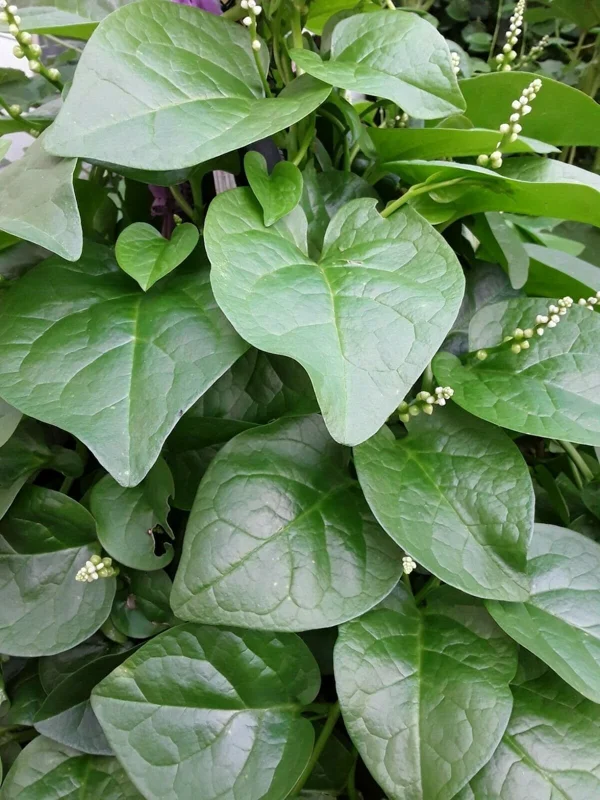
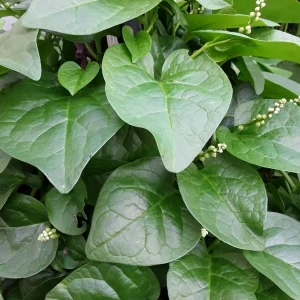
This offering is for one healthy Malabar spinach live plant, securely rooted and growing vigorously in a 4 inch pot. Upon arrival, the plant will typically stand 4-8 inches tall, ready to be transplanted into its permanent home. As a vining plant, Malabar spinach can grow quite long, often reaching 6-10 feet or more in a single season when provided with adequate support. The leaves are typically 2-4 inches long, heart-shaped or oval, and have a succulent texture. This plant is shipped as a young, established specimen, ensuring it has a robust root system to quickly adapt to its new environment. Expect rapid growth once planted in warm soil, with harvesting possible within a few weeks of transplanting. This climbing spinach plant is grown for its leaves and tender stems, not for decorative flowers, though it does produce small, inconspicuous white or pink flowers followed by dark berries containing seeds.
Frequently Asked Questions
- Q: How big does this Malabar spinach plant get? A: This Malabar spinach live plant is shipped in a 4 inch pot. Once planted, it is a vigorous vine that can easily reach lengths of 6-10 feet or more in a single growing season, especially with proper support and warm conditions.
- Q: Is this an indoor or outdoor plant? A: Malabar spinach is primarily grown as an outdoor plant in warm climates or during the summer months. In regions with cold winters, it’s typically grown as an annual. It can be grown in containers and brought indoors during cooler weather, but it thrives best with ample sunlight outdoors.
- Q: How much sunlight does it need? A: To grow Malabar spinach successfully, provide it with full sun (at least 6-8 hours of direct sunlight per day). In very hot climates, some afternoon shade can be beneficial to prevent scorching and keep the leaves tender.
- Q: Is this plant easy to care for? A: Yes, Basella alba care is considered relatively easy. It’s a low-maintenance plant that tolerates heat and humidity well, making it a good choice for beginner gardeners looking for edible heat-tolerant greens.
- Q: What condition will it arrive in? A: Your Malabar spinach live plant will arrive carefully packaged in its 4 inch pot, with a healthy root system and foliage, ready for transplanting. We take great care to ensure plants arrive in excellent condition.
- Q: Can I use Malabar spinach in cooking? A: Absolutely! Malabar spinach leaves and tender stems are highly nutritious and delicious. They can be used raw in salads, stir-fried, added to soups, curries, or used as a substitute for traditional spinach in most recipes.
- Q: When is the best time to plant Malabar spinach? A: The best time to plant your Malabar spinach live plant outdoors is after all danger of frost has passed and soil temperatures have warmed, typically late spring or early summer. It thrives in warm weather.
- Q: Will it survive winter in my zone? A: Malabar spinach is a tropical plant and is not frost-tolerant. In USDA Zones 9-11, it may overwinter as a perennial, returning from the roots. In colder zones, it is grown as an annual and will die back with the first hard freeze.
- Q: What kind of soil does this climbing spinach plant prefer? A: This climbing spinach plant prefers well-draining soil that is rich in organic matter. A slightly acidic to neutral pH is ideal, but it is quite adaptable to various soil conditions.
- Q: Is it pet-safe? A: Malabar spinach is generally considered safe for human consumption and is not known to be toxic to pets, but always exercise caution and consult a vet if you have concerns about your specific pet.


Reviews
There are no reviews yet.