Overview
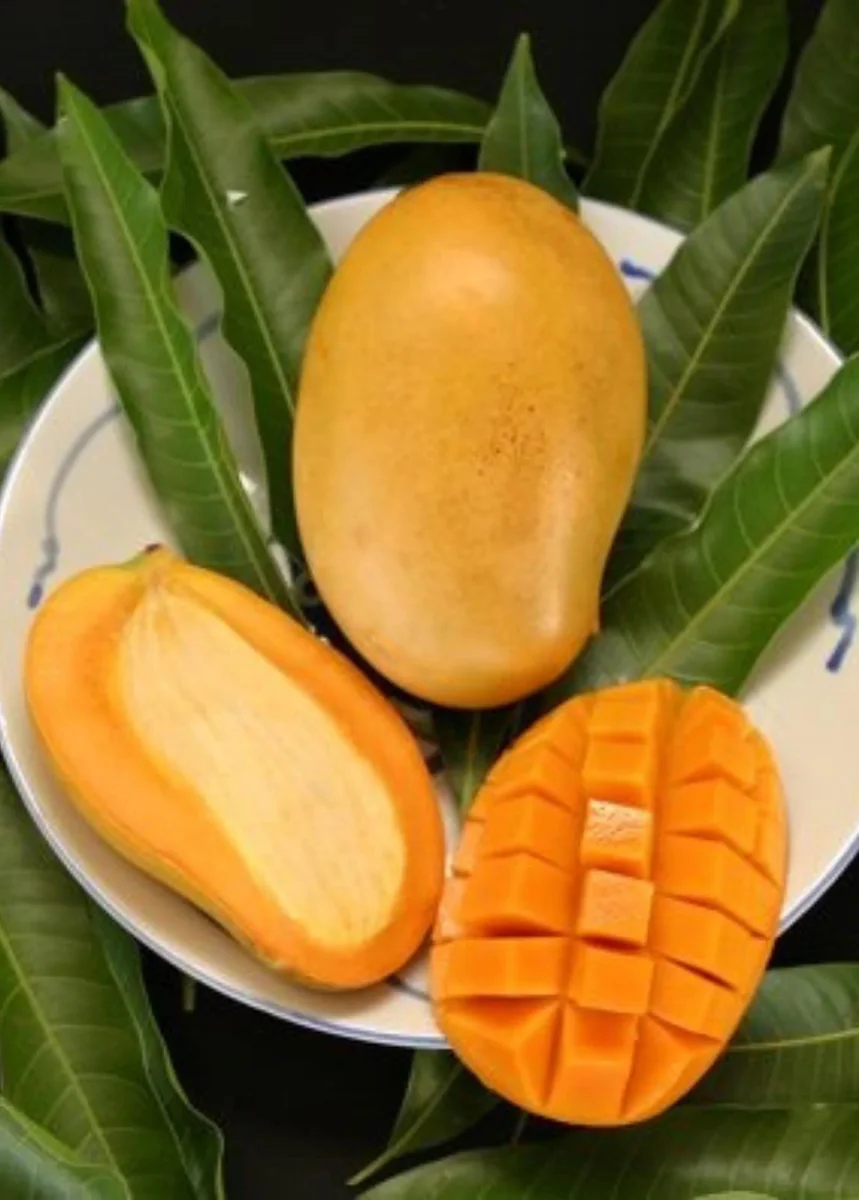
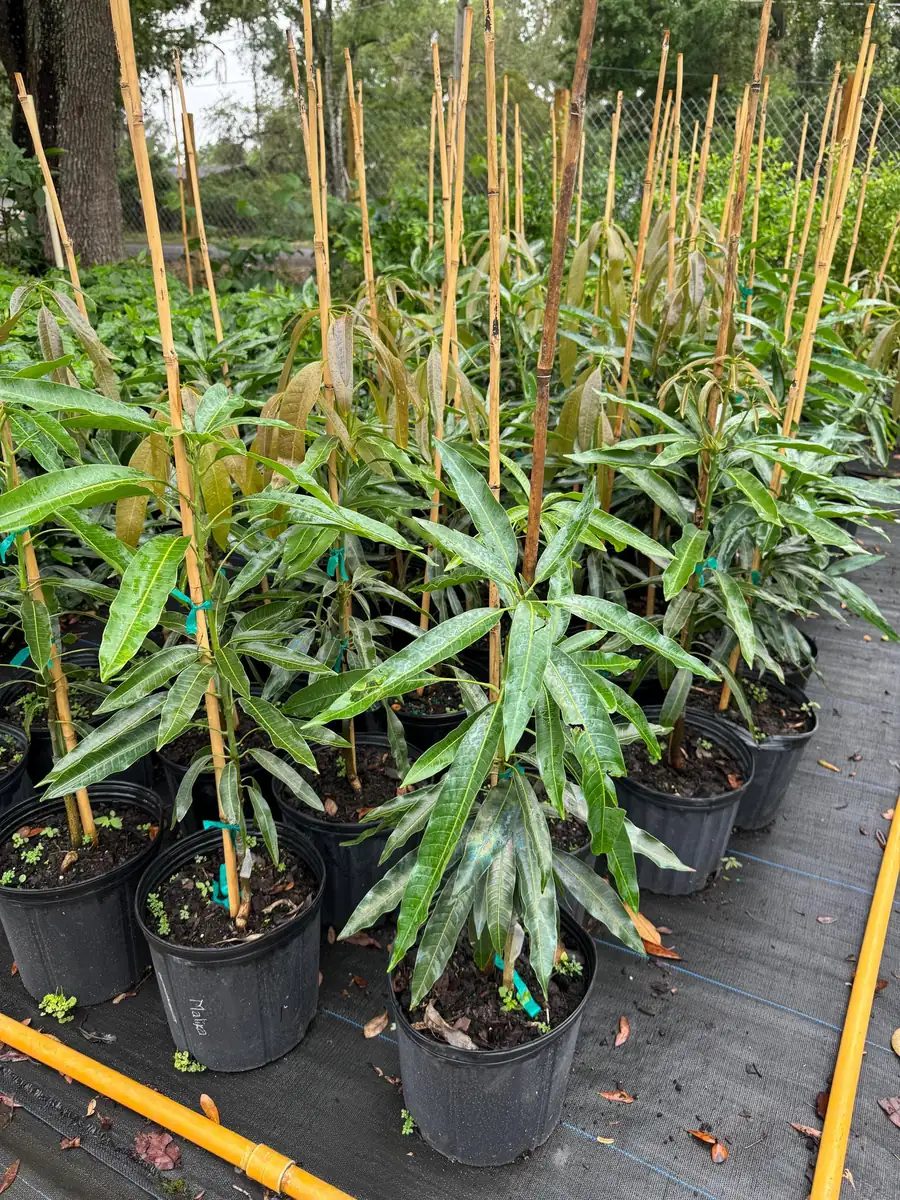
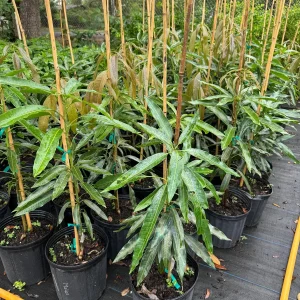
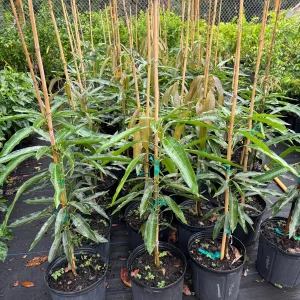
Introducing the magnificent mallika mango tree, a prized variety renowned for its exceptional flavor and aroma. This offering is a robust, 2-foot tall grafted mango plant, meticulously nurtured in a 3 gallon mango tree container, making it an excellent choice for home gardeners eager to cultivate their own tropical fruit. Mallika mangoes are celebrated for their rich, sweet taste with hints of citrus and melon, coupled with a fiberless flesh that makes them a true culinary delight. Originating from India, this cultivar has gained immense popularity worldwide due to its consistent quality and delectable fruit. Growing your own mallika mango tree allows you to enjoy fresh, organic mangoes right from your backyard or patio. This particular specimen is grafted, ensuring it will bear fruit true to type and often at a younger age than seed-grown trees. Whether you’re an experienced horticulturist or a budding enthusiast, this tree promises a rewarding growing experience and a bountiful harvest of exquisite fruit.
Key Benefits
The mallika mango tree offers a multitude of benefits for any aspiring fruit grower, combining aesthetic appeal with practical advantages:
- Superior Fruit Quality: Mallika mangoes are famous for their sweet, rich flavor, low fiber content, and delightful aroma, making them a top choice for fresh eating, desserts, and culinary applications. You’ll savor every bite of the juicy, succulent flesh from your very own grafted mango plant.
- Early Bearing: As a grafted specimen, this dwarf mango tree is designed to produce fruit sooner than trees grown from seed, often within 2-4 years of planting, allowing you to enjoy your harvest much quicker.
- Compact Growth Habit: While it can grow large in ideal conditions, Mallika is often considered a manageable size, especially when pruned, making it suitable for smaller gardens or even large containers, allowing more people to enjoy a tropical fruit tree.
- High Yield Potential: With proper care, a mature mallika mango tree can be highly productive, providing a generous supply of delicious fruit during its season.
- Ornamental Value: Beyond its fruit, the tree itself is attractive, with lush green foliage that adds a tropical touch to any landscape or patio.
- Healthy Living: Growing your own fruit ensures you have access to fresh, chemical-free produce, rich in vitamins and antioxidants.
- Gardening Enjoyment: The process of nurturing a mallika mango tree from a young plant to a fruit-bearing specimen is incredibly rewarding and a great way to connect with nature.
Plant Care & Growing Tips
Caring for your mallika mango tree involves understanding its tropical needs to ensure healthy growth and abundant fruiting. Mango trees thrive in warm climates and require specific conditions to flourish. Sunlight is paramount; your tree needs at least 6-8 hours of direct sunlight daily to produce quality fruit. In cooler zones, this grafted mango plant can be grown in a large pot and brought indoors during winter, benefiting from a sunny window or grow lights. Ensure it is protected from frost, as temperatures below 30°F (-1°C) can severely damage or kill the tree. For watering, consistency is key, especially during flowering and fruiting. Water deeply when the top 2-3 inches of soil feel dry to the touch, but avoid overwatering, which can lead to root rot. Good drainage is crucial. The ideal soil for your 3 gallon mango tree is a well-draining, slightly acidic (pH 5.5-7.5) sandy loam. Amend heavy clay soils with organic matter to improve drainage and aeration. Fertilize your mallika mango tree with a balanced fertilizer specifically formulated for fruit trees, or a slow-release granular fertilizer, starting in early spring and continuing through the growing season. Follow package directions for application rates. Pruning should be done after harvest to maintain a manageable size, improve air circulation, and encourage new growth. Watch out for common pests like aphids, scale, and mealybugs, and treat them with horticultural oil or insecticidal soap as needed. By following these guidelines, your dwarf mango tree will be well on its way to producing delicious fruit.
Size & Details
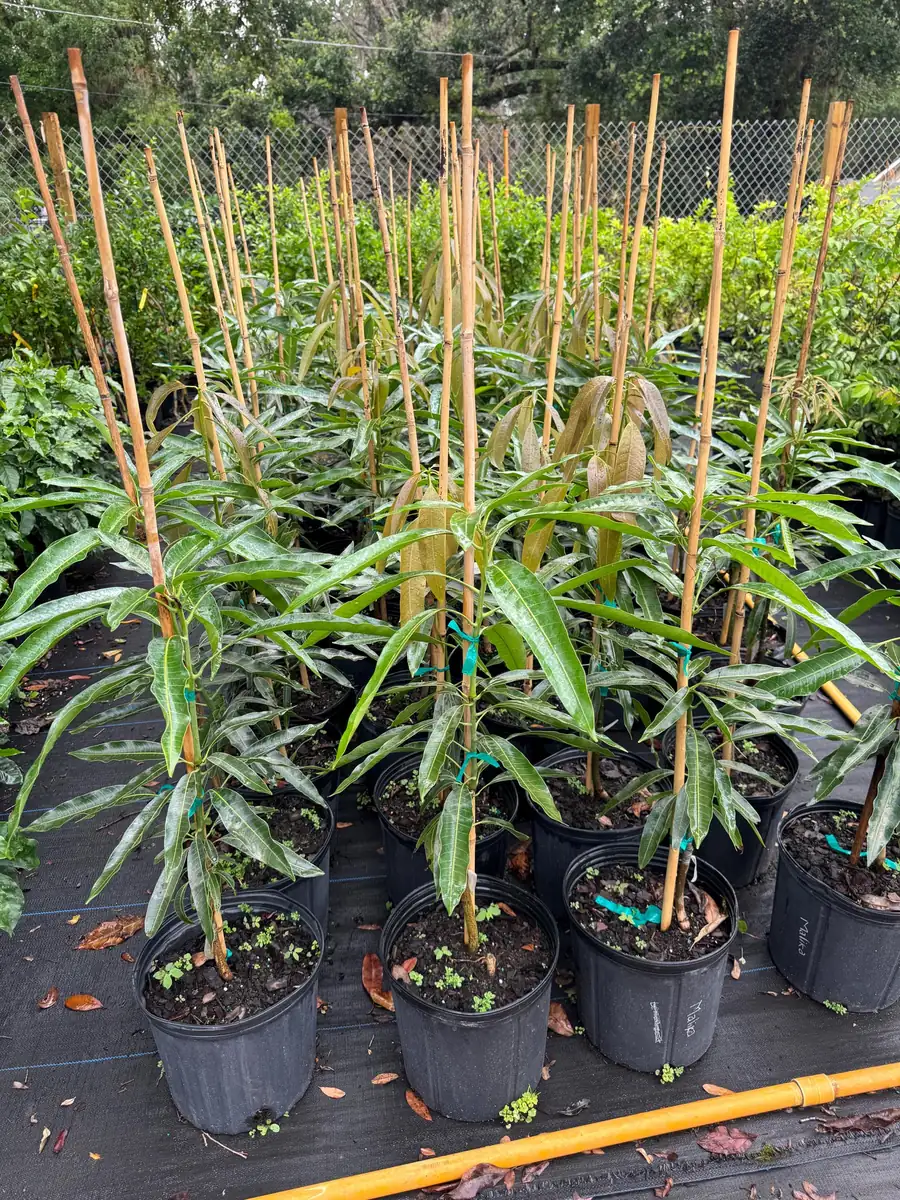
This offering is for a healthy mallika mango tree, standing approximately 2 feet tall from the base of the pot to the top of the foliage. It is a grafted specimen, cultivated in a durable 3-gallon nursery pot, providing ample space for initial root development. The grafting process ensures the tree will produce the exact Mallika mango variety and often leads to earlier fruit production compared to seed-grown trees. While currently 2 feet tall, a grafted mango plant of this variety can grow to a mature height of 10-20 feet if planted in the ground, though it can be kept smaller with regular pruning, making it an excellent tropical fruit tree for various garden sizes or even large containers. The growth rate is moderate, allowing for enjoyment of its development over time. This tree ships as a live, actively growing plant, ready for transplanting into a larger pot or directly into your garden, depending on your climate and growing preferences.
Frequently Asked Questions
- Q: How big does this plant get? A: This mallika mango tree is currently about 2 feet tall in a 3-gallon pot. When mature, it can reach 10-20 feet tall if planted in the ground, but its size can be managed with pruning, making it suitable as a dwarf mango tree in containers.
- Q: Is this an indoor or outdoor plant? A: The mallika mango tree is a tropical plant best grown outdoors in USDA Zones 9-11. In cooler climates, it can be grown in a container and brought indoors during winter to protect it from frost, functioning as a beautiful tropical fruit tree.
- Q: How much sunlight does it need? A: Your grafted mango plant requires at least 6-8 hours of direct sunlight per day to thrive and produce fruit. Choose a sunny location in your garden or a bright spot indoors.
- Q: Is this plant easy to care for? A: Mango trees require consistent care, including proper watering, fertilization, and sun exposure. While not difficult, they do need attention, especially in non-tropical climates. It’s a rewarding experience for those who enjoy nurturing a mallika mango tree.
- Q: What condition will it arrive in? A: Your tree will arrive as a live, healthy plant in its 3-gallon nursery pot, carefully packaged to minimize stress during transit. It will be ready for immediate planting or repotting.
- Q: How long until it blooms and fruits? A: As a grafted plant, your mallika mango tree can begin to flower and fruit within 2-4 years of planting, much faster than trees grown from seed.
- Q: Can I grow this 3 gallon mango tree in a large pot? A: Yes, the mallika mango tree is well-suited for container growing, especially in regions with cold winters. Ensure the pot is large enough (e.g., 20-30 gallons when mature) and has excellent drainage.
- Q: What type of soil is best for a mallika mango tree? A: Mango trees prefer well-draining, slightly acidic soil. A good quality potting mix amended with some sand or perlite works well for container-grown plants.
- Q: Will it survive winter in my zone? A: Mallika mango trees are sensitive to frost. If you live in a region with winters colder than USDA Zone 9, you must protect your tropical fruit tree by bringing it indoors or providing adequate winter protection.
- Q: What are the fruits like from this dwarf mango tree? A: The fruit of the mallika mango tree is highly prized for its sweet, rich, and aromatic flavor, with virtually no fiber. It’s considered one of the best tasting mango varieties.


Reviews
There are no reviews yet.