Overview
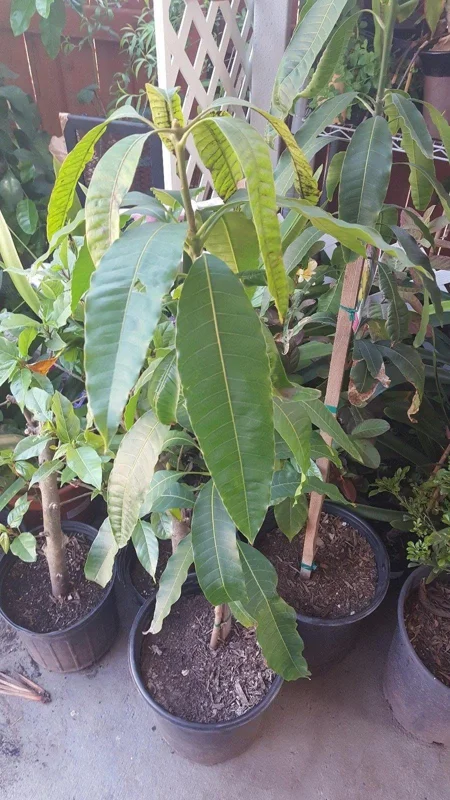
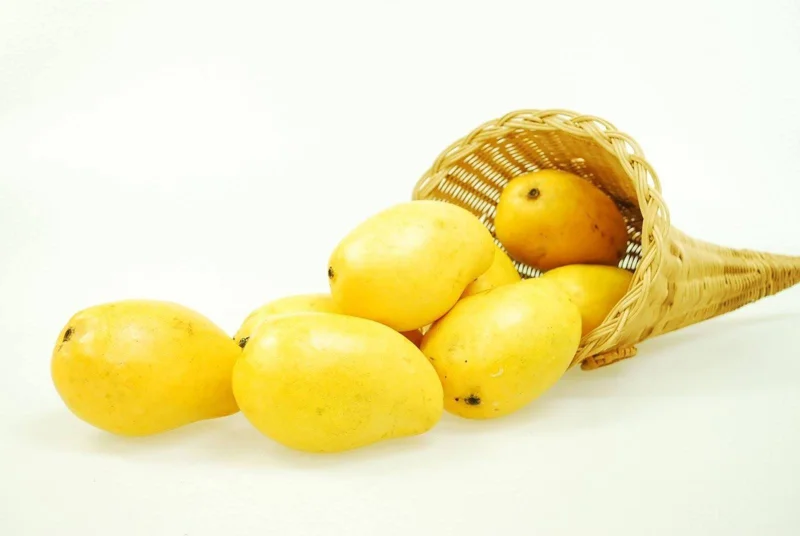
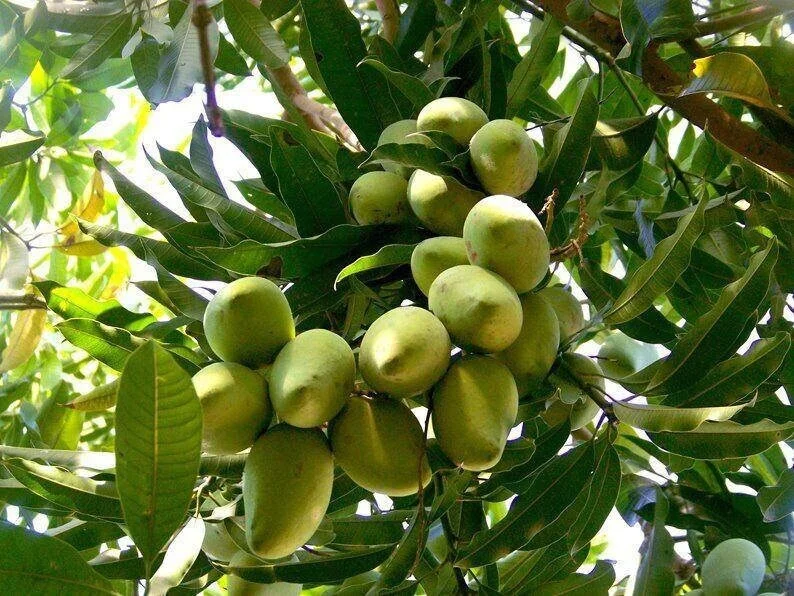
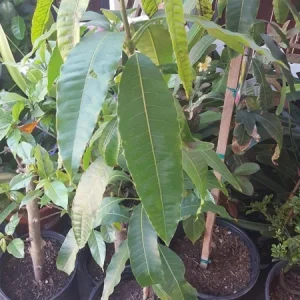
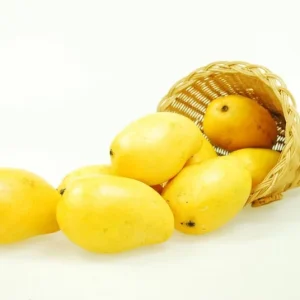
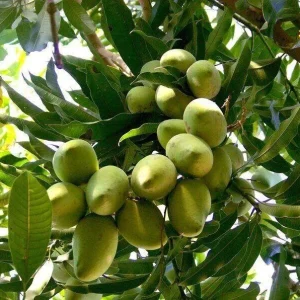
Cultivate your own tropical paradise with this exquisite Manila mango tree. Known for its early-season fruit production and delightful flavor, the Manila mango (Mangifera indica ‘Manila’) is a highly sought-after variety among fruit enthusiasts and home gardeners alike. This offering provides a robust, live plant, approximately 2 to 3 feet tall, carefully nurtured and shipped in a 3-gallon pot, ensuring it arrives healthy and ready for planting. The Manila mango is celebrated for its elongated, yellow-skinned fruit with minimal fiber and a sweet, aromatic flesh that is a true culinary delight. Ideal for those looking to grow their own delicious produce, this Manila mango tree promises a rewarding gardening experience.
The ‘Manila’ variety is particularly noted for its reliable fruiting and adaptability, making it a great choice for both experienced and novice growers. Its compact size when young allows for easy handling and establishment in your garden or a large container. With proper care, this tree will not only provide aesthetic appeal but also a bountiful harvest of succulent mangoes, perfect for fresh eating, smoothies, or desserts. Investing in a Manila mango plant care routine will lead to a thriving tree and abundant, flavorful fruit for years to come.
Key Benefits
Growing a Manila mango tree offers a multitude of benefits, from the joy of harvesting your own fruit to enhancing your garden’s biodiversity. This tropical fruit tree is a fantastic addition to any landscape, providing both beauty and sustenance.
- Delicious Fruit Production: Enjoy the sweet, fiber-free flesh of fresh Manila mangoes, ripe for the picking directly from your own tree. This early-season variety ensures you get to savor mangoes sooner.
- Ornamental Value: With its lush green foliage and potential for beautiful blooms, the Manila mango tree adds a vibrant, tropical aesthetic to your garden, patio, or sunroom.
- Health Benefits: Mangoes are rich in vitamins, minerals, and antioxidants, contributing to a healthy diet. Growing your own ensures organic, fresh produce.
- Container Growing Potential: For colder climates, this tree can be successfully grown in a large container, allowing you to move it indoors during winter, ensuring its survival and continued fruit production.
- Early Season Harvest: The ‘Manila’ variety flowers in January and February, providing an early harvest compared to many other mango types, extending your mango season.
- Gardening Satisfaction: There’s immense satisfaction in successfully growing Manila mango and enjoying the fruits of your labor, connecting you more deeply with nature.
- Unique Flavor Profile: The distinct, sweet, and tangy flavor of Manila mango fruit is highly prized and offers a unique taste experience not always found in store-bought varieties.
Plant Care & Growing Tips
Successful Manila mango plant care is crucial for a healthy tree and abundant fruit. This variety thrives in specific conditions, and understanding its needs will ensure your tree flourishes. Manila mangoes require a location with full sun exposure, meaning at least 6-8 hours of direct sunlight daily. In very hot climates, some afternoon shade can be beneficial to prevent leaf scorch, but generally, more sun equals more fruit. Plant your tree in a wind-sheltered area to protect its delicate blooms and young fruit from damage, especially if temperatures drop.
When it comes to watering, consistent moisture is key, especially for young trees and during fruiting periods. However, avoid waterlogging, as this can lead to root rot. The ideal soil for growing Manila mango is well-draining, slightly acidic to neutral (pH 6.0-7.0), and rich in organic matter. A good quality potting mix designed for fruit trees or a blend of garden soil, compost, and sand will work well. Fertilize your young tree every 2-4 weeks during the growing season with a balanced fertilizer, gradually reducing frequency as it matures. For mature trees, fertilize 3-4 times a year with a fertilizer formulated for fruit trees, ensuring it contains micronutrients like iron, zinc, and manganese.
The Manila mango is sensitive to cold. It should be protected from temperatures below 40 degrees Fahrenheit, as buds and blossoms can be damaged, significantly reducing the harvest. If you live in a USDA zone where winter temperatures frequently dip below this threshold, consider planting your tree in a large container. This allows you to move it into a warm, well-lit sunroom or greenhouse for the winter, ensuring its survival and continued productivity. Pruning should be done after harvest to maintain shape, remove dead or diseased branches, and encourage new growth for the next fruiting cycle. Watch out for common pests like scale insects and mealybugs, and treat promptly with horticultural oil or insecticidal soap. Proper care will ensure your tropical fruit tree yields delicious mangoes for many seasons.
Size & Details
This offering includes one robust Manila mango tree, standing approximately 2 to 3 feet tall from the soil line to the top of the plant. It is carefully rooted and shipped in a 3-gallon nursery pot, providing a strong start for its new home. The 3-gallon pot size ensures the root system is well-established and can easily transition to a larger container or directly into the ground. When mature, a Manila mango tree can reach heights of 15-20 feet if planted in the ground, though it can be kept smaller with regular pruning, especially when grown in a container. The growth rate is moderate, allowing you to enjoy fruit within a few years of planting with optimal care. Expect the tree to begin flowering in late winter to early spring, with fruit ripening in late spring to early summer, depending on your specific climate and growing conditions. This particular variety is known for its consistent production of the beloved Manila mango fruit.
Frequently Asked Questions
- Q: How big will this Manila mango tree get? A: If planted in the ground, a Manila mango tree can reach 15-20 feet tall. When grown in a large container, its size can be managed with regular pruning to keep it more compact, typically around 6-10 feet.
- Q: Is this an indoor or outdoor plant? A: The Manila mango tree is primarily an outdoor plant in USDA zones 9-11. In colder climates, it can be grown outdoors during warm months and brought indoors to a well-lit area, such as a sunroom or greenhouse, for winter protection. This is crucial for successful tropical fruit tree cultivation.
- Q: How much sunlight does a Manila mango tree need? A: A Manila mango tree requires at least 6-8 hours of direct sunlight per day to thrive and produce fruit. Plant it in a location that receives full sun, or provide supplemental grow lights if growing indoors.
- Q: What condition will the plant arrive in? A: Your Manila mango tree will arrive as a live plant, approximately 2 to 3 feet tall, securely packaged in its 3-gallon nursery pot with good roots. We take great care to ensure it reaches you in excellent condition, ready for planting.
- Q: How long until this tree produces fruit? A: With proper Manila mango plant care, you can expect your tree to start producing fruit within 2-4 years of planting. The ‘Manila’ variety is known for being a relatively early and consistent producer.
- Q: What is the best soil for growing Manila mango? A: The best soil for growing Manila mango is well-draining, rich in organic matter, and slightly acidic to neutral (pH 6.0-7.0). A good quality citrus or fruit tree potting mix is ideal for containers.
- Q: Will it survive winter in my zone? A: The Manila mango tree is a tropical plant and is not cold-hardy. It requires protection from temperatures below 40°F. If you are in a colder climate (below USDA Zone 9), it must be grown in a container and moved indoors during winter.
- Q: Can I keep this tree pruned to a smaller size? A: Yes, regular pruning after harvest can help maintain a smaller, more manageable size for your Manila mango tree, especially beneficial for container growing.
- Q: What does the Manila mango fruit taste like? A: The Manila mango fruit is highly prized for its sweet, rich, and aromatic flavor with very little fiber, making it excellent for fresh consumption.
- Q: Is this tree suitable for beginners? A: While mangoes have specific care requirements, the ‘Manila’ variety is considered relatively robust. With attention to sunlight, watering, and cold protection, beginners can successfully enjoy growing Manila mango.


Reviews
There are no reviews yet.