Overview
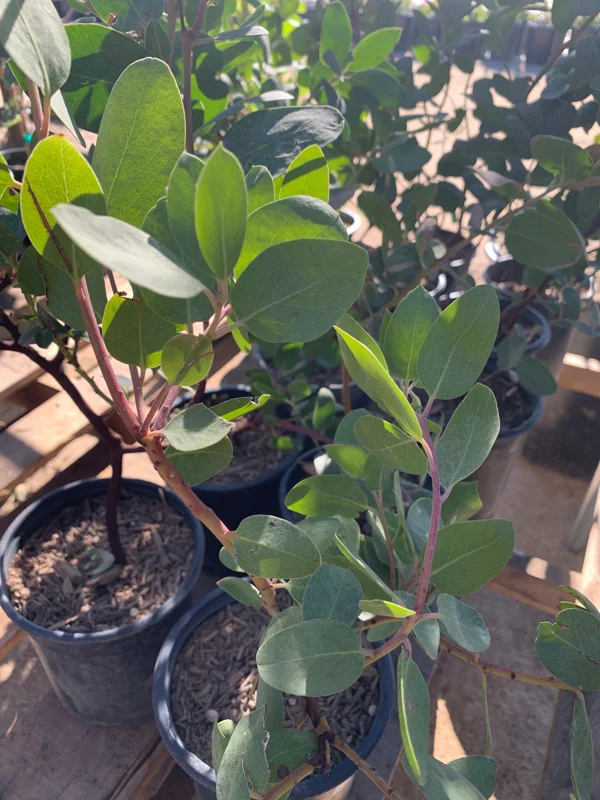
Introduce a touch of natural elegance to your garden with the Manzanita Dr. Hurd live plant. This robust and beautiful evergreen shrub, scientifically known as Arctostaphylos ‘Dr. Hurd’, is celebrated for its distinctive features. Originating from California, this Manzanita variety is highly valued for its striking, smooth, reddish-brown bark that peels to reveal lighter tones, creating year-round visual interest. The ‘Dr. Hurd’ cultivar is particularly known for its upright, vase-like growth habit and attractive, leathery green leaves. As a live plant, it arrives ready to thrive in your outdoor space, offering an immediate impact on your landscape. It’s an excellent choice for gardeners seeking a resilient and aesthetically pleasing shrub that requires minimal care once established. The Manzanita Dr. Hurd live plant is not only beautiful but also a fantastic choice for supporting local ecosystems, attracting beneficial pollinators and wildlife.
The Arctostaphylos Dr. Hurd is a medium to large-sized Manzanita, making it suitable for various garden applications, from specimen planting to use in hedges or screens. Its natural resistance to drought and pests makes it a sustainable option for water-wise gardening. This particular offering is a healthy, growing plant, approximately 1-2 feet tall and shipped in a 1-gallon pot, providing a strong foundation for successful transplanting and growth. Its adaptability to different soil types, as long as they are well-draining, further enhances its appeal. Whether you’re a seasoned gardener or just starting, this Manzanita Dr. Hurd live plant offers a rewarding and beautiful addition to your outdoor environment.
Key Benefits
The Manzanita Dr. Hurd live plant offers a multitude of benefits, combining aesthetic appeal with ecological advantages and ease of care. Its unique characteristics make it a standout choice for many landscapes.
- Exceptional Ornamental Value: The most striking feature of the ‘Dr. Hurd’ Manzanita is its smooth, mahogany-red bark that exfoliates in thin layers, revealing a lighter, polished under-bark. This provides incredible textural and color interest throughout the year, especially in winter.
- Drought-Tolerant & Water-Wise: Once established, this drought-tolerant Manzanita requires very little water, making it an ideal choice for xeriscaping and gardens in arid or low-water regions. It significantly reduces the need for supplemental irrigation.
- Evergreen Foliage: Enjoy year-round greenery with its attractive, ovate, leathery green leaves. The evergreen nature ensures your garden maintains structure and color even during colder months.
- Attracts Wildlife: The small, urn-shaped white to pink flowers that appear in late winter to early spring are a magnet for hummingbirds and bees. The berries that follow are a food source for various bird species.
- Low Maintenance: This shrub is remarkably low-maintenance, requiring minimal pruning (mostly for shaping or removing dead branches) and being naturally resistant to most pests and diseases. It thrives on neglect, making it perfect for busy gardeners.
- Adaptable to Various Soils: While it prefers well-draining soil, the Arctostaphylos Dr. Hurd is quite adaptable to different soil types, including clay, loam, and sand, as long as drainage is adequate.
- Fire-Resistant Qualities: Manzanitas, including ‘Dr. Hurd’, are often considered more fire-resistant than many other plants, especially when properly maintained and irrigated, making them a wise choice for fire-prone areas.
Plant Care & Growing Tips
Caring for your Manzanita Dr. Hurd live plant is relatively straightforward, especially once it’s established. Understanding its specific needs will ensure it thrives and becomes a magnificent feature in your garden. This evergreen shrub is generally hardy and resilient, making it a great addition for those seeking a low-effort, high-reward plant.
Sunlight Requirements: The evergreen Manzanita shrub flourishes in full sun to partial shade. For optimal growth and flowering, aim for at least 6 hours of direct sunlight per day. In hotter inland climates, some afternoon shade can be beneficial to prevent leaf scorch. Ensure good air circulation around the plant. Watering Schedule: When first planted, water regularly to establish the root system – typically 2-3 times per week for the first few months. Once established, the ‘Dr. Hurd’ Manzanita is highly drought-tolerant and requires very little supplemental water, especially in regions with winter rainfall. Overwatering is a common cause of failure for Manzanitas, so allow the soil to dry out completely between waterings. Soil Type and Drainage: This plant prefers well-draining soil. It can tolerate a range of soil types, including sandy, loamy, and even clay soils, provided there is excellent drainage. Avoid heavy, compacted soils that retain too much moisture, as this can lead to root rot. Amending heavy soils with organic matter or planting on a slight mound can improve drainage. Temperature Range and USDA Hardiness Zone: The Dr. Hurd Manzanita care requirements include knowing its hardiness. It is well-suited for USDA Hardiness Zones 8-10, tolerating temperatures down to about 10-20°F (-12 to -7°C). It thrives in Mediterranean climates with dry summers and wet winters. Fertilization: Manzanitas generally do not require much fertilization. In fact, too much fertilizer, especially high-phosphorus varieties, can be detrimental. If your soil is very poor, a light application of a balanced, slow-release native plant fertilizer in early spring can be applied, but often it’s not necessary. Pruning: Minimal pruning is needed. Prune in late spring or early summer after flowering to remove dead or damaged branches, or to shape the plant. Avoid heavy pruning, which can stress the plant. Always use clean, sharp tools. Common Problems and Solutions: Manzanitas are relatively pest and disease-free. The most common issues arise from overwatering, leading to root rot. Ensure proper drainage and avoid excessive irrigation. Powdery mildew can sometimes occur in humid conditions; improve air circulation if seen.
Size & Details
This offering is for a vibrant Manzanita Dr. Hurd live plant, carefully grown to ensure a strong start in your garden. The plant typically ships at an impressive height of 1 to 2 feet tall, providing a substantial specimen for immediate impact in your landscape design. It arrives securely planted in a 1-gallon nursery pot, complete with its own rich soil, which ensures minimal transplant shock and allows for easy handling and planting upon arrival. The ‘Dr. Hurd’ Manzanita is known for its moderate to fast growth rate, eventually reaching a mature height of 10-15 feet and a spread of 8-12 feet, forming an elegant, upright, and somewhat open shrub. Its ultimate size makes it suitable for use as a focal point, screening plant, or a large background shrub in native plant gardens or mixed borders. Expect this plant to establish well and begin vigorous growth once settled into its new environment, with its distinctive bark and evergreen foliage providing year-round beauty.
Frequently Asked Questions
- Q: How big does this plant get? A: The Manzanita Dr. Hurd live plant typically grows to a mature height of 10-15 feet and can spread 8-12 feet wide, forming an upright, vase-shaped evergreen shrub. Its size makes it a striking addition to larger garden spaces.
- Q: What size pot does it come in? A: This particular plant is shipped in a 1-gallon nursery pot, which provides a healthy root system and makes it easy to transplant directly into your garden.
- Q: Is this an indoor or outdoor plant? A: The Arctostaphylos Dr. Hurd is an outdoor plant, best suited for Mediterranean climates and drought-tolerant landscapes. It is not recommended for indoor cultivation.
- Q: How much sunlight does it need? A: This Manzanita thrives in full sun, requiring at least 6 hours of direct sunlight daily for optimal growth and flowering. It can tolerate partial shade, especially in hotter climates.
- Q: Is this plant easy to care for? A: Yes, once established, the ‘Dr. Hurd’ Manzanita is very low-maintenance. It is highly drought-tolerant and generally resistant to pests and diseases, making it an excellent choice for beginner gardeners or those seeking an easy-care landscape.
- Q: What condition will it arrive in? A: Your Manzanita Dr. Hurd live plant will arrive as a healthy, actively growing plant, approximately 1-2 feet tall, securely packaged in its 1-gallon pot with soil, ready for planting.
- Q: Is it shipped in soil? A: Yes, the plant is shipped in its original 1-gallon nursery pot with soil, ensuring its roots remain undisturbed and hydrated during transit.
- Q: When is the best time to plant? A: The best time to plant Manzanitas is typically in the fall or early spring, allowing the plant to establish its roots before the stress of summer heat or winter cold.
- Q: Will it survive winter in my zone? A: The ‘Dr. Hurd’ Manzanita is hardy in USDA Zones 8-10, meaning it can tolerate winter temperatures down to about 10-20°F (-12 to -7°C). For zones outside this range, winter protection might be needed.
- Q: What kind of soil does it prefer? A: This plant prefers well-draining soil. It can adapt to various soil types, including sandy, loamy, or clay, as long as drainage is excellent to prevent root rot.


Reviews
There are no reviews yet.