Overview
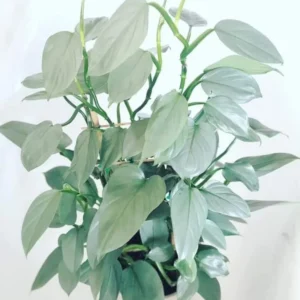
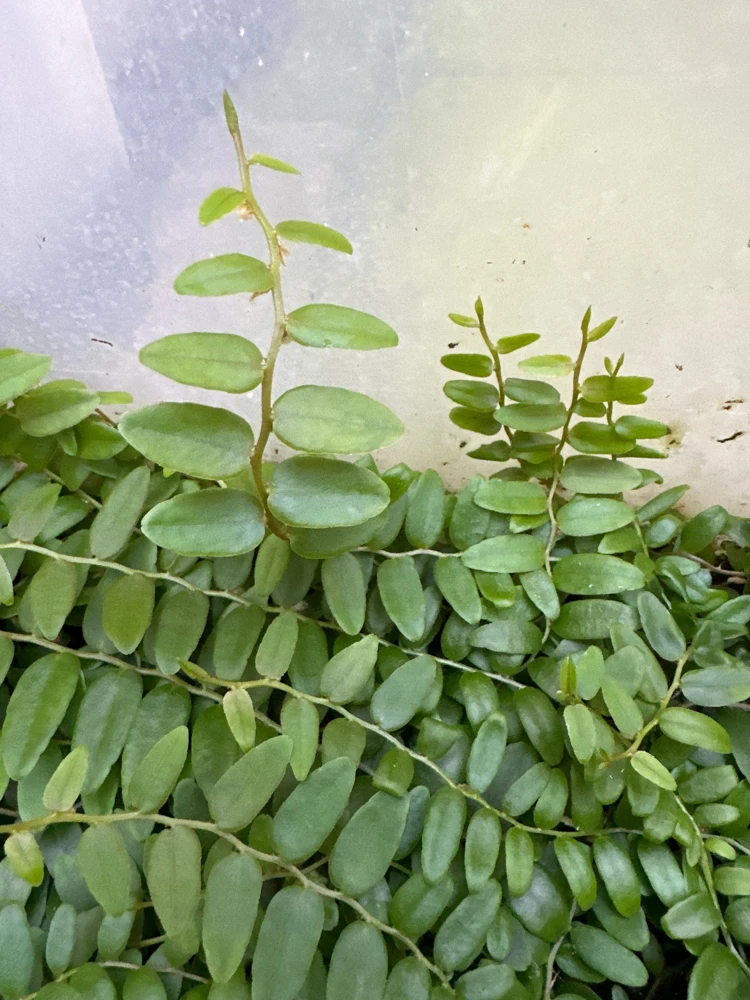
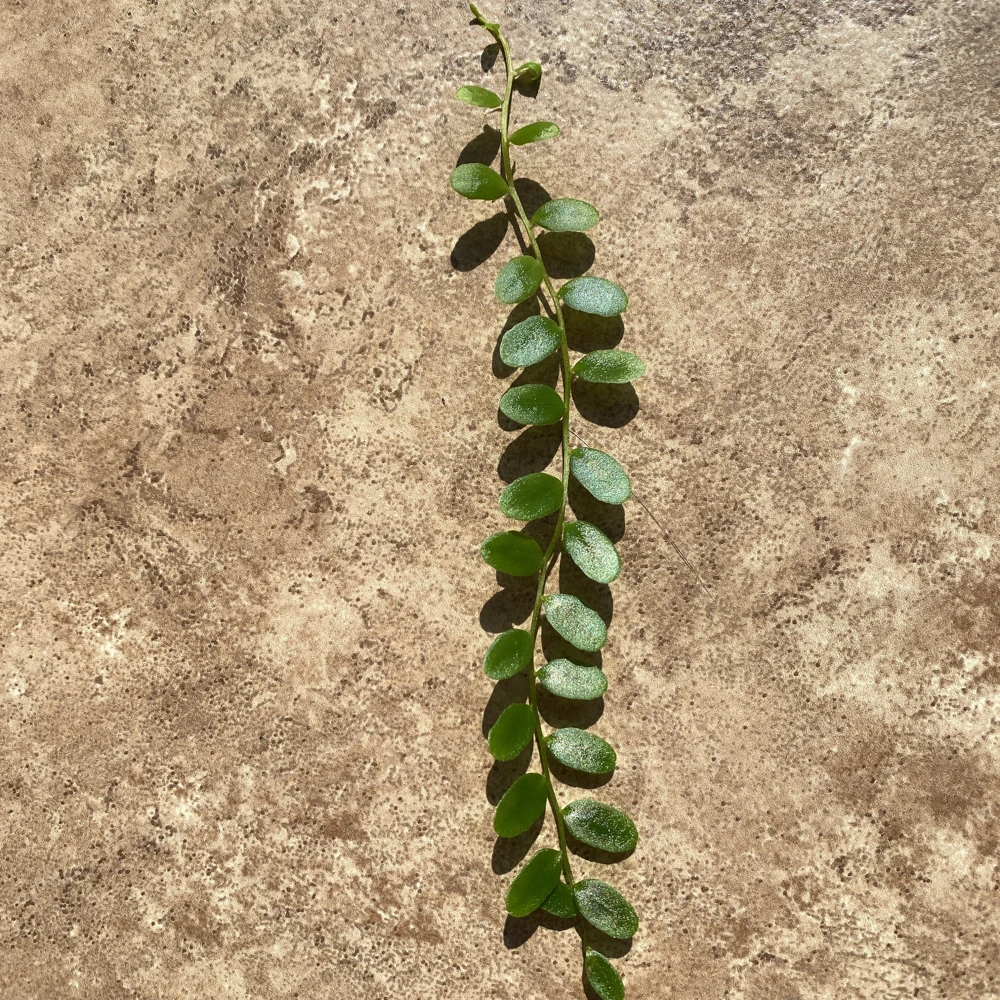
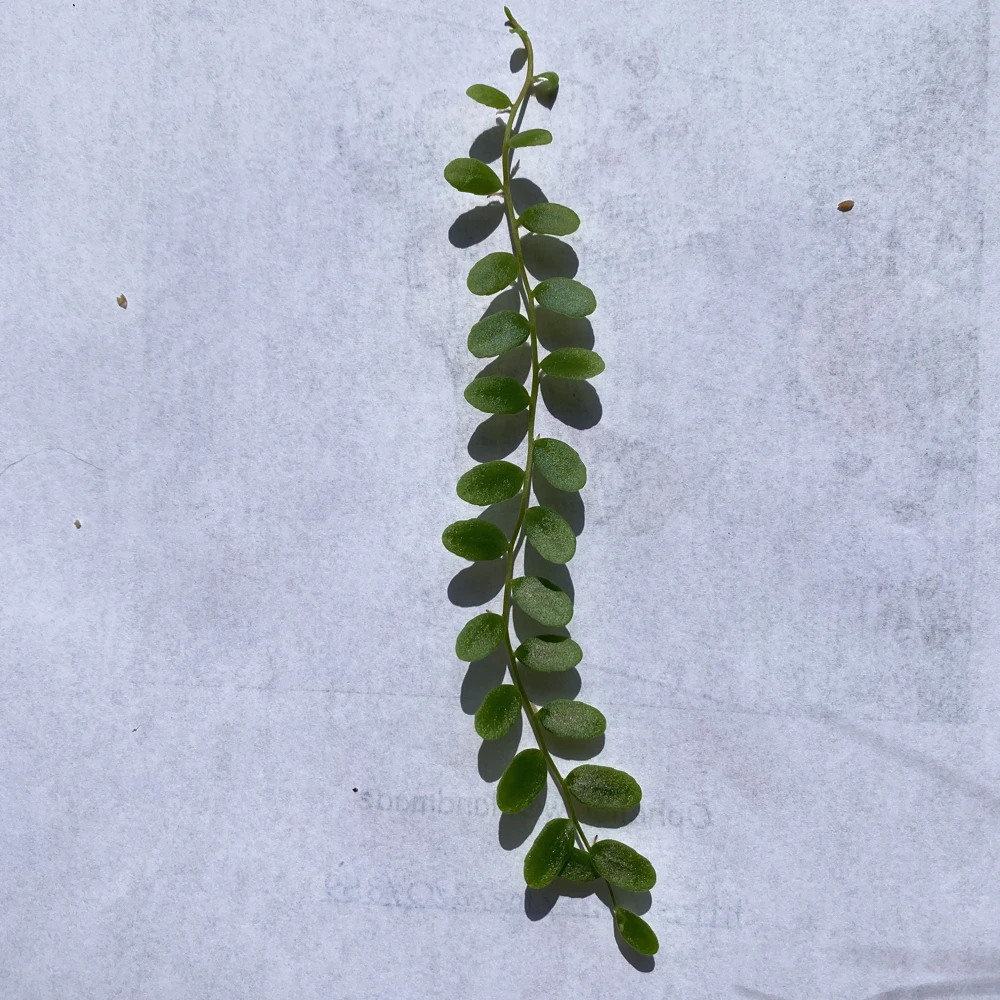
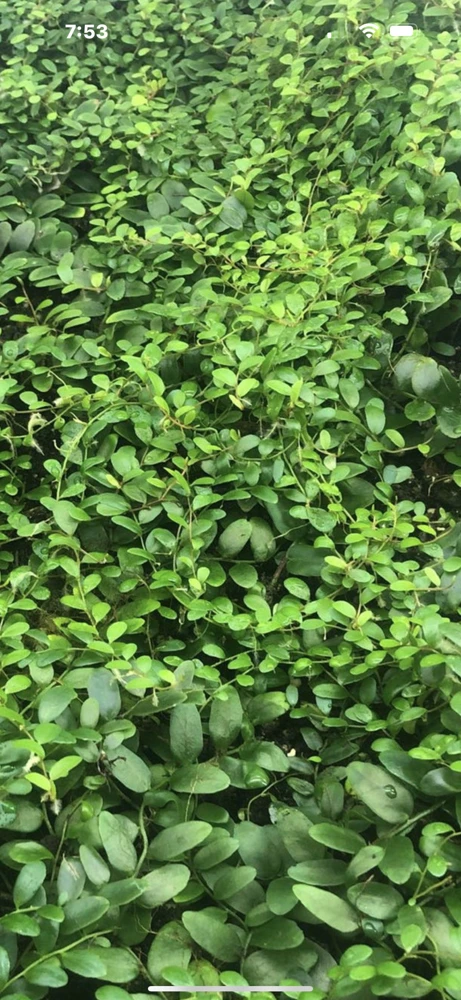
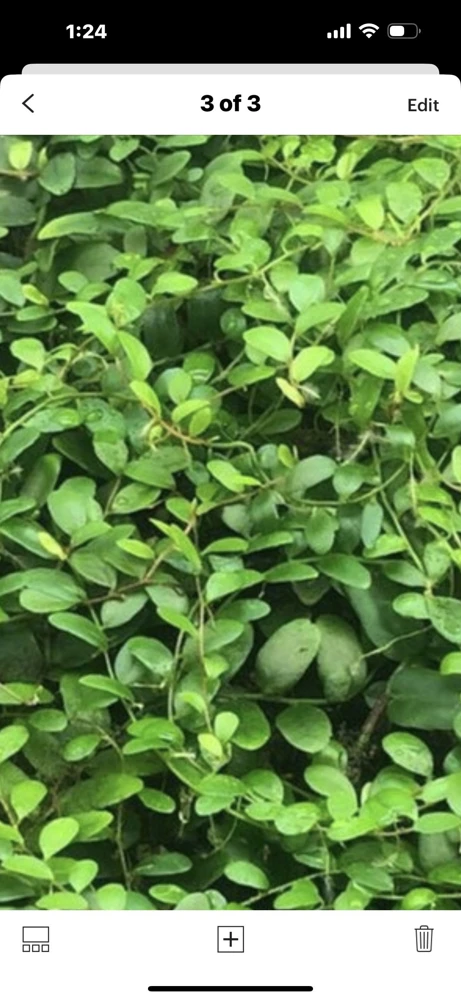
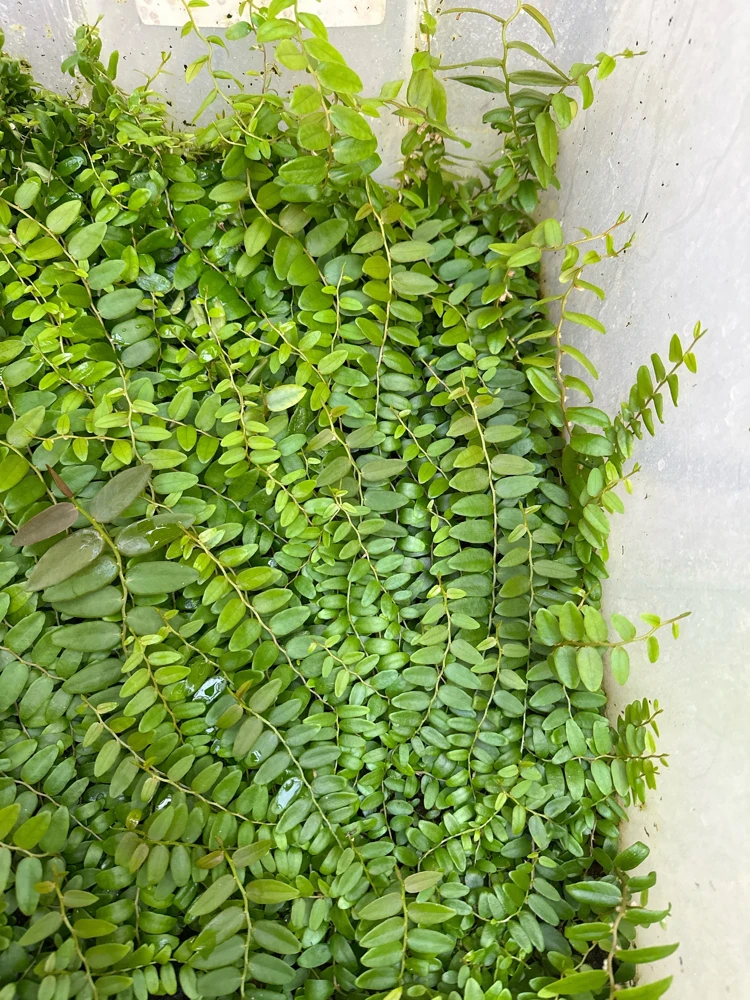
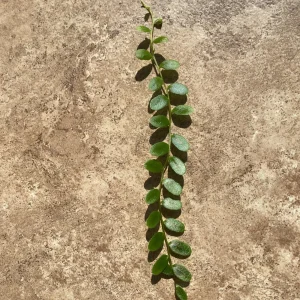
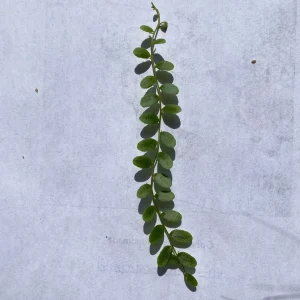
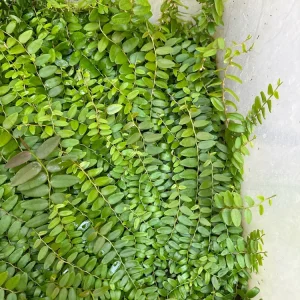
Introduce an extraordinary element to your indoor plant collection with a Marcgravia shingling vine cutting. This fascinating rare tropical plant, native to the Lesser Antilles in the Caribbean, is renowned for its distinctive shingling growth pattern, where its leaves lie flat against surfaces as it climbs. Often sought after by collectors, the Marcgravia shingling vine cutting offers a unique aesthetic whether displayed in a terrarium or allowed to climb a decorative support in your home. Each cutting provided will feature at least 10-20 leaves, giving you a strong start to growing this captivating species. Known for its warm growing preferences and medium moisture needs, this plant is a rewarding addition for both novice and experienced plant enthusiasts looking for a truly special specimen. The Marcgravia genus is celebrated for its unusual growth, creating a living tapestry as it matures. This cutting provides a wonderful opportunity to observe and nurture this natural wonder firsthand. Its adaptable nature means it can thrive in various indoor environments, bringing a touch of the rainforest to your living space. Embrace the joy of cultivating this exquisite plant, watching it transform and add character to any room or enclosed environment as a beautiful shingling plant.
Key Benefits
Adding a Marcgravia shingling vine cutting to your home offers numerous advantages beyond its striking appearance. This rare tropical plant is a true conversation starter and a delight for plant lovers.
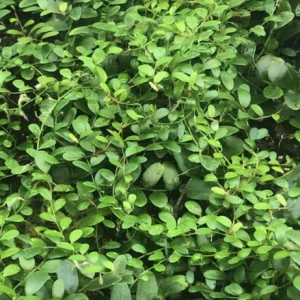
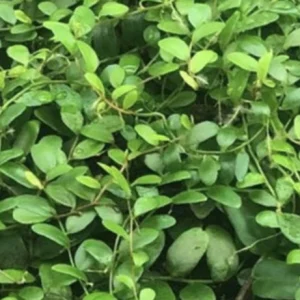
- Unique Aesthetic Appeal: The primary benefit of the Marcgravia shingling vine cutting is its captivating shingling growth pattern. Its small, tightly packed leaves create a mosaic-like effect as they adhere to surfaces, providing unparalleled visual interest that stands out from typical houseplants. This unique characteristic makes it a highly sought-after shingling plant for collectors.
- Terrarium & Paludarium Perfect: Due to its climbing and compact growth habit, this plant is an ideal candidate for enclosed environments like terrariums and paludariums, where it can truly showcase its shingling nature in a humid, controlled setting. It’s an excellent choice for a terrarium plant, thriving in the consistent humidity.
- Relatively Low Maintenance: Once established, Marcgravia care is straightforward, requiring consistent warmth and medium moisture, making it suitable for those who appreciate easy-to-manage exotic plants. Its resilience contributes to its appeal.
- Air Purification: Like many houseplants, the Marcgravia contributes to better indoor air quality, helping to filter out common pollutants and creating a fresher living environment. This natural benefit enhances your home’s atmosphere.
- Exotic Collector’s Item: For plant enthusiasts, acquiring a Marcgravia shingling vine cutting represents a valuable addition to a collection of rare and unusual plants, offering the satisfaction of growing something truly special. It’s a conversation piece that elevates any plant collection.
- Versatile Indoor Display: While excellent for terrariums, this vine can also be grown on a moss pole or other climbing structures, adapting its unique growth to various indoor decorative schemes. Its versatility allows for creative display options.
Plant Care & Growing Tips
Proper Marcgravia care is crucial for the successful establishment and growth of your Marcgravia shingling vine cutting. This tropical plant thrives in conditions that mimic its native Lesser Antilles environment, focusing on warmth, humidity, and consistent moisture. Understanding its specific needs will ensure your new shingling plant flourishes.
Light Requirements
The Marcgravia shingling vine cutting prefers bright, indirect light. Avoid direct, harsh sunlight, which can scorch its delicate leaves. An east-facing window or a spot a few feet away from a south or west-facing window is ideal. If natural light is insufficient, a grow light can provide the necessary intensity. Consistent light helps maintain its vibrant foliage and encourages healthy shingling.
Watering & Humidity
Keep the soil consistently moist but never waterlogged. Allow the top inch of soil to dry out slightly between waterings. Overwatering can lead to root rot, so good drainage is essential. This tropical plant also thrives in high humidity, ideally 60% or higher. You can achieve this by misting regularly, placing the plant near a humidifier, or growing it in a closed terrarium environment. Adequate humidity is key for successful Marcgravia care.
Soil & Fertilization
A well-draining, airy potting mix is best for your Marcgravia shingling vine cutting. A mix designed for aroids or orchids, often containing bark, perlite, and peat, works well. Fertilize sparingly during the growing season (spring and summer) with a balanced liquid fertilizer diluted to half strength. Reduce or cease fertilization during the dormant winter months. Healthy soil and proper nutrients support vigorous growth of this terrarium plant.
Temperature & Environment
Marcgravia prefers warm temperatures, ideally between 65-80°F (18-27°C). Avoid temperatures below 60°F (15°C), as this can stress the plant. This rare tropical plant is not frost-tolerant and should always be kept indoors in temperate climates. Provide a stable environment away from drafts or sudden temperature fluctuations for optimal health and growth. The plant will show its best shingling behavior with consistent warmth and humidity.
Size & Details
Each Marcgravia shingling vine cutting is carefully prepared to ensure a strong start for your plant. You will receive a healthy cutting featuring at least 10-20 leaves, providing ample opportunity for rooting and growth. The vine is designed to adhere and climb, with its leaves flattening against surfaces as it matures. While initial growth may be slow as it establishes roots, once settled, it can exhibit moderate growth, extending its beautiful shingling pattern. This plant is typically grown as an indoor specimen, perfect for terrariums, vivariums, or trained to climb on a moss pole or piece of driftwood, showcasing its unique aesthetic. It remains a relatively compact plant, making it suitable for various indoor spaces without becoming overly large.
Frequently Asked Questions
- Q: How big does a Marcgravia shingling vine cutting get? A: While a Marcgravia shingling vine cutting starts small, once established, its vines can grow several feet long, especially when given a surface to climb. The leaves themselves remain relatively small, contributing to its mosaic-like appearance.
- Q: Is this an indoor or outdoor plant? A: This is primarily an indoor plant, especially outside of tropical climates. It thrives in controlled indoor environments like terrariums where humidity and temperature can be maintained, making it an excellent terrarium plant.
- Q: How much sunlight does the Marcgravia need? A: The Marcgravia shingling vine cutting prefers bright, indirect light. Direct sun can burn its leaves. An east-facing window or a spot with filtered light is usually ideal for optimal Marcgravia care.
- Q: Is this plant easy to care for? A: While it has specific requirements for humidity and consistent moisture, once these are met, the Marcgravia shingling vine cutting is considered relatively low-maintenance for an exotic plant. It’s rewarding for both beginners and experienced collectors.
- Q: What condition will the cutting arrive in? A: Your Marcgravia shingling vine cutting will arrive fresh and carefully packaged, featuring at least 10-20 healthy leaves, ready for propagation. We take great care to ensure it reaches you in the best possible condition.
- Q: Can I grow this Marcgravia without a terrarium? A: Yes, you can grow this shingling plant outside a terrarium, but you will need to provide high humidity through regular misting or a humidifier. It will also need a surface like a moss pole or cork bark to climb and shingle effectively.
- Q: Is this a rare tropical plant? A: Yes, the Marcgravia genus, and specifically the shingling vine varieties, are considered rare tropical plant collector’s items due to their unique growth habit and specific environmental needs.


Reviews
There are no reviews yet.