Overview
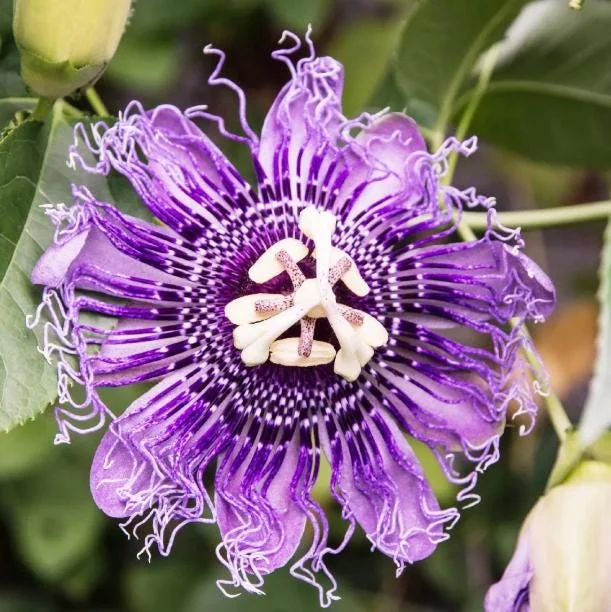
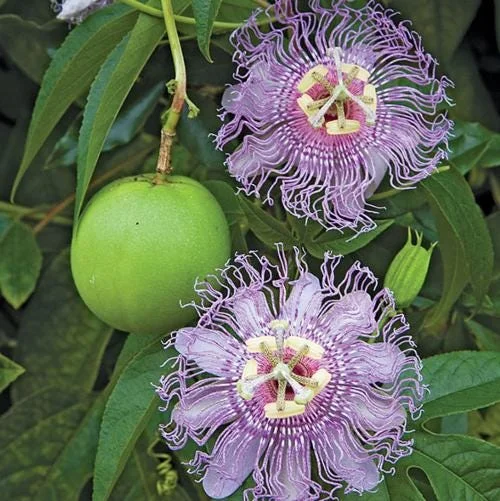
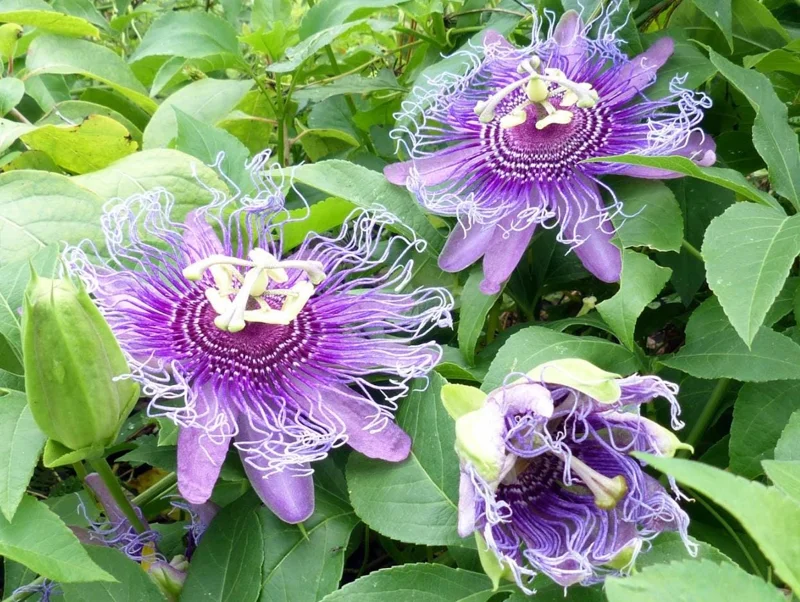
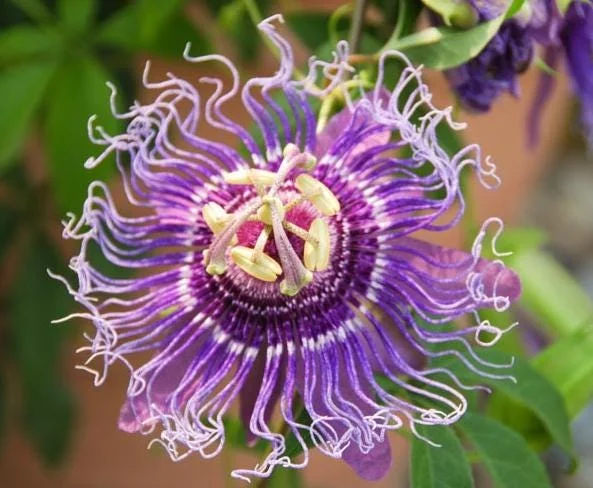
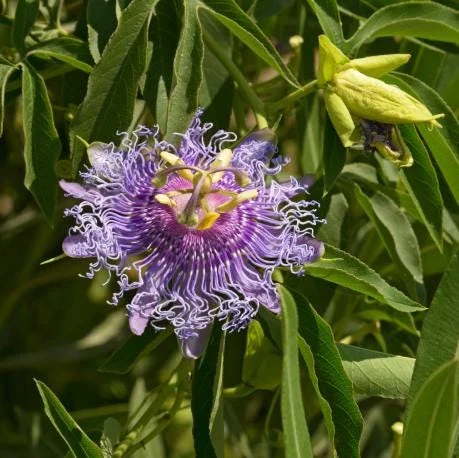
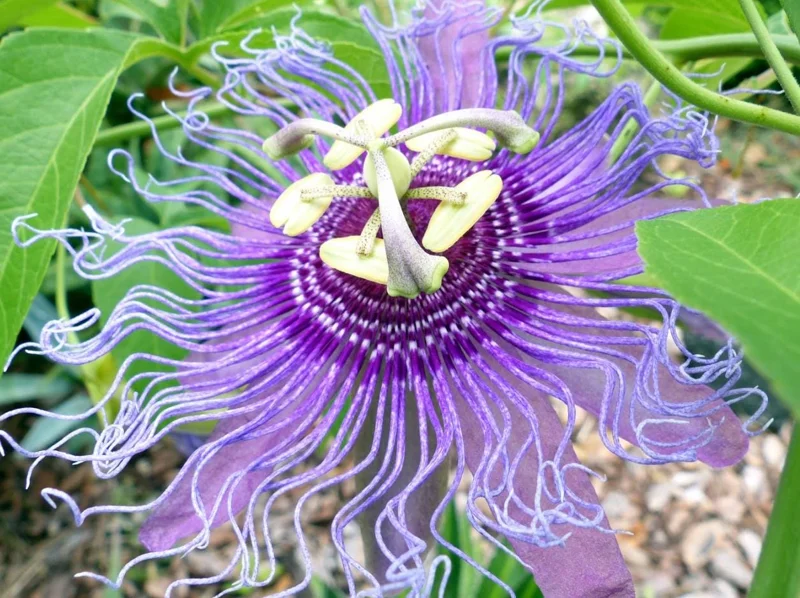
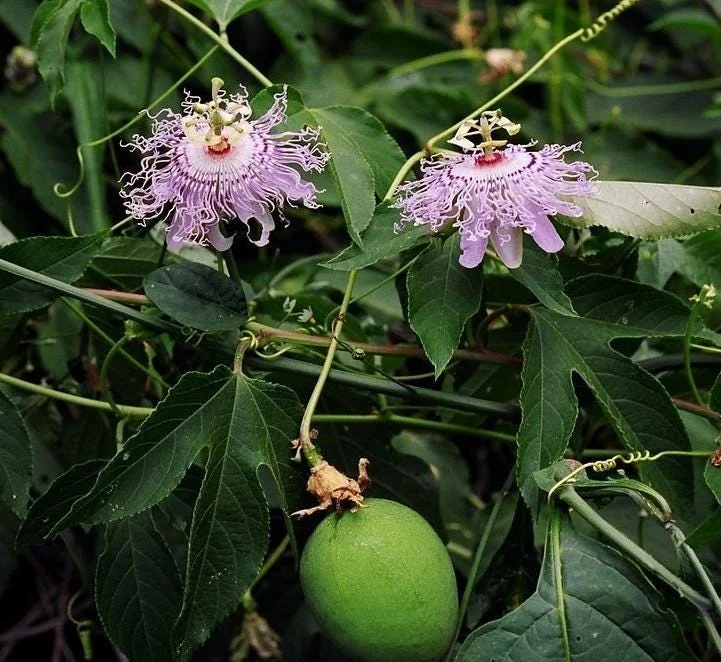
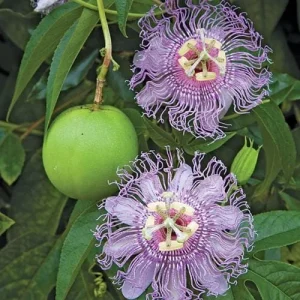
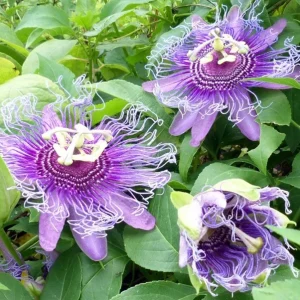
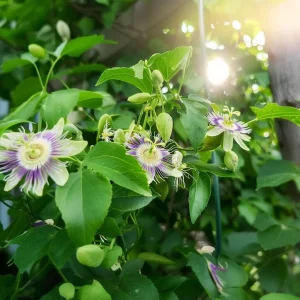
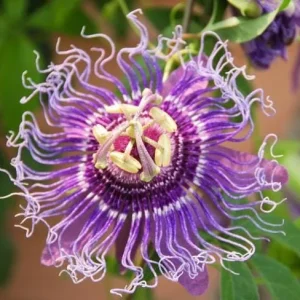
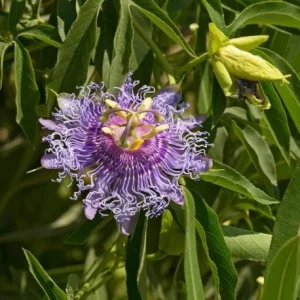
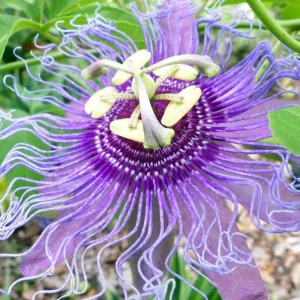
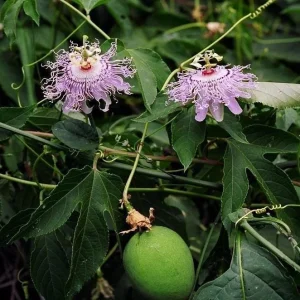
Introduce a touch of the tropics to your outdoor space with the captivating maypop passionflower live plant. Known botanically as Passiflora incarnata, this vigorous climbing vine is celebrated for its truly unique and showy purple and white flowers. Each bloom features an intricate fringed corona, creating an exotic display that will be a focal point in any garden. Beyond its ornamental appeal, the maypop passionflower live plant also yields delicious, egg-shaped fruits commonly referred to as ‘maypops.’ These fruits offer a delightful sweet-tart tropical flavor, making this plant both a visual and culinary delight. Perfect for planting along fences, arbors, or trellises, this resilient vine transforms ordinary garden structures into lush, vibrant showcases.
Our maypop passionflower live plant arrives ready for planting, typically measuring 4 to 6 inches in height, ensuring a strong start in your garden. This hardy plant is well-suited for a variety of climates, thriving in USDA Zones 5 to 9. Whether you’re an experienced gardener or just starting out, the Maypop offers a rewarding growing experience with its stunning aesthetics and edible bounty. Discover the joy of cultivating this remarkable vine and enjoy its beauty from summer through fall.
Key Benefits
The maypop passionflower live plant offers a multitude of benefits, making it an excellent addition to any garden. Its striking appearance and practical yields provide both aesthetic pleasure and edible rewards.
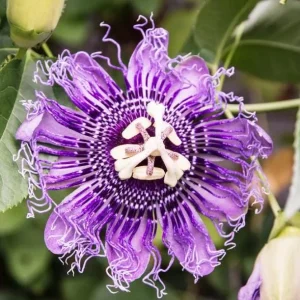
- Exotic Floral Display: Enjoy the breathtaking beauty of unique purple and white flowers with intricate, fringed coronas that bloom profusely from summer to fall. These showy blossoms attract pollinators and create a vibrant garden spectacle.
- Delicious Edible Fruits: Harvest sweet-tart, egg-shaped fruits, known as maypops, which can be enjoyed fresh or used in various culinary creations like jams and jellies. This provides a rewarding harvest from your garden.
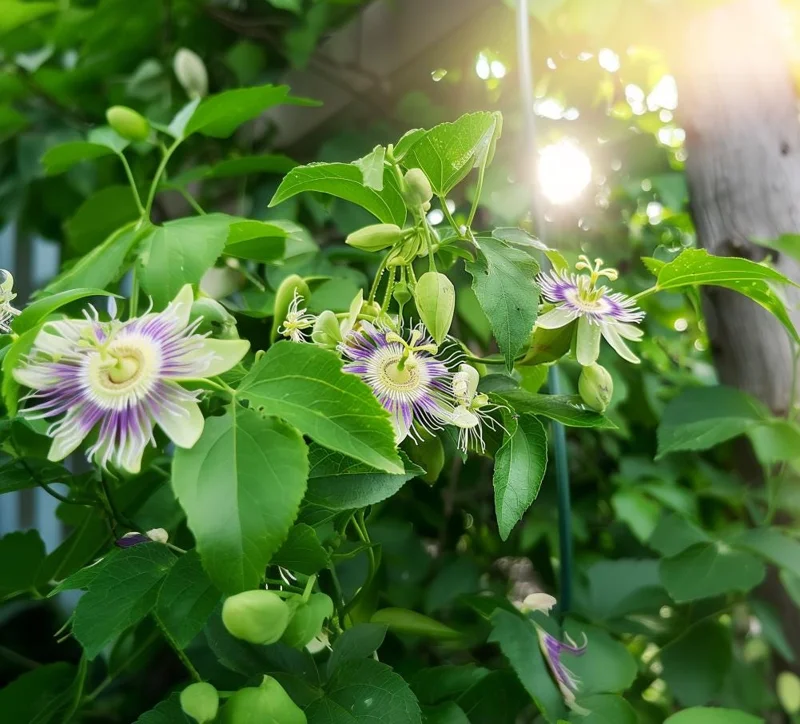
- Vigorous Climbing Habit: As a strong climber, the maypop passionflower live plant is perfect for covering fences, trellises, arbors, or pergolas, quickly adding lush greenery and vibrant flowers to vertical spaces.
- Attracts Pollinators: The vibrant flowers are a magnet for bees, butterflies, and other beneficial pollinators, contributing to the health and biodiversity of your garden ecosystem.
- Hardy and Resilient: Thriving in USDA Zones 5 to 9, this plant is remarkably tough and adaptable, capable of withstanding a range of environmental conditions once established.
- Low Maintenance: Once established, the Maypop requires moderate care, making it suitable for gardeners looking for an impactful plant without excessive demands.
- Natural Privacy Screen: Its dense foliage and fast growth can create a beautiful and natural privacy screen or shaded area in your outdoor living space.
Plant Care & Growing Tips
Successful cultivation of your maypop passionflower live plant hinges on providing the right conditions. This resilient vine is relatively easy to care for, making it a great choice for various gardening skill levels. For optimal growth and prolific flowering, ensure it receives adequate sunlight. The Maypop thrives in full sun to partial shade, meaning at least 6 hours of direct sunlight per day for best results. In hotter climates, some afternoon shade can protect it from intense heat. Knowing the best practices for passiflora incarnata care will ensure your plant flourishes.
When it comes to soil, the maypop passionflower live plant prefers well-drained, sandy or loamy soil. Good drainage is crucial to prevent root rot. While adaptable, amending heavy clay soils with organic matter can improve texture and drainage. Moderate watering is recommended; keep the soil evenly moist but never soggy. Allow the top inch or two of soil to dry slightly between waterings. During dry spells or peak growing season, more frequent watering may be necessary. Fertilize sparingly; a balanced, slow-release fertilizer in spring can encourage robust growth and flowering. Understanding growing maypop vines involves attention to their climbing nature. Provide a sturdy support structure like a trellis, fence, or arbor early on to guide its growth.
This plant is hardy in USDA Zones 5 to 9, tolerating temperatures between 65°F and 85°F. In colder zones, the plant may die back to the ground in winter but will typically regrow from the roots in spring. Pruning can be done in late winter or early spring to manage its size, encourage bushier growth, and remove any dead or weak stems. Watch out for common garden pests like aphids or spider mites, though the Maypop is generally quite resilient. A strong, healthy plant is less susceptible to pest issues. With these simple care tips, your maypop passionflower live plant will provide years of enjoyment.
Size & Details
Your maypop passionflower live plant will arrive as a healthy, young specimen, typically measuring 4 to 6 inches tall. This size is ideal for transplanting, allowing the plant to establish quickly in its new environment. While provided without a pot for easier shipping and planting, it is well-rooted and ready to thrive. The Maypop is a vigorous climber, and with proper support and conditions, it can rapidly grow to cover significant areas. Mature vines can reach lengths of 15 to 20 feet or more in a single growing season, making it an excellent choice for creating a lush, green screen or decorative accent.
Blooming season for the Maypop typically spans from summer to fall, providing an extended period of vibrant color and edible fruits. The plant’s growth rate is considered fast, especially in warm climates with ample sunlight and moisture. The unique purple and white flowers are approximately 2-3 inches in diameter, followed by the distinctive egg-shaped maypop fruits. This plant is shipped without a pot to minimize waste and shipping costs, ensuring you receive a robust plant ready for immediate garden integration. Consider where to buy maypop plant that offers healthy specimens like this for best results.
Frequently Asked Questions
- Q: How big does this maypop passionflower live plant get? A: This vigorous climbing vine can reach lengths of 15 to 20 feet or more in a single growing season, especially with adequate support and favorable conditions. It’s known for its rapid growth.
- Q: Is this an indoor or outdoor plant? A: The Maypop Passionflower (Passiflora incarnata) is primarily an outdoor plant, thriving in garden settings and capable of withstanding various outdoor conditions within its hardiness zones. It can be grown in containers and brought indoors in colder climates.
- Q: How much sunlight does it need? A: For the best flowering and fruiting, your maypop passionflower live plant requires full sun to partial shade, ideally receiving at least 6 hours of direct sunlight per day.
- Q: What condition will it arrive in? A: You will receive a healthy, live plant, typically 4-6 inches tall, shipped without a pot. It will be carefully packaged to ensure it arrives in optimal condition, ready for planting.
- Q: Can I eat the fruits from this purple passionflower edible plant? A: Yes, the fruits, known as maypops, are edible and have a unique sweet-tart tropical flavor. They can be enjoyed fresh or used in various recipes.
- Q: When is the best time to plant a Maypop? A: The best time to plant your maypop passionflower live plant is in spring after the last frost, or in early summer, allowing it ample time to establish before cooler weather.
- Q: Will it survive winter in my zone? A: If you are in USDA Zones 5 to 9, the plant is generally hardy and will survive winter. In colder parts of its range, it may die back to the ground but will typically regrow from the roots in spring. Knowing where to buy maypop plant that is suited for your zone is key.
- Q: Is this plant good for beginners? A: Yes, the Maypop is relatively easy to care for and quite resilient, making it a good choice for both experienced gardeners and beginners interested in growing maypop vines.
- Q: What kind of soil does passiflora incarnata care require? A: It prefers well-drained, sandy or loamy soil. Good drainage is essential to prevent root issues, so avoid heavy, waterlogged soils.
- Q: How often should I water my Maypop? A: Water moderately, keeping the soil evenly moist but not soggy. Allow the top inch or two of soil to dry out slightly between waterings, adjusting frequency based on weather and soil type.


Reviews
There are no reviews yet.