Overview
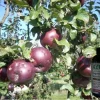
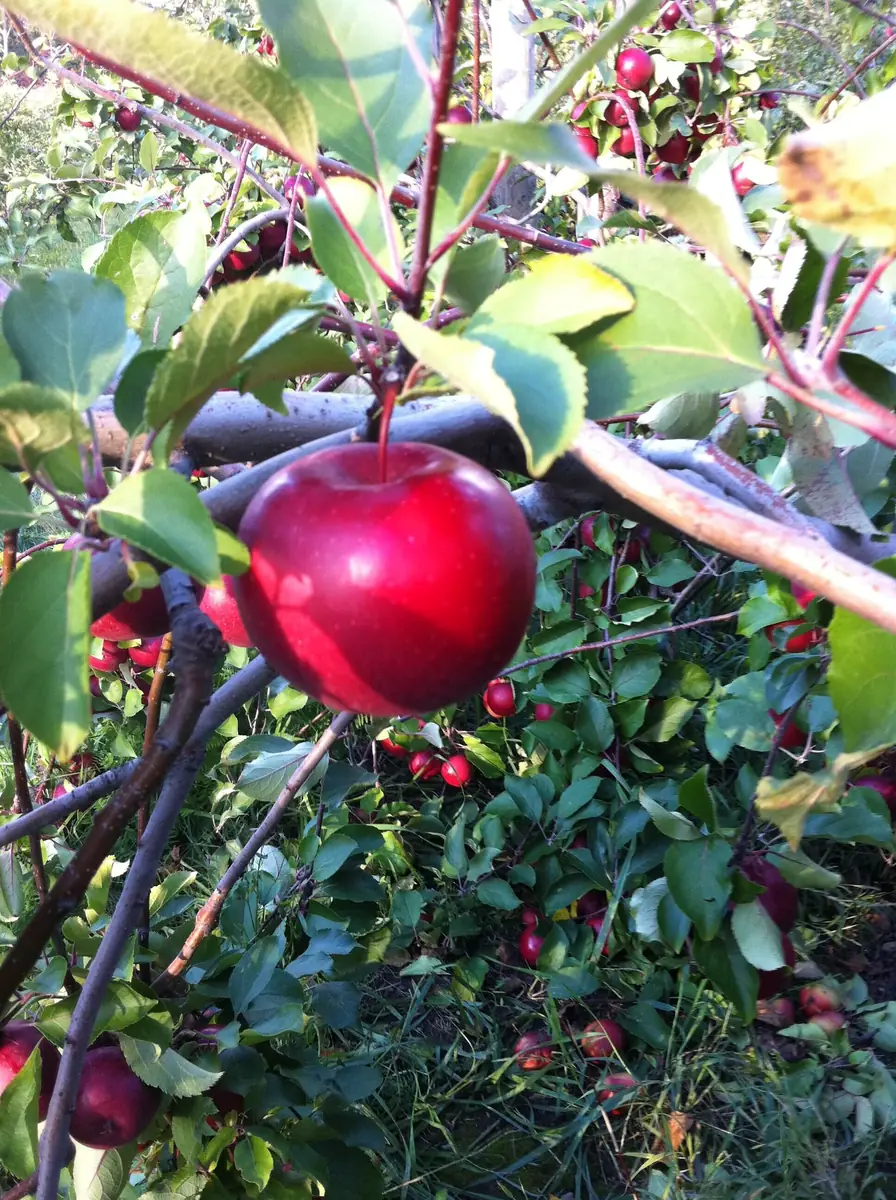
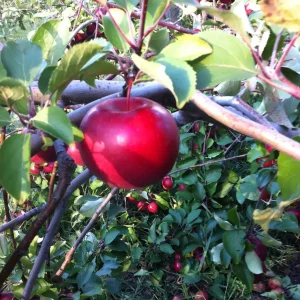
Bring the joy of homegrown fruit to your garden with the classic McIntosh Apple Tree. This offering is for a 2-3 ft tall bareroot apple tree, providing a strong foundation for a thriving fruit-bearing plant. The McIntosh variety (Botanical Name: Malus domestica ‘McIntosh’) is celebrated for its distinctive light, tangy flavor and vibrant red skin, making it a favorite for fresh eating, baking, cooking, and even crafting homemade apple cider. Known for its vigorous growth and early, abundant harvests, this tree promises a yearly bounty of delicious apples sooner than many other varieties. It’s an excellent choice for anyone looking to grow apple tree at home, whether you’re an experienced gardener or just starting out.
The McIntosh Apple Tree is not only a prolific producer but also boasts a robust nature. It’s an ideal addition to any home orchard, providing both aesthetic appeal with its seasonal blossoms and the rewarding experience of harvesting your own fruit. This particular apple tree for sale arrives as a bareroot specimen, ready for planting and establishment in your garden, offering a cost-effective way to start your apple-growing journey.
Key Benefits
The McIntosh Apple Tree offers numerous advantages for the home gardener, combining ease of care with abundant, delicious fruit production.
- Flavorful Fruit Production: Enjoy the iconic light, tangy flavor and distinctive red skin of McIntosh apples, perfect for fresh eating, baking, pies, sauces, and apple cider. The McIntosh Apple Tree ensures a versatile harvest.
- Early & Heavy Yields: This variety produces fruit heavily and ripens early in the season, meaning you’ll get a consistent yearly supply of apples, often sooner than other apple varieties.
- Organic Growing Potential: With inherent resistance to many common pests and diseases, you can often grow these apples organically, reducing the need for chemical sprays and pesticides.
- Easy to Grow: Known for its hardy strength and resilience, the McIntosh Apple Tree is considered easy to cultivate, making it suitable for gardeners of all experience levels, even those without a ‘green thumb’.
- Reliable Performance: This robust tree provides healthful, strong growth and dependable fruit production year after year.
- Pollinator Attraction: While not self-fertile, planting a McIntosh Apple Tree can attract beneficial pollinators to your garden, enhancing the overall ecosystem.
Plant Care & Growing Tips
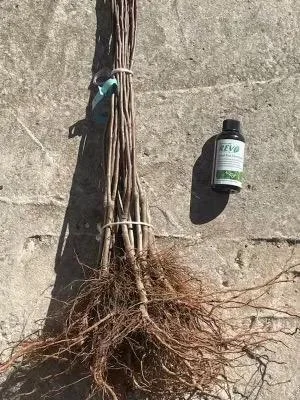
Proper care will ensure your McIntosh Apple Tree thrives and produces abundant fruit. This bareroot apple tree is hardy and adaptable, but a few key practices will lead to the best results. Plant your bareroot tree in early spring before buds break. Dig a hole wide enough to spread the roots without bending, and deep enough so the graft union (the swollen part on the trunk) is 2-4 inches above the soil line. Backfill with soil, gently tamping to remove air pockets, and water thoroughly.
For optimal growth, the McIntosh Apple Tree requires Full Sun, meaning at least 6-8 hours of direct sunlight per day. Well-draining soil is crucial; a loamy soil type is ideal. While moderate in growth rate, consistent watering is essential, especially during dry periods and the first few years after planting. Aim for moist, but not waterlogged, soil. Fertilize in early spring with a balanced fruit tree fertilizer after the first year. This variety is generally suitable for USDA Zones 4-7 outdoors. Remember that McIntosh Apple Trees are not self-fertile, so you will need to plant another compatible apple variety nearby for successful fruiting. Good pollinator options include Gala, Fuji, Honeycrisp, Golden Delicious, or Granny Smith apple trees.
Size & Details
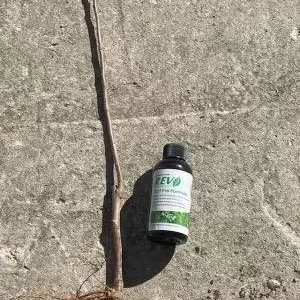
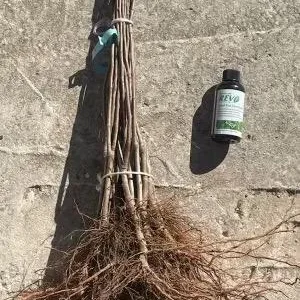
This offering is for a McIntosh Apple Tree supplied as a bareroot apple tree, typically measuring 2-3 feet tall upon arrival. Bareroot plants are dormant trees shipped without soil around their roots, offering a cost-effective and efficient way to establish new trees. When mature, the McIntosh Apple Tree can reach a height of 12-15 feet with a spread of 8-10 feet, creating a substantial fruit-bearing specimen in your landscape. It has a moderate growth rate and can begin to bear fruit as early as its first year after planting, though more significant yields typically start in the second or third year. Harvest time for these delicious apples is generally in September. The botanical name for this variety is Malus domestica ‘McIntosh’. Ensure you have adequate space for its mature size when planning your planting location.
Frequently Asked Questions
- Q: How big does this McIntosh Apple Tree get? A: The McIntosh Apple Tree typically reaches a mature height of 12-15 feet and a mature width of 8-10 feet, creating a medium-sized fruit tree in your garden.
- Q: Is this an indoor or outdoor plant? A: The McIntosh Apple Tree is an outdoor plant, best suited for planting directly in the ground in appropriate growing zones to thrive and produce fruit.
- Q: How much sunlight does the McIntosh Apple Tree need? A: This apple tree requires full sun exposure, meaning at least 6-8 hours of direct sunlight daily, for optimal growth and fruit production.
- Q: Is this apple tree easy to care for? A: Yes, the McIntosh Apple Tree is known for its hardy strength and disease resistance, making it relatively easy to grow for both novice and experienced gardeners.
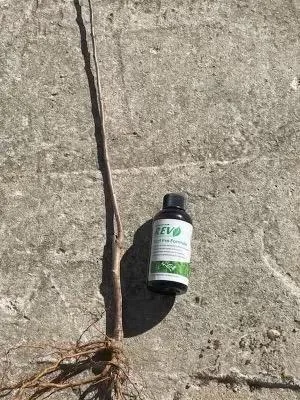
- Q: What condition will the bareroot apple tree arrive in? A: Your bareroot apple tree will arrive dormant, without soil around its roots, which is the standard and healthy way to ship deciduous fruit trees for spring planting.
- Q: How long until my McIntosh Apple Tree produces fruit? A: While some trees may fruit in their first year, significant yields from your McIntosh Apple Tree typically begin in the second or third year after planting.
- Q: What USDA zones are suitable for growing this apple tree? A: The McIntosh Apple Tree grows well outdoors in USDA Hardiness Zones 4-7, tolerating a range of winter temperatures.
- Q: Does the McIntosh Apple Tree need a pollinator? A: Yes, McIntosh Apple Tree varieties are not self-fertile. You will need to plant another compatible apple tree variety nearby to achieve fruiting.
- Q: Can I use the apples for baking and cooking? A: Absolutely! McIntosh apples are highly versatile and excellent for fresh eating, baking, making pies, sauces, and even apple cider due to their tangy flavor.
- Q: What kind of soil does this apple tree prefer? A: This apple tree for sale thrives in well-draining, loamy soil. Good drainage is crucial to prevent root issues.


Reviews
There are no reviews yet.