

Overview
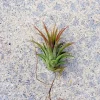
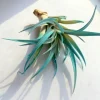
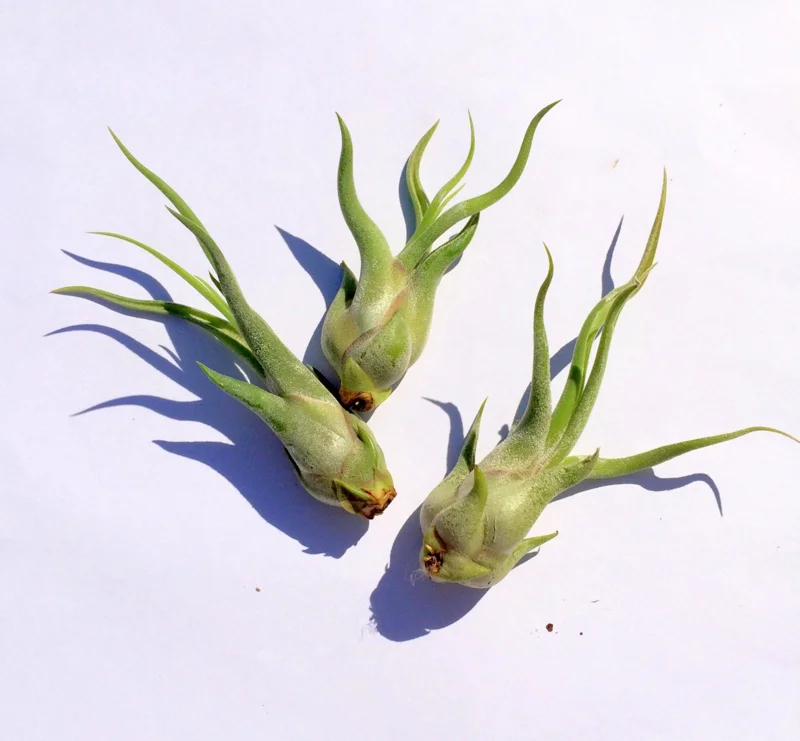
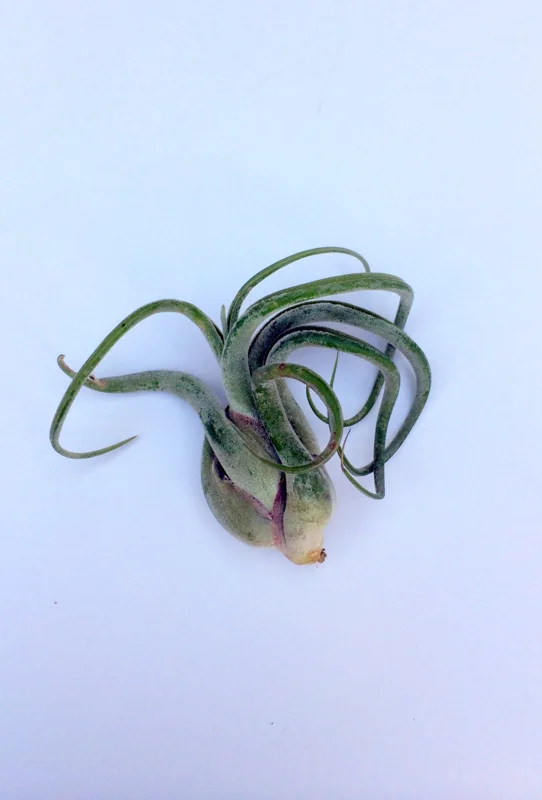
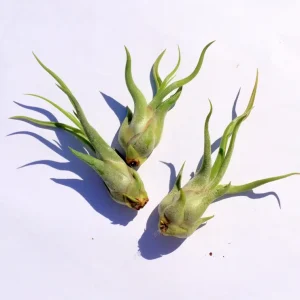
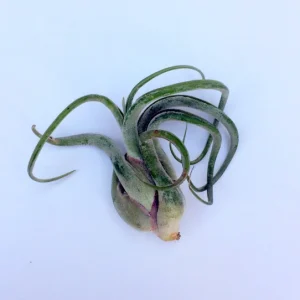
Introduce an extraordinary botanical specimen into your home with the medusa air plant, scientifically known as Tillandsia Caput Medusae. This live plant is celebrated for its distinctive, tentacle-like leaves that gracefully twist and curl as it matures, evoking the mythical Medusa’s serpentine hair. A true marvel of nature, the Tillandsia Caput is a fascinating epiphyte, meaning it naturally grows without soil, drawing its nutrients and moisture from the air. It’s an ideal choice for creating unique displays, terrariums, or simply as a standalone piece of living art. Its intriguing form and relatively low-maintenance needs make it a popular choice for both seasoned plant collectors and those new to the world of air plants.
The medusa air plant is not just a plant; it’s a conversation starter. Its dynamic growth habit ensures that no two plants are exactly alike, offering a constantly evolving natural sculpture. As it grows, the leaves become more prominent and the “twisting” characteristic becomes even more pronounced, enhancing its visual appeal. This resilient plant is a testament to nature’s artistry and adaptability, making it a rewarding addition to any indoor environment seeking a touch of the extraordinary.
Key Benefits
The medusa air plant offers a multitude of benefits, making it an excellent choice for various settings and lifestyles. Its unique aesthetic combined with its natural characteristics provides both decorative appeal and practical advantages.
- Exceptional Decorative Appeal: The spiraling, silvery-green leaves of the Tillandsia Caput create a stunning visual focal point. Its unique growth pattern makes it perfect for modern decor, minimalist spaces, or as an intriguing accent in any room.
- Low Maintenance & Easy Care: As an indoor air plant, the Medusa Air Plant requires no soil, making it incredibly clean and simple to care for. It thrives on occasional watering and bright, indirect light, ideal for busy individuals or beginners.
- Versatile Display Options: Its ability to grow without soil allows for creative display possibilities. Hang it, place it in a decorative holder, or incorporate it into terrariums and living art pieces. This twisted air plant adapts beautifully to various arrangements.
- Air Purifying Qualities: Like many plants, Tillandsias contribute to a healthier indoor environment by absorbing airborne particles and releasing oxygen, subtly enhancing your home’s air quality.
- Unique Houseplant: Stand out from traditional potted plants with this truly unique and captivating specimen. Its distinctive shape and growth habit ensure it will be a talking point among guests.
- Compact & Space-Saving: Its modest size and soil-free nature mean it can fit into small spaces, making it perfect for desks, shelves, or windowsills where larger plants might not be suitable.
Plant Care & Growing Tips
Caring for your medusa air plant is straightforward, ensuring it thrives with minimal effort. Understanding its specific needs for light, water, and air circulation will help it grow into a magnificent specimen with pronounced twisted leaves.
Sunlight Requirements: The Tillandsia Caput prefers bright, indirect light. Place it near an east or west-facing window where it receives gentle morning or afternoon sun. Avoid direct, intense sunlight, especially during peak hours, as this can scorch its delicate leaves. If your indoor environment lacks sufficient natural light, a grow light can be used, positioned a few feet away from the plant for 8-12 hours a day.
Watering Schedule: Watering is crucial for this indoor air plant. The most effective method is soaking. Submerge your air plant in a bowl of room-temperature water for 20-30 minutes once or twice a week. After soaking, gently shake off excess water and place it upside down on a towel in a well-ventilated area to dry completely within 2-3 hours. This prevents rot. In drier climates or during warmer months, you might need to water more frequently. Misting can supplement, but a thorough soak is essential for hydration. Pay attention to the leaves; if they start to curl more tightly or appear dull, it’s a sign the plant needs more water. Learning tillandsia caput care includes observing your plant’s response to its environment.
Temperature & Humidity: These plants thrive in temperatures between 50-90°F (10-32°C). They appreciate good air circulation and moderate to high humidity. If your home is very dry, consider placing the plant in a bathroom or near a humidifier. Avoid placing your air plant directly in front of air conditioning or heating vents, which can dry it out quickly. The medusa air plant is generally adaptable to typical household humidity levels but will benefit from increased moisture.
Fertilization: Fertilize sparingly during the growing season (spring and summer) using a specialized air plant fertilizer or a bromeliad fertilizer diluted to ¼ strength. Apply every 2-4 weeks during a soak or misting. Avoid over-fertilizing, as this can harm the plant. Proper tillandsia caput care does not require rich soil or frequent feeding.
Size & Details
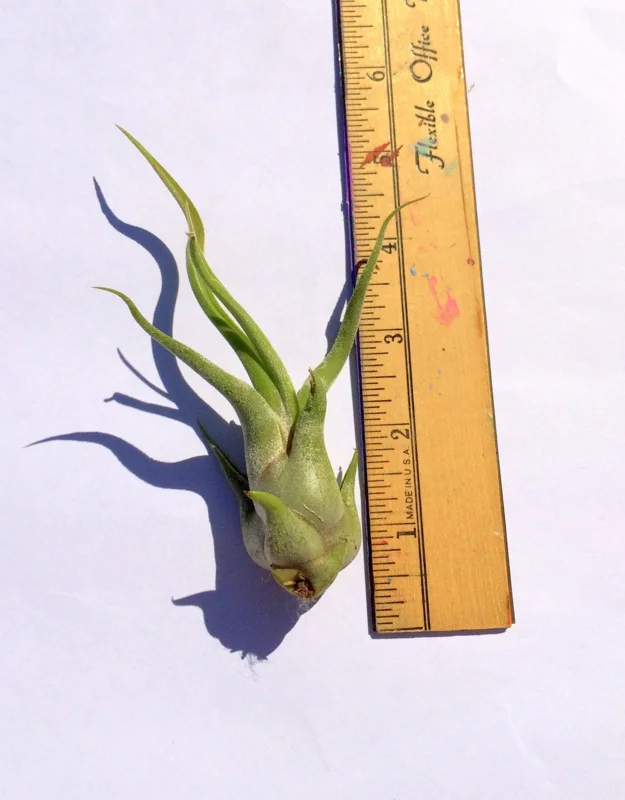
The medusa air plant (Tillandsia Caput Medusae) typically grows to a moderate size, making it suitable for a variety of indoor displays. When mature, it usually reaches about 4-8 inches in height and width, although larger specimens are possible with optimal care. The unique, thick leaves can extend outwards, creating an impressive, sculptural form. Each live plant shipped will be a healthy, vibrant specimen, ready to continue its growth in your home. These plants are shipped without soil, as is characteristic of air plants, ensuring a clean and hassle-free arrival. Expect your plant to develop more pronounced twists and curls in its leaves as it matures, truly living up to its ‘Medusa’ name. While the exact bloom time can vary, Tillandsia Caput Medusae produces a striking, colorful bloom stalk when mature, often displaying shades of red and purple with small, tubular flowers. This adds another layer of beauty to this already captivating unique houseplant.
Frequently Asked Questions
- Q: How big does this medusa air plant get? A: The medusa air plant typically grows to about 4-8 inches in height and width at maturity. Its size can vary slightly depending on environmental conditions and care, with some specimens growing larger.
- Q: Is this an indoor or outdoor plant? A: While it can thrive outdoors in very warm, humid, frost-free climates (USDA zones 9-11), it is primarily cultivated and sold as an indoor air plant in most parts of the US due to its sensitivity to cold and preference for controlled environments.
- Q: How much sunlight does it need? A: The Tillandsia Caput thrives in bright, indirect sunlight. Avoid direct, harsh sun exposure, especially during the hottest parts of the day, as it can burn the leaves. Filtered light or a few hours of gentle morning sun is ideal.
- Q: Is this plant easy to care for? A: Yes, the medusa air plant is considered relatively easy to care for, making it suitable for beginners. Its soil-free nature simplifies maintenance, primarily requiring regular soaking and appropriate light.
- Q: What condition will it arrive in? A: Your live medusa air plant will arrive as a healthy, vibrant specimen, carefully packaged to ensure its safety during transit. It will be ready for immediate display upon arrival.
- Q: How often should I water my twisted air plant? A: A good guideline for tillandsia caput care is to soak it in water for 20-30 minutes once or twice a week. Ensure it dries completely within a few hours after soaking to prevent rot.
- Q: Does this unique houseplant need soil? A: No, the medusa air plant is an epiphyte and does not require soil. It absorbs all its nutrients and moisture through its specialized leaves, making it a very clean and versatile plant for decor.


Reviews
There are no reviews yet.