Overview
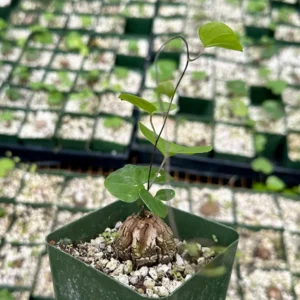
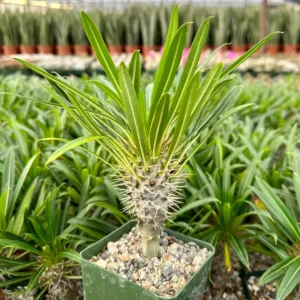
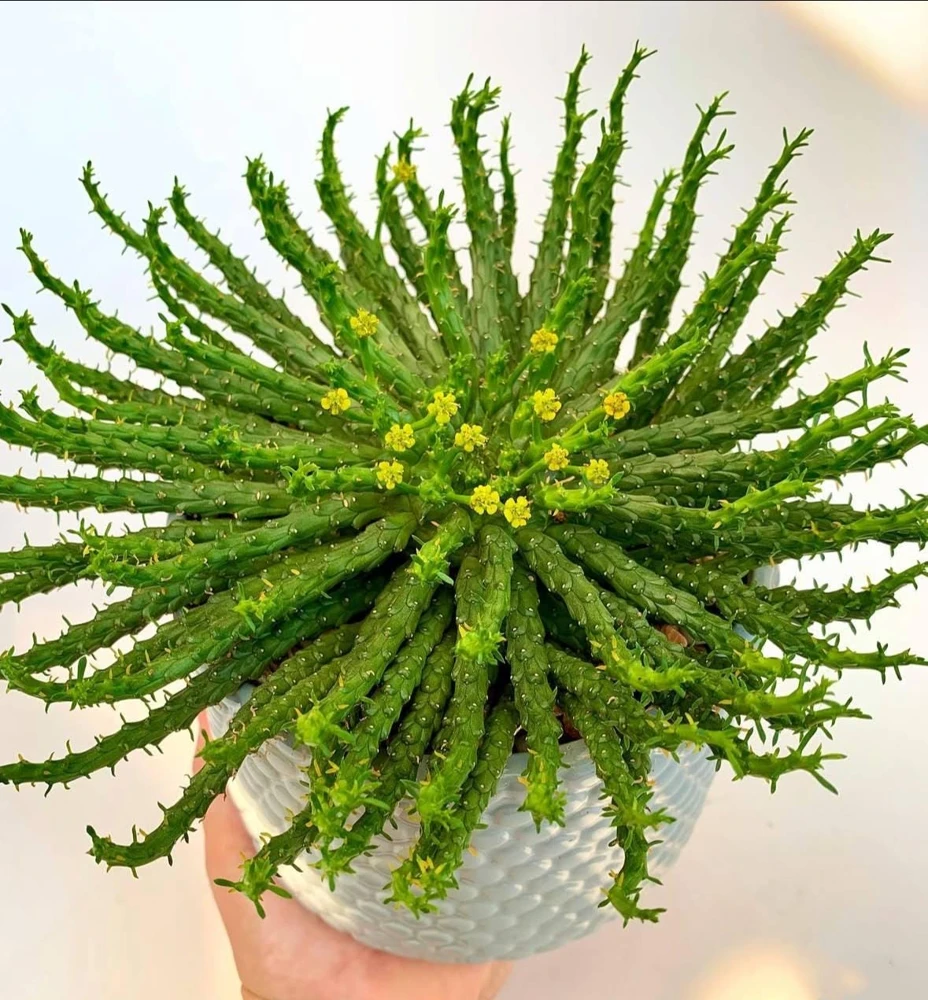
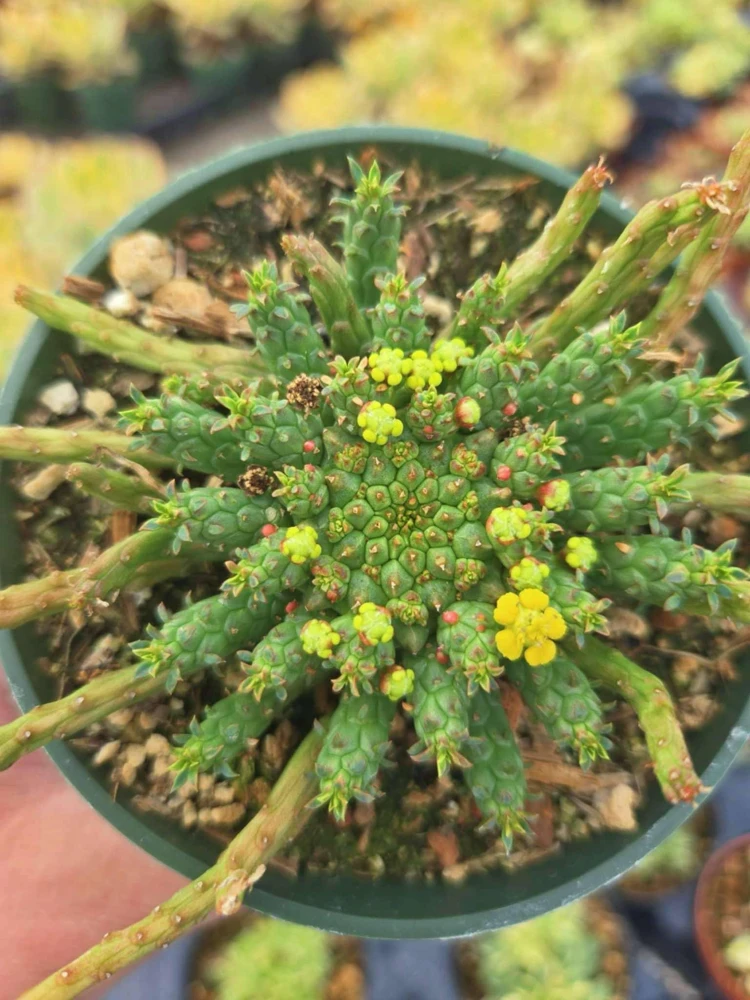
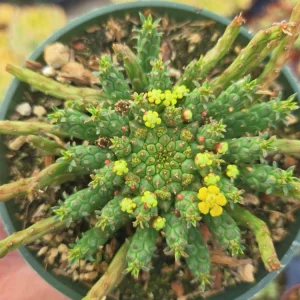
Introduce an extraordinary botanical specimen into your home with the medusas head rare succulent. This fascinating live plant, scientifically known as Euphorbia flanaganii, gets its captivating common name from its unique growth habit: a central caudex from which numerous snake-like arms radiate, resembling the mythological Medusa’s head. Each arm is adorned with small, vibrant green leaves and can develop subtle yellow-green flowers. Our offering is a healthy, established plant in a 4-inch pot, ready to thrive in its new environment. Ideal for succulent enthusiasts and collectors, this plant is a conversation starter and a testament to nature’s artistry.
The medusas head rare succulent is renowned for its architectural form and relatively easy care requirements, making it suitable for both novice and experienced plant parents. Its unique appearance ensures it stands out in any collection, adding an exotic touch to windowsills, desks, or terrariums. Embrace the beauty of this unusual succulent and enjoy its slow, captivating growth.
Key Benefits
The medusas head rare succulent offers numerous advantages, from its striking appearance to its resilient nature, making it a truly rewarding plant to cultivate:
- Unique Ornamental Appeal: Its distinctive, medusa-like growth pattern makes it a focal point in any plant display, offering an exotic and unusual aesthetic that captivates attention.
- Low Maintenance: This succulent is incredibly forgiving and requires minimal attention once established. It thrives on neglect, making it perfect for busy individuals or those new to plant care.
- Drought Tolerant: As a succulent, Euphorbia flanaganii stores water in its stems, allowing it to withstand periods of drought. This reduces watering frequency compared to many other houseplants.
- Compact Size: Growing to a manageable size, this medusas head rare succulent is ideal for small spaces, windowsills, or office desks, adding natural beauty without taking up too much room.
- Collector’s Item: Due to its unique form and relatively rare availability compared to common succulents, it’s a prized addition for plant collectors looking for something truly special.
- Adaptable to Indoor Environments: While it enjoys bright light, it adapts well to typical indoor conditions, provided it receives adequate light and proper drainage.
- Long Lifespan: With proper euphorbia flanaganii care, this plant can live for many years, becoming a long-term companion and a source of continuous visual interest.
Plant Care & Growing Tips
Proper succulent plant care is essential for the health and longevity of your ‘Medusa’s Head’. This plant, like many succulents, thrives on conditions that mimic its natural arid habitat. For optimal growth, provide plenty of bright, indirect light. Placing it near a south or west-facing window is ideal, but avoid prolonged direct afternoon sun, especially in warmer climates, as it can scorch the plant’s delicate stems. If grown outdoors, a shaded area or morning sun only is best. Good air circulation is also beneficial to prevent fungal issues.
Watering is perhaps the most critical aspect of euphorbia flanaganii care. This plant is highly susceptible to root rot if overwatered. Always allow the soil to dry out completely between waterings. When it’s time to water, do so thoroughly until water drains from the bottom of the pot. In cooler months, watering frequency should be significantly reduced, sometimes to once a month or even less. A fast-draining soil mix is paramount; a blend of peat moss and succulent/cactus mix, supplemented with plenty of perlite or pumice, will provide the necessary drainage. If keeping your rare plant collector item indoors, a well-draining terracotta pot is recommended to promote healthy root growth by allowing excess moisture to evaporate.
Temperature-wise, Euphorbia flanaganii prefers warm conditions and is not frost-tolerant. It thrives in temperatures between 60-85°F (15-29°C). Fertilize sparingly; once a month during the active growing season (spring and summer) with a diluted, balanced liquid houseplant fertilizer is sufficient. Avoid fertilizing during its dormant winter period. While generally an easy care succulents variety, watch out for common pests like mealybugs, and address them promptly with appropriate organic solutions. Minor imperfections may occur during shipping, but the plant will quickly recover with proper care.
Size & Details
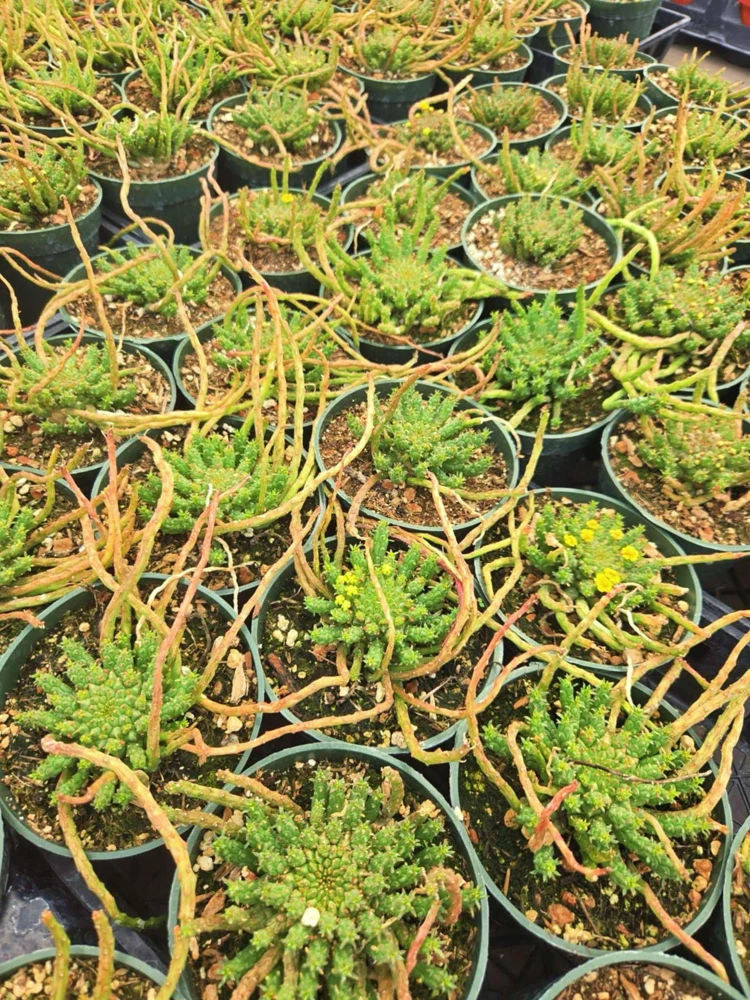
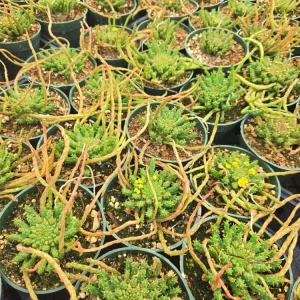
This offering is for one live medusas head rare succulent, presented in a 4-inch nursery pot. The plant’s unique ‘arms’ typically spread outwards, creating a captivating, low-profile form. While individual plant shapes and colors may vary slightly from images due to natural growth patterns, each specimen is carefully selected for health and vigor. Expect a compact plant that is well-rooted and ready to settle into its new home. Euphorbia flanaganii is a slow-growing succulent, meaning it will maintain its manageable size for a considerable period, making it a perfect long-term display plant.
The plant is shipped potted in its growing medium to minimize stress during transit. Its mature size can vary depending on growing conditions, but typically it will remain under 6-8 inches in height with a spread of 8-12 inches. This makes it an excellent choice for windowsills, terrariums, or as part of a larger succulent arrangement. Enjoy the unique beauty and the rewarding experience of nurturing this distinctive succulent.
Frequently Asked Questions
- Q: How big does this plant get? A: The medusas head rare succulent typically grows to about 6-8 inches tall with a spread of 8-12 inches. Its growth rate is slow, making it suitable for smaller spaces and long-term enjoyment.
- Q: What size pot does it come in? A: This plant is delivered as a live specimen in a standard 4-inch nursery pot, ready for you to enjoy or repot into a decorative container.
- Q: Is this an indoor or outdoor plant? A: Euphorbia flanaganii can thrive both indoors and outdoors. Indoors, it needs bright, indirect light. Outdoors, it prefers shaded areas or morning sun, especially in warmer climates, and must be protected from frost.
- Q: How much sunlight does it need? A: This succulent requires bright, indirect light. Avoid prolonged direct afternoon sun, which can cause scorching. A few hours of morning sun or filtered light throughout the day is ideal for optimal euphorbia flanaganii care.
- Q: Is this plant easy to care for? A: Yes, the ‘Medusa’s Head’ is considered an easy care succulents variety. Its drought tolerance and minimal watering needs make it a great choice for beginners and busy plant owners.
- Q: What condition will it arrive in? A: Your rare plant collector item will arrive as a live, potted plant. While minor imperfections may occur during shipping, it is carefully packaged to ensure it reaches you in the best possible condition, ready to thrive.
- Q: How often should I water my ‘Medusa’s Head’ succulent? A: Water infrequently. Allow the soil to dry out completely between waterings, typically no more than once a week, and even less during winter. Overwatering is the biggest risk to this plant.
- Q: What kind of soil is best for this succulent? A: A fast-draining soil mix is crucial. Use a blend specifically formulated for succulents and cacti, often composed of peat moss, perlite, and/or pumice, to ensure excellent drainage and prevent root rot.
- Q: Can I fertilize this plant? A: Yes, fertilize once a month during the growing season (spring and summer) with a diluted, balanced liquid houseplant food. Avoid fertilizing during the dormant winter months.
- Q: Will it survive winter in my zone? A: The medusas head rare succulent is not frost-tolerant. If you live in an area with freezing temperatures, it’s best to grow it indoors or bring it inside during the colder months to protect it from frost damage.


Reviews
There are no reviews yet.