Overview
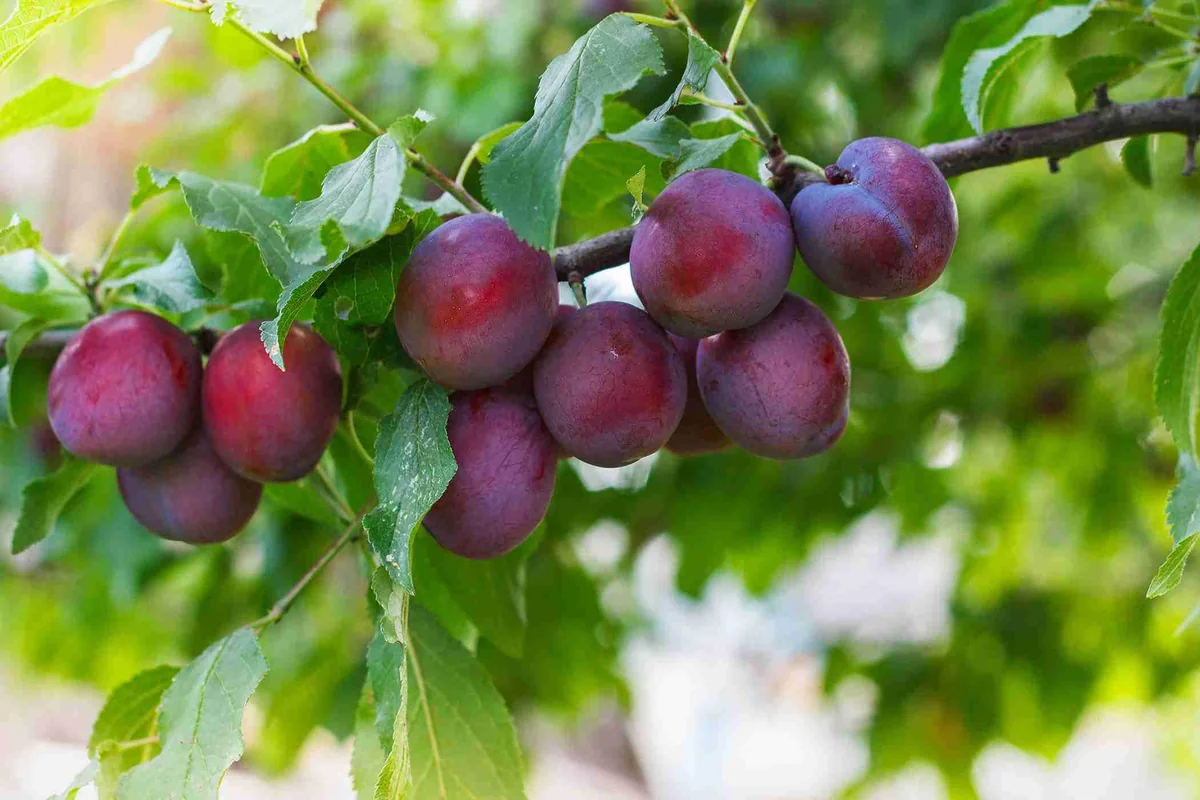
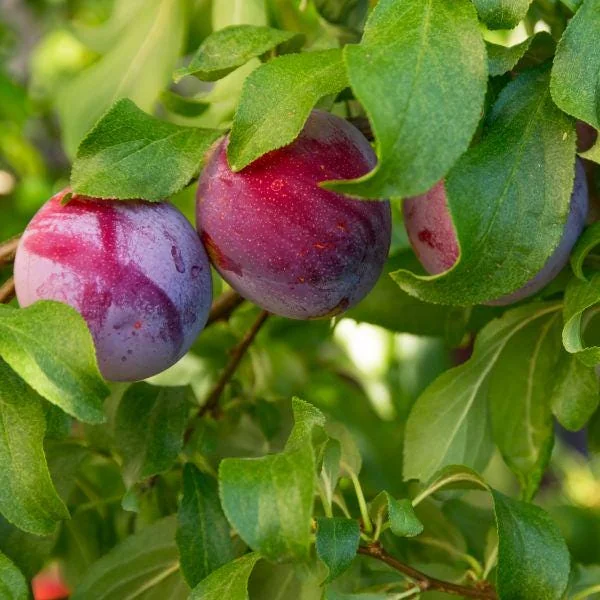
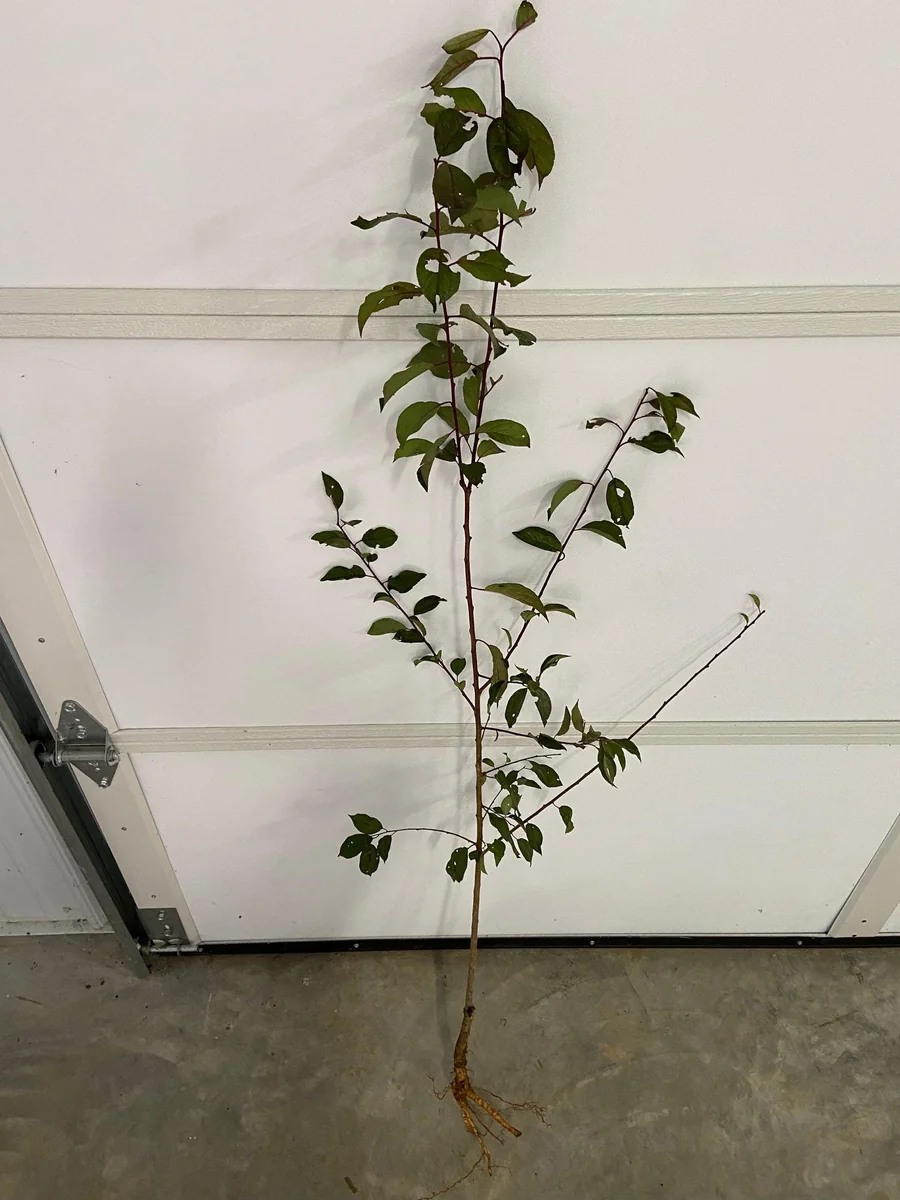
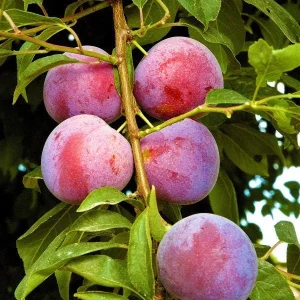
The Methley plum tree (Prunus salicina) is an exceptional choice for any home gardener looking to enjoy fresh, juicy plums directly from their backyard. This particular offering is for a bare root fruit tree, meaning it ships without soil around its roots, which is a common and efficient way to transport dormant trees. Known for its vigorous growth and remarkable self-pollinating nature, the Methley plum ensures fruit production even if planted alone, making it perfect for smaller gardens or those with limited space. Its ability to consistently produce a bountiful harvest of small, maroon-colored plums with sweet red flesh makes it a favorite among fruit enthusiasts. These plums are not only delicious for fresh eating but also excellent for jams, jellies, and desserts. This resilient tree is highly adaptable and shows good disease resistance, simplifying the process of growing plums at home for both novice and experienced gardeners.
Key Benefits
Adding a Methley plum tree to your landscape offers a multitude of advantages, from its ease of care to its productive yield. It’s a rewarding plant that provides both aesthetic appeal and culinary delight.
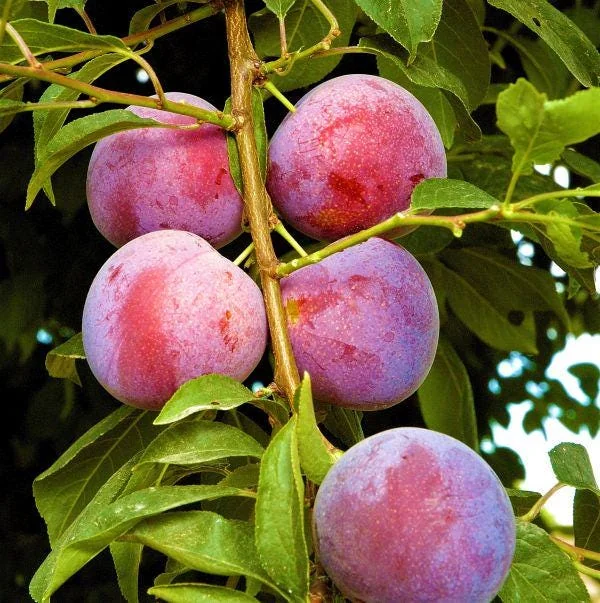
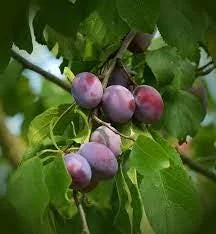
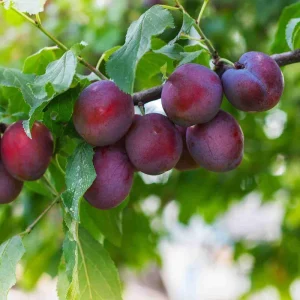
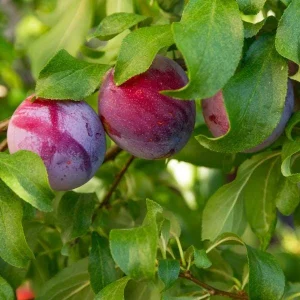
- Abundant Fruit Production: Enjoy a generous harvest of small, sweet, maroon-colored plums with succulent red flesh, ripening in early to late June, perfect for fresh eating and preserving. The tree is known for its strong limbs that support heavy fruit loads year after year.
- Self-Pollinating Convenience: This variety is a self-pollinating plum, meaning you only need one tree to get fruit. This is ideal for gardeners with limited space or those who prefer a low-maintenance option without needing to plant multiple cross-pollinating trees.
- Beginner-Friendly: Often recommended for beginner gardeners, the Methley plum is considered low-maintenance and highly adaptable. Its robust nature makes plum tree care straightforward, allowing you to successfully grow delicious fruit without extensive effort.
- Disease Resistance: The tree exhibits good resistance to common diseases, reducing the need for frequent treatments and ensuring a healthier plant and more consistent yields.
- Versatile Use: The plums are not only fantastic for eating fresh off the tree but also excellent for making preserves, pies, and other culinary creations, offering a versatile harvest.
- Early Ripening: As one of the earliest ripening plum varieties, you can enjoy your fresh plums starting in early to mid-summer, providing a head start on the fruit season.
Plant Care & Growing Tips
Proper plum tree care is crucial for ensuring a healthy, productive Methley plum tree. While generally low-maintenance, providing the right conditions from the start will lead to the best results. Plant your bare-root tree in a location that receives full sun, meaning at least 6-8 hours of direct sunlight daily. This ensures optimal fruit production and overall tree health. The Methley plum thrives in non-alkaline, sandy loam soils with good drainage. Avoid heavy clay soils that retain too much moisture, as this can lead to root rot. Good air circulation is also beneficial, so choose a site where the tree won’t be overly crowded.
Watering is important, especially during the tree’s establishment phase and dry periods. While young, ensure the soil remains consistently moist but not waterlogged. Once established, the tree is more tolerant of some drought but will benefit from consistent watering, particularly when fruits are developing. Be mindful of rainfall and high humidity during the growing season, as excessive moisture can contribute to diseases and fruit cracking. Fertilize annually in early spring with a balanced fruit tree fertilizer, following package instructions. Pruning should be done primarily to remove deadwood, crossing branches, or fast-growing shoots that appear along the trunk or branches. Over-pruning can stunt fruit production, so focus on maintaining an open canopy for good air circulation and light penetration. Understanding the specific needs for growing plums at home will help your tree flourish.
Protect your bare root fruit tree from pests and diseases by monitoring regularly. While the Methley plum is disease-resistant, proactive measures can prevent issues. Ensure good garden hygiene by removing fallen fruit and leaves. For winter protection in colder zones, consider mulching around the base of the tree to insulate the roots. This attention to detail will ensure your self-pollinating plum provides delicious fruit for many years.
Size & Details
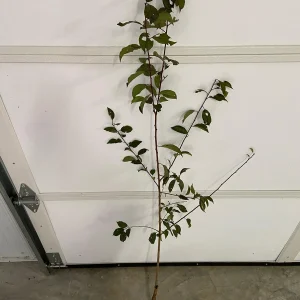
This offering is for a Methley plum tree delivered in a bare-root dormant state, which is an efficient and cost-effective way to establish new fruit trees. The size of the bare-root tree will vary but is typically a young sapling, ready for immediate planting upon arrival. When mature, the Methley plum tree can reach heights of 15-20 feet with a similar spread, forming a rounded canopy. Its strong limbs are capable of supporting a significant harvest. The plums themselves are small, maroon-colored, and ripen from early to late June, offering a delightful early summer yield. Expect fruit production to begin within 2-4 years after planting, with yields increasing as the tree matures. This bare root fruit tree is a long-term investment that will provide fresh, homegrown fruit for decades.
Frequently Asked Questions
- Q: How big does a Methley plum tree get? A: A mature Methley plum tree typically grows to a height of 15-20 feet with a similar spread. It forms a rounded, attractive canopy that is suitable for most home gardens.
- Q: Is this an indoor or outdoor plant? A: The Methley plum tree is an outdoor fruit tree. It requires full sun exposure and is best planted directly in the ground to allow its root system to develop fully for optimal growth and fruit production.
- Q: How much sunlight does it need? A: This self-pollinating plum requires at least 6-8 hours of direct sunlight per day to produce the best fruit. Planting in a full sun location is crucial for a healthy and productive tree.
- Q: Is this plant easy to care for? A: Yes, the Methley plum is considered a low-maintenance fruit tree, making plum tree care relatively easy for beginners. It’s known for its adaptability and disease resistance.
- Q: What condition will it arrive in? A: Your Methley plum tree will arrive as a bare root fruit tree, meaning it will be dormant and shipped without soil around its roots. This is a standard and effective method for shipping deciduous fruit trees.
- Q: When is the best time to plant a bare root Methley plum tree? A: The best time for planting a bare root Methley plum tree is in early spring, after the last hard frost but before the tree breaks dormancy. This allows the roots to establish before the stress of summer heat.
- Q: Will a single Methley plum tree produce fruit? A: Yes, the Methley plum is a self-pollinating plum variety, which means a single tree is sufficient to produce a good crop of fruit without the need for a second tree for cross-pollination.
- Q: What kind of soil does this tree prefer? A: The Methley plum tree thrives in well-draining, non-alkaline, sandy loam soils. Good drainage is essential to prevent root issues.
- Q: How long does it take for a Methley plum tree to produce fruit? A: You can typically expect your Methley plum tree to start producing fruit within 2-4 years after planting. Production will increase as the tree matures.
- Q: What are the plums like? A: The plums are small, maroon-colored, and have sweet, juicy red flesh. They are excellent for fresh eating and a variety of culinary uses.


Reviews
There are no reviews yet.