Overview
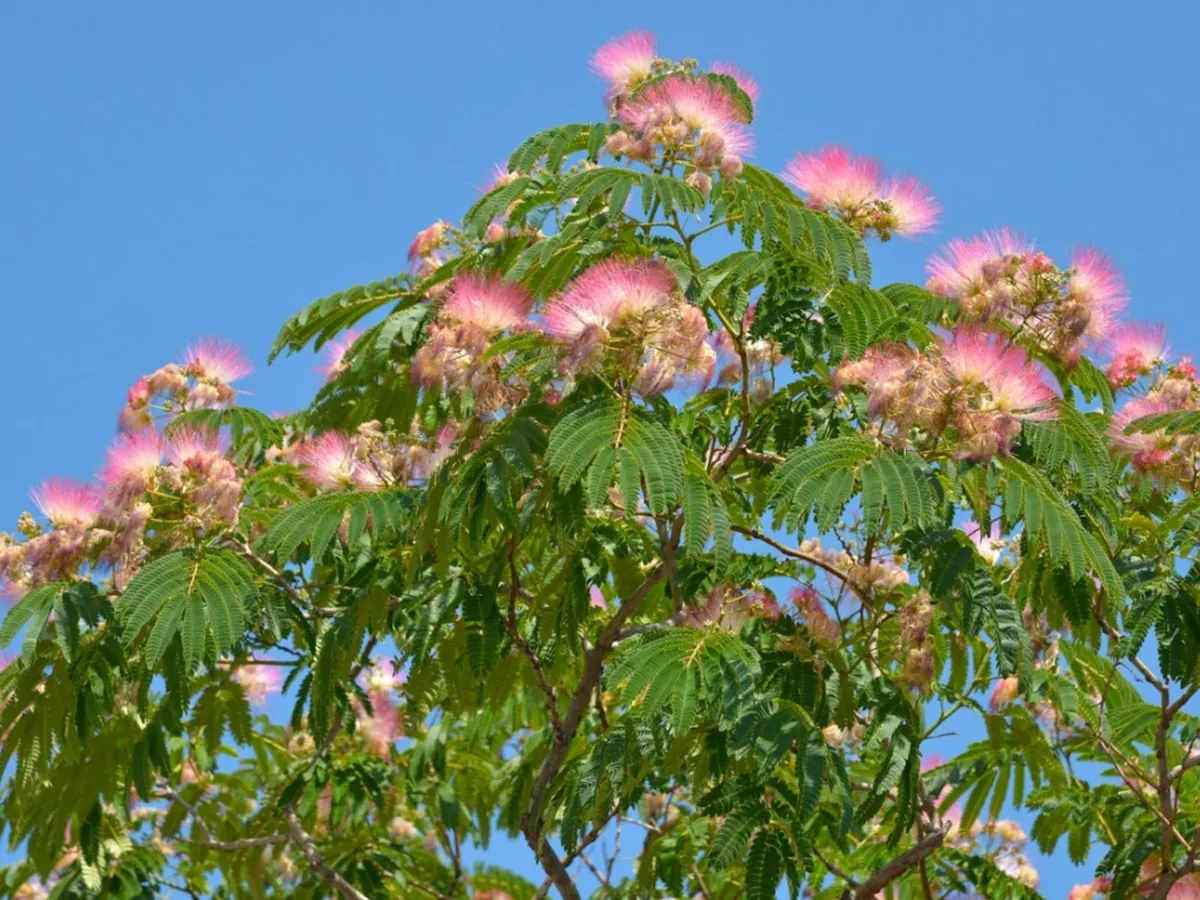
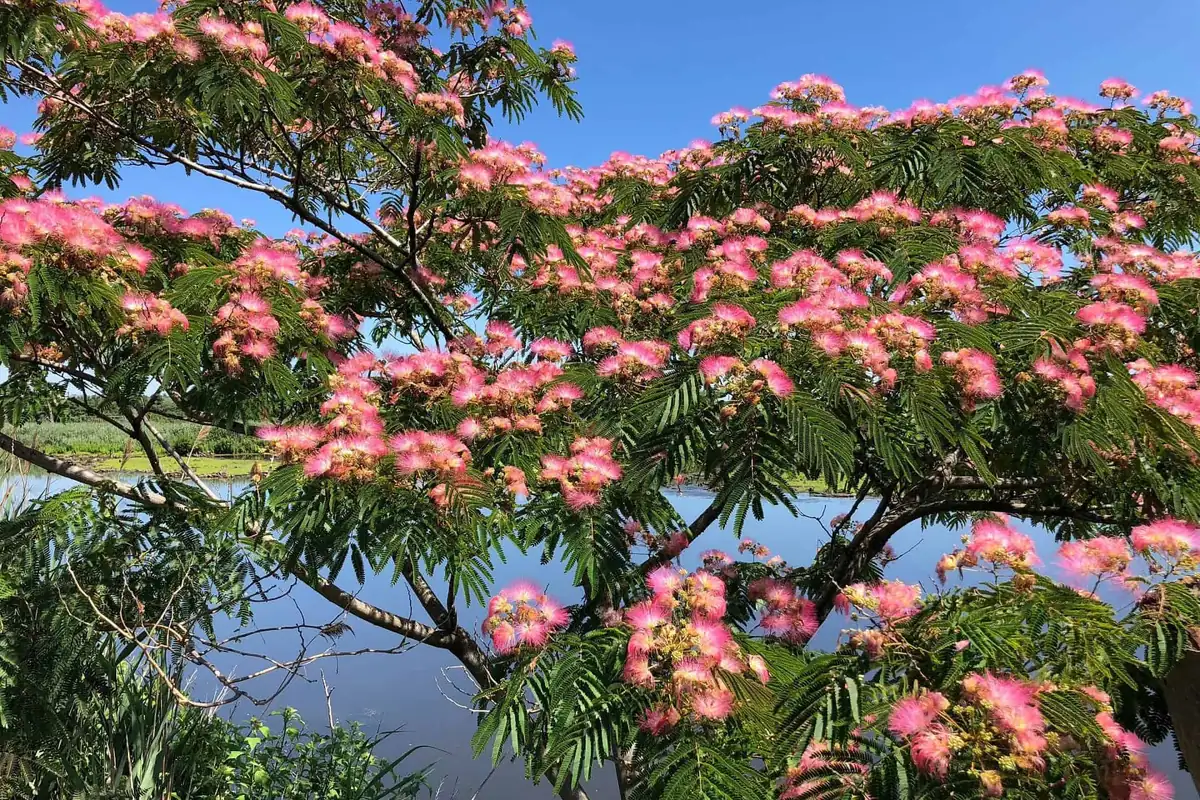
Transform your garden with our premium mimosa tree bare roots, offering an excellent opportunity to grow the enchanting Albizia julibrissin. Known for its distinctive fern-like leaves and abundant showy pink, fragrant, puffball flowers, the mimosa tree is a fast-growing deciduous tree that brings a touch of exotic beauty to any landscape. These bare roots provide a robust start for a tree that will quickly establish itself, offering delightful summer blooms when many other trees are past their peak. The Albizia julibrissin plant is a favorite for its unique appearance and ability to thrive in various conditions, making it a popular choice for gardeners across the US.
Originating from the Middle East and Asia, the mimosa tree has been cherished for centuries for its ornamental value. Its delicate foliage and vibrant flowers create a stunning visual display, attracting pollinators such as butterflies and hummingbirds. Our mimosa tree bare roots are carefully selected to ensure vigorous growth, allowing you to enjoy a mature, shade-providing tree in a relatively short period. Whether you’re looking to add a focal point to your yard or create a canopy of summer color, the mimosa tree is an excellent, low-maintenance option for enhancing your outdoor living space.
Key Benefits
The mimosa tree offers a wealth of benefits that make it a desirable addition to many gardens. Our mimosa tree bare roots provide a foundation for a plant that delivers both aesthetic appeal and practical advantages.
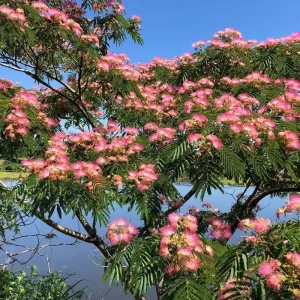
- Stunning Summer Blooms: Enjoy an abundance of unique, fluffy pink flowers that resemble puffballs, blooming from early summer through mid-summer when few other trees are in flower. These vibrant blossoms attract a variety of beneficial pollinators, including butterflies and hummingbirds, bringing life and movement to your garden.
- Rapid Growth Rate: Mimosa trees are known for their exceptionally fast growing mimosa tree nature, quickly reaching heights of 20-40 feet and providing substantial shade within just a few years. This makes them ideal for gardeners looking for quick landscape impact.
- Attractive Foliage: The delicate, fern-like leaves of the Albizia julibrissin provide a unique texture and light, airy feel to your garden, creating an elegant backdrop for its showy flowers.
- Excellent Shade Provider: With its broad, umbrella-like canopy, a mature mimosa tree offers ample shade, creating cool, comfortable areas in your yard perfect for relaxation during hot summer days.
- Drought Tolerance: Once established, the mimosa tree is remarkably drought-tolerant, making it a sustainable choice for various climates and reducing the need for constant watering.
- Easy to Grow: These trees are generally low-maintenance and adaptable to a wide range of soil conditions, making them suitable for both novice and experienced gardeners. Proper mimosa tree care ensures a healthy and thriving plant.
- Unique Ornamental Value: The striking appearance of the pink flower trees, with their distinctive flowers and foliage, makes them a captivating focal point in any garden design.
Plant Care & Growing Tips
Caring for your mimosa tree bare roots is straightforward, ensuring a beautiful and thriving tree for years to come. Mimosa trees are quite resilient, but providing optimal conditions will encourage the best growth and most prolific blooms. Upon arrival, soak the bare roots in water for a few hours before planting to rehydrate them.
Plant your Albizia julibrissin plant in a location that receives full sun, meaning at least 6-8 hours of direct sunlight per day. While adaptable to various soil types, mimosa trees prefer well-draining soil. Amend heavy clay soils with organic matter to improve drainage. Dig a hole wide enough to accommodate the roots spread out, and deep enough so that the crown of the plant (where the roots meet the stem) is at soil level. Backfill with soil, gently firming it around the roots to remove air pockets, then water thoroughly. Regular watering is crucial during the first growing season to help the tree establish a strong root system. Once established, the tree is quite drought-tolerant and will only need watering during extended dry periods.
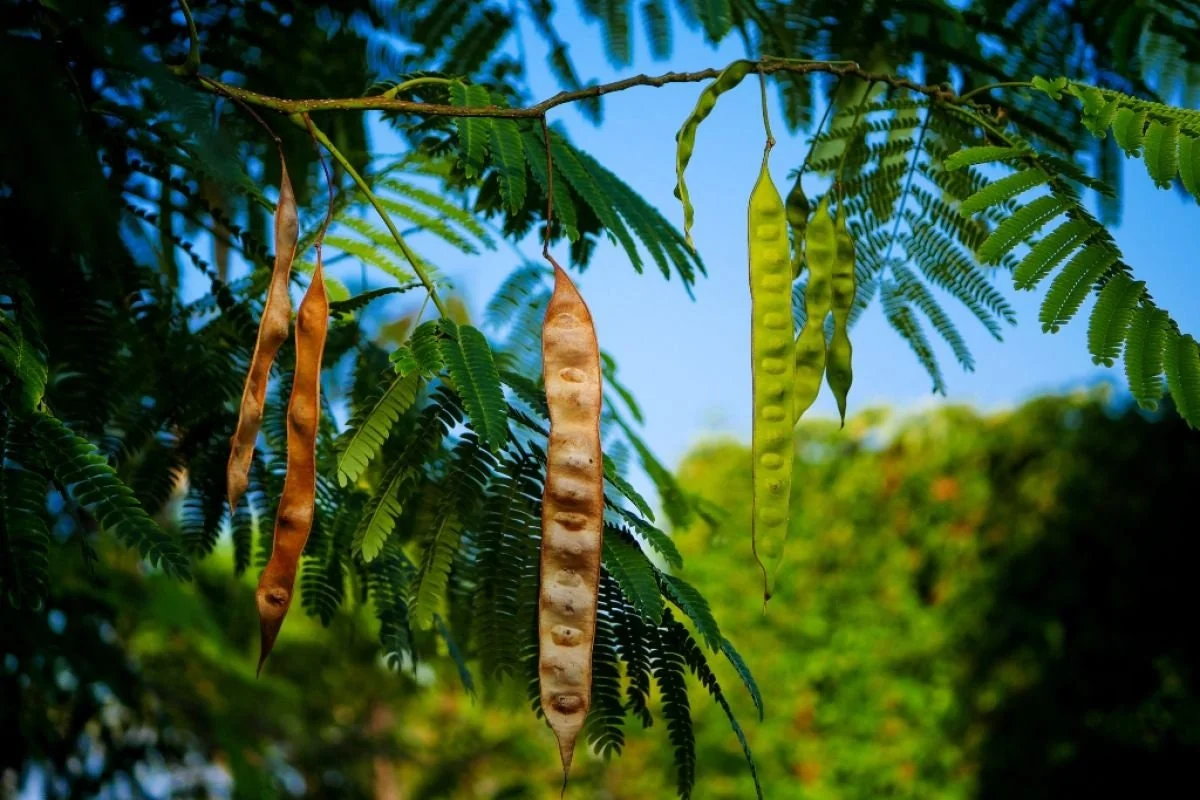
Mimosa trees are hardy in USDA Zones 6-10. They can tolerate a range of temperatures but prefer warmer climates. Fertilize in early spring with a balanced slow-release fertilizer designed for trees and shrubs to support healthy growth and abundant flowering. Pruning should be done in late winter or early spring to remove any dead, damaged, or crossing branches, and to maintain the tree’s desired shape. Be aware that mimosa trees can be messy, dropping spent flowers and seed pods. Some gardeners also note their invasive tendencies in certain regions, so consider local conditions. Proper mimosa tree care involves monitoring for pests and diseases, though they are generally quite resistant. Remember that mimosa seedpods are toxic to dogs and livestock, so position the tree thoughtfully if you have pets.
Size & Details
This offering includes 5 bare roots of the Mimosa Tree (Albizia julibrissin). Each bare root is ready for immediate planting and is an excellent way to get a head start on growing these magnificent trees. Mimosa trees are renowned for their rapid growth rate, typically adding 2-4 feet in height per year under ideal conditions. Mature trees generally reach a height of 20-40 feet with a similar spread, forming a distinctive vase-shaped, flat-topped canopy. The pink flower trees bloom in late spring to early summer, with the flowering period lasting several weeks into July.
These bare roots are designed for outdoor planting and will quickly develop into established trees, providing shade and vibrant color for many years. The Albizia julibrissin plant is deciduous, shedding its fern-like leaves in winter and returning with fresh green foliage in spring. Expect the first blooms within 2-3 years after planting, with increasing flower production as the tree matures. This 5-pack provides a fantastic opportunity to create a stunning landscape feature or even a small grove of these beautiful, fast-growing shade trees.
Frequently Asked Questions
- Q: How big does this fast growing mimosa tree get? A: A mature mimosa tree typically reaches heights of 20 to 40 feet with a similar spread, forming a broad, umbrella-like canopy. Its rapid growth allows it to provide significant shade relatively quickly.
- Q: What condition will the mimosa tree bare roots arrive in? A: Your bare roots will arrive dormant, carefully packaged to ensure their health during transit. They should be planted as soon as possible after arrival, or temporarily stored in a cool, dark place if immediate planting isn’t feasible.
- Q: Is this an indoor or outdoor plant? A: The mimosa tree is an outdoor tree, best suited for planting directly in the ground where it has ample space to grow. It is not recommended as an indoor houseplant.
- Q: How much sunlight does the Albizia julibrissin plant need? A: Mimosa trees thrive in full sun, requiring at least 6-8 hours of direct sunlight per day for optimal growth and flowering. While they can tolerate some partial shade, full sun promotes the best bloom production.
- Q: Is this plant easy to care for? A: Yes, mimosa trees are generally considered easy to care for once established. They are drought-tolerant and adaptable to various soil conditions, making them a low-maintenance choice for many gardeners. Basic mimosa tree care involves proper initial planting and occasional pruning.
- Q: When is the best time to plant these bare roots? A: The best time to plant bare roots is in late winter or early spring, after the danger of hard frost has passed but before the tree breaks dormancy. This allows the roots to establish before the stress of summer heat.
- Q: How long until it blooms? A: While growth can be rapid, you can typically expect your mimosa tree to start producing its characteristic pink flower trees blooms within 2-3 years after planting. Flower production will increase significantly as the tree matures.
- Q: Will it survive winter in my zone? A: Mimosa trees (Albizia julibrissin) are generally hardy in USDA Zones 6 through 10. If you are in a colder zone, provide winter protection or consider if your climate is suitable for this species.
- Q: What type of soil is best for a mimosa tree? A: Mimosa trees prefer well-draining soil but are adaptable to a wide range of soil types, including sandy, loamy, or clay soils, as long as drainage is adequate.
- Q: Are the seedpods toxic? A: Yes, the seedpods of the mimosa tree are considered toxic to dogs and livestock. It’s important to be aware of this if you have pets or farm animals that might have access to fallen pods.


Reviews
There are no reviews yet.