Overview
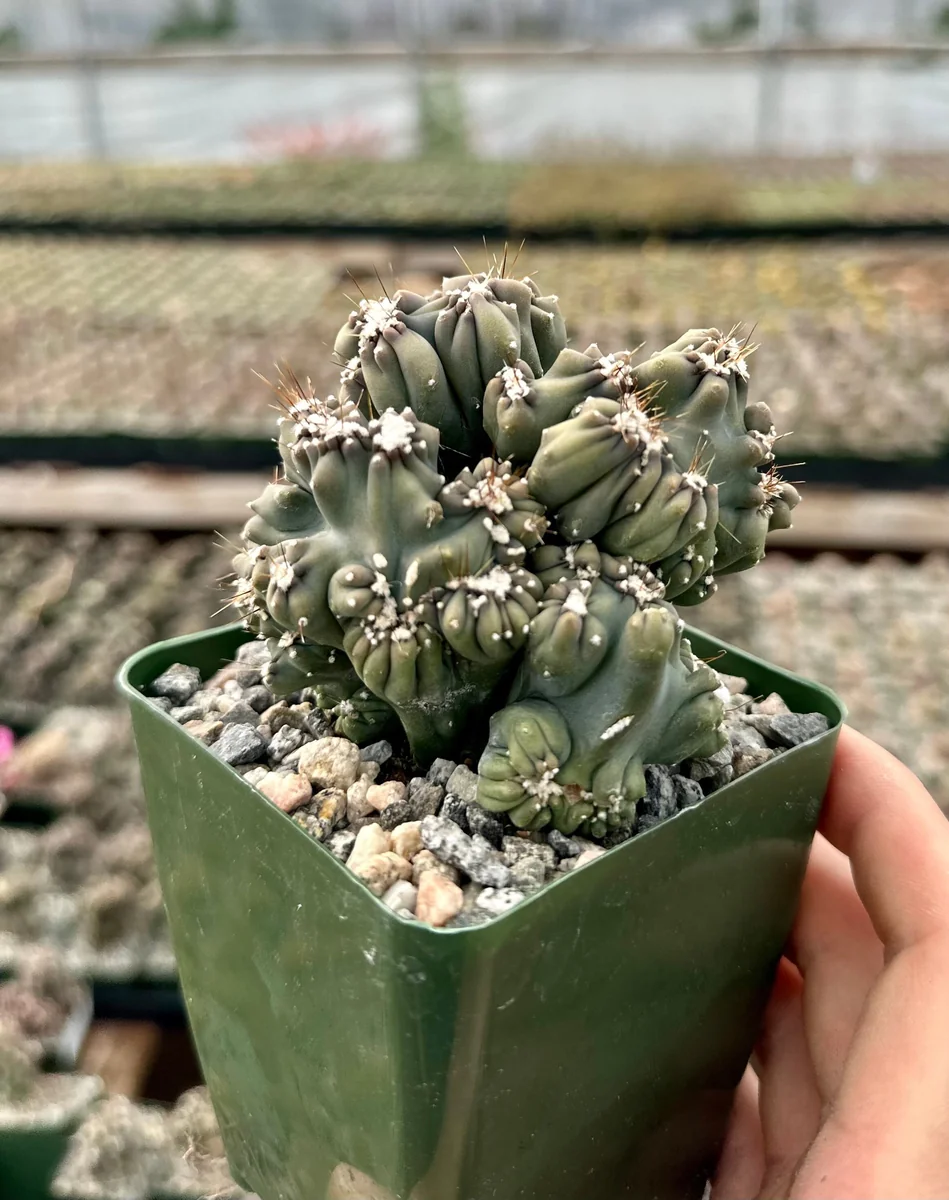
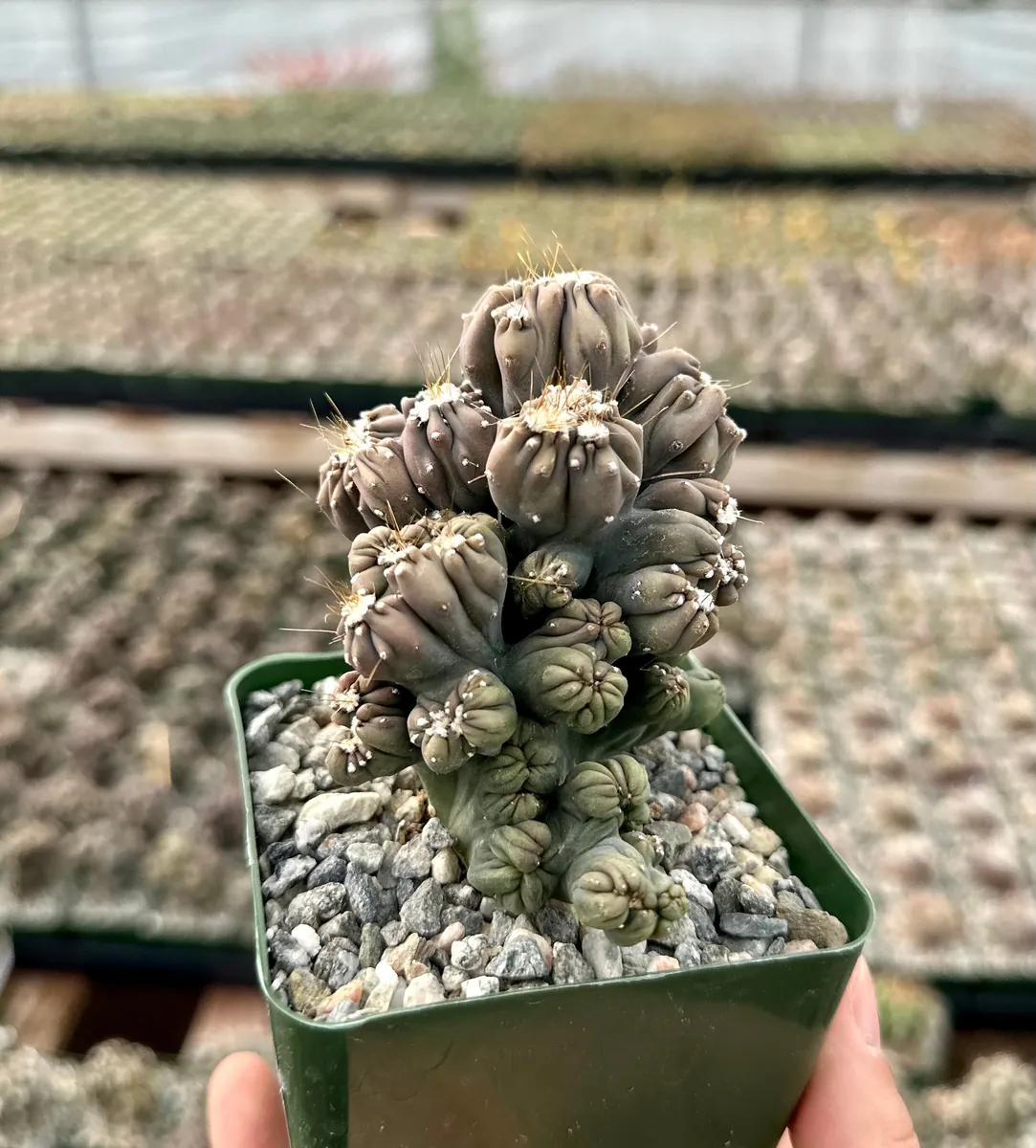
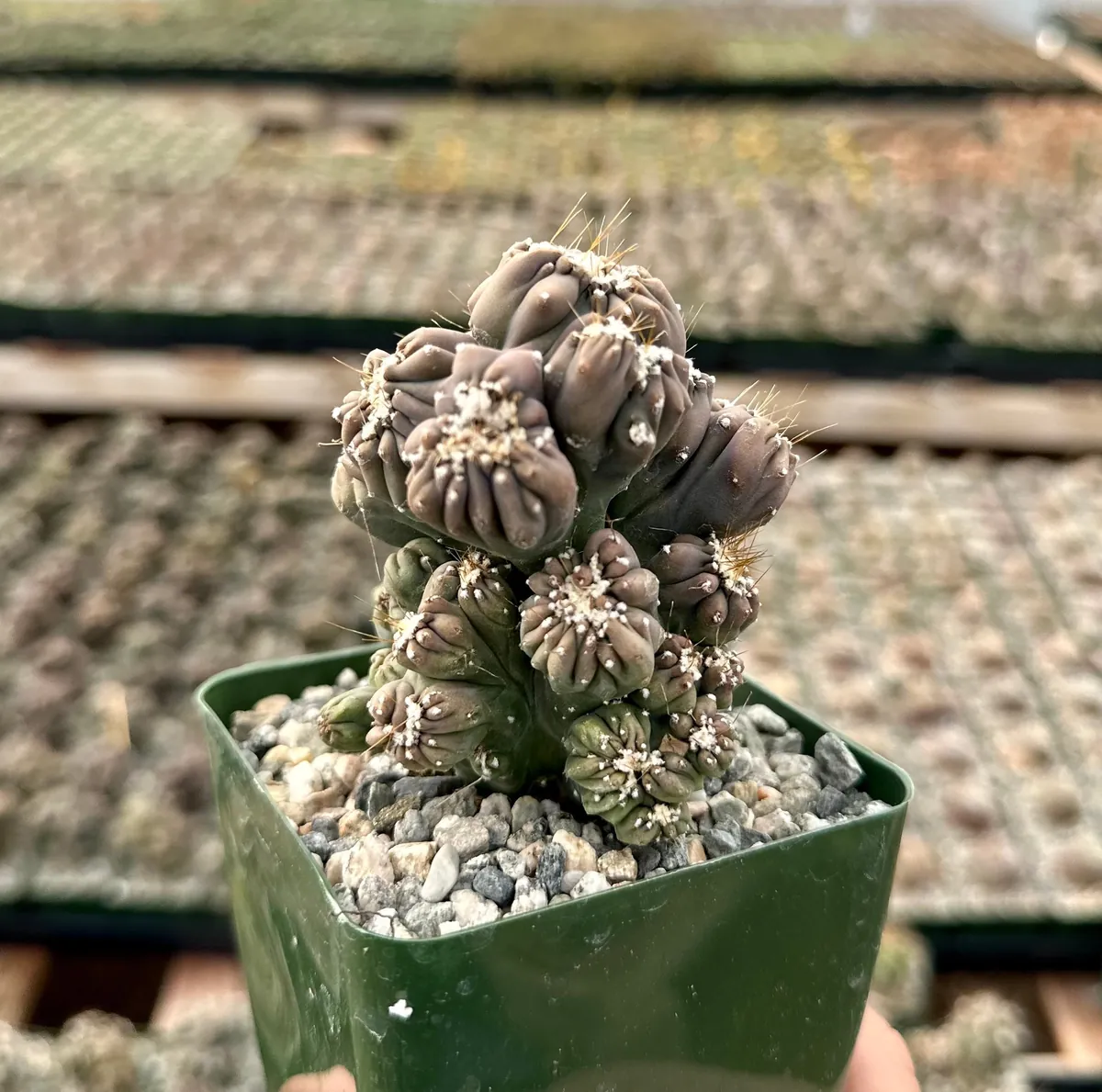
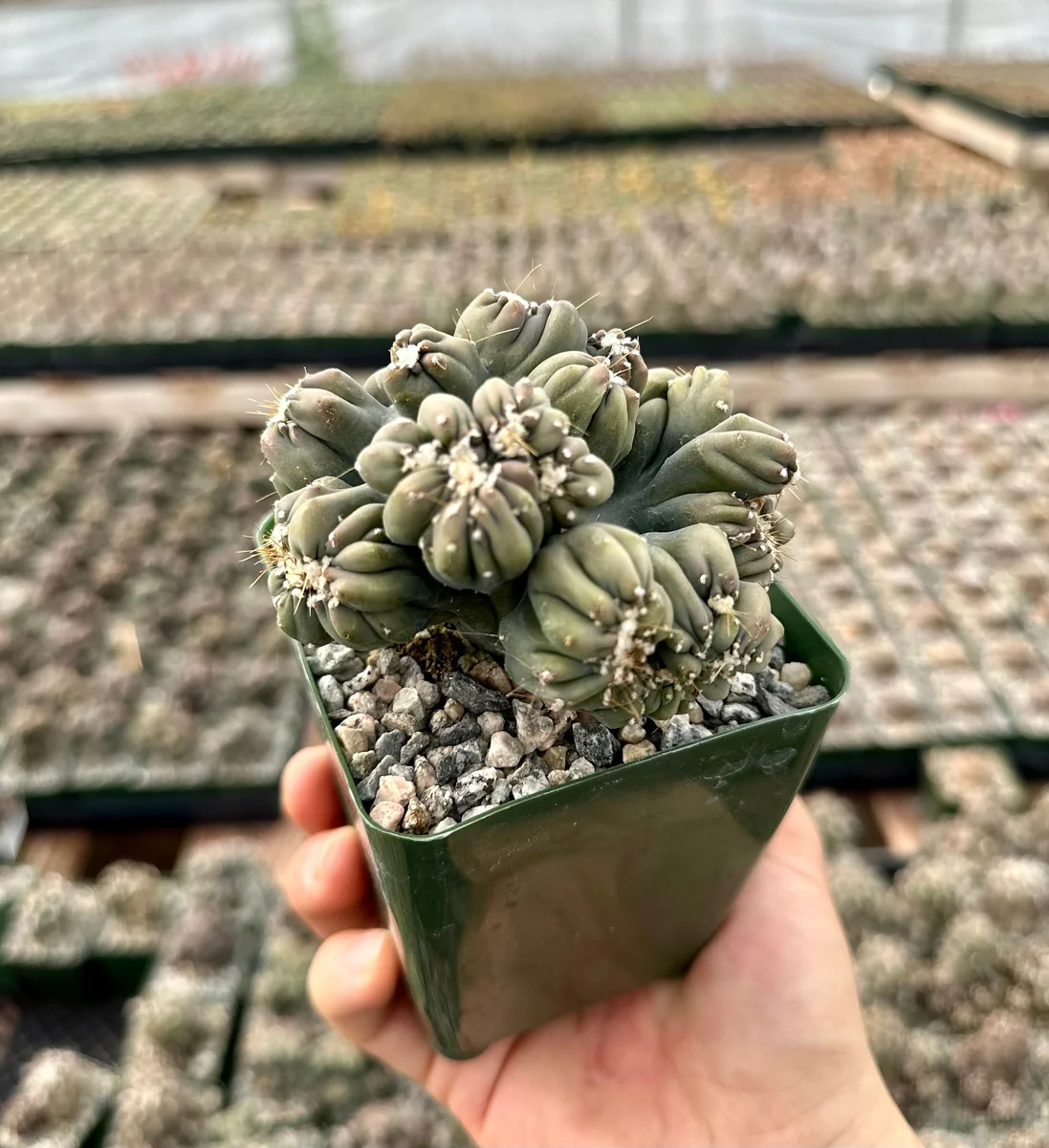
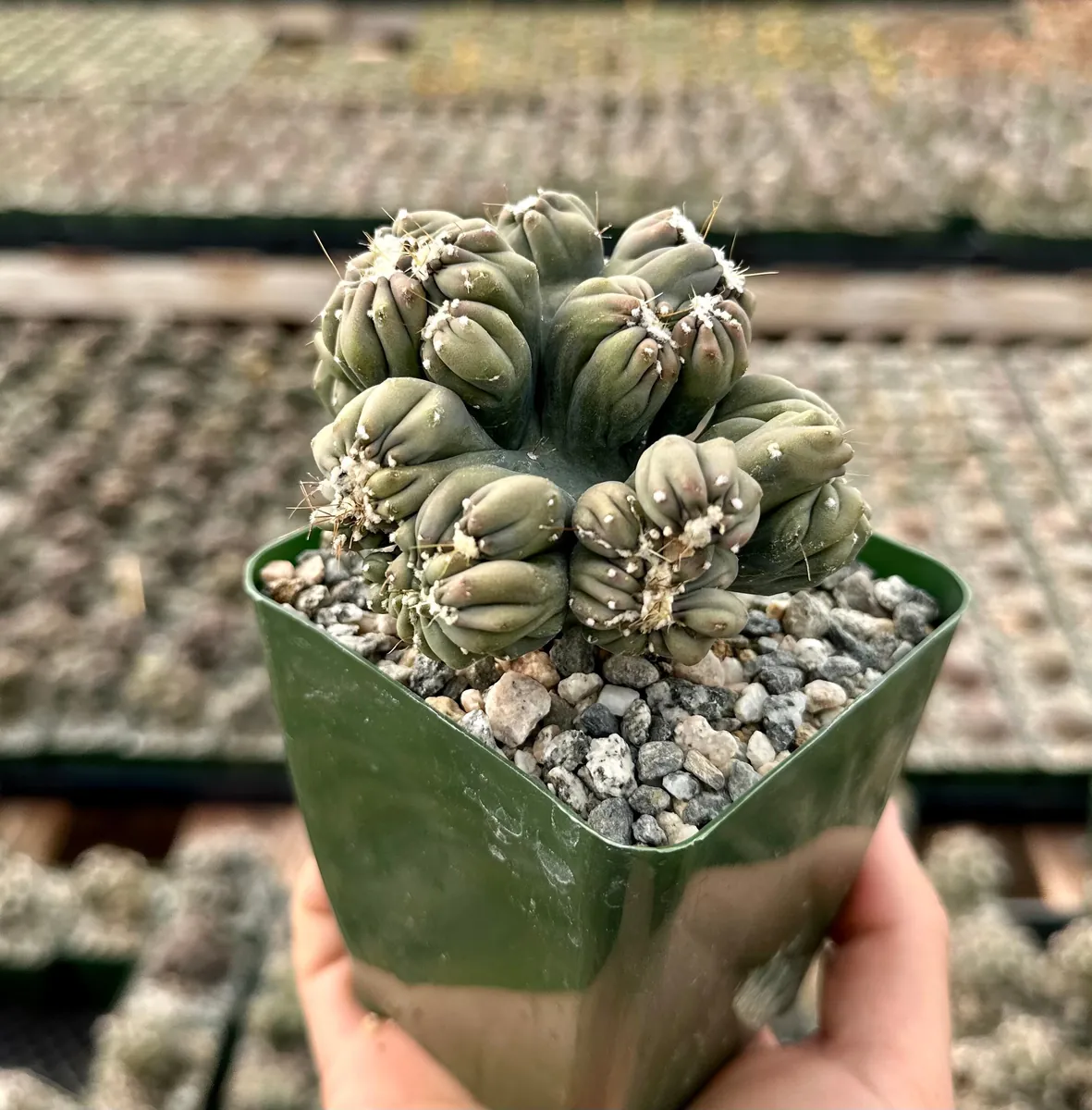
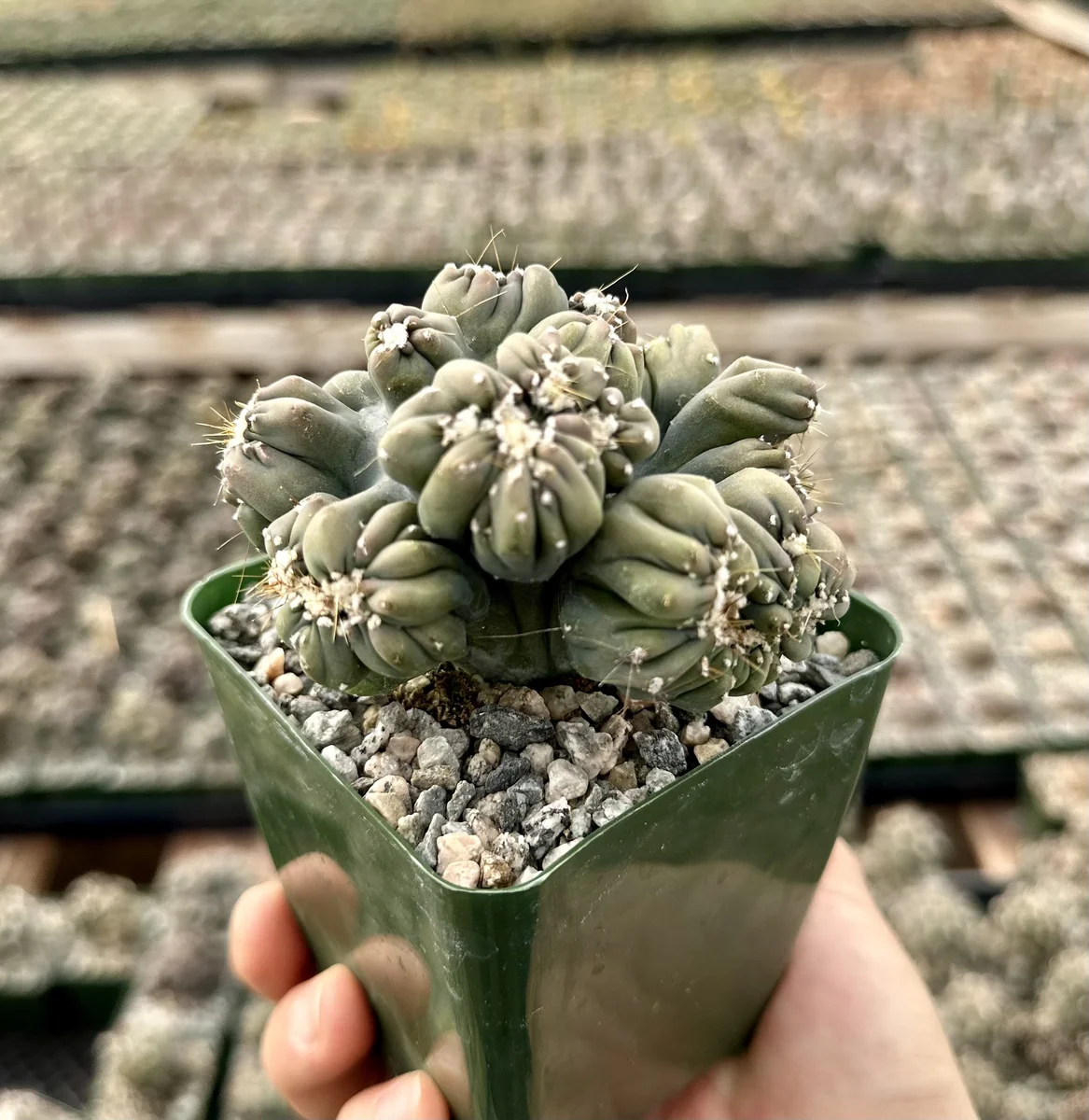
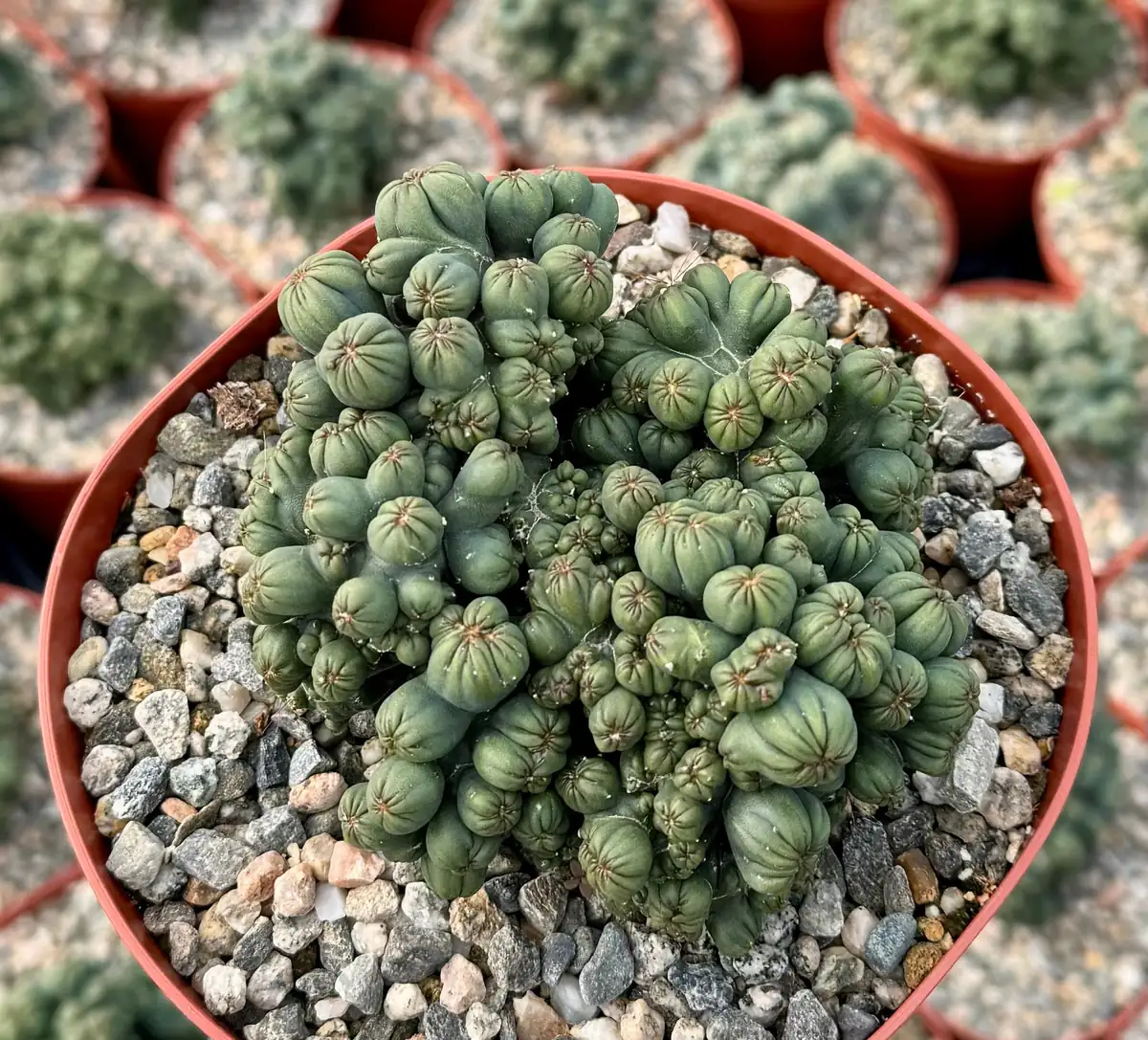
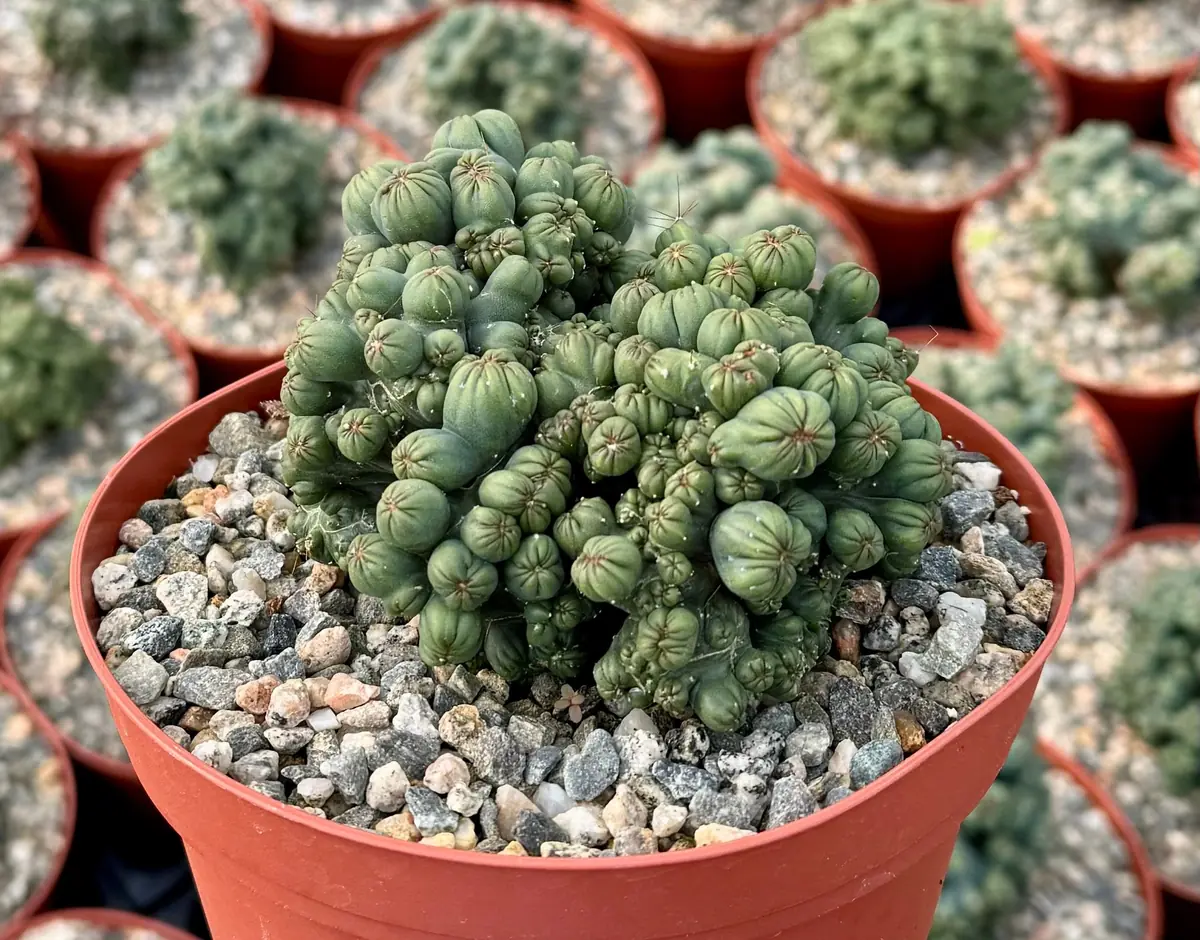
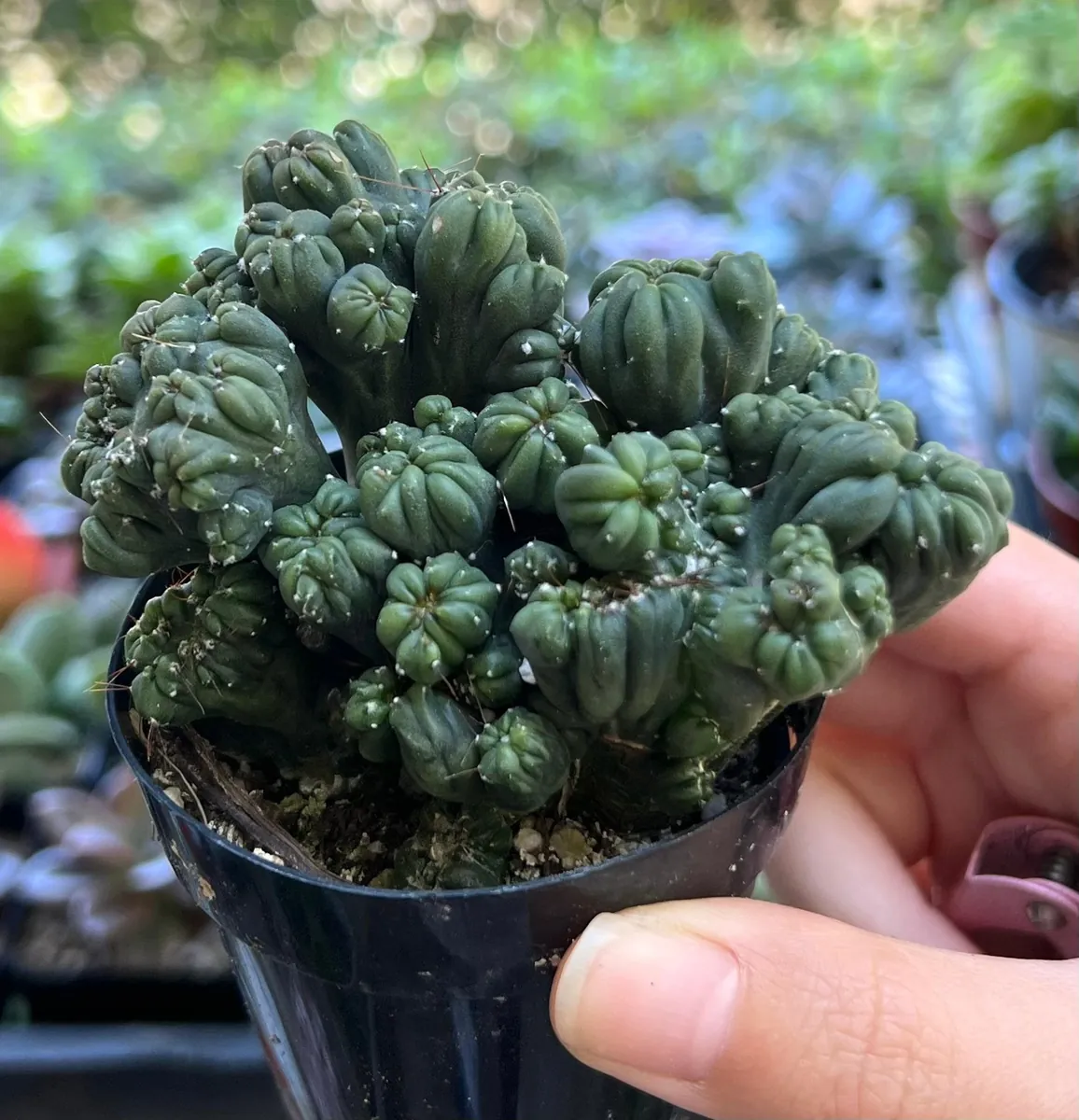
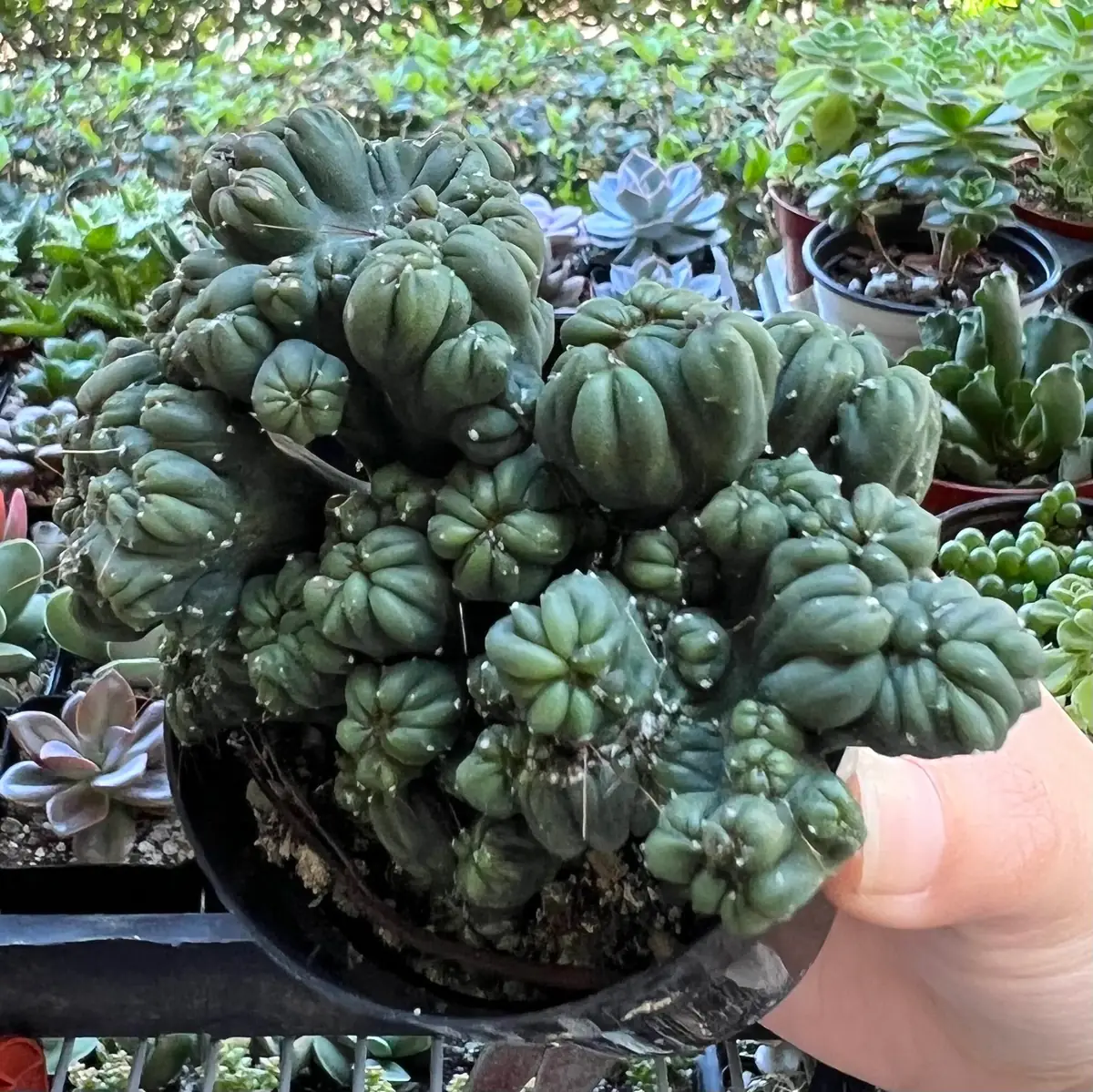
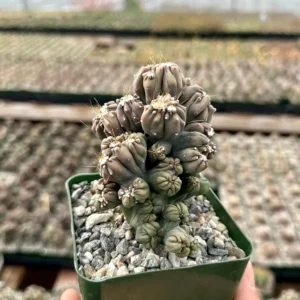
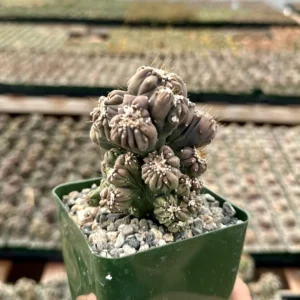
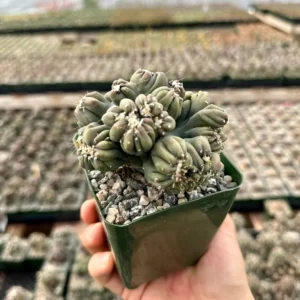
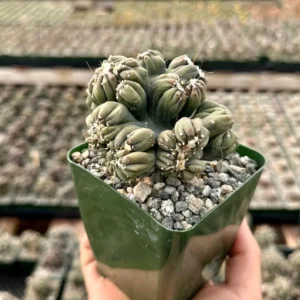
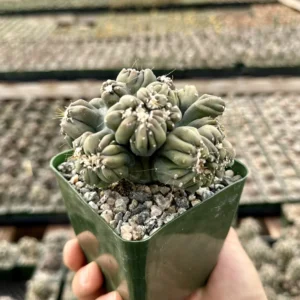
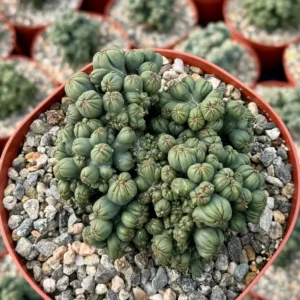
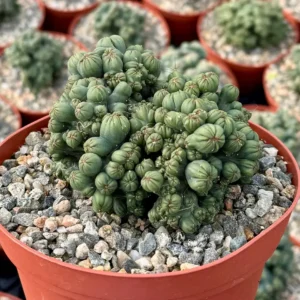
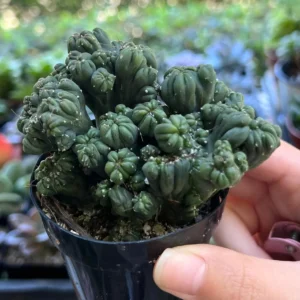
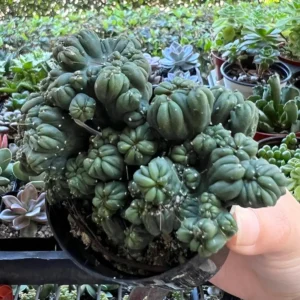
Welcome a remarkable botanical wonder into your home with the Ming Thing Cactus live plant. This captivating succulent, scientifically known as Cereus Forbesii Monstrose, is a mutant form of the larger Cereus forbesii, a columnar cactus native to Mexico. Its distinguishing feature is its irregular, twisted, and contorted growth patterns, which give it a truly unique and fascinating appearance. Often referred to simply as “Ming Thing,” this cultivar has gained immense popularity among plant enthusiasts and collectors alike due to its sculptural form and intriguing texture. If you’re searching for a rare cactus for sale that offers both aesthetic appeal and a conversation starter, the Ming Thing Cactus is an exceptional choice. It’s a live plant that promises to add an exotic touch to any indoor garden or collection.
The Ming Thing Cactus live plant is characterized by its light green, irregularly shaped stems that grow in random, undulating directions. These stems are adorned with multiple irregular ridges, contributing to its distinctive texture. While it is a slow-growing specimen, this captivating cactus can eventually reach impressive sizes of up to 3-4 feet in height and 2-3 feet in width, making it a long-term companion for your plant journey. Its unusual habit ensures that no two plants are exactly alike, offering a truly individual piece of living art. This plant is not just a succulent; it’s a living sculpture.
Key Benefits
The Ming Thing Cactus live plant offers a multitude of benefits, making it an excellent choice for both seasoned collectors and those new to the world of succulents. Its striking appearance and relatively straightforward care requirements contribute to its appeal.
- Exceptional Aesthetic Appeal: The primary draw of the Ming Thing Cactus is its highly unusual and sculptural form. Its twisted, contorted stems create a mesmerizing visual interest that stands out in any plant collection, making it a focal point in your home or office.
- Collector’s Item: As a rare cactus for sale, the Cereus Forbesii Monstrose is highly sought after by collectors. Owning one adds a unique and valuable specimen to your assortment of exotic plants, enhancing the diversity and intrigue of your collection.
- Low Maintenance: Like most cacti, the Ming Thing Cactus is remarkably easy to care for. It thrives on neglect, requiring minimal watering and attention, making it perfect for busy individuals or those new to plant care.
- Drought Tolerant: This succulent is naturally adapted to arid conditions, meaning it can withstand periods of drought. This resilience ensures its survival even if you occasionally forget to water it, reducing the risk of plant loss.
- Unique Conversation Starter: The bizarre and beautiful growth habit of the Cereus Forbesii Monstrose is sure to spark curiosity and conversation among guests. It’s a plant that tells a story without saying a word.
- Versatile Decor: Its compact to medium size and distinctive shape make it suitable for various indoor settings, from windowsills and desks to shelves and larger display areas. It complements modern, minimalist, and eclectic decor styles.
- Long Lifespan: With proper care, the Ming Thing Cactus live plant can live for many years, becoming a cherished and enduring part of your home environment. It’s an investment in long-term beauty.
Plant Care & Growing Tips
Caring for your Ming Thing Cactus live plant is relatively straightforward, making it a rewarding experience for both beginners and experienced plant parents. The key to its health and vigorous growth lies in understanding its fundamental needs, which largely mirror those of other desert-dwelling succulents. Providing the right conditions will ensure your Cereus Forbesii Monstrose thrives and continues to develop its unique, sculptural form.
Sunlight Requirements: The Ming Thing Cactus prefers bright light. Position your plant in a location where it can receive at least 6 hours of direct sunlight per day. A south-facing window is often ideal indoors. If growing outdoors in hot climates, some afternoon shade can prevent scorching, especially during the peak summer months. Insufficient light can lead to etiolation, where the plant stretches and becomes spindly in search of more light, diminishing its characteristic compact and contorted appearance.
Watering Schedule & Soil Moisture: Overwatering is the biggest killer of cacti. It is crucial to allow the soil to dry out completely between waterings. During the growing season (spring and summer), water thoroughly until water drains from the bottom of the pot, then wait until the soil is bone dry before watering again. In fall and winter, when the plant’s growth slows, reduce watering significantly, perhaps to once a month or even less, depending on your environment. Always err on the side of underwatering rather than overwatering to prevent root rot, which is a common issue for this unique cactus collection plant.
Soil Type and Drainage Requirements: This cactus demands well-draining soil. A specialized cactus or succulent potting mix is highly recommended. You can also create your own by mixing regular potting soil with perlite, pumice, or coarse sand in a 1:1 ratio. Good drainage is paramount; ensure the pot has drainage holes to prevent water from sitting around the roots. The right soil mix is vital for the long-term health of your Cereus Forbesii Monstrose.
Temperature Range and USDA Hardiness Zone: The Ming Thing Cactus is relatively hardy but is not frost-tolerant. It thrives in warm temperatures, ideally between 60-90°F (15-32°C). If grown outdoors, it is best suited for USDA Zones 9-11, where temperatures rarely drop below freezing. If you live in a colder climate, it is essential to bring your plant indoors before the first frost. Protect it from cold drafts, especially during winter. This makes it an ideal candidate for an easy care cactus indoors in most regions.
Fertilization Schedule and Type: Cacti are not heavy feeders. During the active growing season (spring and summer), you can feed your Ming Thing Cactus with a diluted, balanced liquid fertilizer formulated for succulents or cacti, typically once every 2-4 weeks. Use a fertilizer with a lower nitrogen content to encourage stem growth rather than excessive foliage. Refrain from fertilizing during the dormant period in fall and winter. Over-fertilization can lead to leggy growth and potential root burn.
Common Problems and Solutions: The most common issues are related to improper watering. If you notice soft, mushy stems, it’s likely overwatering and root rot. In this case, repot the plant into fresh, dry soil after trimming away any rotten roots. If the plant shrivels or appears dehydrated, it’s likely underwatering; give it a good soak. Pests are rare, but mealybugs or spider mites can occasionally appear. Treat with rubbing alcohol or an insecticidal soap for succulents. Providing an easy care cactus environment will help prevent most problems.
Size & Details
The Ming Thing Cactus live plant is typically offered in various pot sizes, such as 2.5 inch, 3.5 inch, and 6 inch nursery pots, allowing you to select the perfect size for your space or collection. While slow-growing, this unique cactus has the potential to reach an impressive height of 3-4 feet and a width of 2-3 feet when mature, given optimal growing conditions. Each plant boasts a distinctive, irregular growth pattern that makes it a singular addition to any indoor garden.
When shipped, the plant will arrive as a healthy, rooted specimen, ready to be placed in its new home. Its growth rate is moderate, meaning you’ll observe its fascinating development over time without it quickly outgrowing its space. This makes it an ideal long-term companion for your unique cactus collection. Expect a robust plant that will continue to develop its characteristic contorted stems, offering a dynamic and evolving display.
Frequently Asked Questions
- Q: How big does this Ming Thing Cactus live plant get? A: While slow-growing, the Ming Thing Cactus can eventually reach an impressive size of 3-4 feet tall and 2-3 feet wide. Its final size will depend on growing conditions and pot size.
- Q: Is this an indoor or outdoor plant? A: The Cereus Forbesii Monstrose can be grown both indoors and outdoors. If grown outdoors, it requires a warm climate (USDA Zones 9-11) and protection from frost. Indoors, it thrives in a bright, sunny location.
- Q: How much sunlight does the Ming Thing Cactus live plant need? A: This cactus prefers bright light and should receive at least 6 hours of direct sunlight daily. A south-facing window is ideal for indoor placement to ensure adequate light exposure.
- Q: Is this plant easy to care for? A: Yes, the Ming Thing Cactus is considered an easy care cactus. It is drought-tolerant and requires minimal watering, making it suitable for beginners and those with busy schedules.
- Q: What condition will it arrive in? A: Your rare cactus for sale will arrive as a healthy, live rooted plant in its nursery pot, carefully packaged to ensure its safe journey to your home.
- Q: How often should I water my Cereus Forbesii Monstrose? A: Water only when the soil has completely dried out. During the growing season, this might be every 2-4 weeks, and even less frequently in winter. Overwatering is detrimental to this plant.
- Q: What kind of soil is best for this cactus? A: A well-draining cactus or succulent potting mix is essential. You can also create your own by mixing regular potting soil with perlite or coarse sand to improve drainage.
- Q: Is this a good plant for a unique cactus collection? A: Absolutely! Its irregular, twisted growth patterns make the Ming Thing Cactus a highly sought-after and distinctive addition to any collection of rare and unusual succulents.
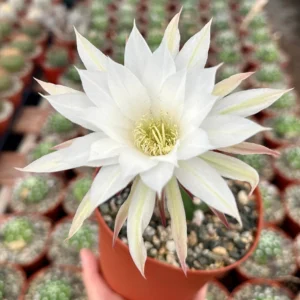
- Q: Does the Ming Thing Cactus live plant produce flowers? A: While primarily grown for its unique stem structure, mature Cereus Forbesii Monstrose can produce nocturnal white flowers, typically in warmer months, adding another layer of interest.
- Q: What’s the minimum temperature this plant can tolerate? A: The Ming Thing Cactus prefers temperatures above 40°F (4°C). It is not frost-tolerant, so bring it indoors if temperatures are expected to drop below this range.


Reviews
There are no reviews yet.