Overview
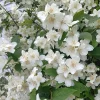
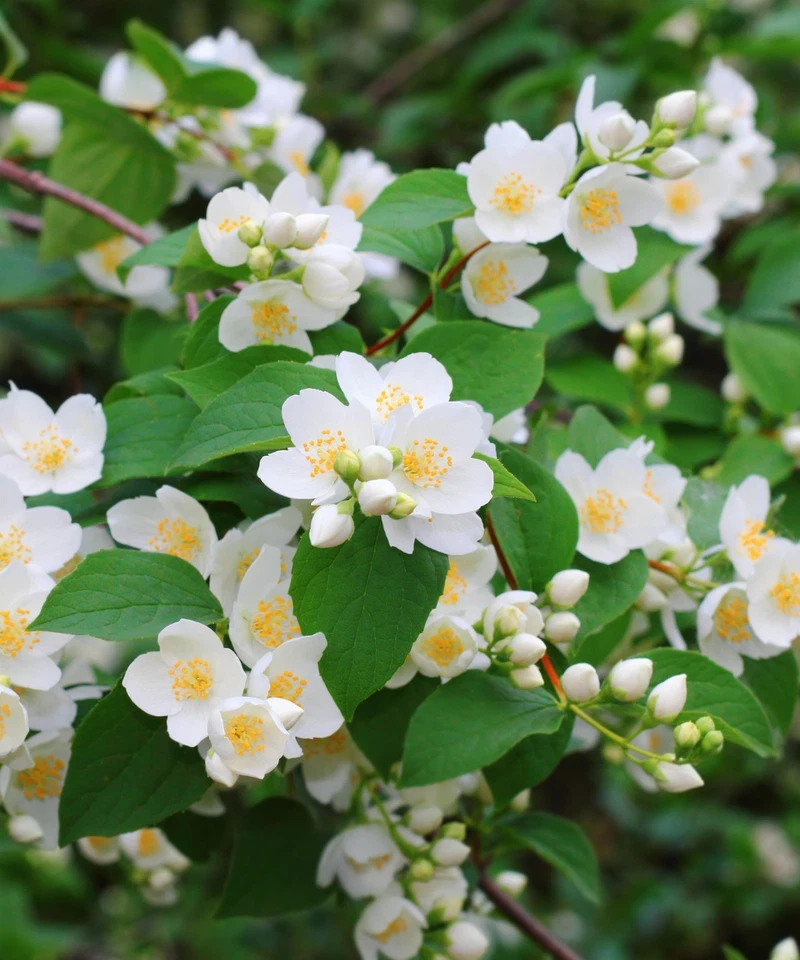
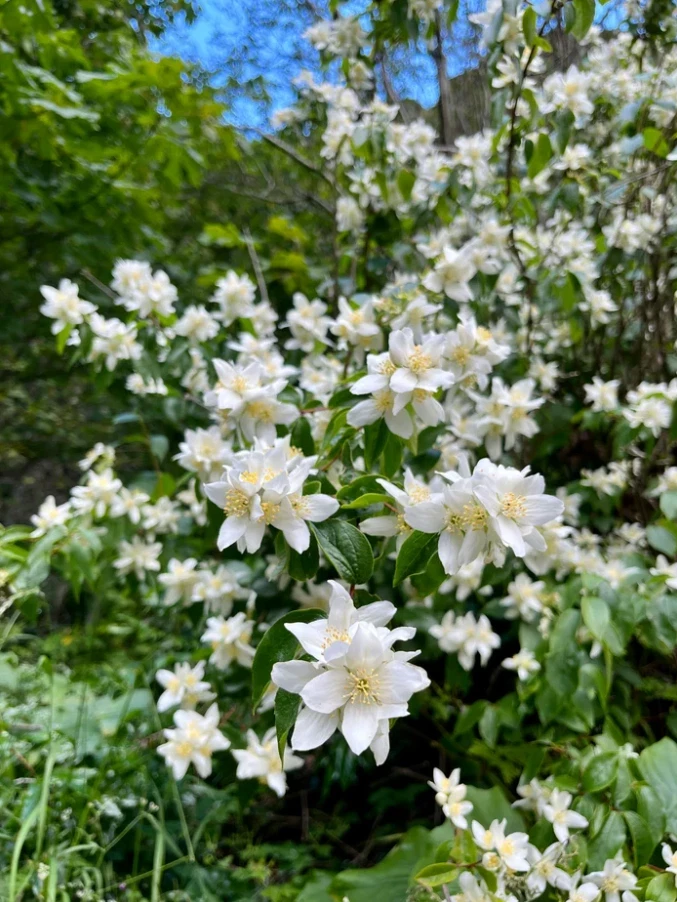
Introduce timeless elegance and an intoxicating fragrance to your landscape with the mock orange live plant. This delightful deciduous shrub, often referred to by its botanical name Philadelphus, is celebrated for its stunning display of pure white, often four-petaled, cup-shaped flowers. These blooms emerge in late spring to early summer, filling the air with a sweet, citrusy scent reminiscent of orange blossoms, hence its common name. Our mock orange live plant arrives ready to thrive in your garden, carefully cultivated in a 5-inch pot, ensuring a healthy start. It’s an excellent choice for gardeners seeking a low-maintenance yet high-impact addition to their outdoor spaces, providing both visual appeal and an unforgettable aroma.
The Mock Orange is a versatile shrub, fitting seamlessly into various garden designs, from cottage gardens to more formal settings. Its lush green foliage provides a beautiful backdrop throughout the growing season, even when not in bloom. This resilient plant is known for its adaptability and ability to flourish in a range of conditions, making it a favorite among both novice and experienced gardeners. If you’re looking for a plant that offers both beauty and a captivating fragrance, the mock orange live plant is an unparalleled choice.
Key Benefits
The mock orange live plant offers a multitude of benefits that make it a standout choice for any garden. From its captivating scent to its robust nature, this shrub is sure to impress:
- Exquisite Fragrance: One of the most cherished qualities of the Mock Orange is its intensely fragrant blooms. The sweet, citrus-like aroma can perfume an entire garden, especially on warm evenings, creating a truly sensory experience. This makes it perfect for planting near patios, windows, or walkways where its scent can be fully appreciated.
- Abundant White Flowers: In late spring to early summer, the plant is covered in a spectacular profusion of bright white flowers. These elegant blossoms create a striking contrast against the dark green foliage, adding a classic and clean aesthetic to the garden landscape.
- Attracts Pollinators: The fragrant flowers are a magnet for various beneficial pollinators, including bees and butterflies, contributing to a healthier and more vibrant garden ecosystem. This supports local biodiversity and helps in the pollination of other plants in your yard.
- Low Maintenance: Once established, the mock orange live plant is remarkably easy to care for. It tolerates a range of soil types and is generally resistant to most pests and diseases, requiring minimal intervention to maintain its beauty.
- Versatile Landscaping Use: This shrub can be used in numerous ways within the garden. It makes an excellent specimen plant, a beautiful flowering hedge, or can be incorporated into mixed borders for added height and texture. Its adaptability allows for creative landscaping designs.
- Hardy and Resilient: Mock Orange is known for its hardiness across a wide range of climates, tolerating both heat and cold once established. This makes it a reliable choice for many regions, ensuring consistent performance year after year.
- Deer Resistant: A significant advantage for many gardeners, growing mock orange is that it is generally considered deer resistant, meaning you can enjoy its beauty without common browsing issues.
Plant Care & Growing Tips
Caring for your mock orange live plant is straightforward, ensuring years of beautiful blooms and delightful fragrance. These shrubs thrive in a variety of conditions but perform best with a few key considerations. For optimal growth and flowering, plant your Mock Orange in a location that receives full sun to partial shade. Full sun (at least 6 hours of direct sunlight per day) will result in the most prolific flowering, while partial shade can be tolerated, especially in hotter climates, though flowering may be slightly reduced. Ensure the soil is well-draining, as Mock Orange does not like to sit in waterlogged conditions.
When it comes to watering, keep the soil consistently moist during the plant’s establishment period, typically the first year after planting. Once established, the Mock Orange is quite drought-tolerant, but regular watering during prolonged dry spells will encourage better growth and more abundant flowers. A good rule of thumb is to water deeply once or twice a week, allowing the top few inches of soil to dry out slightly between waterings. For soil, a wide range of well-drained soils are acceptable, from sandy to loamy to clay, as long as drainage is adequate. Incorporating organic matter into the planting hole can improve soil structure and fertility.
Pruning is essential for maintaining the shape and vigor of your philadelphus plant. The best time to prune is immediately after flowering in late spring or early summer. Remove any dead, damaged, or crossing branches, and thin out about one-third of the oldest stems to encourage new growth from the base. This rejuvenation pruning helps to maintain a manageable size and promotes more abundant blooms in the following season. Fertilization is generally not heavily required; a balanced slow-release fertilizer applied in early spring can be beneficial, especially if your soil is poor. Protect young plants from extreme winter conditions if you are at the colder end of its hardiness range. Understanding mock orange shrub care will lead to a thriving and fragrant addition to your garden.
Size & Details
This mock orange live plant is provided in a 5-inch nursery pot, perfectly sized for transplanting into your garden or a larger container. At maturity, most Mock Orange varieties typically grow to a height of 5-10 feet with a similar spread, forming an attractive, mounded shrub. The growth rate is moderate, meaning it will establish itself relatively quickly without becoming unruly. This plant is a deciduous shrub, meaning it will shed its leaves in the fall and winter, returning with fresh foliage and spectacular blooms in the spring. Expect its first significant bloom display within 1-2 years after planting, with increasing floriferousness as it matures.
The plant will arrive with healthy foliage, carefully packaged to ensure its safe journey to your home. It’s important to plant it as soon as possible after arrival to minimize transplant shock. The mature size makes it an excellent choice for a hedge, a privacy screen, or a prominent feature in a mixed border. Its robust nature ensures it will become a long-lasting and cherished part of your garden landscape, providing beauty and fragrance for many seasons to come. This fragrant garden plant is an investment in the sensory appeal of your outdoor living space.
Frequently Asked Questions
- Q: How big does this mock orange live plant get? A: Most Mock Orange varieties typically grow to a mature height and spread of 5-10 feet. Its size can be managed with proper pruning after flowering.
- Q: What size pot does it come in? A: This mock orange live plant is shipped in a 5-inch nursery pot, providing a good root system for successful transplanting.
- Q: Is this an indoor or outdoor plant? A: Mock Orange is primarily an outdoor shrub, thriving in garden settings where it can receive adequate sunlight and space to grow. It is not typically grown as an indoor houseplant.
- Q: How much sunlight does it need? A: For the best flowering, your Mock Orange prefers full sun, meaning at least 6 hours of direct sunlight per day. It can tolerate partial shade, but blooms may be less abundant.
- Q: Is this plant easy to care for? A: Yes, growing mock orange is considered relatively easy. Once established, it is quite low-maintenance, requiring well-draining soil, moderate watering, and annual pruning after it finishes blooming.
- Q: What condition will it arrive in? A: Your mock orange live plant will arrive carefully packaged, with healthy foliage and a well-developed root system, ready for planting. We take great care to ensure safe transit.
- Q: When is the best time to plant a philadelphus plant? A: The best time to plant Mock Orange is in spring or early fall, allowing the plant sufficient time to establish its root system before extreme weather conditions.
- Q: Will it survive winter in my zone? A: Mock Orange is generally hardy in USDA Zones 4-8, meaning it can tolerate winter temperatures in these regions. Check your specific zone to ensure it’s suitable for your climate.
- Q: What does the fragrant garden plant smell like? A: The flowers of the Mock Orange have a wonderfully sweet, citrusy fragrance, often compared to orange blossoms, which is most noticeable in the evening.
- Q: Is the Mock Orange deer resistant? A: Yes, Mock Orange is generally considered deer resistant, making it a good choice for gardens where deer browsing can be an issue.


Reviews
There are no reviews yet.