Overview
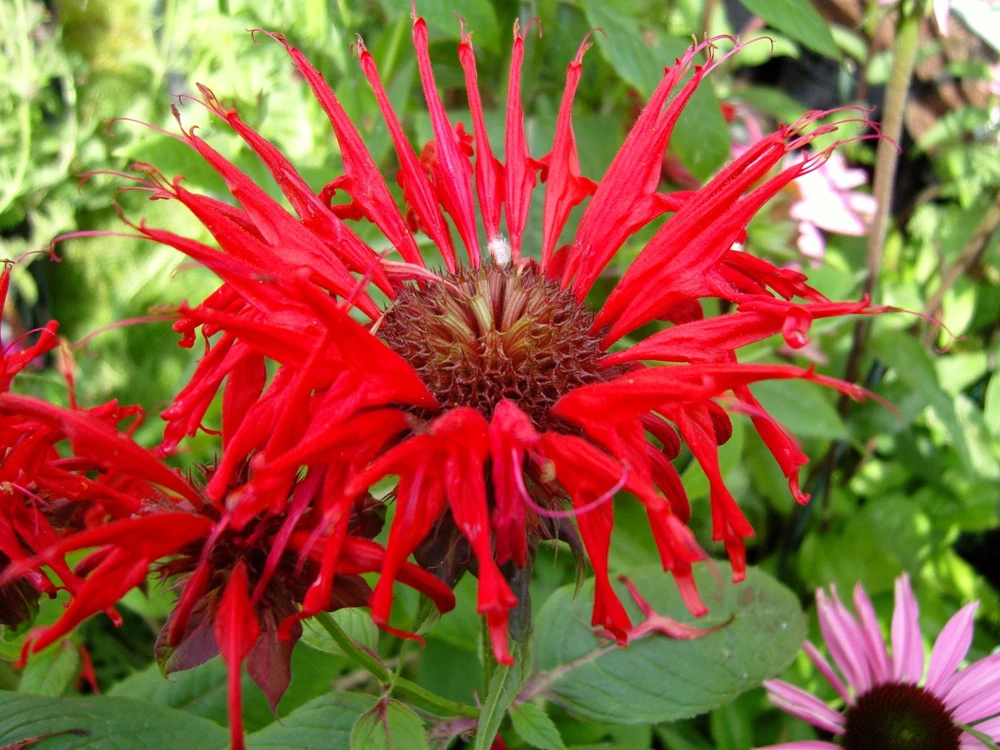
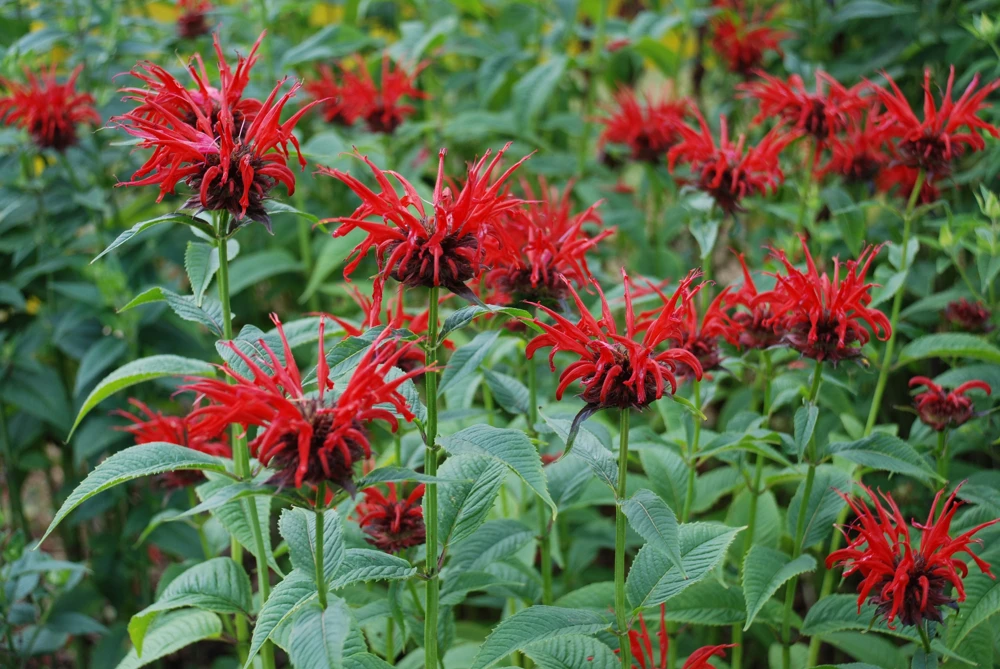
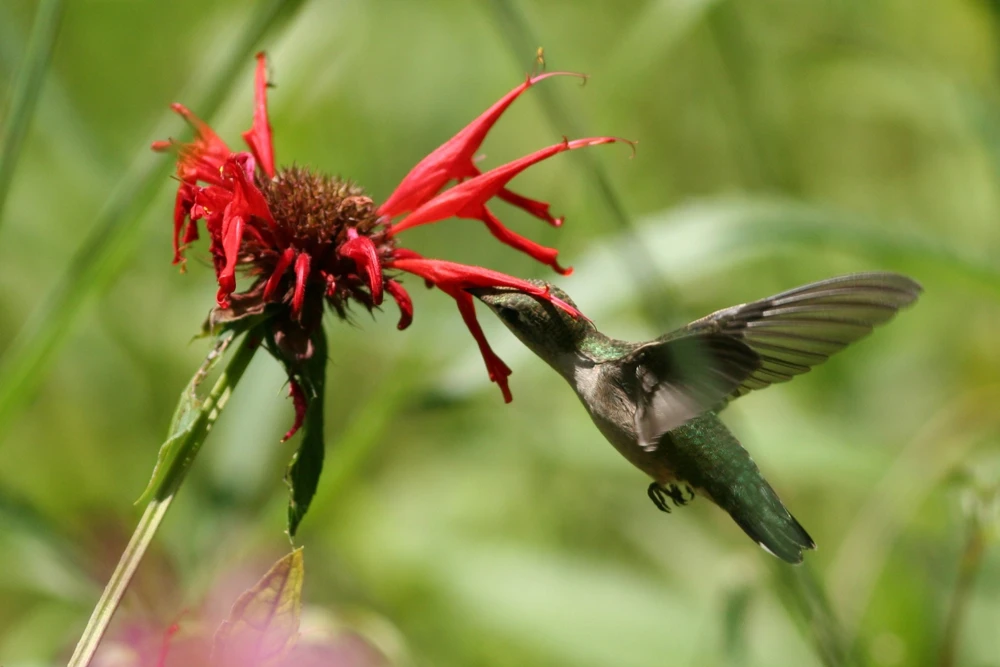
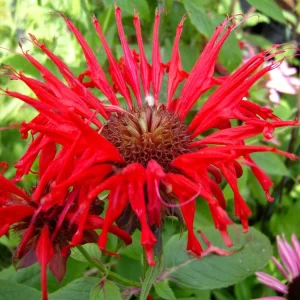
Introduce the stunning Monarda Jacob Cline live plant to your garden and experience a burst of vibrant red. This exceptional perennial, often referred to as Scarlet Bee Balm perennial, is renowned for its vigorous growth and abundant, showy flowers. Discovered growing wild near the Blue Ridge Parkway, ‘Jacob Cline’ quickly gained recognition for its significant powdery mildew resistance, a common issue with other Monarda varieties. Its striking red tubular blooms emerge from late June through August, creating a spectacular display that is a magnet for pollinators. The aromatic foliage adds another layer of sensory appeal, making this native Monarda plant a must-have for gardeners seeking both beauty and ecological benefit in their outdoor spaces.
The ‘Jacob Cline’ variety, named after the discoverer’s son and garden designer Jean Cline, was introduced to the trade by Saul Nursery. It is a fantastic choice for naturalized gardens, borders, or any area where its vibrant color and wildlife attraction can be fully appreciated. This hardy plant is a true garden workhorse, offering continuous color and a vital nectar source for a variety of beneficial insects and birds.
Key Benefits
The Monarda Jacob Cline live plant offers a multitude of advantages for your garden, combining aesthetic appeal with ecological value:
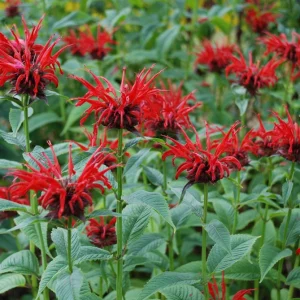
- Vibrant Red Blooms: Produces an abundance of eye-catching, deep red tubular flowers that create a dramatic visual impact in summer landscapes. These intense blooms are a focal point in any garden setting.
- Attracts Pollinators: A favorite of hummingbirds and long-tongued bees, this plant is an excellent choice for supporting local wildlife and enhancing the biodiversity of your garden space. It’s a true hummingbird plant.
- Powdery Mildew Resistant: ‘Jacob Cline’ is celebrated for its exceptional resistance to powdery mildew, ensuring healthier foliage and a more attractive plant throughout the growing season, unlike many other Bee Balm varieties. This makes it a truly mildew resistant Bee Balm.
- Aromatic Foliage: The plant’s leaves possess a delightful, minty aroma when crushed, adding a fragrant dimension to your garden. This aromatic quality also contributes to its deer and rabbit resistance.
- Native Perennial: As a native Monarda plant, it is well-adapted to North American climates, requiring less intervention once established and contributing to the ecological balance of your region.
- Long Bloom Period: Enjoy a prolonged display of flowers from late June through August, providing continuous color and nectar during the peak summer months.
- Deer and Rabbit Resistant: Its strong aromatic foliage naturally deters deer and rabbits, protecting your garden from common pests without the need for chemical deterrents.
Plant Care & Growing Tips
Caring for your Monarda Jacob Cline live plant is straightforward, making it an excellent choice for gardeners of all experience levels. This hardy perennial thrives in conditions that mimic its natural habitat. To ensure vigorous growth and abundant blooms, plant in full sun, meaning it should receive at least six hours of direct sunlight daily. While adaptable, it prefers average to moist soil with excellent drainage. Avoid overly wet or waterlogged conditions, as this can lead to root rot. When planting, water thoroughly to help establish the root system, and continue to water regularly until the plant is well-established. Once mature, it shows good drought tolerance, but consistent moisture during dry spells will promote the best flowering.
The ‘Jacob Cline’ variety is particularly robust, growing 3-4 feet tall and over 2 feet wide, forming an impressive clump. It is hardy in USDA Zones 3-8, capable of withstanding a wide range of temperatures. Fertilization is generally not heavily required; a balanced, slow-release granular fertilizer applied in early spring can boost growth. Deadheading spent flowers will encourage a longer bloom period and prevent self-seeding. While the straight species of Monarda didyma can be an aggressive spreader, ‘Jacob Cline’ is generally more contained, but it’s wise to give it space or plant it where its spreading nature can be appreciated. This mildew resistant Bee Balm benefits from good air circulation, which further helps in maintaining its health and vigor.
Winter care involves cutting back the spent foliage after the first hard frost, though leaving some seedheads can provide winter interest and food for birds. Division every 3-4 years in early spring or fall can rejuvenate older clumps and control their spread. With these simple care guidelines, your native Monarda plant will flourish, providing years of enjoyment and ecological benefit.
Size & Details
This offering is for one healthy, well-rooted Monarda Jacob Cline live plant, provided as a starter plant in a 2.5 inch by 3.5 inch pot. Upon arrival, the plant will be ready for transplanting into your garden or a larger container. ‘Jacob Cline’ typically grows to a mature height of 3-4 feet with a spread of over 2 feet, creating a substantial and impactful presence in the landscape. Its moderate to fast growth rate means you won’t have to wait long to enjoy its spectacular blooms. The plant ships dormant from November to April, meaning it may arrive with little to no leaves, which is a normal and healthy state for perennials during this period. Once planted, it will quickly emerge with new growth as temperatures rise.
The vigorous root system of this Scarlet Bee Balm perennial ensures it establishes quickly in suitable conditions. Expect its vibrant red flowers to begin appearing from late June and continue their display through August. This long bloom period provides extended beauty and a consistent food source for pollinators. The plant’s robust nature and resistance to common diseases make it a low-maintenance yet high-reward addition to any garden design. Its mature size makes it a perfect backdrop plant or a striking specimen in a mixed border.
Frequently Asked Questions
- Q: How big does this Monarda Jacob Cline live plant get? A: This variety typically grows to a mature height of 3-4 feet tall and spreads over 2 feet wide, forming a substantial clump in your garden. Its upright habit makes it an excellent choice for the middle or back of a border.
- Q: Is this an indoor or outdoor plant? A: The Monarda Jacob Cline live plant is an outdoor perennial. It thrives in garden beds and is hardy in USDA Zones 3-8, returning year after year with proper care.
- Q: How much sunlight does this mildew resistant Bee Balm need? A: For optimal growth and flowering, ‘Jacob Cline’ requires full sun, meaning at least 6 hours of direct sunlight per day. It can tolerate partial shade, but flowering may be reduced.
- Q: Is this plant easy to care for? A: Yes, this Scarlet Bee Balm perennial is relatively easy to care for. Once established, it is quite low-maintenance, especially given its excellent mildew resistance and drought tolerance.
- Q: What condition will the plant arrive in? A: Your Monarda Jacob Cline live plant will arrive as a healthy, well-rooted starter plant in a 2.5″x3.5″ pot. If shipped between November and April, it will likely be dormant with little to no foliage, which is normal for perennials.
- Q: How long until it blooms? A: With proper care, your ‘Jacob Cline’ Bee Balm should begin to bloom in its first or second growing season, typically from late June through August. Established plants will produce abundant flowers.
- Q: Will this native Monarda plant attract hummingbirds? A: Absolutely! The vibrant red, tubular flowers of Monarda ‘Jacob Cline’ are a powerful magnet for hummingbirds, making it an excellent choice for a wildlife garden or a dedicated hummingbird plant.
- Q: What type of soil does it prefer? A: This plant prefers average to moist soil with good drainage. It can tolerate a range of soil types but performs best in rich, organic soil.
- Q: Is the Monarda Jacob Cline live plant deer resistant? A: Yes, due to its aromatic foliage, Monarda ‘Jacob Cline’ is generally considered deer and rabbit resistant, making it a good choice for areas where these animals are a concern.
- Q: When is the best time to plant this perennial? A: Spring or early fall are the ideal times to plant this perennial, allowing it to establish its root system before extreme summer heat or winter cold.


Reviews
There are no reviews yet.