Overview
Welcome prosperity and natural beauty into your living space with this exquisite money tree live plant. Scientifically known as Pachira Aquatica, this beloved houseplant is renowned not only for its striking appearance but also for its cultural significance as a symbol of good fortune and financial well-being. Originating from the wetlands of Central and South America, the money tree has adapted beautifully to indoor environments, making it a perfect addition to any home or office decor. Its distinctive braided trunk, often created by intertwining multiple young stems, adds an artistic touch, while its vibrant green, palmate leaves create a lush, tropical ambiance. This particular money tree live plant arrives ready to thrive, offering an immediate touch of nature and positive energy to your surroundings. It’s a fantastic choice for those looking to add an easy-to-care-for, visually appealing, and symbolically rich plant to their collection.
The money tree live plant is more than just a decorative item; it’s a living piece of art that brings a sense of calm and natural elegance. Its resilience and relatively simple care requirements make it an excellent option for busy individuals or those new to plant care. Whether placed on a desk, a shelf, or as a floor accent, this plant is sure to capture attention and spark conversation. Embrace the charm and tradition of the money tree, and let its verdant presence enrich your indoor landscape.
Key Benefits
The money tree live plant offers a multitude of benefits, from enhancing aesthetics to improving your indoor environment and fostering a sense of well-being. Its unique characteristics make it a standout choice for any plant lover.
- Symbol of Prosperity & Good Fortune: Widely believed to bring good luck and financial success, the money tree live plant is a popular choice for homes and businesses. Its presence is thought to attract positive energy and abundance, making it a thoughtful gift or a personal charm.
- Air Purification: Like many houseplants, the money tree contributes to healthier indoor air quality by absorbing toxins and releasing fresh oxygen. This natural air-purifying ability helps create a more pleasant and invigorating living or working environment.
- Unique Aesthetic Appeal: With its distinctive braided trunk and glossy, palmate leaves, the Pachira Aquatica is a visually captivating plant. It adds an exotic and sophisticated touch to any decor style, from modern minimalist to bohemian chic, making it a focal point in any room.
- Low Maintenance & Easy Care: Despite its exotic appearance, the money tree live plant is surprisingly easy to care for, making it suitable for both novice and experienced plant parents. It tolerates a range of conditions and doesn’t demand constant attention, allowing you to enjoy its beauty without extensive upkeep.
- Versatile Decor Piece: Its moderate size and attractive form allow the money tree to fit seamlessly into various settings. It can brighten up a dull corner, add life to a home office, or serve as a stunning centerpiece on a dining table or console.
- Stress Reduction: The presence of greenery in indoor spaces has been shown to reduce stress and improve mood. Caring for a money tree live plant can be a calming and rewarding activity, contributing to overall mental well-being.
- Long Lifespan: With proper care, a money tree can thrive for many years, becoming a long-lasting and cherished part of your home. Its enduring presence provides continuous beauty and symbolic value.
Plant Care & Growing Tips
Caring for your money tree live plant is straightforward, ensuring it remains healthy and vibrant for years to come. Understanding its basic needs for light, water, and soil will set you up for success. The pachira aquatica care routine is relatively simple, making it an excellent choice for beginners and busy individuals alike.
Sunlight Requirements: The money tree thrives in bright, indirect light. Place it near a window where it can receive plenty of ambient light without direct exposure to harsh sunlight, which can scorch its leaves. An east-facing window is often ideal. If you notice its leaves turning yellow or brown, it might be getting too much direct sun; if the growth is leggy, it may need more light. Rotating the plant every few weeks will ensure even growth and prevent it from leaning towards the light source. This plant is a fantastic indoor money tree choice because of its adaptability to typical household lighting conditions.
Watering Schedule & Soil Moisture: Water your money tree thoroughly when the top 1-2 inches of soil feel dry to the touch. Allow excess water to drain completely from the pot’s drainage holes; never let the plant sit in standing water, as this can lead to root rot. Overwatering is a common mistake, so it’s better to slightly underwater than overwater. Reduce watering frequency during the cooler, darker winter months when the plant’s growth slows down. Good drainage is crucial for successful pachira aquatica care.
Soil Type & Drainage: A well-draining potting mix is essential for the money tree. A standard houseplant potting mix amended with perlite or sand to improve drainage works well. The pot must have drainage holes to prevent waterlogged soil. Re-potting every 2-3 years, or when the plant becomes root-bound, into a slightly larger pot with fresh soil will help maintain its health and encourage growth.
Temperature Range & USDA Hardiness Zone: Money trees prefer warm temperatures, typically between 65°F and 75°F (18°C-24°C). Avoid exposing them to temperatures below 50°F (10°C) or sudden drafts, which can stress the plant. As an indoor plant, USDA hardiness zones are less critical, but if grown outdoors in very warm climates, it would thrive in zones 10-11. For most US customers, it’s best kept as an indoor money tree.
Fertilization: Feed your money tree with a balanced liquid houseplant fertilizer every 2-4 weeks during its active growing season (spring and summer). Dilute the fertilizer to half strength to prevent over-fertilization, which can burn the roots. Reduce or stop fertilizing during fall and winter when the plant is dormant. Regular feeding supports lush foliage and robust growth.
Common Problems & Solutions: Yellowing leaves can indicate overwatering or nutrient deficiency. Drooping leaves often signal underwatering. Brown leaf tips suggest low humidity. Increase humidity by misting the leaves regularly or placing the pot on a pebble tray with water. Pest issues like spider mites or mealybugs can be treated with insecticidal soap or neem oil. Consistent pachira aquatica care will help prevent most issues.
Size & Details
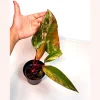
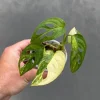
This money tree live plant is provided in a 4-inch nursery pot, perfectly sized for immediate display or easy transplanting into a decorative container. At this stage, the plant typically stands about 6-10 inches tall from the base of the pot to the top of its foliage, making it an ideal compact desk-friendly size or a charming addition to a shelf. The plant features the characteristic braided trunk, a result of careful cultivation, and boasts several healthy, vibrant green leaves. Money trees are moderate growers, and with proper care, they can reach heights of 6 feet or more indoors over many years, though their growth can be managed through pruning. Each plant is carefully selected to ensure it arrives healthy and ready to thrive in its new home. It’s a wonderful way to introduce the symbolic charm of a money plant good luck charm into your living space.
The specific dimensions and appearance may vary slightly due to the natural growth patterns of live plants, but each specimen is guaranteed to be a robust and attractive representation of the Pachira Aquatica. This size is excellent for new plant owners to observe its development and enjoy its growth. The 4-inch pot is suitable for a few months before potentially needing a slightly larger home, allowing you ample time to settle your new indoor money tree into its environment.
Frequently Asked Questions
- Q: How big does this money tree get? A: This money tree live plant arrives in a 4-inch pot, typically 6-10 inches tall. Indoors, with proper care, it can grow to 6 feet or more, but its size can be managed with pruning to suit your space.
- Q: Is this an indoor or outdoor plant? A: The money tree is primarily an indoor money tree in most climates. It thrives in warm, humid conditions and bright, indirect light, making it perfectly suited for indoor environments. It can be moved outdoors in warm, shaded areas during summer in appropriate USDA zones.
- Q: How much sunlight does it need? A: Your money tree live plant prefers bright, indirect sunlight. Avoid direct, harsh sun exposure, which can scorch its leaves. A spot near an east-facing window or a few feet from a south or west-facing window is usually ideal.
- Q: Is this plant easy to care for? A: Yes, the money tree is considered relatively easy to care for, making it a great choice for beginners. Consistent watering when the topsoil is dry and bright, indirect light are the main components of successful pachira aquatica care.
- Q: What condition will it arrive in? A: Your money tree live plant will arrive carefully packaged in its 4-inch nursery pot, healthy and ready to be placed in your home. We take great care to ensure it reaches you in excellent condition.
- Q: How often should I water my money tree? A: Water your money tree when the top 1-2 inches of soil feel dry to the touch. Ensure the pot has drainage holes, and allow all excess water to drain out. Overwatering is more detrimental than slight underwatering for pachira aquatica care.
- Q: Is the money tree pet-safe? A: The money tree live plant (Pachira Aquatica) is generally considered non-toxic to cats and dogs, according to the ASPCA. However, it’s always best to prevent pets from chewing on plants.
- Q: Does the money plant really bring good luck? A: In many cultures, the money plant good luck belief is strong, with the braided trunk symbolizing the binding of good fortune. While not scientifically proven, its presence can certainly bring a sense of positivity and beauty to your home.
- Q: What kind of soil is best for a money tree? A: A well-draining potting mix is crucial. You can use a general houseplant potting mix amended with perlite or sand to enhance drainage, which is key for healthy indoor money tree growth.
- Q: When is the best time to repot my money tree? A: Repot your money tree every 2-3 years, or when you notice it becoming root-bound, typically in the spring. Choose a pot that is only slightly larger than the current one to avoid overwatering issues.


Reviews
There are no reviews yet.