Overview
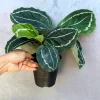
Welcome abundance and positive energy into your living or working space with a magnificent money tree live plant. Scientifically known as Pachira aquatica, this popular houseplant is revered for its distinctive braided trunk and vibrant green leaves, which fan out like fingers, symbolizing good fortune and prosperity in many cultures, particularly in Feng Shui. Originating from the wetlands of Central and South America, the money tree live plant is not only aesthetically pleasing but also incredibly resilient and adaptable, making it an excellent choice for a wide range of indoor environments. Whether you’re looking to enhance your home decor, bring a touch of nature to your office, or gift a symbol of good luck, this plant is a perfect selection. Its unique appearance and cultural significance make it a conversation starter and a cherished addition to any plant collection.
The money tree live plant is often associated with financial success and well-being, making it a thoughtful gift for housewarmings, new businesses, or any occasion where you wish to convey blessings of prosperity. Its robust nature and relatively low maintenance requirements mean that even those new to plant care can enjoy its beauty and purported benefits. Each plant is carefully cultivated to ensure healthy growth and a strong root system, ready to thrive in its new home. Embrace the beauty and symbolism of the money tree live plant and let its vibrant energy transform your space.
Key Benefits
The money tree live plant offers a multitude of benefits beyond its striking appearance. It’s more than just a decorative item; it’s a living element that contributes to a healthier and more serene environment. Here are some of the key advantages of having a money tree live plant:
- Symbol of Prosperity and Good Fortune: Widely recognized in Feng Shui as a symbol of wealth and financial success, the braided money tree is believed to attract positive energy and good luck to its owner. Placing it in your home or office can create an atmosphere of abundance and well-being.
- Air Purification Qualities: Like many houseplants, the Pachira aquatica care involves its natural ability to filter toxins from the air. It helps improve indoor air quality by absorbing pollutants and releasing fresh oxygen, contributing to a healthier living or working environment.
- Low Maintenance and Easy Care: This plant is surprisingly forgiving, making it ideal for busy individuals or those new to plant care. Its resilience means it can tolerate occasional neglect and still flourish, providing lush greenery with minimal effort.
- Unique and Decorative Appearance: The distinctive braided trunk and glossy, palmate leaves create a visually appealing focal point. It adds a touch of tropical elegance and natural beauty to any room, enhancing your interior decor.
- Stress Reduction and Well-being: Studies show that having plants indoors can reduce stress levels, improve mood, and increase productivity. The calming presence of an indoor money tree can contribute to a more peaceful and harmonious atmosphere.
- Versatile Placement: Its moderate size and adaptable nature allow it to thrive in various indoor settings, from living room corners to office desks. It can be a standalone statement piece or part of a larger plant arrangement.
- Long Lifespan: With proper care, a money tree live plant can live for many years, becoming a long-term companion and a continuous source of positive energy and natural beauty in your space.
Plant Care & Growing Tips
Caring for your money tree live plant is straightforward, making it a rewarding experience for all gardeners. Understanding its basic needs will ensure your Pachira aquatica thrives and continues to bring beauty and positive energy to your home. The key to successful Pachira aquatica care lies in balancing its light, water, and soil requirements.
Sunlight Requirements: The money tree live plant prefers bright, indirect light. Avoid direct, harsh sunlight, which can scorch its leaves. An east or west-facing window is often ideal, providing ample light without the intensity of direct midday sun. If placed in a lower light area, it may grow slower and have less vibrant foliage. Rotate your plant every few weeks to ensure even growth and prevent it from leaning towards the light source. Too little light can lead to leggy growth, while too much can cause leaf burn.
Watering Schedule and Soil Moisture Preferences: Water your money tree live plant thoroughly when the top 1-2 inches of soil feel dry to the touch. It’s crucial to allow the soil to dry out between waterings to prevent root rot, which is a common issue for this plant. Ensure the pot has drainage holes to allow excess water to escape. During winter months, reduce watering frequency as the plant’s growth slows. Overwatering is more detrimental than underwatering for this species. A good rule of thumb is to check the soil moisture every 7-10 days, but adjust based on your home’s humidity and temperature.
Soil Type and Drainage Requirements: A well-draining potting mix is essential for the health of your indoor money tree. A standard houseplant potting mix amended with perlite or coarse sand will provide the necessary drainage and aeration. Avoid heavy, compacted soils that retain too much moisture. Good drainage prevents waterlogged roots and helps maintain a healthy root system. The ideal pH for the soil is slightly acidic to neutral.
Temperature Range and USDA Hardiness Zone: The money tree live plant thrives in average room temperatures, ideally between 65°F and 75°F (18°C-24°C). It is sensitive to cold drafts and sudden temperature fluctuations, so keep it away from open windows, air conditioning vents, and heating units. As a tropical plant, it is not frost-tolerant. If grown outdoors in suitable climates, it generally falls within USDA Hardiness Zones 10-11, where temperatures rarely drop below freezing. For most US customers, it will be an indoor money tree.
Fertilization Schedule and Type: Feed your money tree live plant with a balanced liquid fertilizer diluted to half strength once a month during the growing season (spring and summer). Reduce or stop fertilization during the dormant winter months. Over-fertilization can lead to nutrient burn, so always follow product instructions. A general-purpose houseplant fertilizer is usually sufficient.
Common Problems and Solutions: Yellowing leaves often indicate overwatering or nutrient deficiency. Brown, crispy leaf tips can signal low humidity or underwatering. Pest issues like spider mites or mealybugs can occur; treat them with insecticidal soap or neem oil. Regularly inspecting your plant will help catch problems early. Ensuring proper Pachira aquatica care will mitigate most common issues.
Size & Details
This money tree live plant is carefully cultivated and shipped in a 1 Gallon Pot, providing a robust start for its continued growth in your home or office. Upon arrival, the plant typically stands between 12-18 inches tall from the base of the pot, with its characteristic braided trunk already established, offering immediate aesthetic appeal. The mature height of an indoor money tree can vary, but with proper care, it can reach impressive heights of 6-8 feet indoors, though it can be pruned to maintain a desired size and shape. Its growth rate is moderate, allowing you to enjoy its development over time without it quickly outgrowing its space.
The plant will arrive with healthy, vibrant green foliage, ready to adapt to its new environment. The braided money tree trunk is a natural feature created by intertwining multiple young stems, which fuse together over time, adding to its unique charm. This particular plant is a young, thriving specimen, perfect for growing into a larger, more majestic plant. It is shipped securely in its nursery pot to minimize stress during transit, ensuring it arrives in excellent condition, ready for you to enjoy. Expect lush, healthy leaves and a well-developed root system, indicative of a strong and resilient plant.
Frequently Asked Questions
- Q: How big does this plant get? A: This money tree live plant is shipped in a 1 Gallon pot and is typically 12-18 inches tall. Indoors, with proper care, it can grow up to 6-8 feet tall, but you can prune it to maintain a more compact size.
- Q: Is this an indoor or outdoor plant? A: While it can thrive outdoors in tropical climates (USDA Zones 10-11), for most US customers, the money tree live plant is best kept as an indoor money tree due to its sensitivity to cold.
- Q: How much sunlight does it need? A: The money tree live plant prefers bright, indirect light. Avoid direct, harsh sunlight, which can scorch its leaves. An east or west-facing window is usually ideal.
- Q: Is this plant easy to care for? A: Yes, the Pachira aquatica care is relatively easy, making it a great choice for both beginners and experienced plant enthusiasts. It’s quite forgiving and resilient.
- Q: What condition will it arrive in? A: Your money tree live plant will arrive securely packaged in its nursery pot, with healthy foliage and a well-developed root system, ready to thrive in your home.
- Q: How often should I water my money tree? A: Water thoroughly when the top 1-2 inches of soil feel dry to the touch. Allow the soil to dry out between waterings to prevent root rot. Overwatering is the most common mistake in Pachira aquatica care.
- Q: Is the money tree pet-safe? A: The money tree live plant (Pachira aquatica) is generally considered non-toxic to cats and dogs, according to the ASPCA. However, it’s always best to prevent pets from ingesting any plant material.
- Q: Why are the leaves turning yellow? A: Yellowing leaves on a money tree live plant often indicate overwatering. Ensure the soil dries out between waterings and that the pot has adequate drainage. It could also be a sign of insufficient light or nutrient deficiency.
- Q: Can I unbraid the trunk? A: The braided trunk is a permanent feature formed when the plant is young. Attempting to unbraid it could damage the plant. The braided money tree is part of its unique appeal.
- Q: When is the best time to repot my money tree? A: Repot your money tree live plant in the spring or early summer when it has outgrown its current pot, usually every 1-2 years. Choose a pot that is only 1-2 inches larger in diameter.


Reviews
There are no reviews yet.