Overview
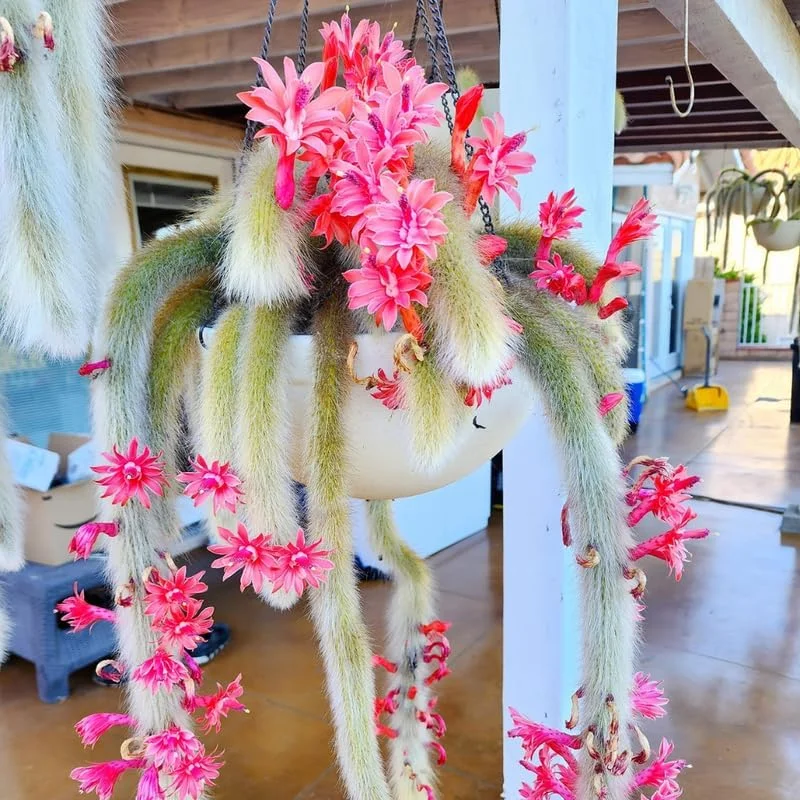
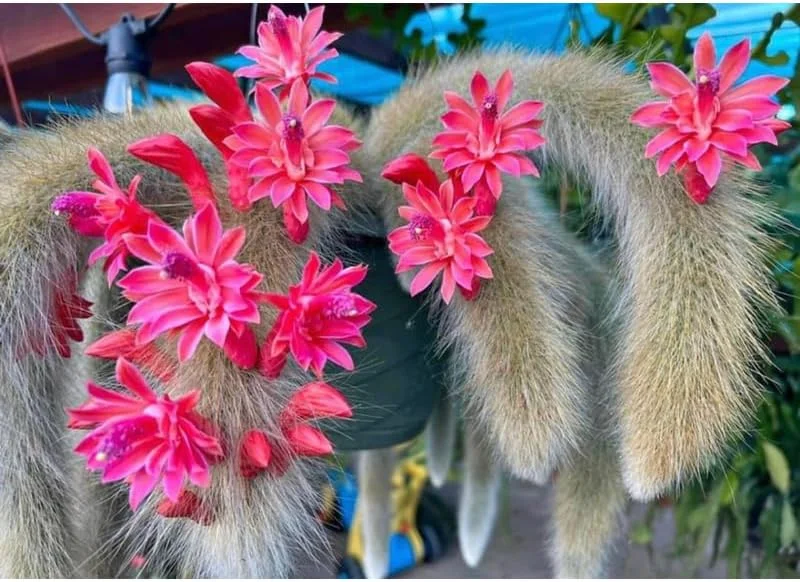
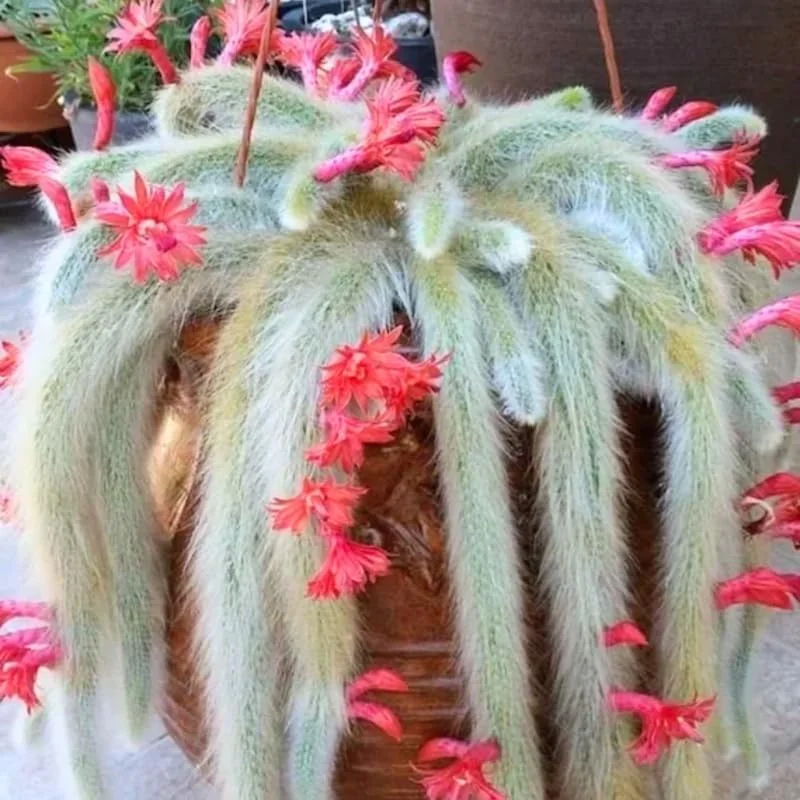
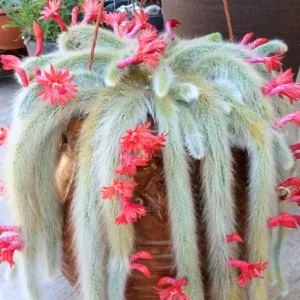
Introduce an extraordinary botanical specimen to your collection with the monkey tail cactus live plant. This fascinating succulent, scientifically known as Hildewintera colademononis or Cleistocactus colademononis, is renowned for its long, cascading stems covered in soft, white, hair-like spines, resembling a monkey’s tail. Our offering is a 10-15 inch bare root plant, ready for you to pot and nurture. Originating from Bolivia, this rare succulent plant brings a touch of exotic charm and visual interest to any indoor space. Its unique appearance makes it a captivating focal point, perfect for plant enthusiasts seeking something truly special and low-maintenance. The distinctive furry stems are not only aesthetically pleasing but also protect the plant from harsh sunlight, reflecting its natural desert habitat.
Cultivating this trailing monkey tail cactus is a rewarding experience, as it thrives with minimal fuss once established. It’s an excellent choice for both novice and experienced gardeners, offering an unusual form that stands out from typical houseplants. The bare root format ensures a healthy start, allowing the plant to adapt quickly to its new environment. As it grows, the stems can reach impressive lengths, creating a dramatic display, especially when grown in hanging planters where its trailing habit can be fully appreciated.
Key Benefits
The monkey tail cactus live plant offers a multitude of benefits that make it a highly desirable addition to any home or garden. Its unique characteristics contribute to both aesthetic appeal and ease of care.
- Unique Ornamental Appeal: The most striking feature of the trailing monkey tail cactus is its distinctive long, fuzzy, cascading stems. These soft, white bristles give it an unmistakable appearance, making it a conversation starter and a unique decorative element in any room.
- Low Maintenance & Drought Tolerant: As a succulent, this plant is incredibly forgiving and requires minimal watering. It’s an ideal choice for busy individuals or those new to plant care, thriving on neglect rather than constant attention, making monkey tail cactus care relatively simple.
- Ideal for Hanging Planters: Its natural growth habit involves long stems that can cascade several feet, making it perfectly suited for hanging baskets or elevated pots where its unique form can be showcased.
- Air Purifying Qualities: Like many succulents, the Monkey Tail Cactus contributes to a healthier indoor environment by helping to filter toxins from the air, improving overall air quality in your living space.
- Rare & Collectible: This rare succulent plant is not commonly found, making it a prized possession for collectors and those looking to diversify their plant collection with something truly unusual.
- Robust & Easy to Establish: Shipped as a bare root, this plant establishes quickly when potted correctly in a well-draining succulent mix, ensuring a strong start and vigorous growth.
- Adds Texture and Interest: The soft, furry texture of its stems provides a tactile and visual contrast to other plants, adding depth and interest to your plant arrangements.
Plant Care & Growing Tips
Proper monkey tail cactus care ensures a healthy and thriving plant that will delight you for years. This succulent is relatively easy to care for, but understanding its specific needs will help it flourish. The Hildewintera colademononis thrives in bright light conditions. It prefers full sun exposure, meaning at least 6 hours of direct sunlight per day. If grown indoors, place it near a south-facing window or under a grow light. While it tolerates some shade, too little light can lead to leggy growth and fewer flowers. Moderate watering is key for this plant; allow the soil to dry out completely between waterings to prevent root rot. During the growing season (spring and summer), water thoroughly but infrequently. In winter, reduce watering significantly, as the plant enters a dormant period.
The right soil mix is crucial for a trailing monkey tail cactus. Use a well-draining cactus or succulent soil mix, which typically contains perlite, pumice, or coarse sand to ensure excellent drainage. Repotting should be done every 2-3 years or when the plant outgrows its container, preferably in spring. This plant is hardy in USDA Zones 9–11, meaning it can tolerate mild frost but should be protected from freezing temperatures. If you live in a colder zone, it’s best to grow it in a container that can be moved indoors during winter. Fertilize sparingly during the growing season with a diluted, balanced liquid fertilizer formulated for cacti and succulents. Over-fertilization can harm the plant. Monitor for common pests like mealybugs or spider mites, which can be treated with insecticidal soap or neem oil. Good air circulation also helps prevent fungal issues. This rare succulent plant will reward you with beautiful, unique growth and occasional vibrant red flowers if cared for properly.
Size & Details
This offering is for one monkey tail cactus live plant, provided as a 10-15 inch bare root specimen. A bare root plant means it will arrive without soil or a pot, allowing for safer shipping and giving you the flexibility to choose your preferred growing medium and container. The stems, when mature, can reach an impressive length of 3–8 feet, creating a spectacular trailing effect. This makes it an exceptional choice for hanging baskets or elevated pots, where its unique form can truly shine. The plant establishes quickly once potted in a suitable well-draining succulent or cactus mix. Its growth rate is moderate, allowing you to enjoy its development over time. Expect the distinctive soft, white, hair-like spines to develop as the plant matures, enhancing its monkey tail resemblance. The Hildewintera colademononis is a robust and resilient plant, promising a long-lasting and visually captivating addition to your collection.
Frequently Asked Questions
- Q: How big does this monkey tail cactus get? A: This monkey tail cactus live plant is shipped as a 10-15 inch bare root specimen. When mature and grown in ideal conditions, its trailing stems can reach lengths of 3–8 feet, making it quite a dramatic display.
- Q: Is this an indoor or outdoor plant? A: The trailing monkey tail cactus is hardy in USDA Zones 9–11, meaning it can be grown outdoors in those warmer climates. In most other regions, it is best grown as an indoor plant, especially in hanging baskets, or moved indoors during colder months.
- Q: How much sunlight does it need? A: This rare succulent plant thrives in full sun exposure, requiring at least 6 hours of direct sunlight daily for optimal growth and flowering. Indoors, a bright, south-facing window is ideal.
- Q: Is this plant easy to care for? A: Yes, monkey tail cactus care is relatively easy, making it suitable for beginners. It’s a drought-tolerant succulent that prefers infrequent watering and well-draining soil.
- Q: What condition will it arrive in? A: Your monkey tail cactus live plant will arrive as a 10-15 inch bare root specimen, meaning it will be shipped without soil or a pot. This ensures a healthy and safe journey.
- Q: When is the best time to plant a bare root monkey tail cactus? A: The best time to plant your bare root monkey tail cactus is upon arrival. It establishes quickly when potted into a suitable well-draining cactus or succulent soil mix.
- Q: What type of soil is best for this succulent? A: For optimal growth and to prevent root rot, use a specialized well-draining cactus or succulent soil mix. This type of soil ensures proper aeration and drainage for the roots.
- Q: Will it produce flowers? A: Yes, with proper care and sufficient sunlight, mature Hildewintera colademononis plants can produce vibrant red or orange flowers, typically during the spring or summer months.
- Q: Is the monkey tail cactus pet-safe? A: While the spines are soft, it’s generally best to keep all cacti out of reach of pets to prevent accidental ingestion or injury. Consult a veterinarian for specific concerns regarding your pets.
- Q: How often should I water my monkey tail cactus? A: Water thoroughly only when the soil has completely dried out. In the growing season, this might be every 2-4 weeks, and even less frequently in winter during dormancy. Overwatering is the biggest risk for this rare succulent plant.


Reviews
There are no reviews yet.