Overview
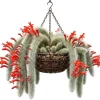
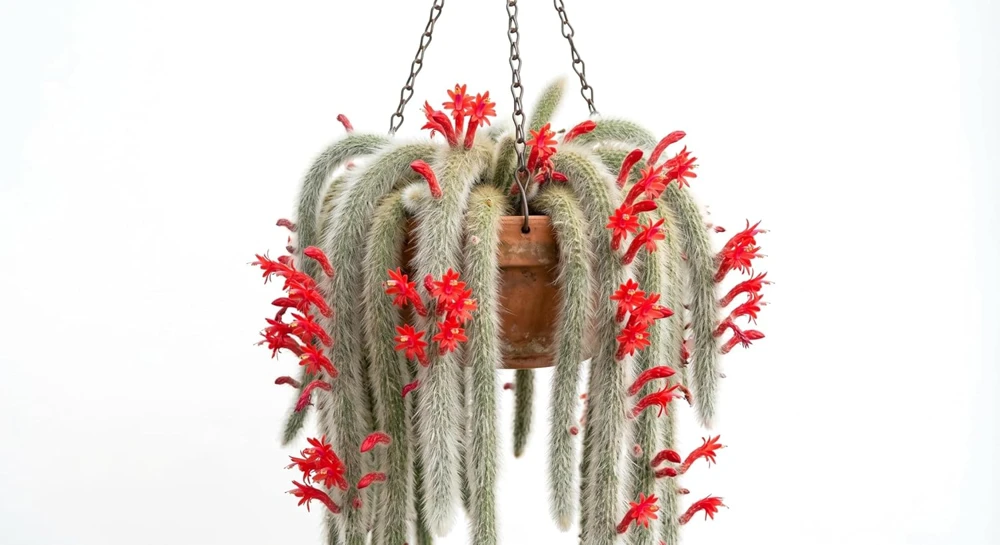
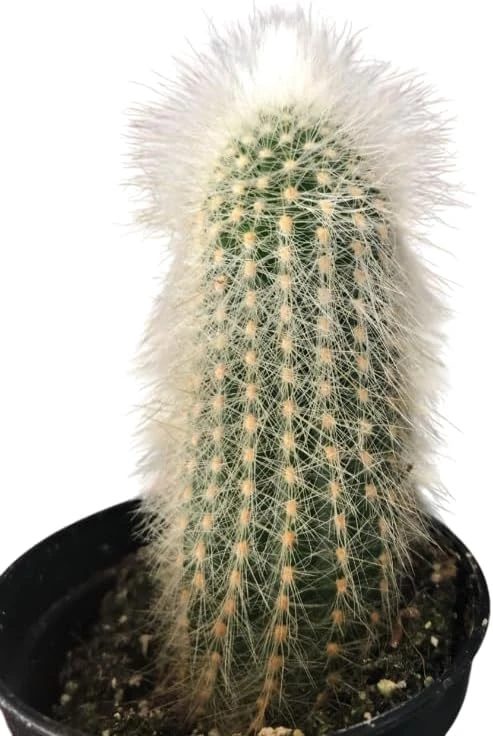
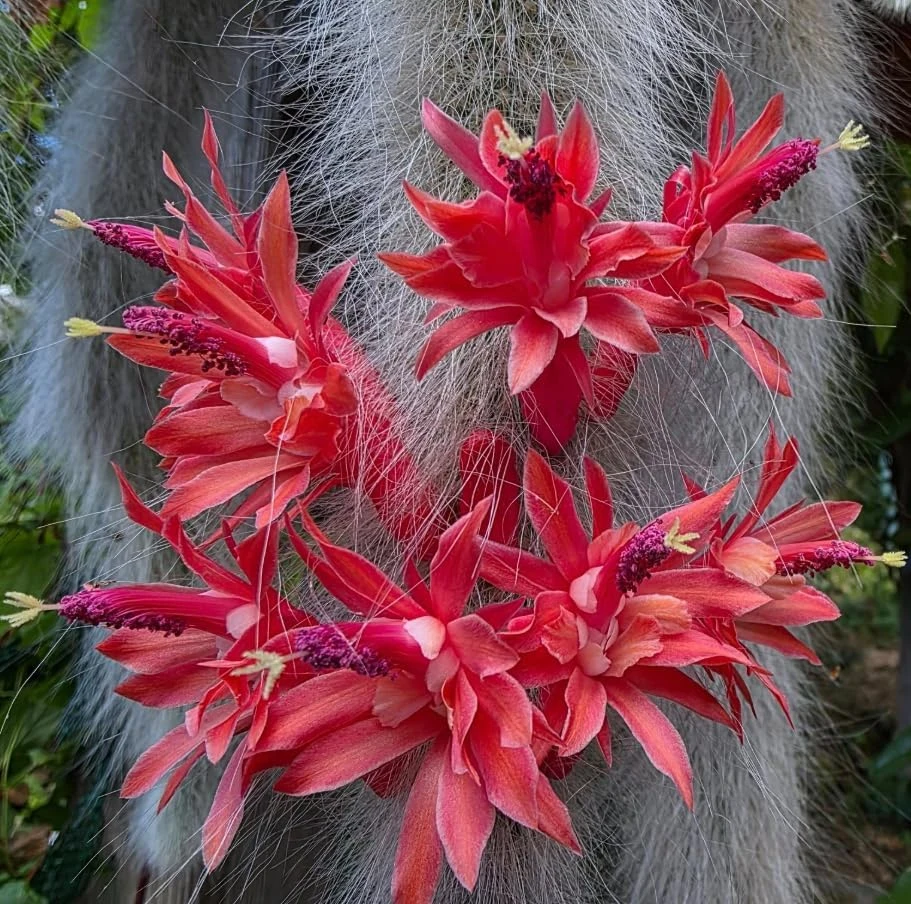
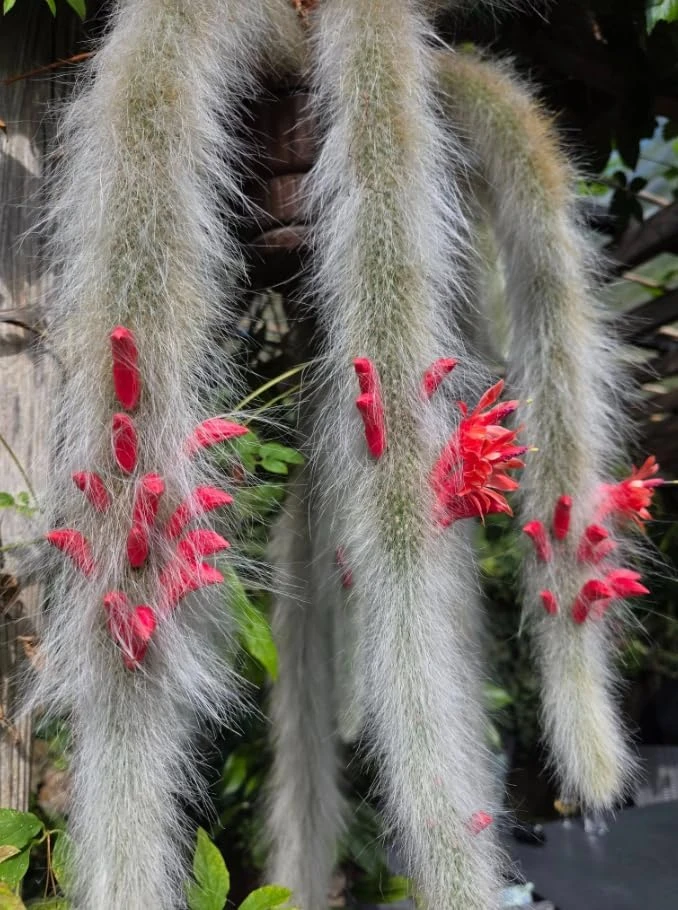
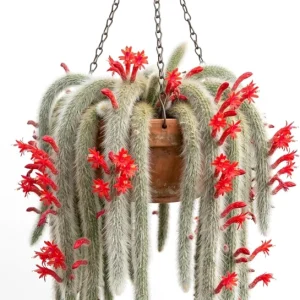
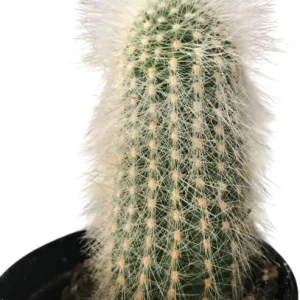
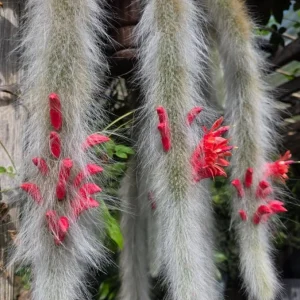
Introduce an extraordinary botanical specimen into your collection with the monkey tail cactus live plant. This captivating succulent, scientifically known as Hildewintera colademononis or Cleistocactus colademononis, derives its common name from its long, pendant stems covered in soft, white, hair-like spines, resembling a monkey’s tail. Originating from Bolivia, this rare trailing succulent is a true conversation starter, offering not just unique texture but also stunning seasonal displays of vibrant orange-red flowers. Perfect for enthusiasts seeking an uncommon yet relatively easy-to-care-for plant, the Monkey Tail Cactus adds a touch of playful elegance to any indoor space. Its cascading habit makes it an excellent choice for hanging baskets, elevated planters, or as a striking component in succulent displays. Whether you’re a seasoned collector or a beginner looking for something special, this plant promises to delight with its distinctive appearance and charming blooms.
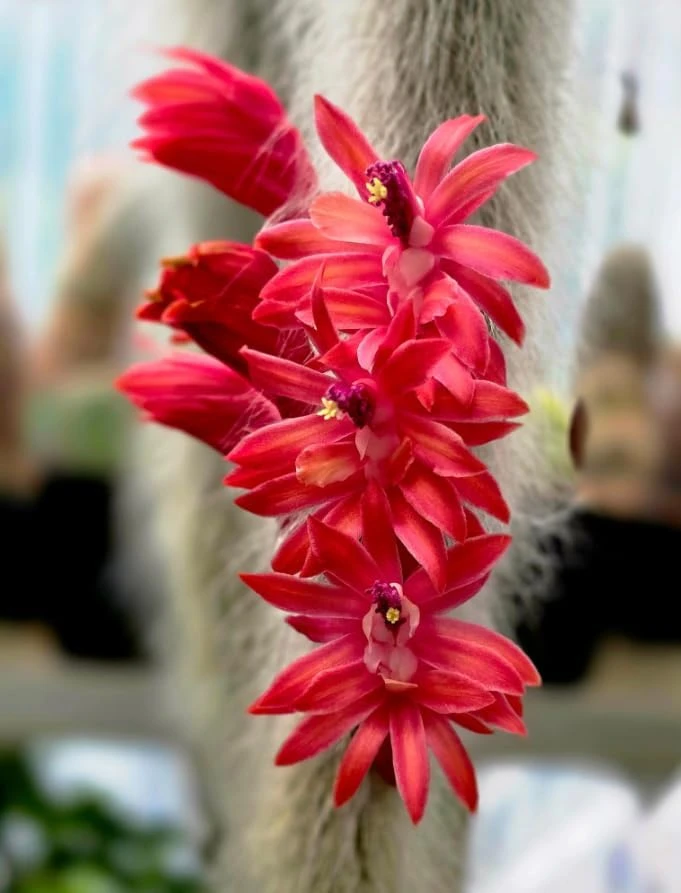
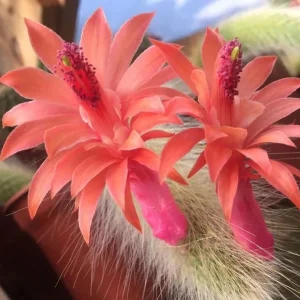
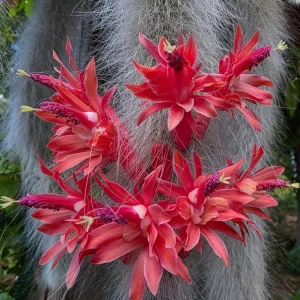
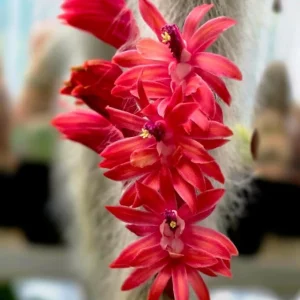
The monkey tail cactus live plant is highly sought after for its ornamental value and its ability to thrive in arid conditions, making it a low-maintenance option for busy plant parents. It’s not just a plant; it’s a living sculpture that evolves over time, with its ‘tails’ growing longer and more pronounced. The vivid orange flowers, which typically emerge in spring and summer, provide a beautiful contrast to the white, furry stems, creating a spectacular visual appeal. This particular offering provides a healthy starter plant, ready to grow and develop into a magnificent specimen under your care. Embrace the joy of cultivating this unique succulent and watch it transform your living space with its exotic beauty.
Key Benefits
The monkey tail cactus live plant offers a multitude of benefits that make it a cherished addition to any home or garden. Its unique characteristics and relatively simple care requirements contribute to its widespread appeal:
- Unique Ornamental Appeal: The most striking feature of this succulent is its soft, furry, trailing stems that resemble a monkey’s tail. This distinctive texture and cascading growth habit make it a focal point in any plant collection, providing visual interest unlike most other succulents. It’s a truly unique addition to any home.
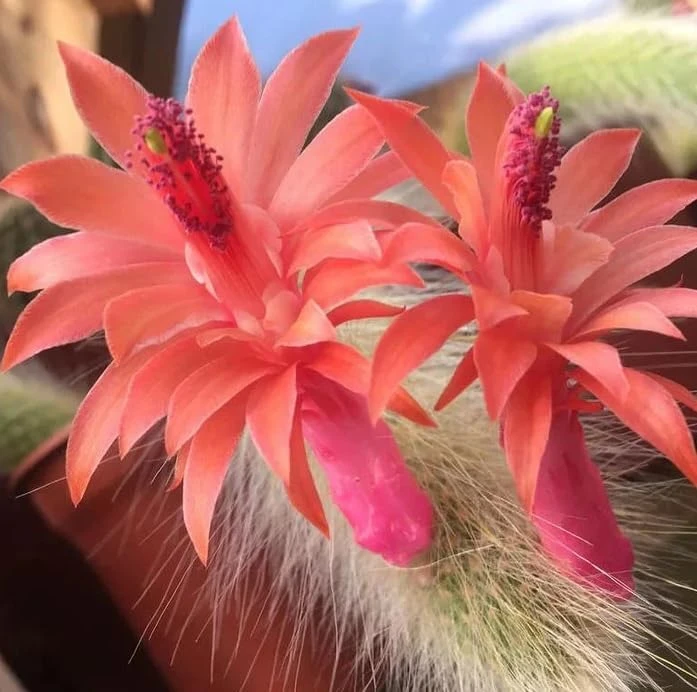
- Vibrant Orange Blooms: Beyond its interesting foliage, the rare trailing succulent produces brilliant orange-red flowers. These showy blooms typically appear along the length of mature stems, creating a stunning contrast and adding a splash of color, especially during spring and summer, making it a true orange flower succulent.
- Low Maintenance: As a desert native, the Monkey Tail Cactus is incredibly drought-tolerant and requires minimal watering. It thrives on neglect, making it an ideal choice for busy individuals or those new to plant care, reducing the stress associated with maintaining more demanding plants. This plant is known for its easy monkey tail succulent care.
- Versatile Display Options: Its trailing nature makes it perfect for hanging baskets, allowing its ‘tails’ to dangle gracefully. It also looks fantastic on shelves, in elevated planters, or as part of a mixed succulent arrangement, complementing various interior design styles.
- Air Purification Qualities: Like many houseplants, the Monkey Tail Cactus contributes to a healthier indoor environment by absorbing carbon dioxide and releasing oxygen, subtly improving air quality in your home.
- Pet-Friendly: While opinions vary, the soft spines of the Monkey Tail Cactus are generally considered less harmful than those of many other cacti. However, supervision around curious pets is always recommended.
- Conversation Starter: Its unusual appearance and charming name make it an instant conversation starter, perfect for adding character to your home or office.
Plant Care & Growing Tips
Caring for your monkey tail cactus live plant is relatively straightforward, making it an excellent choice for both novice and experienced plant enthusiasts. This succulent thrives in conditions that mimic its native Bolivian habitat, emphasizing plenty of light and minimal water. Provide your Monkey Tail Cactus with abundant bright, indirect light for at least 6 hours daily. While it can tolerate some direct morning sun, intense afternoon sun can scorch its delicate stems. If growing indoors, a south-facing window is ideal, or supplement with a grow light to ensure robust growth and vibrant blooms.
When it comes to watering, less is more for this rare trailing succulent. Allow the soil to dry out completely between waterings, typically every 2-4 weeks depending on humidity and temperature. Overwatering is the most common cause of issues, leading to root rot. Use a well-draining succulent or cactus potting mix, preferably one amended with perlite or pumice to enhance drainage. During its active growing season (spring and summer), you can fertilize lightly with a balanced liquid succulent fertilizer, diluted to half strength, once a month. Reduce watering and cease fertilization during its dormant winter period. Proper monkey tail succulent care ensures a healthy and flourishing plant.
The Monkey Tail Cactus prefers warm temperatures, ideally between 65-80°F (18-27°C). Protect it from temperatures below 50°F (10°C), as it is not frost-tolerant. While relatively pest-resistant, occasionally check for common succulent pests like mealybugs or spider mites. Address any infestations promptly with insecticidal soap or neem oil. With these simple guidelines, your hildewintera colademononis will flourish, producing its characteristic furry trails and beautiful orange flower succulent blooms.
Size & Details
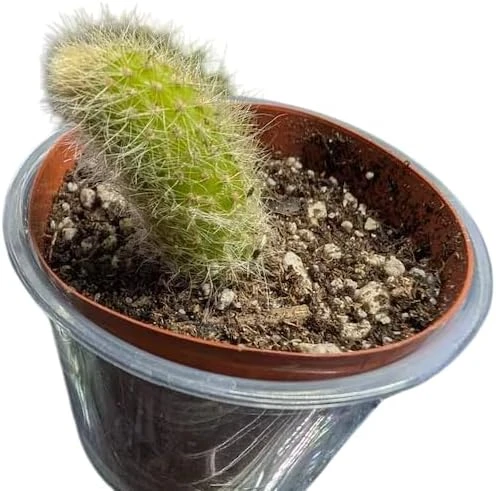
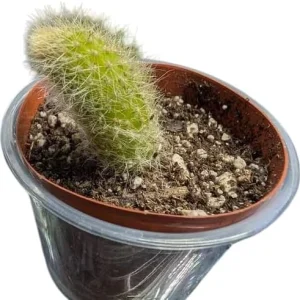
This offering includes a healthy monkey tail cactus live plant grown in a 2-inch nursery pot. At this starter size, the plant typically features several small, developing stems, ready to grow into magnificent cascades. Given optimal conditions and proper monkey tail succulent care, its ‘tails’ can eventually reach lengths of up to 2-3 feet, creating a stunning visual display. The plant is carefully packaged to ensure it arrives safely, ready to be transplanted into its new home or a decorative planter of your choice. Expect steady growth, with the plant gradually developing its characteristic furry texture and, with maturity, its striking orange-red flowers, making it a truly rewarding addition to your succulent collection.
Frequently Asked Questions
- Q: How big does this plant get? A: This monkey tail cactus live plant is currently in a 2-inch pot. With proper care, its trailing stems can eventually reach lengths of 2-3 feet, creating a beautiful cascading effect.
- Q: Is this an indoor or outdoor plant? A: The Monkey Tail Cactus is primarily grown as an indoor plant in most climates due to its sensitivity to cold. It can be moved outdoors in warm, frost-free regions or during summer months, provided it receives bright, indirect light.
- Q: How much sunlight does it need? A: This rare trailing succulent thrives in bright, indirect light for at least 6 hours a day. Some morning direct sun is acceptable, but protect it from harsh afternoon sun to prevent scorching.
- Q: Is this plant easy to care for? A: Yes, the Monkey Tail Cactus is considered low-maintenance, especially for a succulent. It’s drought-tolerant and forgiving of occasional neglect, making monkey tail succulent care relatively easy for beginners.
- Q: What condition will it arrive in? A: Your monkey tail cactus live plant will arrive as a healthy, rooted starter plant in its 2-inch nursery pot, carefully packaged to ensure safe transit.
- Q: How long until it blooms? A: With maturity and optimal care, including sufficient light and a proper dormancy period, the Monkey Tail Cactus typically blooms in spring and summer, producing vibrant orange flower succulent blooms.
- Q: Will it survive winter in my zone? A: The Monkey Tail Cactus is not frost-hardy. If you live in a region with temperatures below 50°F (10°C), it must be brought indoors during winter to survive.
- Q: What’s the scientific name for this plant? A: The scientific name for this plant is Hildewintera colademononis, also known as Cleistocactus colademononis.


Reviews
There are no reviews yet.