Overview
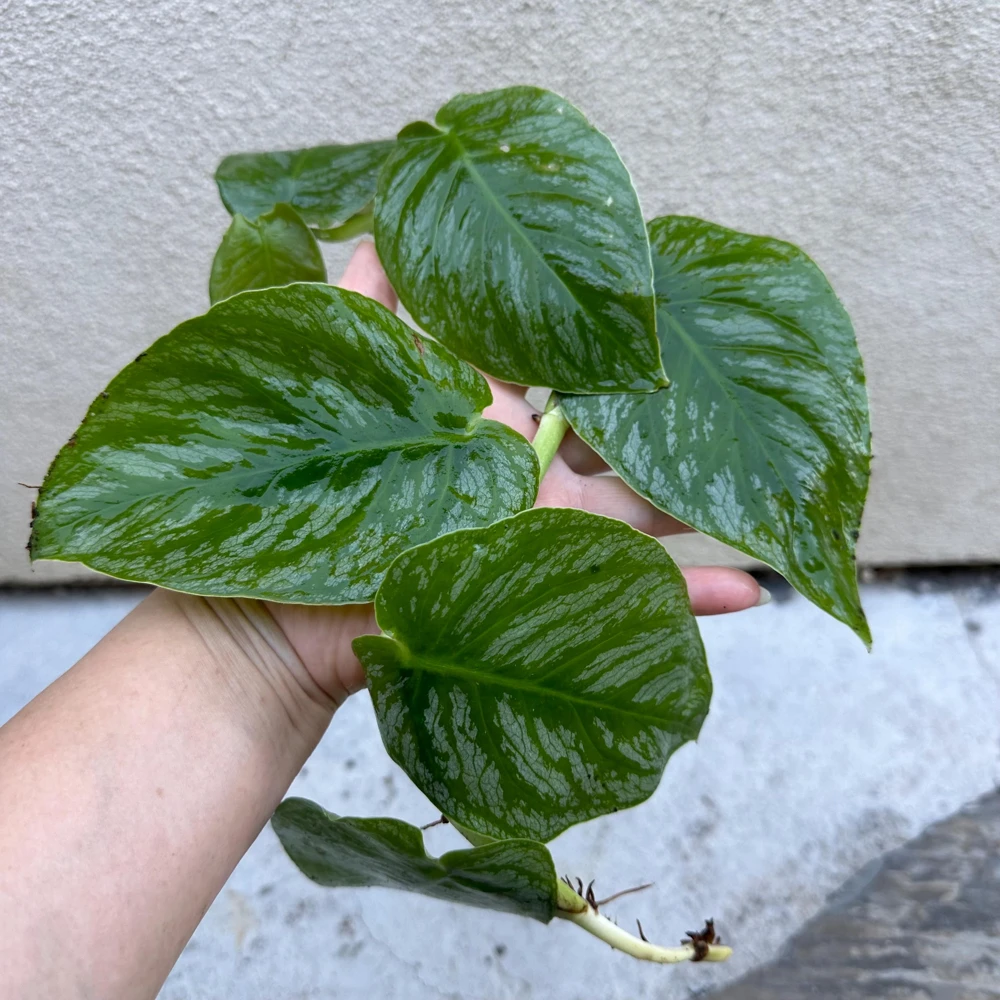
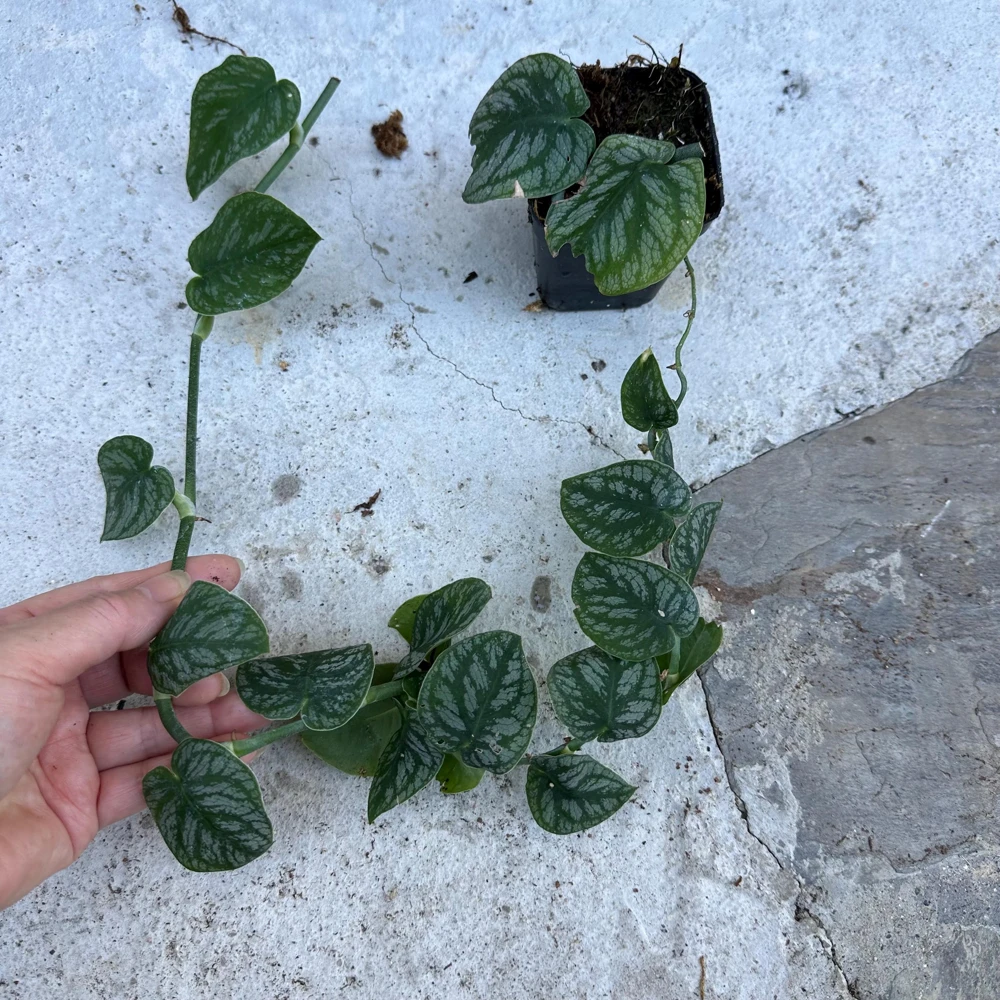
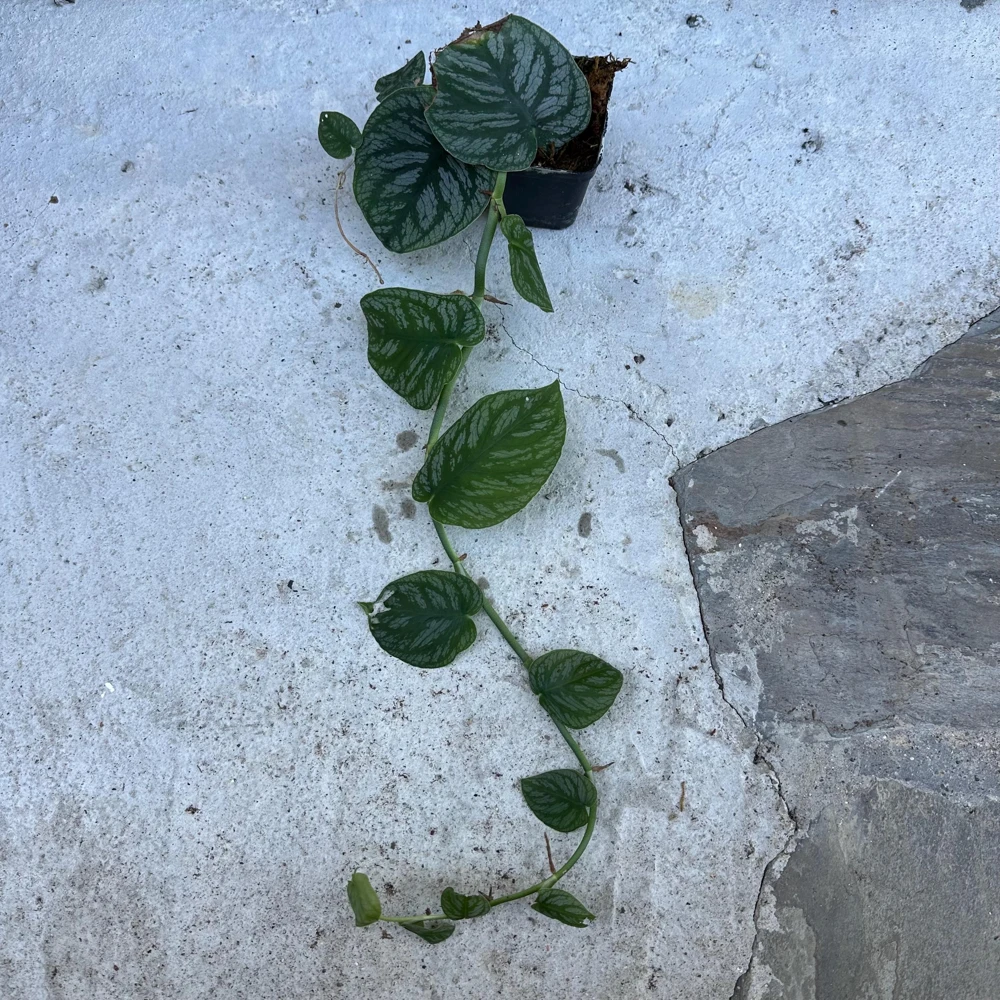
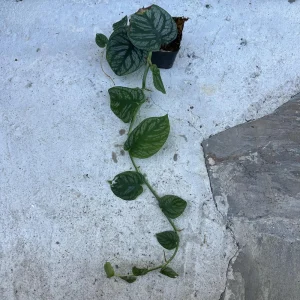
Introduce a touch of the exotic to your indoor oasis with a premium Monstera Dubia cutting. Known affectionately as the “Shingle Plant” due to its remarkable juvenile growth habit where its small, heart-shaped leaves lie flat and shingle against a climbing surface, this plant is a true conversation starter. Native to the humid rainforests of Central and South America, this particular offering provides you with a healthy, viable Monstera Dubia cutting, ready for you to root and grow. It’s an excellent opportunity to cultivate a rare Monstera plant without the higher cost associated with mature plants. The beauty of growing from a cutting is the satisfaction of watching your plant establish and thrive under your care, gradually revealing its mature form. Whether you’re an experienced plant parent or a curious beginner, the unique charm and relatively straightforward care of this shingle plant care make it a rewarding addition to any collection.
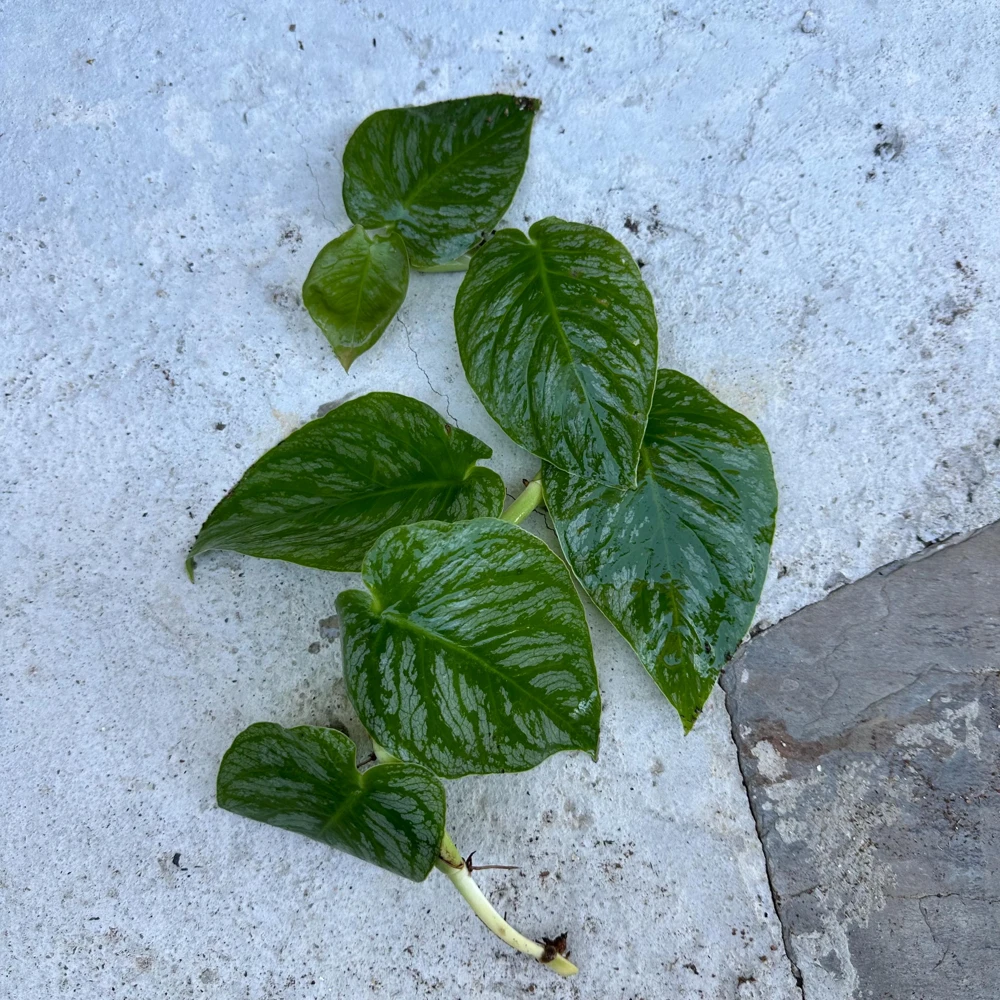
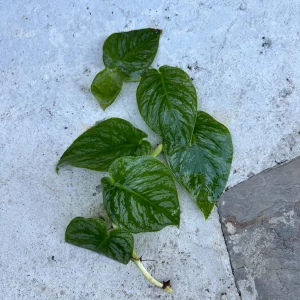
As this indoor tropical plant matures, the leaves can develop the characteristic fenestrations (splits and holes) that Monsteras are famous for, though this transformation typically occurs when the plant is allowed to climb and reach significant size. Starting with a vigorous Monstera Dubia cutting allows you to witness and nurture its fascinating development from the very beginning. Each Monstera Dubia cutting will typically feature more than five leaves, ensuring a robust start for your new plant.
Key Benefits
Adding a Monstera Dubia cutting to your home offers a range of aesthetic and horticultural advantages. This unique plant provides continuous visual interest and contributes to a vibrant indoor environment. Benefits include:
- Unique Aesthetic Appeal: The distinctive shingling habit of the juvenile foliage, where leaves lay flat against a surface, creates a captivating and unusual display that sets it apart from other houseplants. This makes the Monstera Dubia cutting a focal point in any plant arrangement, showcasing its unique growth.
- Rare Collector’s Item: As a rare Monstera plant, the Dubia is highly prized by plant collectors. Owning a cutting allows you to grow a specimen that is not commonly found in typical garden centers, enhancing the uniqueness of your collection and offering a rewarding cultivation experience.
- Dynamic Growth Habit: Observe the fascinating transformation from juvenile shingling leaves to potentially fenestrated mature leaves as the plant climbs. This evolutionary growth is a rewarding aspect of caring for a shingle plant care.
- Adaptable to Indoor Environments: Despite its tropical origins, the Monstera Dubia adapts well to typical indoor conditions, provided its basic needs for humidity and light are met, making it an ideal indoor tropical plant.
- Air Purification Qualities: Like many houseplants, the Monstera Dubia contributes to improved indoor air quality by absorbing common household toxins and releasing oxygen, promoting a healthier living space.
- Engaging Project for Plant Enthusiasts: Propagating and growing a plant from a cutting is a fulfilling experience that deepens your understanding of plant biology and care. Mastering Monstera Dubia propagation is a rewarding challenge.
- Versatile Decor Element: Its climbing nature makes it ideal for terrariums, vivariums, or trained up a moss pole, allowing for creative display options that enhance your home decor. This Monstera Dubia cutting can transform any space.
Plant Care & Growing Tips
Caring for your Monstera Dubia cutting involves providing conditions that mimic its native tropical habitat. This plant thrives in warm, humid environments with consistent moisture. For successful growth, bright, indirect light is essential. Avoid direct sunlight, which can scorch its delicate leaves. An east or west-facing window is often ideal. Maintain high humidity levels, ideally above 60%, which can be achieved with a humidifier, pebble tray, or by grouping plants. Regular misting can offer temporary relief but is not a substitute for consistent humidity.
Water your Monstera Dubia cutting when the top inch or two of soil feels dry to the touch. Ensure the pot has good drainage to prevent root rot. A well-draining potting mix, such as an aroid mix containing perlite, orchid bark, and coco coir, is recommended. Temperatures between 65-80°F (18-27°C) are ideal. Fertilize lightly during the growing season (spring and summer) with a balanced liquid fertilizer diluted to half strength. Provide a climbing surface, such as a moss pole or wooden plank, to encourage mature leaf development and the characteristic shingling habit. This also supports the plant’s aerial roots.
Proper shingle plant care also involves checking for pests regularly and wiping leaves to keep them clean and dust-free, allowing for better photosynthesis. Pruning can be done to maintain shape or encourage bushier growth, but remember that the plant needs to climb to develop mature fenestrated leaves. With attentive care, your Monstera Dubia cutting will flourish into a magnificent specimen.
Size & Details
Each offering is for one healthy Monstera Dubia cutting, typically featuring more than five leaves, ensuring a strong foundation for new growth. As a live plant cutting, it will arrive ready for you to root in your preferred medium (water, sphagnum moss, perlite, or soil). The juvenile leaves are heart-shaped and approximately 1-3 inches in diameter, exhibiting the characteristic shingling habit. Once established and provided with a climbing surface, the plant can grow several feet tall, with mature leaves potentially reaching 6-8 inches and developing fenestrations. The growth rate is moderate, allowing you to enjoy its transformation over time. This rare Monstera plant is shipped carefully to ensure its safe arrival.
Frequently Asked Questions
- Q: How big does this Monstera Dubia cutting get? A: As a cutting, it starts small, typically with leaves 1-3 inches. Once established and climbing, the plant can grow several feet tall, with mature leaves potentially reaching 6-8 inches and developing fenestrations.
- Q: Is this an indoor or outdoor plant? A: The Monstera Dubia cutting is primarily an indoor tropical plant, thriving in warm, humid conditions. It can be grown outdoors in very specific tropical climates (USDA zones 10-11) but is best suited for indoor environments in most regions.
- Q: How much sunlight does it need? A: This shingle plant care requires bright, indirect light. Avoid direct sun exposure, which can burn its leaves. An east or west-facing window is generally suitable.
- Q: Is this plant easy to care for? A: While not difficult, it does require specific conditions like high humidity and a climbing surface to thrive and show its mature characteristics. It’s a rewarding project for both beginners and experienced plant enthusiasts.
- Q: What condition will the Monstera Dubia cutting arrive in? A: Your Monstera Dubia cutting will arrive healthy and carefully packaged, ready for you to begin the rooting process. We ensure it’s in optimal condition for successful propagation.
- Q: How do I encourage the shingling habit and fenestrations? A: To encourage shingling, provide a climbing surface like a moss pole or wooden plank. Fenestrations typically develop as the plant matures and climbs, receiving adequate light and humidity.
- Q: What is the best way for Monstera Dubia propagation? A: You can root your Monstera Dubia propagation in water, sphagnum moss, perlite, or a well-draining potting mix. Keep the rooting medium consistently moist and provide high humidity.
- Q: Is the Monstera Dubia pet-safe? A: Like many plants in the Araceae family, Monstera Dubia contains calcium oxalates, which can be irritating if ingested. It is generally considered toxic to pets and humans.
- Q: What kind of soil is best for this plant? A: A well-draining, airy potting mix is ideal, such as an aroid blend with ingredients like coco coir, perlite, and orchid bark, promoting good aeration and preventing root rot.
- Q: What is the ideal temperature range for a Monstera Dubia? A: This plant thrives in temperatures between 65-80°F (18-27°C). Avoid temperatures below 60°F (15°C) to prevent stress.


Reviews
There are no reviews yet.