Overview
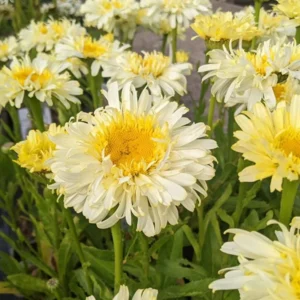
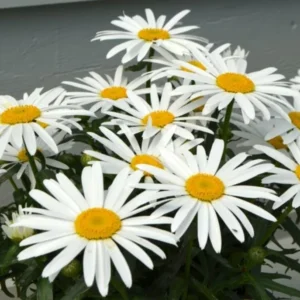
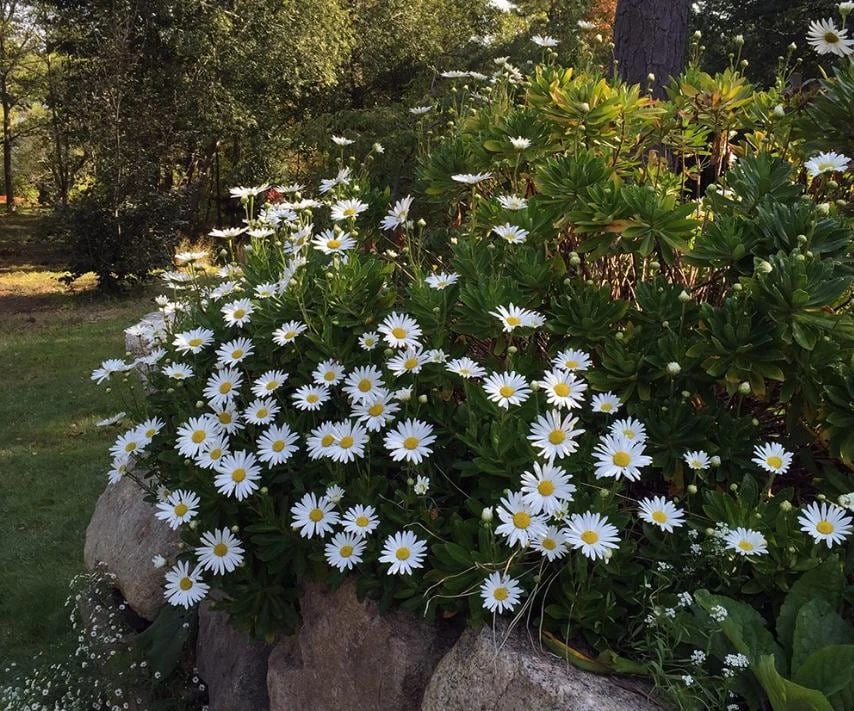
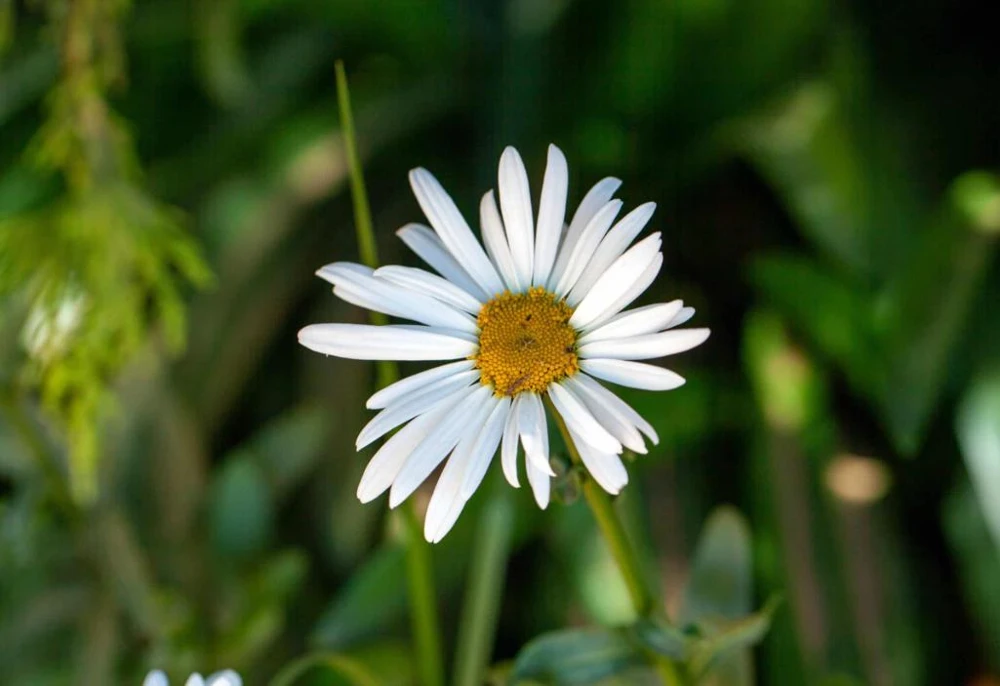
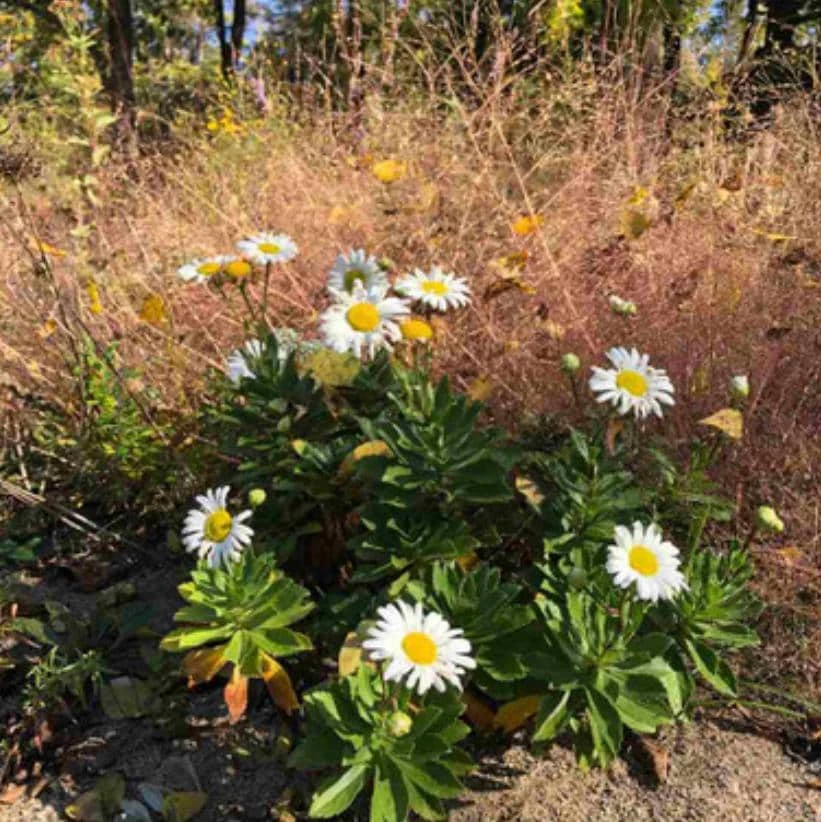
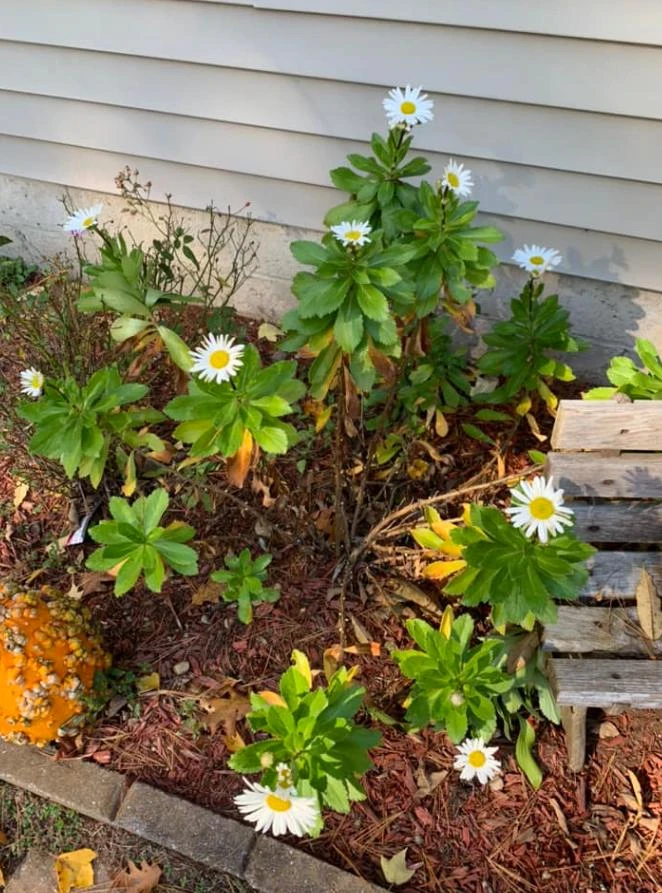
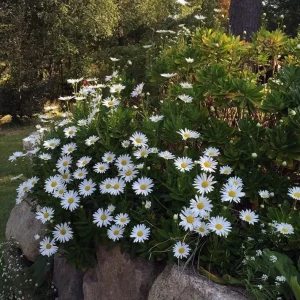
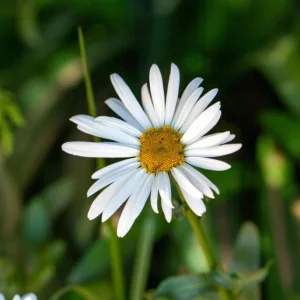
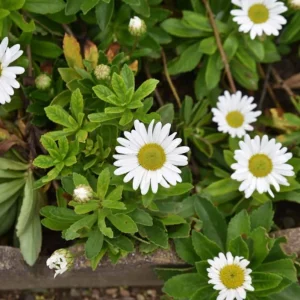
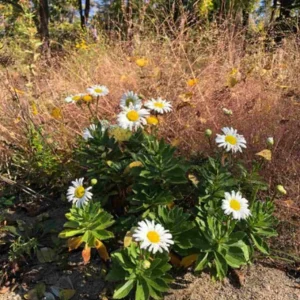
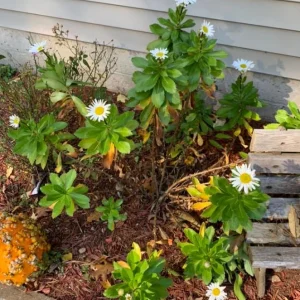
Introduce a touch of enduring beauty to your garden with the Montauk Daisy live plant (Nipponanthemum nipponicum), a remarkable hardy perennial flowers known for its spectacular late-season display. This robust plant is celebrated for its ability to thrive and produce an abundance of cheerful, bright white daisy-like flowers, each accented with a sunny yellow center, typically as other garden blooms begin to fade. Originating from Japan, the Montauk Daisy is a resilient and low-maintenance addition to any landscape, providing continuous visual interest well into autumn. It’s an excellent choice for gardeners seeking reliable performance and a prolonged flowering season. Our offering is for one healthy, young starter Montauk Daisy live plant, approximately 3-6 inches tall, ready to establish and flourish in your outdoor spaces.
The botanical name, Nipponanthemum nipponicum, highlights its Japanese origins, and it’s often referred to simply as Montauk Daisy due to its popularity in coastal regions like Montauk, New York. This plant is a true garden workhorse, perfect for creating a vibrant focal point or adding texture to borders and mass plantings. Its sturdy nature makes it suitable for various garden styles, from formal beds to more informal coastal or cottage gardens. With proper care, this young plant will grow into a mature specimen, rewarding you with years of beautiful blooms and a strong presence in your garden.
Key Benefits
The Montauk Daisy live plant offers numerous advantages, making it a highly desirable addition to any garden. Its unique characteristics contribute to both aesthetic appeal and garden resilience.
- Extended Bloom Season: Enjoy a burst of fresh, daisy-like flowers from late summer through fall, providing color and life to your garden when many other plants have finished their display. This makes it invaluable for extending seasonal interest.
- Hardy and Resilient: As a hardy perennial flowers, the Montauk Daisy is incredibly tough and adaptable. It can withstand various environmental conditions, including coastal exposures, and typically returns year after year with minimal fuss.
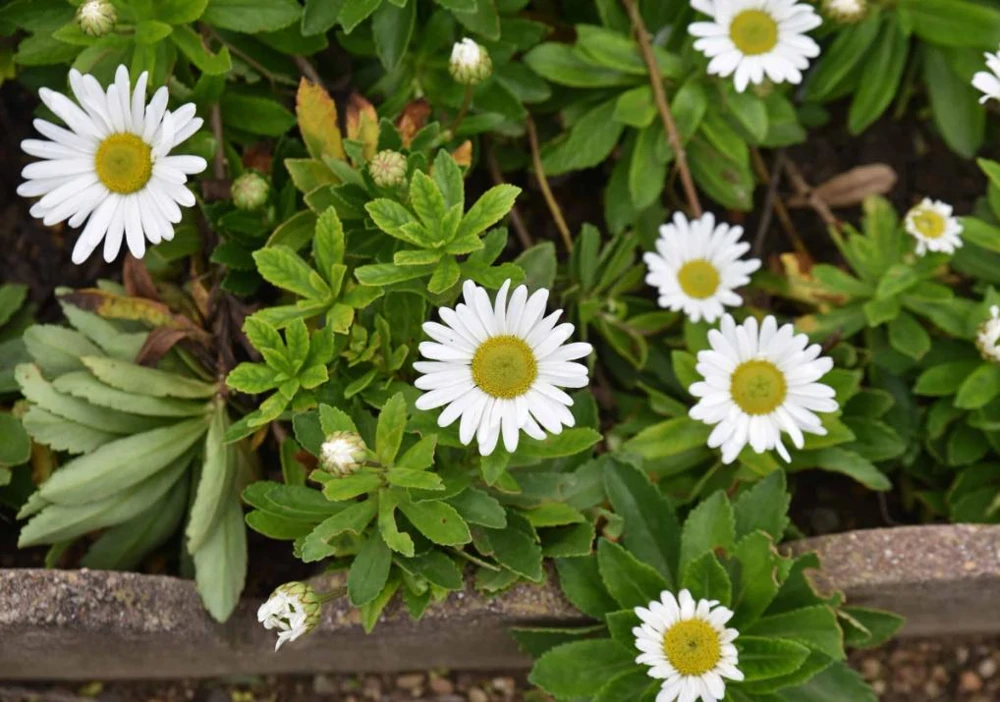
- Attractive White Blooms: The quintessential white petals surrounding a bright yellow center create a classic, cheerful look that complements almost any garden palette. These blooms are perfect for cutting and bringing indoors.
- Pollinator Friendly: The vibrant flowers attract beneficial pollinators like bees and butterflies, contributing to a healthier garden ecosystem and supporting local wildlife.
- Low Maintenance: Once established, the Montauk Daisy requires relatively little ongoing care. It’s drought-tolerant and disease-resistant, making it an ideal choice for busy gardeners or those new to planting.
- Versatile Landscaping Use: Its compact to medium size and attractive foliage make it suitable for a wide range of applications, including borders, rock gardens, mass plantings, or as a striking specimen plant.
- Coastal Garden Favorite: Known for its exceptional tolerance to salt spray and sandy soils, the Nipponanthemum nipponicum is an excellent choice for coastal properties where other plants might struggle.
Plant Care & Growing Tips
Caring for your Montauk Daisy live plant is straightforward, ensuring a beautiful display for many seasons. To help your young plant thrive and develop into a robust specimen with abundant late season blooms, follow these essential guidelines for optimal growth.
Sunlight: Montauk Daisies prefer full sun, meaning they need at least 6 hours of direct sunlight per day to produce the most prolific blooms. While they can tolerate some partial shade, too little sun may result in fewer flowers and leggy growth. Choose a location in your garden that receives ample morning and afternoon sun for the best performance. This ensures the plant has enough energy to develop strong stems and vibrant colors.
Watering: When establishing your new hardy perennial flowers, water regularly to keep the soil consistently moist but not waterlogged. Once mature, Montauk Daisies become quite drought-tolerant, requiring less frequent watering. However, during prolonged dry spells, especially when blooming, supplemental watering will help them perform their best. Always check the soil moisture before watering; the top inch or two should feel dry to the touch before re-watering. Good drainage is crucial to prevent root rot.
Soil & Fertilization: These plants are adaptable to a range of soil types but thrive in well-draining soil. Sandy or loamy soils are ideal. If you have heavy clay soil, amend it with organic matter like compost to improve drainage and aeration. A slightly acidic to neutral pH (6.0-7.0) is generally preferred. Fertilization is typically not heavily needed for the Nipponanthemum nipponicum. If your soil is poor, a balanced, all-purpose granular fertilizer applied in early spring can provide a boost. Avoid excessive nitrogen, which can promote leafy growth at the expense of flowers.
Temperature & Hardiness: The Montauk Daisy is a very hardy plant, typically thriving in USDA Zones 5-9. It can withstand cold winters and hot summers within this range. In colder zones, a layer of mulch around the base of the plant in late fall can provide extra winter protection. In warmer climates, ensure it gets enough water during the hottest periods to prevent stress. This resilience contributes to its reputation as a reliable and late season blooms provider.
Pruning: To encourage bushier growth and more flowers, you can pinch back young stems in late spring or early summer. After the first flush of blooms, deadhead spent flowers to encourage reblooming and maintain a tidy appearance. In late fall or early spring, cut back the entire plant to about 4-6 inches from the ground to encourage fresh, vigorous growth for the coming season. This also helps with overwintering and maintaining plant health.
Size & Details
This offering is for one robust Montauk Daisy live plant, shipped as a young starter plant. At the time of shipping, the plant will be approximately 3 to 6 inches tall, depending on the current growth batch and natural variation. While still small, this is a healthy, actively growing plant that has been nurtured in a nursery pot to establish a strong root system before being sent to you. The plant will be shipped without its pot to ensure safe and efficient transit, with a small amount of soil retained around the roots.
Upon arrival, your young Montauk Daisy live plant will require immediate care and planting to continue its development. With proper sunlight, water, and suitable growing conditions, it will quickly establish itself and begin to grow. Montauk Daisies typically mature to a height of 1-3 feet and a similar spread, forming a dense, shrub-like perennial. You can expect to see its characteristic late season blooms from late summer through fall in its first full growing season or the season after planting, depending on planting time and care. This plant offers a moderate growth rate, gradually filling out to become a prominent feature in your garden landscape.
Frequently Asked Questions
- Q: How big does this Montauk Daisy live plant get? A: This is a young starter plant, approximately 3-6 inches tall upon arrival. When mature, a Montauk Daisy live plant typically grows to a height of 1-3 feet and spreads 1-3 feet wide, forming a bushy perennial.
- Q: Is this an indoor or outdoor plant? A: The Montauk Daisy is primarily an outdoor plant. It is a hardy perennial flowers that thrives in garden beds, borders, and coastal landscapes, requiring full sun to bloom optimally.
- Q: How much sunlight does the Montauk Daisy need? A: This plant requires full sun, meaning at least 6 hours of direct sunlight per day, to produce the most abundant and vibrant late season blooms.
- Q: Is this plant easy to care for? A: Yes, the Montauk Daisy is considered a low-maintenance plant. Once established, it is drought-tolerant and generally robust, making it suitable for both experienced and novice gardeners.
- Q: What condition will the plant arrive in? A: You will receive one healthy, young starter Montauk Daisy plant. It ships without a pot, with roots carefully packed. Minor cosmetic leaf or stem stress during transit is normal for live plants.
- Q: When is the best time to plant a Montauk Daisy? A: The best time to plant your Montauk Daisy is in spring or early summer after the last frost, or in early fall, allowing it enough time to establish roots before extreme temperatures.
- Q: Will the Nipponanthemum nipponicum survive winter in my zone? A: The Nipponanthemum nipponicum is hardy in USDA Zones 5-9. If you are within these zones, it should reliably return each spring, even after cold winters.
- Q: What type of soil does a Montauk Daisy prefer? A: Montauk Daisies thrive in well-draining soil, including sandy or loamy types. Good drainage is crucial to prevent root issues.
- Q: How long until it blooms? A: Given proper care and growing conditions, your young Montauk Daisy should begin to produce its characteristic late season blooms in late summer to fall, possibly in its first full growing season after planting.
- Q: Can I grow the Montauk Daisy in a pot? A: Yes, you can grow a Montauk Daisy in a large pot, ensuring it has good drainage and sufficient space for its root system to develop. Ensure the pot is placed in a full sun location.


Reviews
There are no reviews yet.