Overview
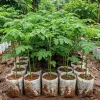
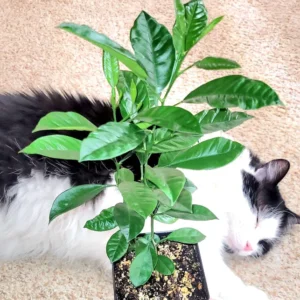
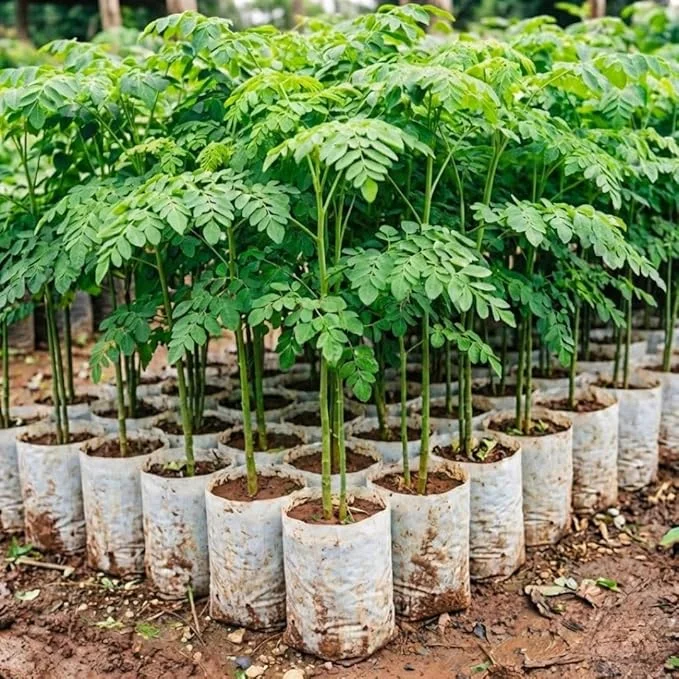
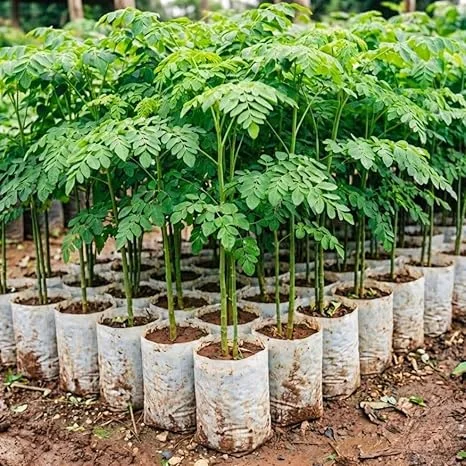
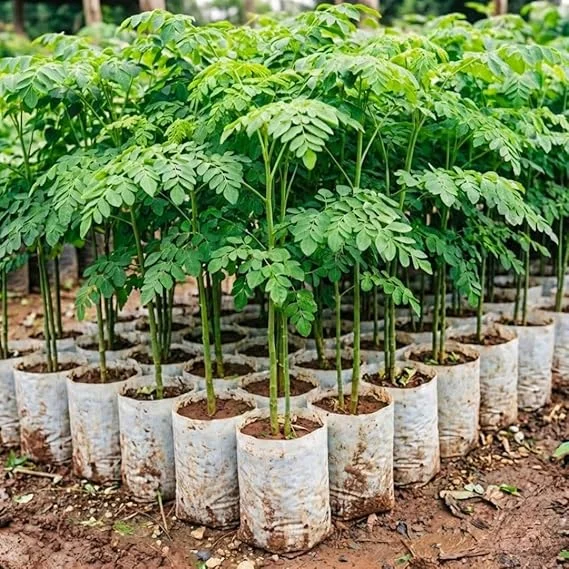
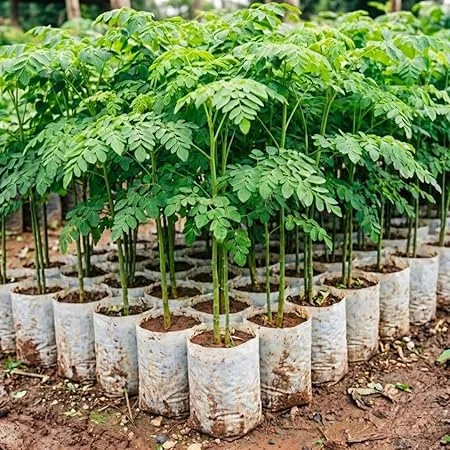
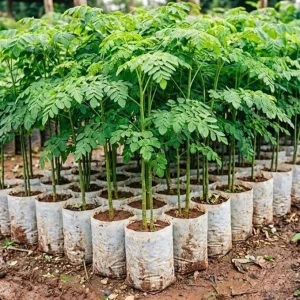
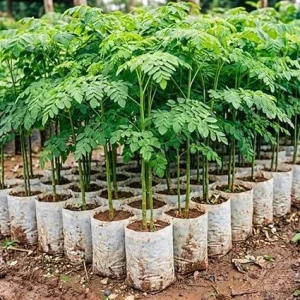
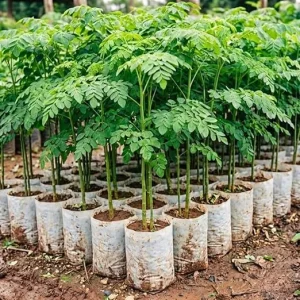
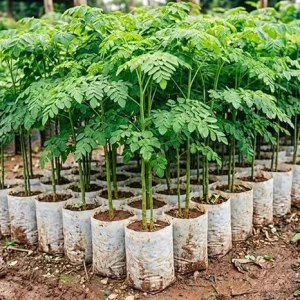
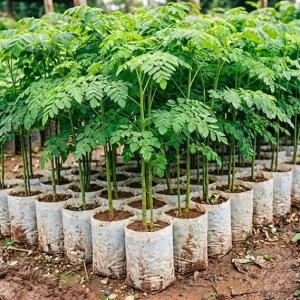
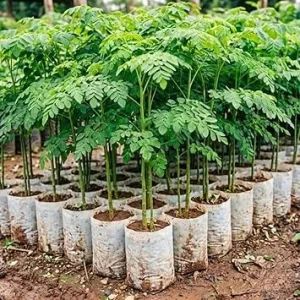
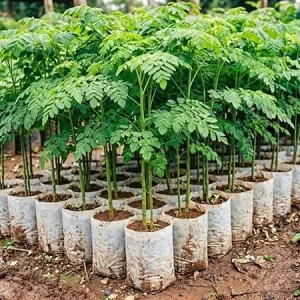
Introduce a powerhouse of nutrition and rapid growth to your garden with our Moringa Tree live plant. This vigorous Moringa oleifera specimen arrives ready to thrive, potted in a convenient 4-inch container and standing between 6 to 10 inches tall. Commonly known as the Drumstick Tree or Horseradish Tree, Moringa is celebrated globally for its incredible versatility and health benefits. Originating from India, this fast-growing tropical tree is highly adaptable, making it a fantastic addition for those in warmer climates or anyone looking to grow a unique and beneficial plant. Its rapid growth makes it a rewarding plant for both novice and experienced gardeners, quickly transforming into a substantial tree that provides shade and a continuous harvest of leaves, pods, and flowers.
The moringa oleifera plant is not just an attractive tree; it’s a living superfood. Every part of the plant, from its leaves to its seeds, is edible and packed with vitamins, minerals, and antioxidants. It’s an excellent choice for those interested in sustainable living, permaculture, or simply enjoying fresh, homegrown produce. This live plant offers an immediate head start compared to growing from seed, allowing you to enjoy its benefits much sooner. Prepare to be amazed by the resilience and productivity of this remarkable tree.
Key Benefits
Adding a Moringa Tree live plant to your landscape offers a multitude of advantages, from its nutritional value to its ease of care and ornamental appeal. This plant is a true multi-tasker, providing benefits that enrich both your diet and your garden environment.
- Nutrient-Rich Superfood: The leaves of the moringa oleifera plant are exceptionally nutritious, often referred to as a ‘superfood’. They are packed with vitamins A, C, and E, calcium, potassium, and protein, making them an excellent dietary supplement.
- Fast-Growing & High Yield: This tree is known for its incredibly rapid growth rate, allowing for frequent harvests of its edible leaves and pods. You can enjoy fresh moringa year-round in suitable climates.
- Versatile Culinary Uses: Fresh moringa leaves can be used in salads, smoothies, stir-fries, and soups. The young pods (drumsticks) are a popular vegetable in various cuisines, offering a unique flavor.
- Drought-Tolerant: Once established, the drumstick tree outdoor is remarkably drought-resistant, requiring less water than many other garden plants, making it an eco-friendly choice.
- Adaptable to Various Conditions: Thrives in a wide range of soils and tolerates different growing conditions, provided it receives ample sunlight. It’s suitable for container gardening if you live outside its hardiness zone.
- Natural Air Purifier: Like many plants, the moringa tree contributes to better air quality by absorbing carbon dioxide and releasing oxygen, enhancing your outdoor living space.
- Support Local Ecosystem: Its flowers attract pollinators, contributing to the biodiversity of your garden and supporting local bee and butterfly populations.
Plant Care & Growing Tips
Caring for your Moringa Tree live plant is relatively straightforward, as it is a resilient and adaptable species. The key to its success lies in providing the right conditions, particularly sufficient sunlight and well-draining soil. Upon arrival, gently acclimate your young plant to its new environment before transplanting. If temperatures are consistently above 50°F (10°C), it can be planted directly outdoors. For cooler climates, consider keeping it in a pot that can be moved indoors during colder months, treating it as your personal horseradish tree care project.
The Moringa thrives in full sun, requiring at least 6-8 hours of direct sunlight daily to ensure robust growth and abundant leaf production. While it tolerates a variety of soil types, well-draining soil is crucial to prevent root rot. A sandy loam soil with a pH between 6.0 and 7.0 is ideal. Water moderately, allowing the top inch or two of soil to dry out between waterings. Overwatering is more detrimental than underwatering for this plant. For optimal growth, especially during its active growing season, fertilize every 4-6 weeks with a balanced organic fertilizer. Temperatures between 70°F and 95°F (21°C-35°C) are perfect, and it is hardy in USDA Zones 9-11. In zones below 9, it can be grown as an annual or overwintered indoors.
Pruning is essential for managing the size and encouraging bushier growth, making harvesting easier. You can prune the main stem when the plant reaches about 3-4 feet tall to promote branching. Regular harvesting of leaves also acts as a form of pruning, stimulating new growth. Keep an eye out for common pests like aphids or spider mites, though moringa is generally quite pest-resistant. Address any issues promptly with organic pest control methods. Following these moringa growing tips will ensure a healthy and productive tree.
Size & Details
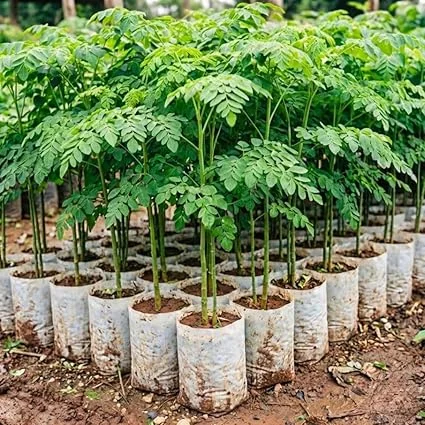
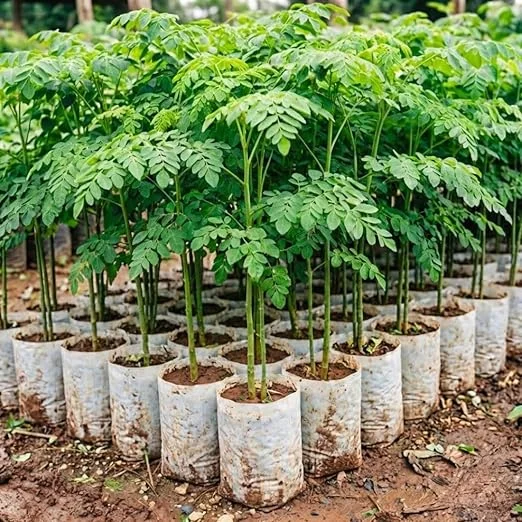
This offering is for one Moringa Tree live plant, shipped in a 4-inch nursery pot. Each plant stands approximately 6 to 10 inches tall from the base of the soil, providing a healthy young specimen ready for transplanting. While it arrives as a compact plant, the Moringa is renowned for its incredibly fast growth rate, often growing several feet in its first year under optimal conditions. It can reach mature heights of 15-30 feet if left unpruned, but can be maintained as a smaller bush or tree through regular pruning, ideal for smaller gardens, patios, or container growing. The plant is suitable for outdoor cultivation in USDA Hardiness Zones 9-11.
Your moringa oleifera plant will arrive with some soil intact, carefully packaged to minimize stress during transit. It is common for Moringa trees to experience some leaf loss during shipping, but new leaves will quickly emerge once the plant has settled into its new environment and routine. Expect this plant to establish quickly and begin producing leaves for harvest within a few months of planting. With proper care, it will become a long-term, productive addition to your garden.
Frequently Asked Questions
- Q: How big does this plant get? A: This Moringa Tree live plant arrives 6-10 inches tall in a 4-inch pot. If planted directly in the ground, it can grow up to 15-30 feet tall, but it can be kept smaller with regular pruning, making it suitable for various garden sizes and container growing.
- Q: What size pot does it come in? A: Your moringa oleifera plant will be shipped in a 4-inch diameter nursery pot, providing ample space for its initial growth before transplanting.
- Q: Is this an indoor or outdoor plant? A: The Moringa tree thrives outdoors in full sun within USDA Hardiness Zones 9-11. In colder zones, it can be grown in a container and brought indoors during the winter months, requiring a bright, sunny spot.
- Q: How much sunlight does it need? A: For optimal growth and health, the drumstick tree outdoor requires at least 6-8 hours of direct sunlight per day. It prefers full sun exposure to produce abundant leaves and pods.
- Q: Is this plant easy to care for? A: Yes, Moringa is known for being relatively low-maintenance and resilient. It tolerates drought once established and is generally pest-resistant, making it a good choice for beginners and experienced gardeners alike, especially with these horseradish tree care tips.
- Q: What condition will it arrive in? A: While care is taken in packaging, it’s normal for Moringa trees to experience some leaf yellowing or loss during transit. This is a temporary stress response, and new leaves will quickly grow back once the plant is watered and settled in its new home.
- Q: Is it shipped in soil? A: Yes, your Moringa Tree live plant will be shipped in its original 4-inch pot with soil, ensuring it stays hydrated and healthy during its journey to you.
- Q: Can I use moringa leaves in cooking? A: Absolutely! Moringa leaves are highly nutritious and can be used fresh in salads, smoothies, pestos, or cooked into stir-fries, soups, and curries. The young pods are also edible.
- Q: When is the best time to plant? A: The best time to plant your moringa growing tips suggest planting outdoors is in spring or early summer after the last frost, when temperatures are consistently warm. If growing in a container, it can be transplanted any time of year indoors.
- Q: What’s the minimum temperature it can tolerate? A: Moringa is sensitive to frost. It can tolerate brief dips to around 40°F (4°C) but prefers temperatures above 50°F (10°C). For sustained health, protect it from freezing temperatures.


Reviews
There are no reviews yet.