Overview
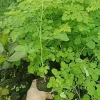
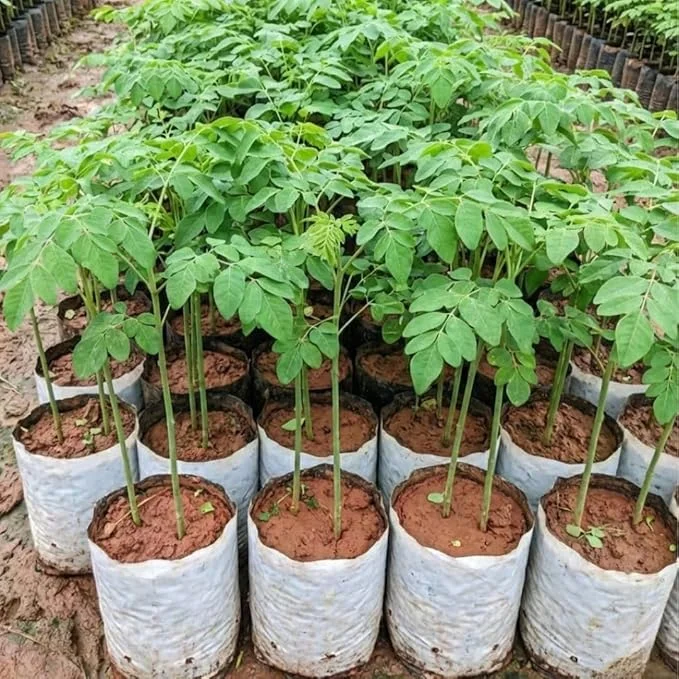
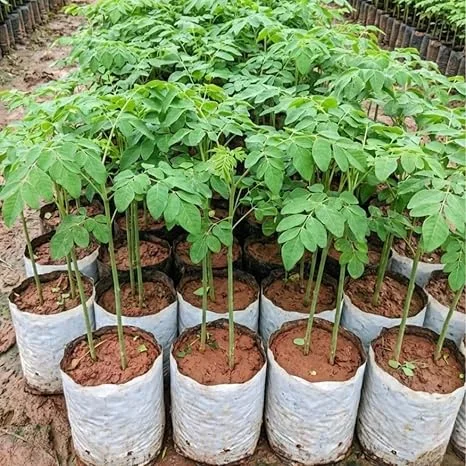
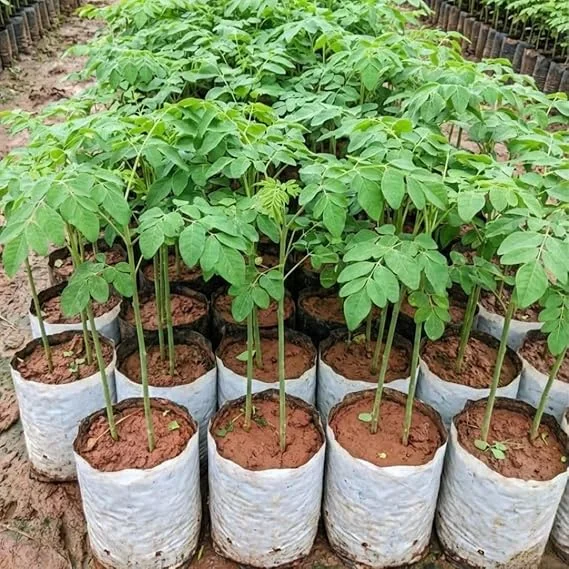
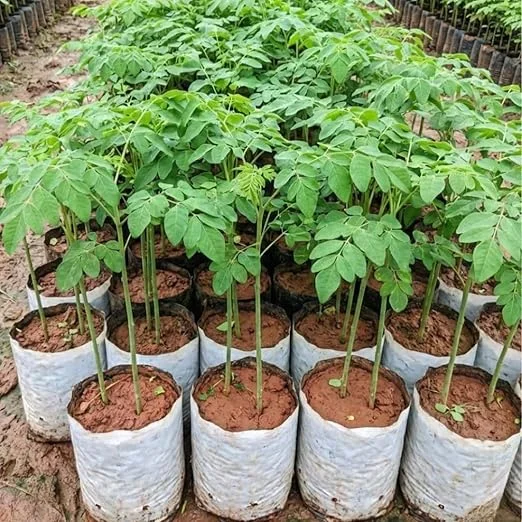
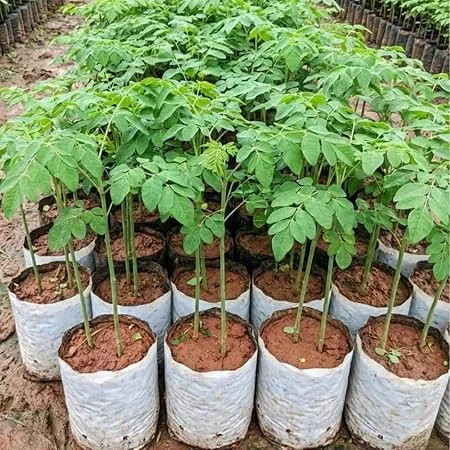
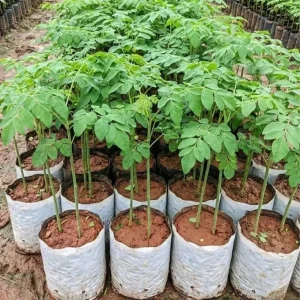
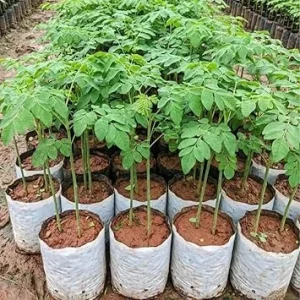
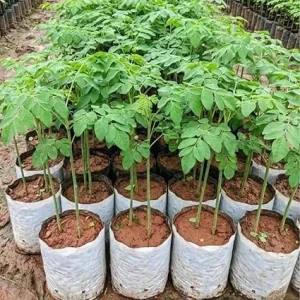
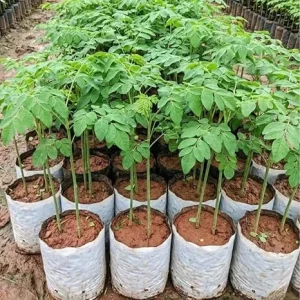
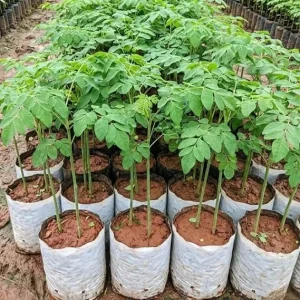
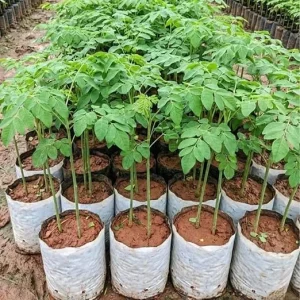
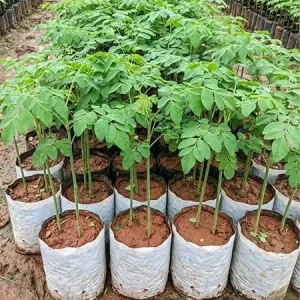
Introduce a powerhouse of nutrition and rapid growth to your garden with this vibrant moringa tree live plant. Known scientifically as Moringa oleifera, this fast-growing tree is often referred to by common names such as the malunggay plant, horseradish tree, or drumstick tree. Our offering is a robust 7-month-old seedling, standing at least 6 inches tall, ensuring a strong start in your landscape. Revered globally for its remarkable nutritional profile and adaptability, the moringa tree is an excellent addition for those seeking self-sufficiency and health benefits directly from their backyard. This particular specimen is carefully cultivated to provide a healthy, established starter plant, minimizing transplant shock and setting you up for success. Whether you’re an experienced gardener or just beginning, growing a moringa tree is a rewarding experience, offering both ornamental beauty and practical uses.
The moringa oleifera plant is celebrated for its resilience and ability to thrive in warm climates, making it an ideal choice for gardeners in USDA Zones 9-11. Its rapid growth rate means you won’t have to wait long to enjoy its numerous benefits. This tree is not just a plant; it’s a living pharmacy and a sustainable food source all in one. From its leaves to its pods, flowers, and roots, nearly every part of the moringa tree is edible and packed with essential vitamins, minerals, and antioxidants. Begin your journey to a healthier lifestyle by incorporating this incredible tree into your garden today.
Key Benefits
The moringa tree live plant offers a multitude of benefits, making it an indispensable addition to any garden or home. Its rapid growth and nutritional density contribute to a sustainable and healthy lifestyle:
- Exceptional Nutritional Value: Often called the “miracle tree,” moringa leaves are packed with vitamins A, C, E, K, and B complex, calcium, potassium, iron, protein, and antioxidants. Integrating this moringa oleifera plant into your diet can significantly boost your daily nutrient intake.
- Rapid Growth & Productivity: This starter plant grows incredibly fast, allowing you to harvest leaves and pods quickly. In optimal conditions, it can grow several feet in a single season, providing a continuous supply of fresh produce.
- Drought-Tolerant & Resilient: Once established, the moringa tree is remarkably drought-tolerant and can withstand challenging conditions, making it a low-maintenance choice for many gardeners. Its hardiness is a major advantage for sustainable gardening.
- Versatile Culinary Uses: The leaves, pods, and flowers of the malunggay plant can be used in a variety of dishes. Leaves can be added to smoothies, salads, soups, or stir-fries, while the young pods (drumsticks) are popular in curries and stews.
- Air Purification: Like many trees, the moringa contributes to a healthier environment by absorbing carbon dioxide and releasing oxygen, improving air quality around your home.
- Soil Improvement: The deep taproot system of the moringa tree can help improve soil structure and nutrient cycling, benefiting other plants in your garden.
- Medicinal Properties: Traditional medicine systems have long utilized moringa for its anti-inflammatory, antioxidant, and cholesterol-lowering properties. Exploring the benefits of the horseradish tree benefits can lead to a more holistic approach to wellness.
Plant Care & Growing Tips
Caring for your moringa tree live plant is relatively straightforward, especially given its resilient nature. This tree thrives in warm, sunny conditions. For best results, plant your moringa in a location that receives at least 6-8 hours of direct sunlight daily. While it can tolerate some partial shade, full sun promotes the most vigorous growth and leaf production. It’s crucial to protect young seedlings from strong winds, which can damage their delicate stems. If you live in a region with cold winters outside of USDA Zones 9-11, consider growing your moringa in a large pot that can be moved indoors during colder months. They can be treated as annuals in colder climates or overwintered indoors.
The moringa oleifera plant prefers well-draining soil. Sandy loam is ideal, but it can adapt to various soil types as long as they are not waterlogged. Good drainage is paramount to prevent root rot. During the initial establishment phase, water regularly to keep the soil consistently moist but never soggy. Once established, moringa is quite drought-tolerant and can withstand periods of dry weather. However, for continuous leaf production, consistent watering is beneficial, especially during dry spells. Fertilize sparingly; moringa is not a heavy feeder. A balanced organic fertilizer or compost can be applied every few months during the growing season to support healthy growth. Pruning is essential for managing the size of your malunggay plant and encouraging bushier growth and more leaf production. Regularly trim back branches to prevent it from becoming too leggy and to stimulate new growth.
Common problems are few, but watch out for pests like aphids or spider mites, especially in dry conditions. These can usually be managed with organic insecticidal soaps or neem oil. Ensuring proper air circulation and avoiding overwatering will help prevent fungal issues. Understanding drumstick tree care is key to a thriving and productive plant. With proper care, your moringa tree will grow quickly and provide you with a bountiful harvest of nutritious leaves and pods, contributing to a healthy garden and lifestyle.
Size & Details
This offering is for one healthy moringa tree live plant, which is approximately 7 months old. Each seedling stands at a minimum of 6 inches tall from the base of the soil, ensuring a well-rooted and vigorous start for your garden. The plant is shipped in a nursery pot with soil, carefully packaged to protect it during transit and minimize stress upon arrival. Moringa trees are known for their incredibly fast growth rate; under ideal conditions, they can grow several feet in a single season. While the initial size is compact, expect rapid development once established in your garden or a larger container. The mature height of a moringa tree can reach up to 20-30 feet, but it can be easily maintained at a manageable size through regular pruning, which also encourages more leaf production. Expect to begin harvesting leaves within a few months of planting.
Frequently Asked Questions
- Q: How big does this plant get? A: This moringa tree live plant is a 7-month-old seedling, standing at least 6 inches tall. While mature trees can reach 20-30 feet, you can easily maintain it at a smaller, more manageable size through regular pruning, which also encourages more leaf production.
- Q: Is this an indoor or outdoor plant? A: The moringa tree is primarily an outdoor plant, thriving in warm climates. It is hardy in USDA Zones 9-11. In colder zones, it can be grown in a large pot and brought indoors during winter or treated as an annual.
- Q: How much sunlight does it need? A: A moringa oleifera plant requires at least 6-8 hours of direct sunlight per day for optimal growth and productivity. While it can tolerate some partial shade, full sun is highly recommended.
- Q: Is this plant easy to care for? A: Yes, moringa trees are relatively easy to care for, especially once established. They are drought-tolerant and resilient. Key aspects of drumstick tree care include well-draining soil, plenty of sunlight, and regular pruning.
- Q: What condition will it arrive in? A: Your malunggay plant will arrive as a healthy, live seedling, carefully packaged in its nursery pot with soil. We take great care to ensure it reaches you in the best possible condition, ready for planting.
- Q: Can I use moringa leaves in cooking? A: Absolutely! Moringa leaves are highly nutritious and can be used in a variety of dishes. They can be added to smoothies, salads, soups, stews, or stir-fries. The young pods are also edible and often used in curries.
- Q: Will it survive winter in my zone? A: Moringa trees are hardy in USDA Zones 9-11. If you are in a colder zone, you will need to protect the plant from frost by bringing it indoors or providing significant winter protection.
- Q: When is the best time to plant a moringa tree? A: The best time to plant your moringa tree is in spring or early summer, after all danger of frost has passed, allowing it ample time to establish itself before cooler weather.
- Q: What are some horseradish tree benefits? A: The moringa tree, also known as the horseradish tree, is renowned for its exceptional nutritional content, including high levels of vitamins, minerals, and antioxidants. It’s also known for its rapid growth and drought tolerance.
- Q: What kind of soil does it prefer? A: The moringa tree thrives in well-draining soil, ideally sandy loam. It’s crucial to avoid waterlogged conditions to prevent root rot.


Reviews
There are no reviews yet.