Overview
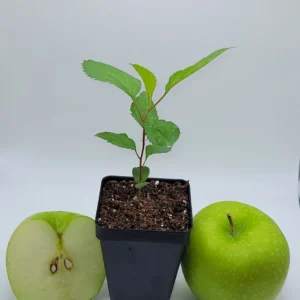
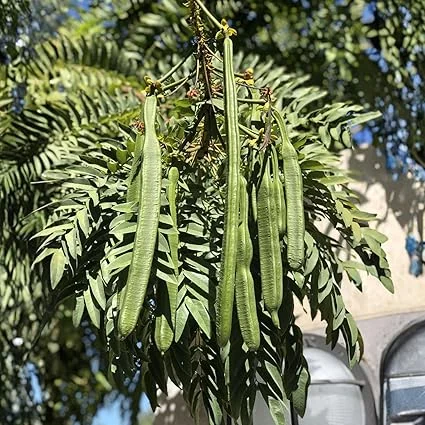
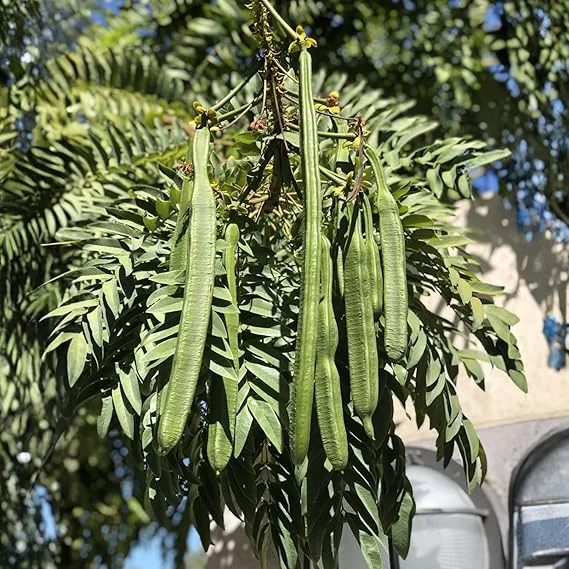
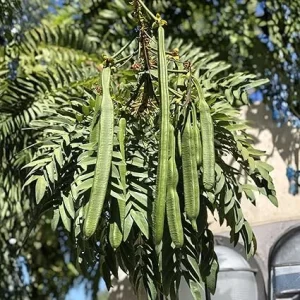
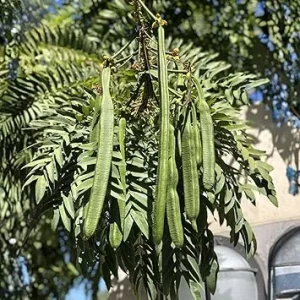
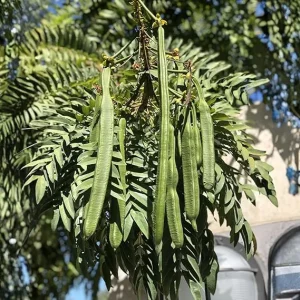
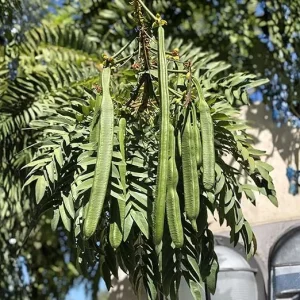
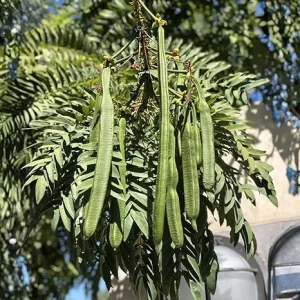
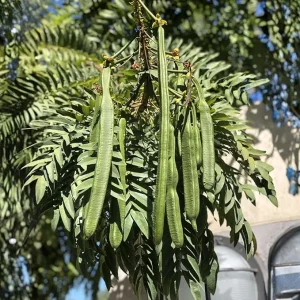
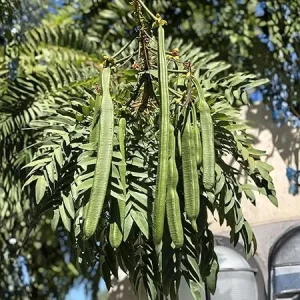
Introduce a powerful addition to your garden with this vibrant moringa tree live plant. Known scientifically as Moringa oleifera, this remarkable tree is celebrated for its rapid growth and nutritional density. Often referred to as the “miracle tree,” the moringa oleifera benefits are extensive, making it a highly sought-after specimen for health-conscious gardeners and those looking to add a resilient, beneficial plant to their landscape. This particular offering is a young, healthy specimen, typically 6-10 inches tall, arriving in a 4-inch pot, ready for planting.
The moringa tree live plant is a versatile and robust tree, ideal for a variety of growing conditions. Whether you aim to grow moringa tree as a prominent feature in your outdoor garden or prefer to cultivate it in a container on your patio, this plant adapts well. It’s an excellent choice for those new to gardening, thanks to its forgiving nature and minimal care requirements. With its lush green foliage and potential for significant growth, it’s not just a beneficial plant but also an attractive one.
Key Benefits
Cultivating a moringa tree offers a multitude of advantages, from its nutritional value to its ease of care. Here are some of the standout benefits of owning a moringa tree live plant:
- Nutrient-Rich Superfood: The leaves of the moringa tree are packed with vitamins, minerals, and antioxidants, making it a valuable addition to a healthy diet. Many people look to understand what is moringa oleifera and its impressive nutritional profile.
- Rapid Growth: Moringa trees are known for their incredibly fast growth rate, allowing you to enjoy a substantial plant in a relatively short period. This makes it rewarding for gardeners who love to see quick results.
- Low Maintenance: This tree requires minimal attention once established, thriving with moderate watering and full sun exposure. It’s perfect for busy individuals or those new to gardening.
- Drought Tolerant: The moringa tree live plant is highly resilient and can withstand periods of drought, making it suitable for various climates and water-conscious gardening.
- Versatile Growing Options: Can be grown directly in the ground in warmer climates (USDA Zones 9-11) or successfully cultivated in pots, allowing it to be moved indoors during colder months. This flexibility makes it accessible to a wider range of gardeners.
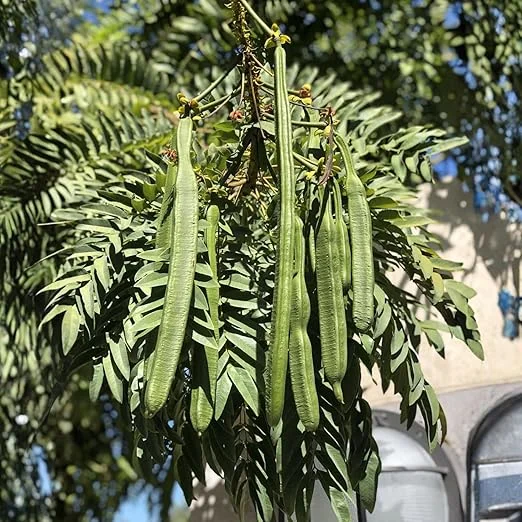
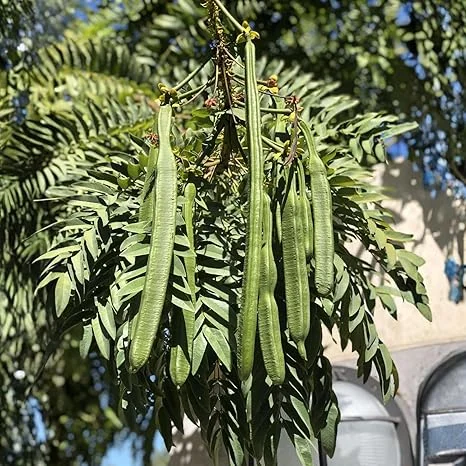
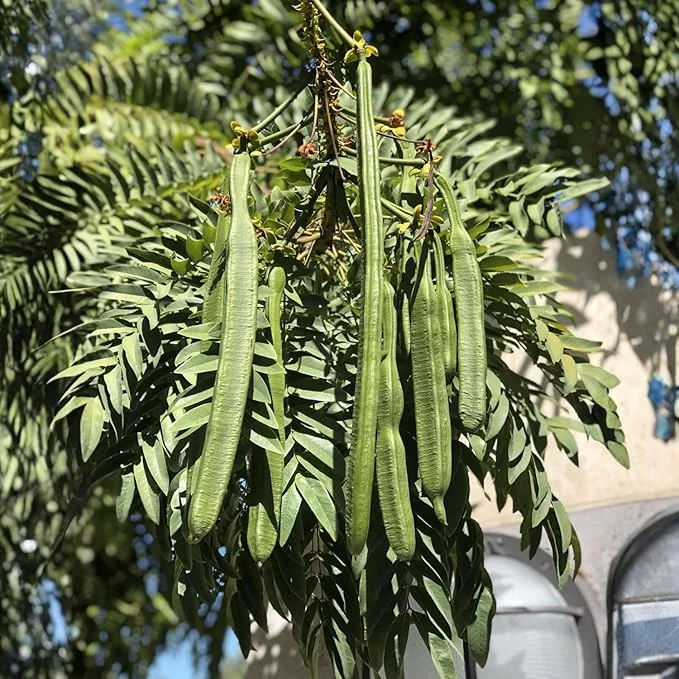
- Culinary and Medicinal Uses: Beyond its garden appeal, moringa leaves, pods, and flowers are used in various culinary dishes and traditional remedies. Understanding what is moringa oleifera often begins with exploring these diverse applications.
- Compact Size for Containers: While it can grow large outdoors, it adapts well to container growing, allowing you to keep it at a manageable size for balconies, patios, or smaller gardens.
Plant Care & Growing Tips
Proper caring for moringa plant ensures its healthy growth and bountiful yield. The moringa tree thrives in full sun, requiring at least 6-8 hours of direct sunlight daily for optimal development. When grown outdoors, choose a location that receives ample light throughout the day. If growing indoors or in a container, place it near a south-facing window or use supplemental grow lights to meet its light requirements.
Watering should be moderate. Allow the top inch or two of soil to dry out completely between waterings to prevent root rot, especially for young plants. Moringa prefers well-draining soil; a sandy loam mix is ideal. Ensure your pot has drainage holes if container gardening. The tree is hardy in USDA Zones 9–11. For those in colder climates, it’s essential to grow moringa tree in pots so it can be brought indoors during winter when temperatures drop below 50°F (10°C). Inside, reduce watering significantly.
Fertilization is generally not heavily required, especially in rich soil. However, a balanced, all-purpose fertilizer can be applied sparingly during the growing season (spring and summer) to encourage vigorous growth. Watch for common pests like aphids or spider mites, which can be managed with organic insecticidal soap. Pruning can be done to maintain shape and size, especially if you want to keep the tree smaller for container growing or to encourage bushier growth for leaf harvesting. Understanding these aspects is crucial for successful caring for moringa plant.
Size & Details
This offering is for one robust moringa tree live plant, typically measuring between 6 to 10 inches in height from the base of the soil to the top of the foliage. It arrives securely planted in a 4-inch nursery pot, providing a stable foundation for its initial growth. The plant is pre-established, making the transition to your garden or larger container smooth. Moringa trees are known for their exceptionally fast growth rate, often growing several feet in a single season under ideal conditions. Outdoors, this tree can reach heights of 10-20 feet, but its size can be easily managed through pruning if grown in containers or smaller garden spaces. You can expect your moringa tree live plant to quickly establish itself and begin producing its beneficial leaves once settled in its new environment.
Frequently Asked Questions
- Q: How big does this plant get? A: This moringa tree live plant is currently 6-10 inches tall. When planted outdoors in suitable climates, it can grow up to 10-20 feet tall, but it can be maintained at a smaller size through pruning or by growing it in a container.
- Q: What size pot does it come in? A: Your moringa tree live plant will arrive in a 4-inch nursery pot, ready for you to transplant it into a larger container or directly into your garden.
- Q: Is this an indoor or outdoor plant? A: The moringa tree is primarily an outdoor plant, thriving in full sun. However, in colder climates (outside USDA Zones 9-11), it can be successfully grown in a pot and moved indoors during the winter months.
- Q: How much sunlight does it need? A: To grow moringa tree successfully, it requires full sun exposure, meaning at least 6-8 hours of direct sunlight per day.
- Q: Is this plant easy to care for? A: Yes, moringa trees are known for being fast-growing and relatively low-maintenance, making them a good choice for both experienced and novice gardeners. Caring for moringa plant is generally straightforward.
- Q: What condition will it arrive in? A: Your moringa tree will arrive as a live, potted plant, carefully packaged to ensure its health and vitality during transit.
- Q: Can I use moringa leaves in cooking? A: Absolutely! The leaves of the moringa tree live plant are highly nutritious and commonly used in various culinary applications, from smoothies and soups to stir-fries. This is a key aspect of what is moringa oleifera used for.
- Q: When is the best time to plant? A: The best time to plant your moringa tree is in spring or early summer, after the last frost, when temperatures are consistently warm.
- Q: Will it survive winter in my zone? A: Moringa trees are hardy in USDA Zones 9-11. If you live in a colder zone, you must bring the potted plant indoors before temperatures drop below 50°F (10°C) to protect it from frost.
- Q: What is the main benefit of owning a moringa tree? A: The main benefit is the plant’s incredible nutritional value and health properties, making it a natural superfood you can grow right at home. Many seek to understand what is moringa oleifera for its wellness advantages.


Reviews
There are no reviews yet.