

Overview
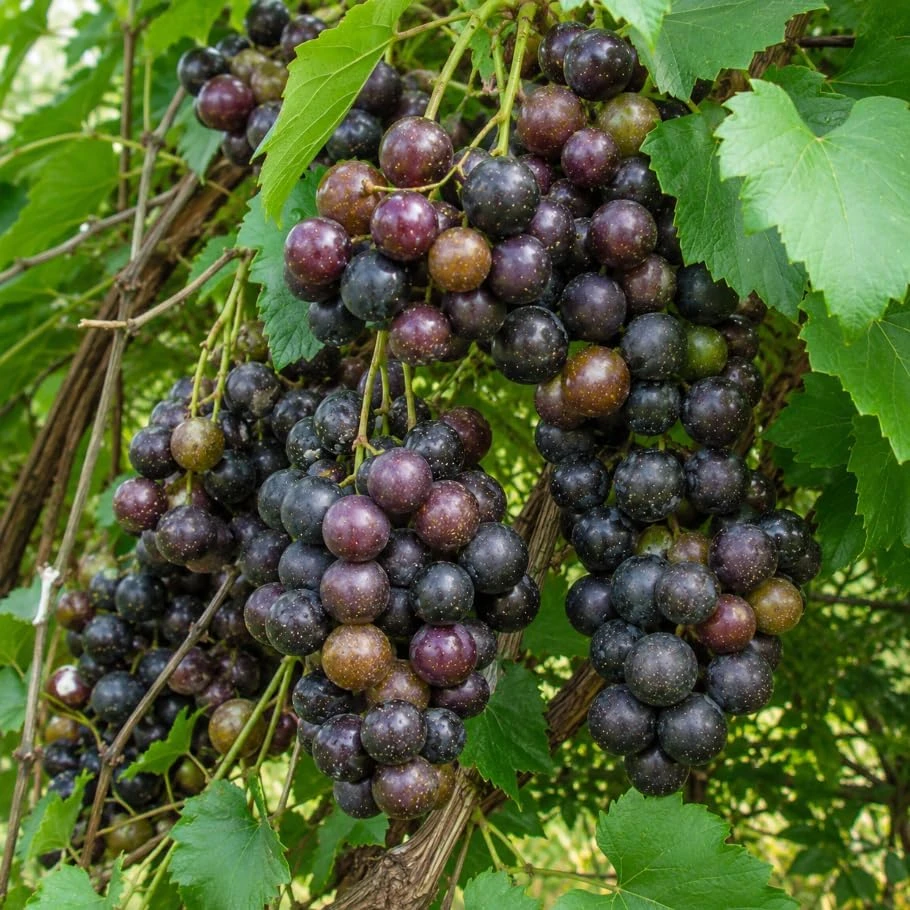
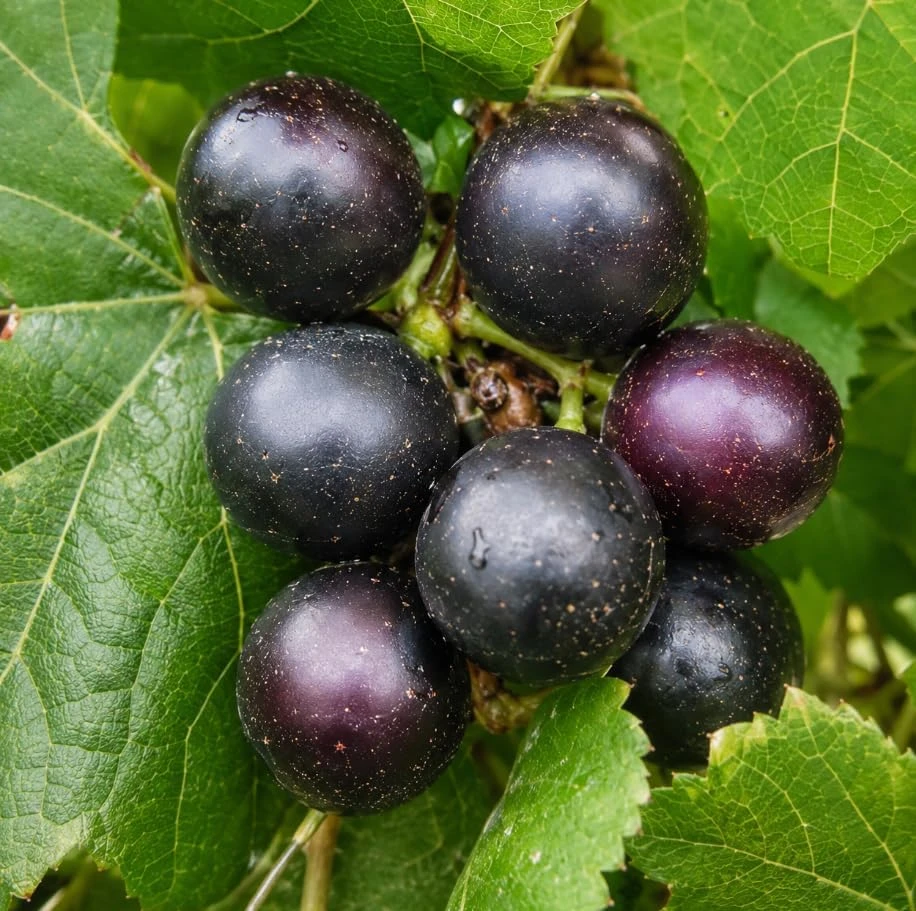
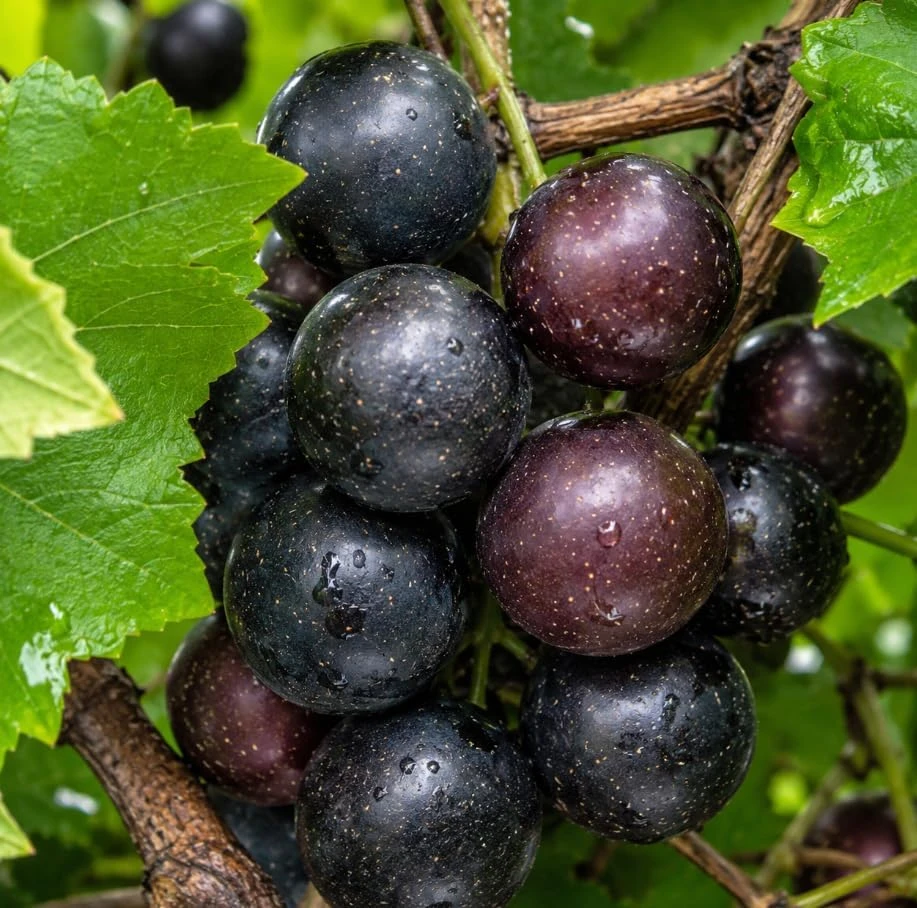
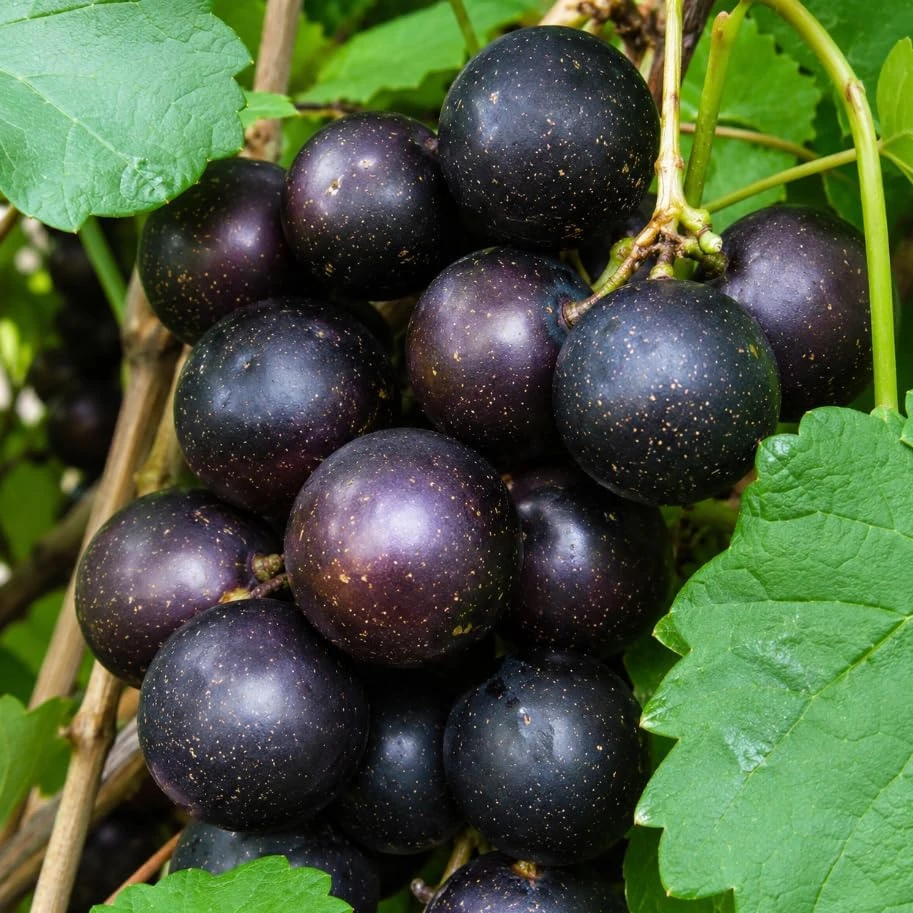
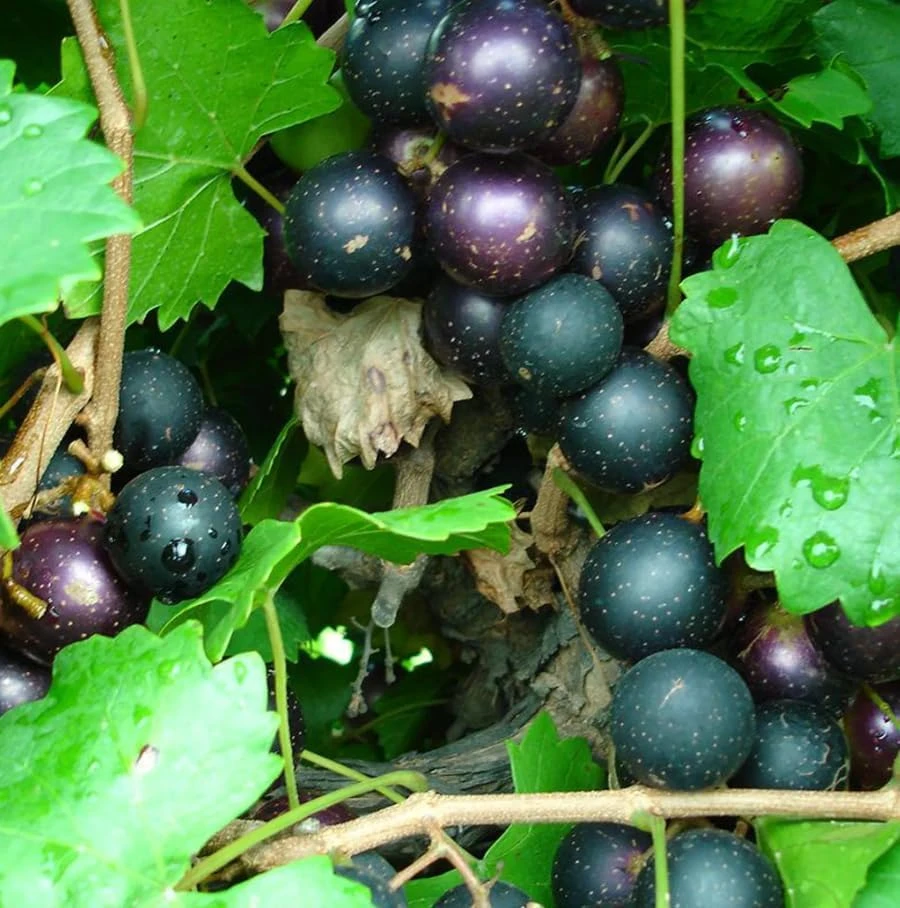
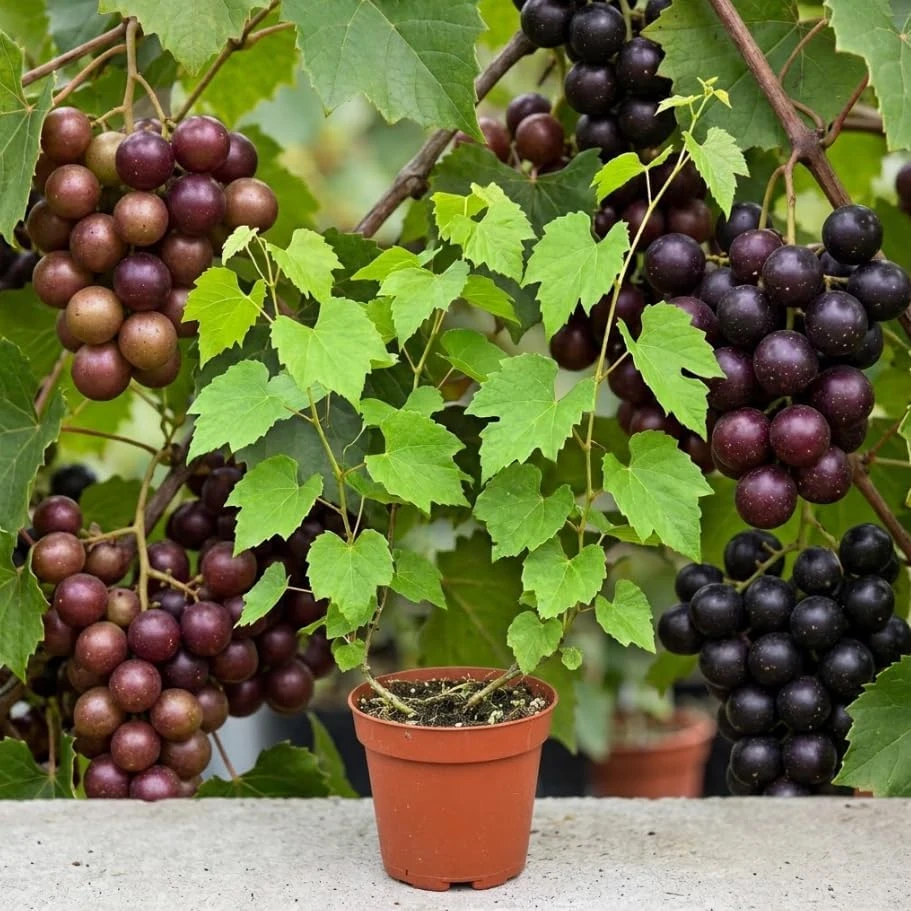
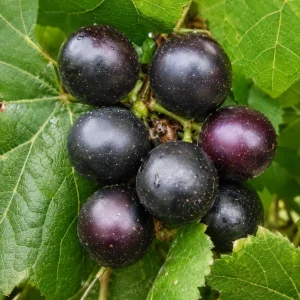
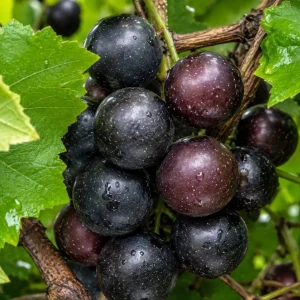
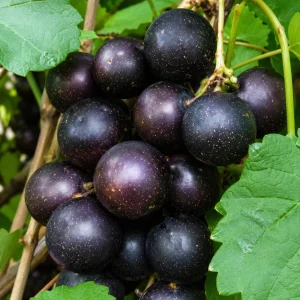
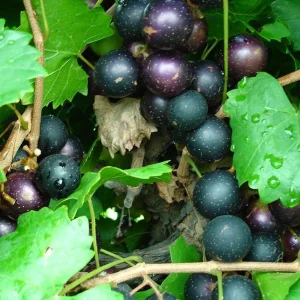
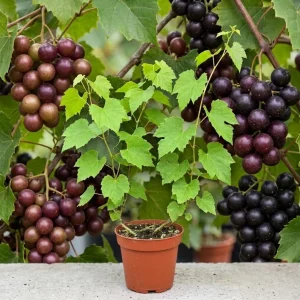
Bring the joy of homegrown fruit to your garden with a robust muscadine grape vine live plant. This vigorous climbing fruit vine, delivered in a 4 inch pot, is ready to transform your outdoor space into a productive and beautiful edible landscape. Known for its delicious and nutritious fruit, the Muscadine grape (Vitis rotundifolia) is a native American grape species celebrated for its hardiness and adaptability. Whether you’re an experienced gardener or just starting out, growing your own sweet muscadine grapes is a rewarding experience, offering fresh, juicy fruit directly from your backyard.
The Muscadine grape is a resilient plant, thriving in a variety of outdoor settings and particularly well-suited to warm climates. Its strong climbing habit makes it ideal for training along trellises, arbors, fences, or other garden supports, providing both shade and an abundant harvest. Even if your plant arrives dormant during cooler months, it is a natural seasonal condition, and new growth will emerge with the warmth of spring, ready to produce a bounty of grapes.
This young muscadine grape vine live plant is a fantastic addition to any home garden, offering the promise of fresh fruit for years to come. With proper care, you’ll be enjoying your own harvest of succulent grapes, perfect for eating fresh, making jams, jellies, or even wine. Embrace the journey of growing a beautiful and productive fruit vine.
Key Benefits
Investing in a muscadine grape vine live plant offers numerous advantages, from fresh produce to aesthetic appeal. This versatile vine provides both visual charm and a bountiful harvest, making it a valuable addition to your outdoor space. Enjoy the satisfaction of harvesting your own fruit while enhancing your garden’s beauty.
- Delicious Homegrown Fruit: Enjoy the unparalleled taste of fresh, sweet muscadine grapes picked directly from your garden. These grapes are perfect for snacking, desserts, preserves, or homemade wines, providing a healthy and flavorful addition to your diet.
- Vigorous Climbing Habit: The Muscadine grape vine is a strong climber, ideal for training on trellises, arbors, pergolas, or fences. It provides excellent shade and creates an attractive, edible green wall or canopy, enhancing your garden’s design.
- Hardy and Adaptable: Known for its resilience, this muscadine grape vine live plant thrives in warm climates and can adapt to various soil conditions. It’s a low-maintenance choice for gardeners looking for a fruit-bearing plant that can withstand different environmental factors.
- Long-Lived Production: With proper care, a Muscadine grape vine can produce fruit for many years, offering a sustainable source of fresh grapes season after season. This makes it a long-term investment for your edible landscape.
- Attractive Landscape Element: Beyond its fruit, the lush foliage and climbing nature of the vine add significant aesthetic value to your garden. It creates a natural, vibrant backdrop or focal point, contributing to a serene outdoor environment.
- Supports Local Ecosystems: Growing native plants like the Muscadine grape can benefit local wildlife, providing food and habitat for birds and other creatures, contributing to a healthier garden ecosystem.
- Educational for Families: It’s a wonderful plant for families with children, offering an engaging way to learn about where food comes from, plant growth, and the joys of gardening. Understanding muscadine plant care can be a fun family activity.
Plant Care & Growing Tips
Ensuring your muscadine grape vine live plant thrives requires attention to a few key care aspects. These hardy vines are relatively forgiving but perform best with optimal conditions, leading to a more abundant harvest of sweet muscadine grapes. Understanding the specific needs of your hardy fruit vine is crucial for its long-term health and productivity.
Muscadine grapes require full sun exposure to produce the best fruit. Choose a location in your garden that receives at least 6-8 hours of direct sunlight daily. Well-draining soil is essential; muscadines do not tolerate soggy roots. A slightly acidic to neutral soil pH (5.5-6.5) is ideal. Amend heavy clay soils with organic matter like compost or pine bark to improve drainage and aeration. When planting, dig a hole twice as wide as the root ball and just as deep. Carefully remove the plant from its 4 inch pot and gently loosen any circling roots before placing it in the hole. Backfill with soil, tamp gently, and water thoroughly.
Water your young Muscadine grape vine regularly, especially during dry periods, to establish a strong root system. Once established, they are somewhat drought-tolerant but will benefit from consistent moisture during fruit development. Fertilize in early spring with a balanced fertilizer, gradually increasing the nitrogen as the vine matures. Pruning is vital for fruit production and vine health. During winter dormancy, prune back last year’s fruiting wood to leave spurs with 2-4 buds. Provide sturdy support like a trellis, arbor, or strong fence for the vine to climb, as it can become quite heavy when laden with fruit. This proactive approach to muscadine grape planting will ensure a successful harvest.
Size & Details
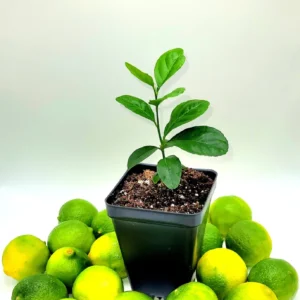
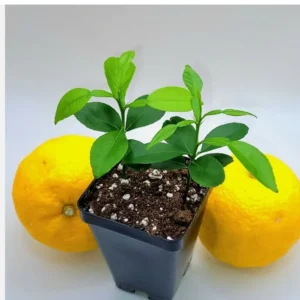
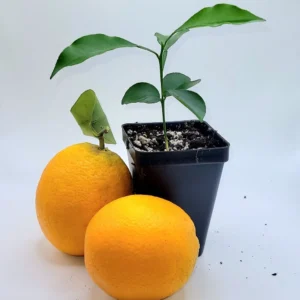
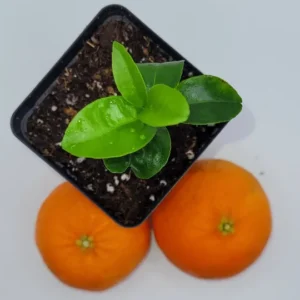
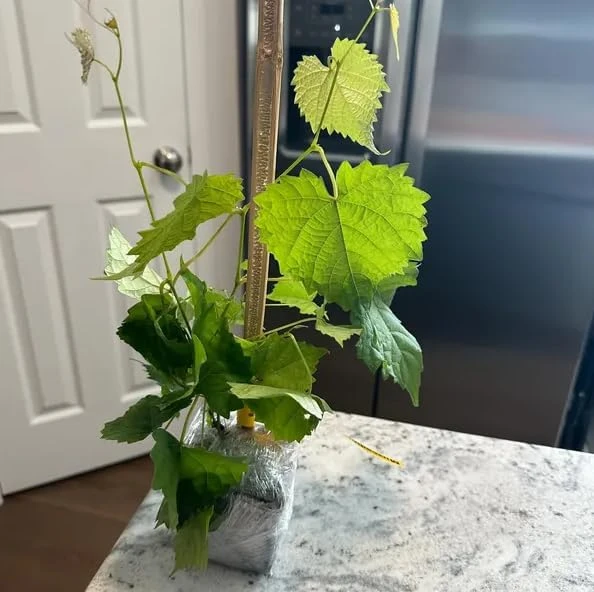
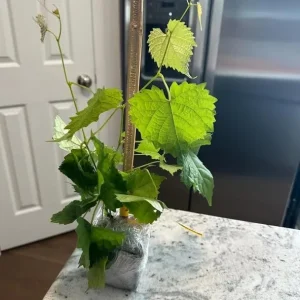
This muscadine grape vine live plant is shipped as a vigorous starter plant in a 4 inch nursery pot, providing a healthy foundation for growth in your garden. At arrival, the plant size and foliage may naturally vary by season; during winter, it may be shipped dormant without leaves or visible top growth, which is a normal seasonal condition. This young vine is ready for planting and training to establish a strong structure.
Once planted, a Muscadine grape vine is a fast-growing, climbing plant that can reach lengths of 20-30 feet or more, depending on the support structure and pruning. Fruit production typically begins 2-3 years after planting, with full production achieved in 5-7 years. The plant’s maturity, growing conditions, and proper care will influence the quantity and quality of the sweet muscadine grapes harvested. This hardy fruit vine is a long-term investment, providing years of delicious fruit.
Frequently Asked Questions
- Q: How big does this plant get? A: A muscadine grape vine live plant can grow quite large, typically reaching lengths of 20-30 feet or more when mature, especially with proper support like a trellis or arbor. Its size depends on growing conditions and pruning.
- Q: What size pot does it come in? A: This muscadine grape vine live plant arrives in a standard 4 inch pot, making it a convenient starter plant ready for transplanting into your garden or a larger container.
- Q: Is this an indoor or outdoor plant? A: The Muscadine grape vine is an outdoor plant, best suited for gardens, patios, and landscapes where it can receive full sun and ample space to climb. It thrives in warm climates.
- Q: How much sunlight does it need? A: For optimal growth and fruit production, a muscadine grape vine live plant requires full sun, meaning at least 6-8 hours of direct sunlight per day.
- Q: Is this plant easy to care for? A: Yes, Muscadine grape vines are relatively easy to care for once established. They are known for their hardiness and adaptability, making them a good choice for both experienced and novice gardeners interested in a hardy fruit vine.
- Q: What condition will it arrive in? A: Your muscadine grape vine live plant will arrive as a live starter plant in a 4-inch nursery pot. During winter, it may be dormant with no leaves, which is normal. It will produce new growth in spring.
- Q: How long until it blooms or fruits? A: Muscadine grape vines typically begin to produce fruit 2-3 years after planting, with significant yields occurring in 5-7 years. Patience and consistent muscadine plant care will lead to a bountiful harvest.
- Q: What’s the best time for muscadine grape planting? A: The ideal time for muscadine grape planting is in the spring after the last frost, allowing the plant ample time to establish itself before the summer heat.
- Q: Will it survive winter in my zone? A: Muscadine grape vines are generally hardy in USDA Zones 7-10. If you are in a colder zone, consider protecting the vine during winter or growing it in a container that can be moved indoors.
- Q: What are sweet muscadine grapes used for? A: Sweet muscadine grapes are incredibly versatile. They can be eaten fresh, used in jams, jellies, pies, juices, or even fermented into delicious homemade wine.


Reviews
There are no reviews yet.