Overview
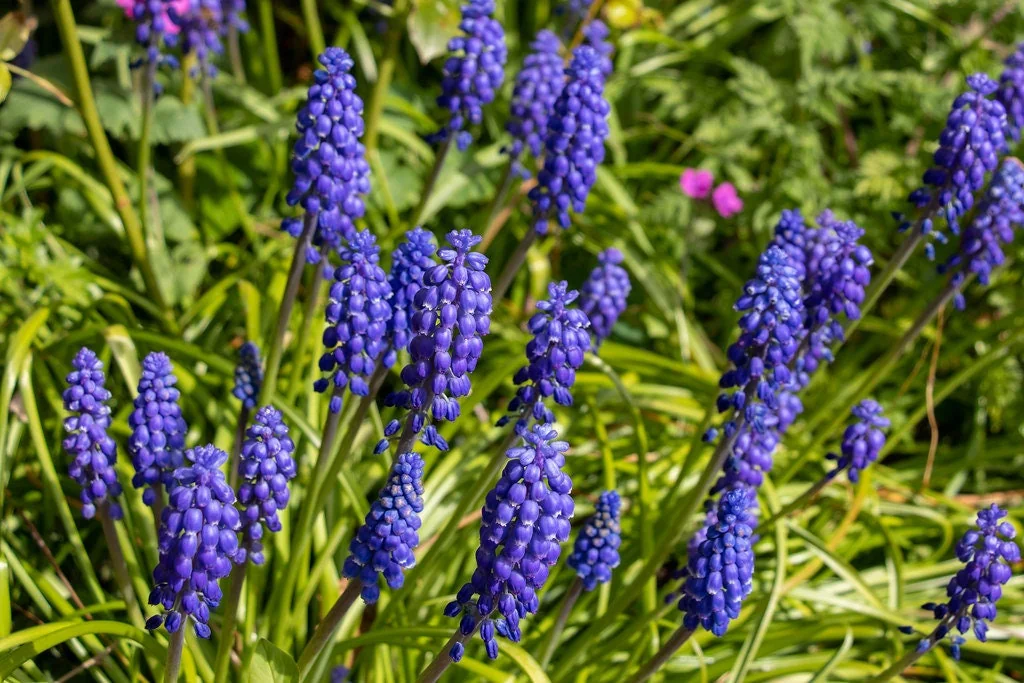
Bring a splash of vibrant blue to your spring garden with Muscari Armeniacum bulbs, commonly known as blue Grape Hyacinth. These charming flower bulbs produce dense clusters of bell-shaped, deep blue flowers that resemble miniature bunches of grapes, creating a captivating visual display. Muscari are a Dutch favorite, celebrated for their robust nature and ease of cultivation. They are an excellent choice for gardeners looking for low-maintenance, high-impact color. These bulbs are perfect for planting in large drifts or clusters, naturalizing beautifully to form an ever-expanding carpet of blue. Imagine your garden transformed into a sea of sapphire blooms each spring, attracting early pollinators and adding a delightful fragrance to the air. Our Muscari Armeniacum bulbs are carefully selected to ensure vigorous growth and abundant flowering in your landscape.
Muscari Armeniacum is not only aesthetically pleasing but also incredibly resilient. They thrive in a wide range of conditions and are particularly noted for being deer resistant bulbs, offering peace of mind to gardeners in areas prone to browsing. Their ability to naturalize well means that once planted, they will return year after year, multiplying and spreading to create an even more impressive show. These easy-to-grow bulbs are a must-have for both novice and experienced gardeners, providing reliable beauty with minimal effort. Pair them with tulips or daffodils for a classic and breathtaking spring combination.
Key Benefits
Our Muscari Armeniacum bulbs offer numerous advantages, making them a fantastic addition to any garden or landscape. Their unique qualities contribute to a beautiful and hassle-free gardening experience.
- Stunning Spring Color: Enjoy a vibrant display of deep blue, grape-like flower clusters that emerge in mid-spring, adding rich color to your garden beds, borders, and rockeries. The intense blue hue is highly sought after.
- Deer Resistant Bulbs: Muscari are naturally unpalatable to deer, making them an excellent choice for gardens where deer browsing is a concern. You can plant them with confidence, knowing they are likely to be left untouched.
- Easy to Grow Bulbs: These bulbs are incredibly forgiving and require minimal attention once established. They are perfect for beginners and busy gardeners alike, delivering beautiful results with little effort.
- Excellent for Naturalizing: Muscari Armeniacum bulbs readily multiply and spread over time, creating dense, natural-looking drifts of color. This self-propagating nature ensures an increasingly spectacular display each year.
- Versatile Planting Options: Ideal for mass plantings, borders, rock gardens, containers, and under deciduous trees. They also make wonderful companions for other spring-flowering bulbs like tulips and daffodils, enhancing their beauty.
- Long-Lasting Blooms: The beautiful blue flowers provide a sustained period of color in mid-spring, extending the seasonal interest of your garden.
- Attracts Pollinators: The early spring blooms provide a valuable nectar source for bees and other beneficial pollinators, contributing to the health of your garden ecosystem.
Plant Care & Growing Tips
Caring for your Muscari Armeniacum bulbs is straightforward, ensuring a beautiful display year after year. These resilient bulbs are known for their minimal care requirements. Plant your blue Grape Hyacinth bulbs in the fall before the first hard frost. Choose a location that receives full sun to partial shade, meaning at least 4-6 hours of direct sunlight per day. While they tolerate some shade, more sun generally leads to more abundant flowering. The ideal soil for Muscari is well-draining, fertile, and slightly acidic to neutral. Heavy clay soils should be amended with organic matter like compost or sand to improve drainage and prevent rot, as soggy conditions are detrimental to bulbs.
Watering is crucial during active growth in spring if rainfall is insufficient. However, once the foliage begins to yellow and die back after flowering, reduce watering significantly, as the bulbs enter dormancy and prefer drier conditions. Overwatering during dormancy can lead to rot. Muscari generally do not require heavy fertilization; a balanced, slow-release fertilizer applied in early spring as new growth emerges, or bone meal at planting, can be beneficial. These easy to grow bulbs are hardy in USDA Zones 3-9, tolerating a wide range of winter temperatures. In colder zones, a layer of mulch can provide additional protection, though it’s often not strictly necessary.
To encourage naturalization and a continuous display, allow the foliage to die back naturally after flowering. Do not cut it back prematurely, as the leaves are essential for photosynthesizing and storing energy in the bulb for the following year’s blooms. If you notice a decrease in flowering over several years, it might be time to divide overcrowded clumps in late summer or early fall. This practice helps invigorate the bulbs and promotes further spreading. Pests and diseases are rarely an issue for Muscari, reinforcing their reputation as deer resistant bulbs and low-maintenance garden stars. For those looking for naturalizing Muscari, simply plant and enjoy the show!
Size & Details
The Muscari Armeniacum bulbs typically grow to a height of 6-8 inches (15-20 cm), forming charming, compact clumps of vibrant blue flowers. When planted, these bulbs will produce foliage in late fall or early spring, followed by their distinctive grape-like flower spikes in mid-spring. Each bulb is designed to naturalize effectively, meaning they will spread and multiply over time, creating a denser and more expansive floral display with each passing year. They are shipped as dormant bulbs, ready for fall planting to ensure a spectacular bloom the following spring. The mature spread of a single clump can be 3-6 inches, but they are most effective when planted in groups for a mass effect.
Frequently Asked Questions
- Q: How big do these Muscari Armeniacum bulbs get? A: Muscari Armeniacum bulbs typically grow to a height of 6-8 inches (15-20 cm) with their flower spikes. The foliage is usually slightly shorter, creating a compact and attractive ground cover.
- Q: When is the best time to plant blue Grape Hyacinth bulbs? A: The optimal time to plant blue Grape Hyacinth bulbs is in the fall, before the ground freezes. This allows the bulbs to establish roots before winter and ensures a beautiful spring bloom.
- Q: Are these bulbs truly deer resistant? A: Yes, Muscari Armeniacum bulbs are well-known for being highly deer resistant bulbs. Deer tend to avoid them due to their taste and texture, making them a safe choice for gardens in deer-prone areas.
- Q: How much sunlight do these Muscari bulbs need? A: Muscari thrive in full sun to partial shade. They require at least 4-6 hours of direct sunlight daily for the best flowering, though they can tolerate some afternoon shade.
- Q: Are these easy to grow bulbs for beginners? A: Absolutely! Muscari are considered some of the easiest bulbs to grow. They are very forgiving, require minimal care, and reliably return each year, making them perfect for novice gardeners. These are truly easy to grow bulbs.
- Q: Can I plant these in containers? A: Yes, Muscari Armeniacum bulbs are excellent for container planting. Ensure the container has good drainage and use a well-draining potting mix. They look lovely in pots on patios or balconies.
- Q: How do I get my Muscari to naturalize and spread? A: To encourage naturalizing Muscari, plant them in a location they like and allow the foliage to die back naturally after flowering. Avoid cutting the leaves too early, as they replenish the bulbs for future blooms.
- Q: What USDA zones are suitable for these bulbs? A: These Muscari bulbs are hardy in USDA Zones 3-9, meaning they can withstand a wide range of winter temperatures and perform well in most temperate climates across the US.
- Q: Do these bulbs have any fragrance? A: Yes, blue Grape Hyacinth flowers have a light, sweet fragrance that is particularly noticeable when planted in large groups. It adds another delightful dimension to your spring garden.
- Q: What kind of soil is best for Muscari? A: Muscari prefer well-draining soil that is rich in organic matter. Avoid heavy, waterlogged soils, as this can cause the bulbs to rot. Amending with compost can greatly improve soil structure.


Reviews
There are no reviews yet.