Overview
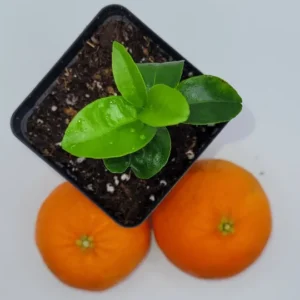
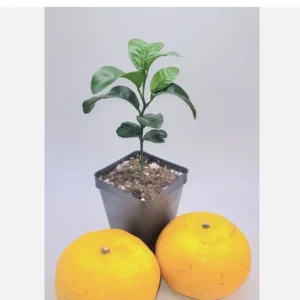
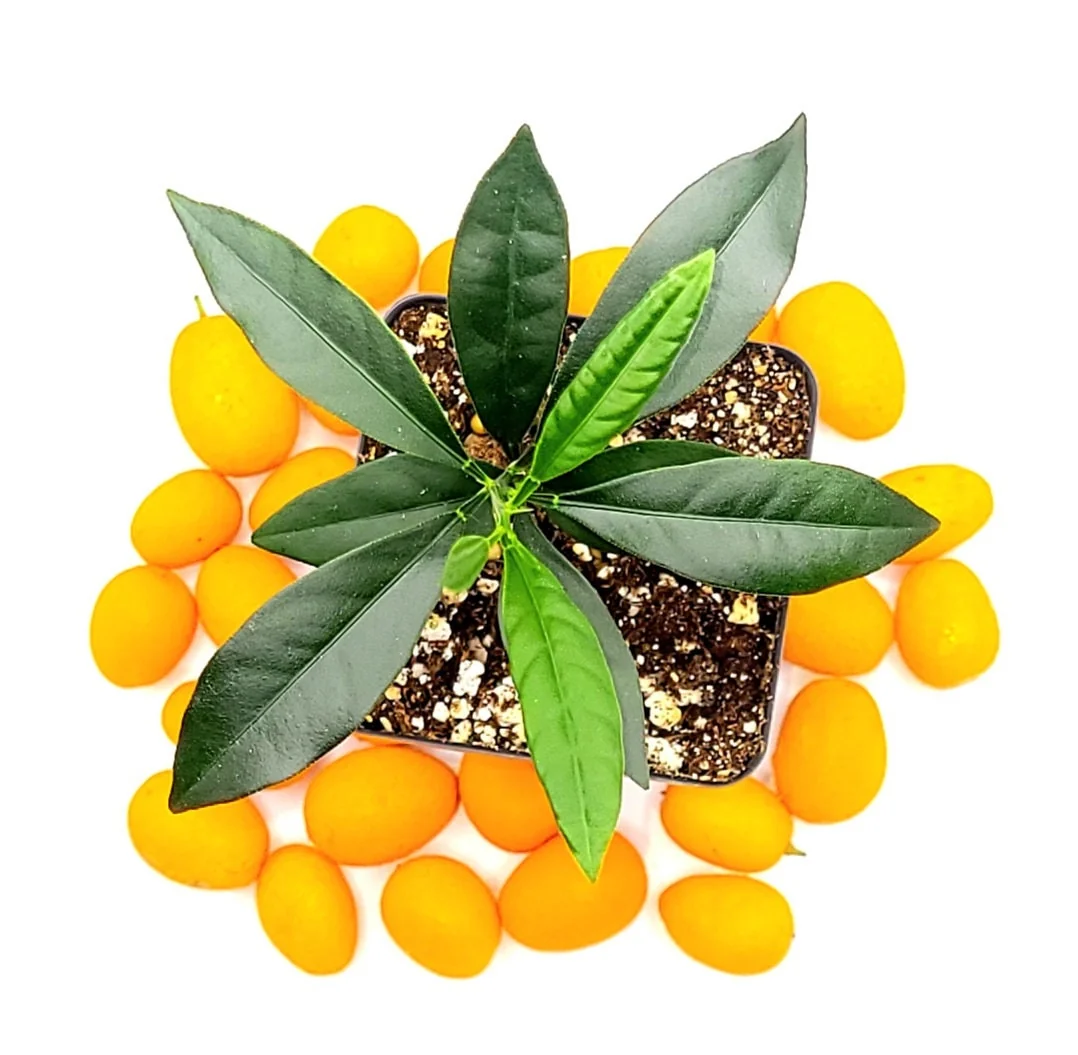
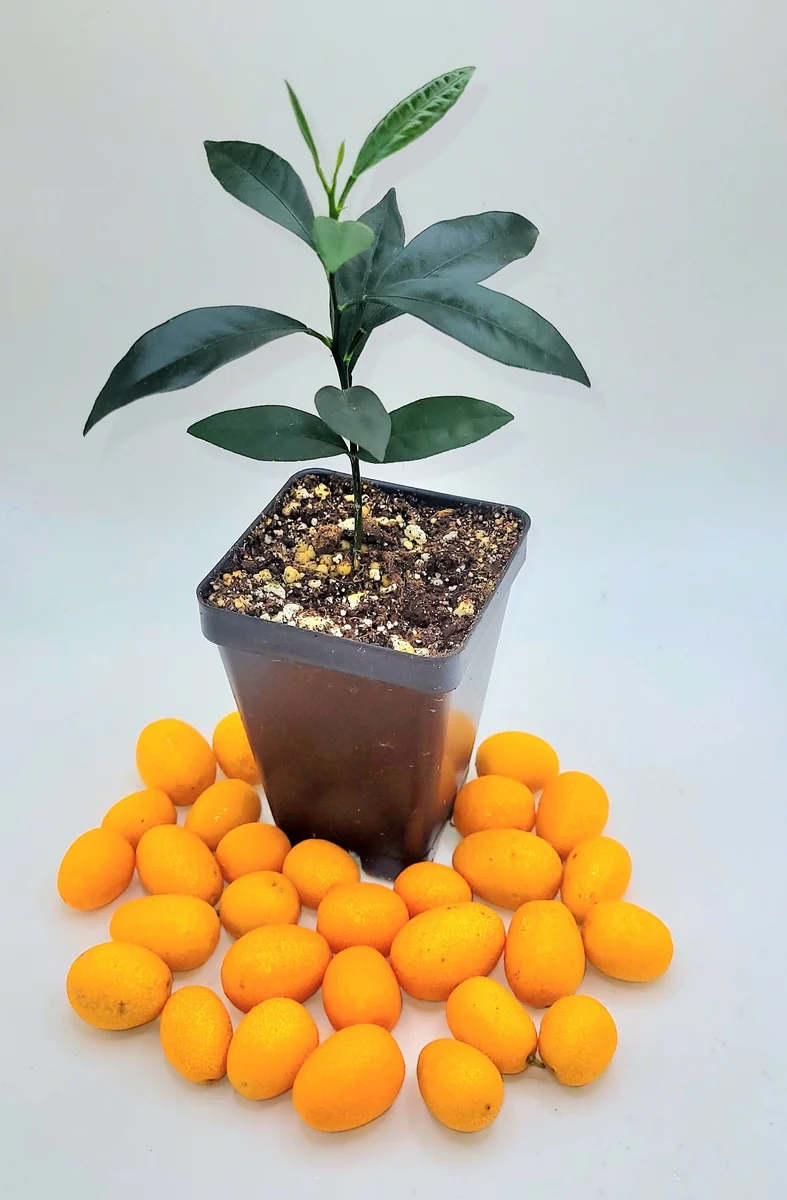
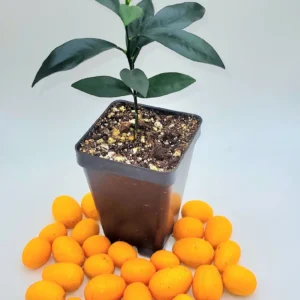
Embark on a delightful gardening journey with these vibrant nagami kumquat seedlings. Each live plant is carefully nurtured to reach a healthy 3-4 inch height, offering you a fantastic opportunity to cultivate your very own Nagami kumquat tree. Known for their distinctive oblong shape and thin, sweet rind that can be eaten along with the tart pulp, Nagami kumquats (Fortunella margarita ‘Nagami’) are a beloved citrus variety. These young seedlings are robust and eager to establish themselves in their new home, promising years of fragrant blossoms and bountiful harvests. Whether you’re an experienced gardener or just starting, growing a kumquat live plant offers a rewarding experience, bringing a touch of the exotic to your garden or indoor space.
These seedlings represent the initial stage of a beautiful and productive citrus tree. They are specifically grown to ensure they are healthy and ready for transplanting into a larger pot or your garden, depending on your climate. The Nagami kumquat is admired not only for its unique fruit but also for its attractive evergreen foliage, making it a wonderful ornamental tree. Imagine harvesting fresh, ripe kumquats directly from your own tree for snacks, preserves, or culinary creations.
Key Benefits
Cultivating nagami kumquat seedlings offers a multitude of benefits, from the aesthetic appeal of the tree to the delicious and versatile fruit it produces. These young plants are an investment in future harvests and year-round beauty. Experience the joy of nurturing a kumquat live plant from a small seedling to a thriving, fruit-bearing tree.
- Delicious Edible Fruit: Enjoy the unique experience of eating kumquats whole, including the sweet rind and tart pulp. Perfect for fresh eating, marmalades, desserts, or adding a zesty flavor to savory dishes.
- Ornamental Value: The Nagami kumquat tree boasts attractive, glossy green foliage and fragrant white blossoms, making it a beautiful addition to any patio, garden, or bright indoor space. It’s a true conversation starter.
- Compact Growth Habit: Nagami kumquats are known for their relatively compact size, making them suitable for container gardening. This allows you to easily move the plant indoors during colder months, especially if you want to grow kumquat indoors.
- Fragrant Blooms: In spring, the tree produces small, highly fragrant white flowers that fill the air with a sweet, citrusy aroma, attracting pollinators and delighting the senses.
- Gardening Satisfaction: There’s immense satisfaction in growing your own food. Nurturing a kumquat live plant from a seedling to a fruit-bearing tree is a truly rewarding experience for any plant enthusiast.
- Health Benefits: Kumquats are packed with Vitamin C, fiber, and antioxidants, contributing to a healthy diet and boosting immunity.
- Adaptability: While they thrive in warm climates, their suitability for container growing means they can be enjoyed in various regions, provided proper winter protection.
Plant Care & Growing Tips
Caring for your nagami kumquat seedlings is a straightforward process that will ensure they develop into strong, fruit-producing trees. Proper attention to their needs, especially in their early stages, is crucial. For successful growth, these young citrus plants require ample sunlight, consistent watering, and well-draining soil. Understanding the specific requirements for kumquat tree care will help you cultivate a thriving plant.
Provide your seedlings with at least 6-8 hours of direct sunlight daily. If growing indoors, place them near a south-facing window or supplement with a grow light. Well-draining soil is paramount; a good quality potting mix formulated for citrus or general container plants, amended with perlite or sand, works well. Water thoroughly when the top inch of soil feels dry, allowing excess water to drain away completely. Avoid overwatering, which can lead to root rot. During the growing season (spring and summer), fertilize every 2-4 weeks with a balanced citrus fertilizer. Reduce watering and cease fertilization in fall and winter when growth slows. Nagami kumquats are relatively hardy but prefer temperatures above 20°F (-6°C). In colder climates, they should be brought indoors or provided with protection when temperatures drop.
Regular pruning can help maintain a desirable shape and encourage more fruit production. Remove any dead or crossing branches. Monitor for common citrus pests like aphids or scale and address them promptly with organic insecticidal soap or neem oil. With consistent kumquat tree care, your seedling will mature into a productive and beautiful tree. For those looking to grow kumquat indoors, ensure good air circulation and consider misting the leaves occasionally to increase humidity.
Size & Details
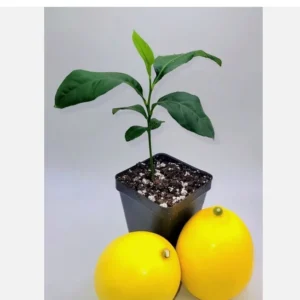
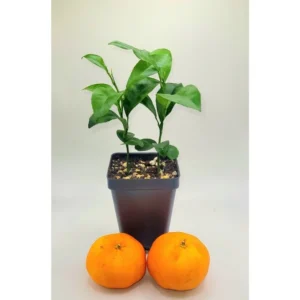
These nagami kumquat seedlings arrive as young, vibrant plants, typically standing between 3 to 4 inches tall. They are grown from seeds and are past their initial fragile stage, making them robust enough for transplanting. While they are small now, Nagami kumquat trees are known for their moderate growth rate and can eventually reach heights of 6-10 feet when mature, especially if grown in the ground. In containers, their size can be managed with pruning, often staying around 4-6 feet tall, making them ideal for patios or indoor settings. Each seedling is carefully packaged to ensure it arrives in excellent condition, ready for its new home.
Upon arrival, it is recommended to gently transplant your seedling into a slightly larger pot (around 4-6 inches in diameter) with fresh, well-draining citrus potting mix. Expect flowers and fruit production to begin within 2-4 years, depending on growing conditions and care. These seedlings offer a fantastic starting point for establishing your own productive citrus tree, whether you plan to cultivate it as an ornamental patio plant or a fruit-bearing specimen in your garden. This is an excellent opportunity to acquire a healthy citrus plant for sale.
Frequently Asked Questions
- Q: How big does this plant get? A: Your nagami kumquat seedlings are currently 3-4 inches tall. When mature, Nagami kumquat trees can reach 6-10 feet tall in the ground, or 4-6 feet in containers with proper pruning.
- Q: What size pot does it come in? A: The seedlings are shipped without a pot, with their roots carefully wrapped to ensure moisture and protection during transit. You will need to plant them into a small pot (e.g., 4-6 inches) upon arrival.
- Q: Is this an indoor or outdoor plant? A: Nagami kumquats can be grown both indoors and outdoors. They thrive outdoors in USDA zones 9-11. In colder climates, they are best grown in containers and brought indoors during winter, making it easy to grow kumquat indoors.
- Q: How much sunlight does it need? A: These seedlings require at least 6-8 hours of direct sunlight per day. If growing indoors, place them in your brightest window, preferably south-facing, or use a supplemental grow light.
- Q: Is this plant easy to care for? A: Yes, with consistent attention to sunlight, watering, and feeding, Nagami kumquats are relatively easy to care for. They are a good choice for those looking to try kumquat tree care.
- Q: What condition will it arrive in? A: Your seedling will arrive carefully packaged, with its roots protected to maintain moisture and health during shipping. It will be a healthy and vibrant young plant, ready for transplanting.
- Q: Can I use kumquats in cooking? A: Absolutely! Kumquats are incredibly versatile. They can be eaten fresh, made into marmalades, candied, or used in various culinary dishes, both sweet and savory.
- Q: How long until it blooms? A: With good care, your kumquat live plant can start producing fragrant flowers and fruit within 2-4 years from its seedling stage.
- Q: When is the best time to plant? A: It’s best to plant your seedlings as soon as they arrive. If growing outdoors, spring after the last frost is ideal. For indoor growing, planting can occur year-round.
- Q: Will it survive winter in my zone? A: Nagami kumquats are cold-sensitive. They are hardy in USDA zones 9-11. If you live in a colder zone, you must protect the plant from freezing temperatures by bringing it indoors or providing adequate insulation. This ensures your citrus plant for sale thrives.


Reviews
There are no reviews yet.