Overview
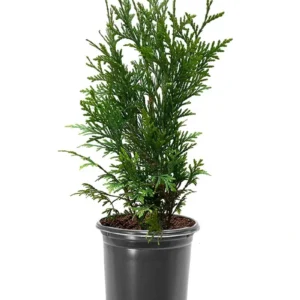
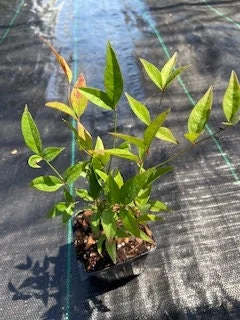
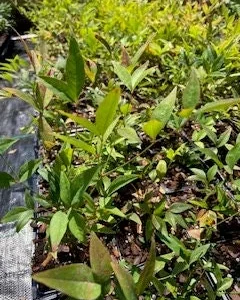
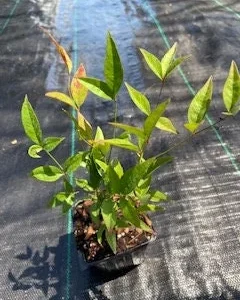
Introducing the Nandina heavenly bamboo live plant, a versatile and attractive ornamental shrub perfect for enhancing any garden or landscape. Despite its common name, Heavenly Bamboo (Nandina domestica) is not actually a bamboo but a member of the barberry family, native to central and southern China and Japan. This elegant plant was introduced to North America in the early 1800s and has since become a popular choice for its unique aesthetic appeal. The genus name, Nandina, is derived from the Latin form of its Japanese name, Nanten, while ‘domestica’ signifies its association with home sites and cultivation. This particular offering is for a healthy Nandina heavenly bamboo live plant in a 4-inch nursery pot, ready for planting.
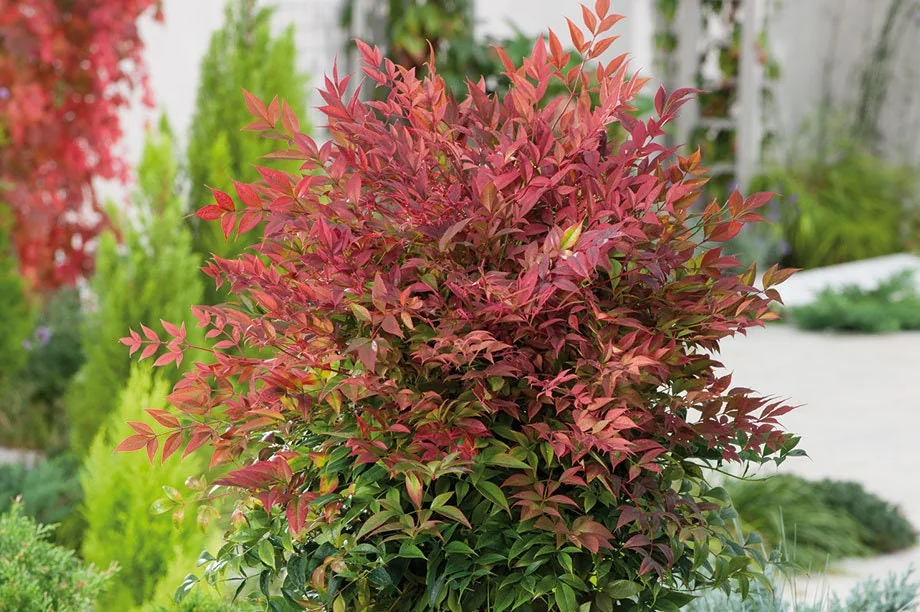
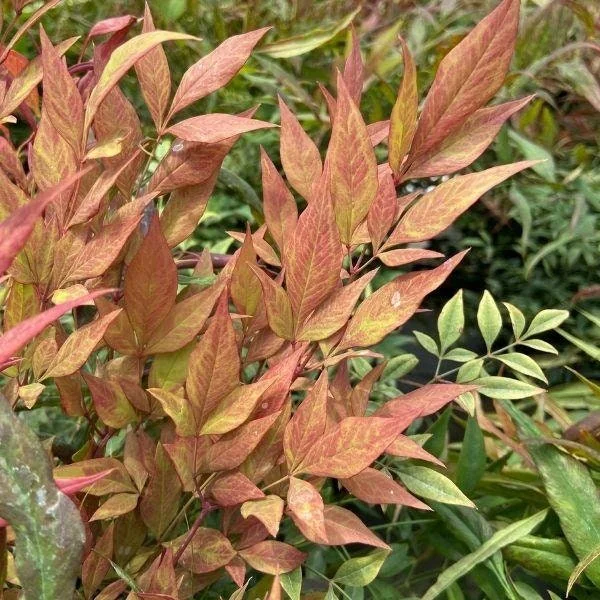
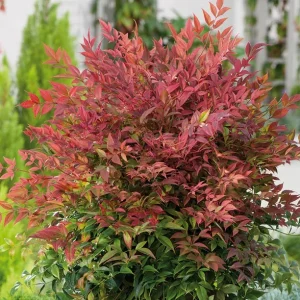
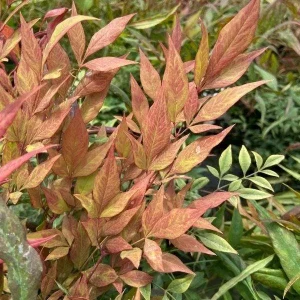
This upright evergreen shrub offers a dynamic display throughout the seasons. In late spring, delicate flowers emerge, followed by ornamental red fruits in the fall that beautifully persist through the winter months, providing a splash of color against the colder landscape. The new growth often exhibits a reddish hue, adding to its charm. While the fall foliage color can vary, its overall presence is consistently appealing. For those looking to add a touch of sophistication and year-round interest to their outdoor spaces, an ornamental Nandina shrub is an excellent choice.
Key Benefits
The Nandina heavenly bamboo live plant offers a multitude of benefits for gardeners and landscapers alike, making it a highly desirable addition to various outdoor settings:
- Year-Round Visual Interest: This plant provides continuous appeal with its changing foliage, delicate spring flowers, and vibrant red berries that last through winter. It ensures your garden remains attractive even during colder months when many other plants are dormant.
- Low Maintenance & Hardy: Once established, Nandina heavenly bamboo live plant is remarkably resilient and requires minimal care. It tolerates a range of conditions and is not typically bothered by serious insect pests or diseases, making it a fuss-free option for busy gardeners.
- Versatile Landscaping Shrub: Its upright growth habit and moderate size make it suitable for various landscape uses, including mass plantings, foundation plantings, borders, or as an accent plant. The heavenly bamboo garden can be easily designed around this adaptable shrub.
- Attractive Foliage Colors: The new growth often emerges with a charming reddish tint, and while fall colors can vary, the foliage adds a textural and chromatic dimension to the garden palette throughout the year.
- Seasonal Berries: The bright red berries that appear in fall and persist through winter offer a striking contrast against its green or reddish leaves, providing a crucial food source for some bird species and adding a festive touch to the winter garden.
- Deer Resistant: Generally, Nandina is considered deer resistant, which is a significant advantage in areas where deer browsing is a concern, helping to protect your landscape investment.
- Architectural Form: The upright, cane-like stems give the Nandina domestica a graceful, architectural quality that can add structure and vertical interest to your garden design.
Plant Care & Growing Tips
Caring for your Nandina heavenly bamboo live plant is relatively straightforward, making it an excellent choice for gardeners of all experience levels. It thrives in a variety of conditions but performs best with some specific attention to its needs. For optimal growth and to ensure a vibrant heavenly bamboo garden, consider the following:
Sunlight Requirements: Nandina prefers a location with full sun to partial shade. In full sun, it tends to produce more vibrant foliage colors and a more abundant berry set. In hotter climates, some afternoon shade can protect it from intense summer heat, preventing leaf scorch. Aim for at least 4-6 hours of direct sunlight daily for the best results. The plant’s adaptability to varying light conditions is a key aspect of good Nandina plant care.
Watering Schedule and Soil Moisture: While established Nandinas are quite drought-tolerant, consistent moisture is crucial during their first growing season to help them establish a strong root system. Water deeply once or twice a week, or more frequently during dry spells, ensuring the top few inches of soil dry out between waterings. Once mature, it can tolerate drier conditions, but regular watering during prolonged dry periods will keep it looking its best. Avoid overwatering, as constantly soggy soil can lead to root rot.
Soil Type and Drainage: The Nandina heavenly bamboo live plant is adaptable to a wide range of soil types, but it prefers well-draining soil. A rich, loamy soil amended with organic matter is ideal. Good drainage is paramount, so if you have heavy clay soil, consider amending it with compost or other soil conditioners to improve its structure and prevent waterlogging. It can tolerate slightly acidic to slightly alkaline pH levels.
Temperature Range and USDA Hardiness Zone: Nandina is generally hardy in USDA Zones 6-10. It can withstand winter temperatures down to around -10°F (-23°C). In the colder parts of its range, it may experience some dieback but usually recovers in spring. In warmer zones, it typically remains evergreen. Protect young plants from severe winter winds and extreme cold by applying a layer of mulch around the base.
Fertilization Schedule and Type: Fertilize your Nandina heavenly bamboo live plant in early spring with a balanced, slow-release granular fertilizer formulated for trees and shrubs. Follow the product instructions for application rates. Established plants may not require heavy fertilization, especially if planted in fertile soil. Over-fertilization can lead to excessive leafy growth at the expense of flowers and berries.
Pruning: Pruning can be done to maintain shape and size, or to remove old, woody stems. The best time to prune is in late winter or early spring before new growth begins. Keep in mind that flowers and fruit appear on new growth, so excessive pruning can reduce the seasonal display. Thinning out older canes from the base encourages fresh growth and better air circulation. For a more compact ornamental Nandina shrub, light shaping can be performed after the berries have faded.
Common Problems and Solutions: Nandina is generally resistant to most pests and diseases. Occasionally, scale insects or mites might appear, which can be treated with horticultural oil or insecticidal soap. The primary concern with this plant is its potential invasiveness in some regions due to its prolific berry production and seed dispersal. Some sterile or low-fruiting cultivars like ‘Fire Power’ or ‘Gulf Stream’ are available as alternatives if invasiveness is a concern in your area. Always check with local agricultural extensions or plant councils regarding invasive species in your specific location for the best Nandina plant care practices.
Size & Details
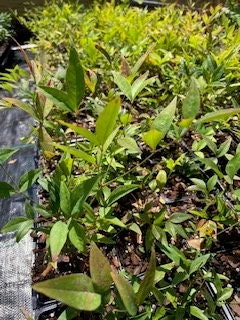
This offering is for a healthy Nandina heavenly bamboo live plant supplied in a 4in Nursery Pot. At the time of shipment, the plant will have a well-established root system and foliage suitable for transplanting. While the exact height will vary, plants in this pot size typically range from 6 to 12 inches tall, depending on growth stage and cultivar. This size is ideal for planting directly into your garden beds, larger containers, or as part of a mixed border.
The mature size of an ornamental Nandina shrub can vary significantly by cultivar, but generally, Nandina domestica can reach a height of 6-8 feet and a spread of 3-5 feet over several years. Its growth rate is considered moderate, allowing it to fill out a space without becoming overgrown too quickly. This particular Nandina heavenly bamboo live plant will arrive securely packaged to minimize stress during transit, ensuring it reaches you in excellent condition, ready to thrive in its new home. Expect vibrant new growth and the potential for seasonal berries once established.
Frequently Asked Questions
- Q: How big does this Nandina heavenly bamboo live plant get? A: This plant is shipped in a 4-inch nursery pot, typically standing 6-12 inches tall. When mature, the standard Nandina domestica can reach 6-8 feet in height and 3-5 feet in width, though size can vary by cultivar and growing conditions.
- Q: Is this an indoor or outdoor plant? A: Nandina heavenly bamboo live plant is primarily an outdoor ornamental shrub. It thrives in garden beds, borders, and as a landscape accent in USDA Zones 6-10. It is not typically grown as a houseplant.
- Q: How much sunlight does Nandina heavenly bamboo live plant need? A: It prefers full sun to partial shade. For the best foliage color and berry production, aim for at least 4-6 hours of direct sunlight per day. In very hot climates, some afternoon shade is beneficial.
- Q: Is this plant easy to care for? Is it good for beginners? A: Yes, Nandina is considered a low-maintenance and hardy shrub, making it an excellent choice for beginners. Its care requirements for the heavenly bamboo garden are straightforward, and it’s generally resistant to pests and diseases.
- Q: What condition will the Nandina heavenly bamboo live plant arrive in? A: Your plant will arrive in a 4-inch nursery pot with a healthy root system and foliage, carefully packaged to ensure it withstands transit and reaches you in good condition, ready for planting.
- Q: When is the best time to plant a Nandina heavenly bamboo live plant? A: The best time to plant is in spring or early fall, allowing the plant to establish its root system before extreme summer heat or winter cold. However, it can be planted any time the ground is not frozen, with proper care.
- Q: What’s the minimum temperature this ornamental Nandina shrub can survive? A: Nandina is hardy down to USDA Zone 6, meaning it can tolerate winter temperatures as low as -10°F (-23°C). In colder zones, it may experience some dieback but often recovers.
- Q: Are the berries on Nandina safe for pets or children? A: The berries and leaves of Nandina contain cyanide and can be toxic if ingested in large quantities by humans, livestock, pets, and some birds. It is advisable to plant it where it cannot be easily accessed by curious pets or young children.
- Q: How often should I water my Nandina plant care? A: During its first growing season, water deeply 1-2 times per week. Once established, it is drought-tolerant but benefits from watering during prolonged dry periods. Always check if the topsoil is dry before watering again.
- Q: Will this Nandina domestica attract wildlife to my garden? A: The bright red berries are attractive to some bird species, particularly in winter, providing a food source. However, due to the berries’ toxicity, it’s worth being mindful of this interaction.


Reviews
There are no reviews yet.