Overview
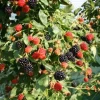
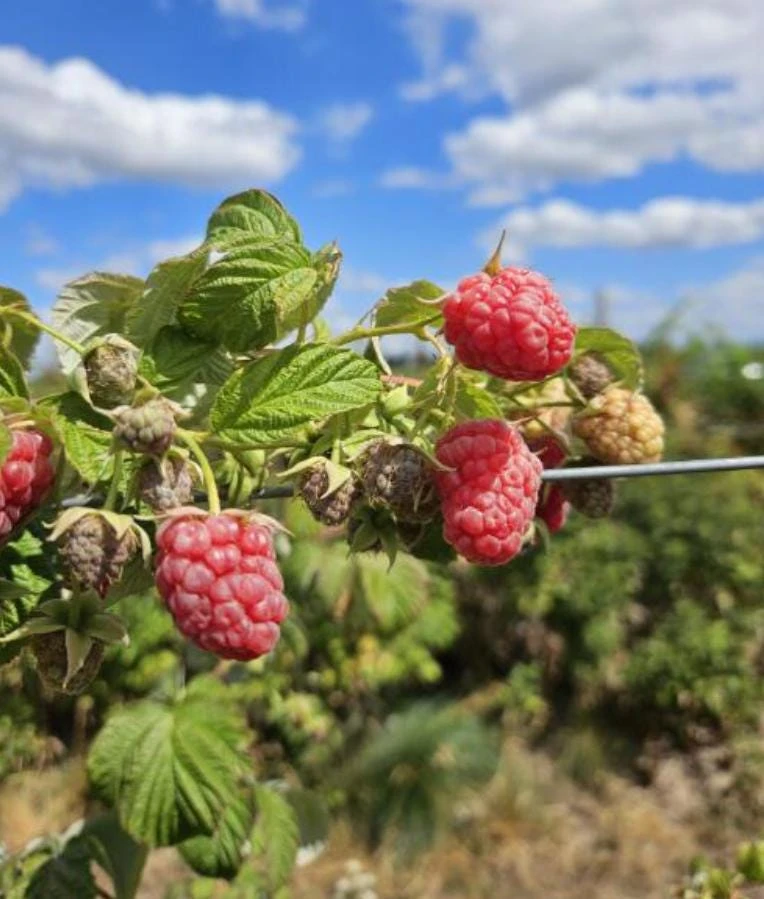
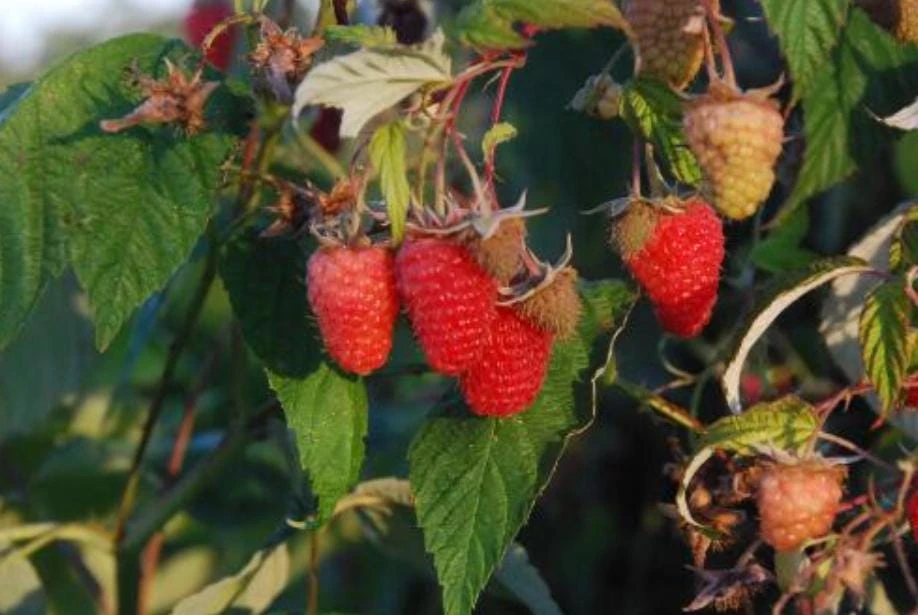
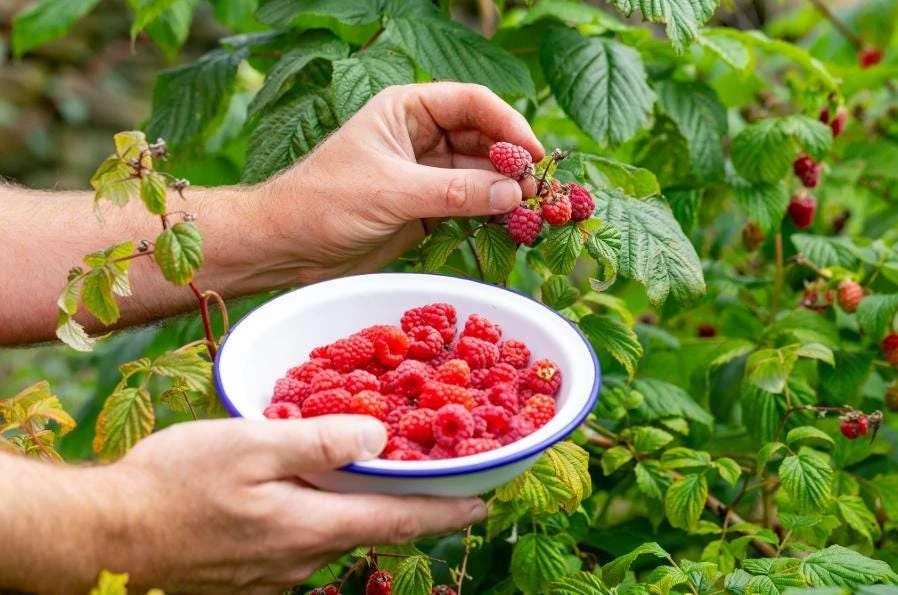
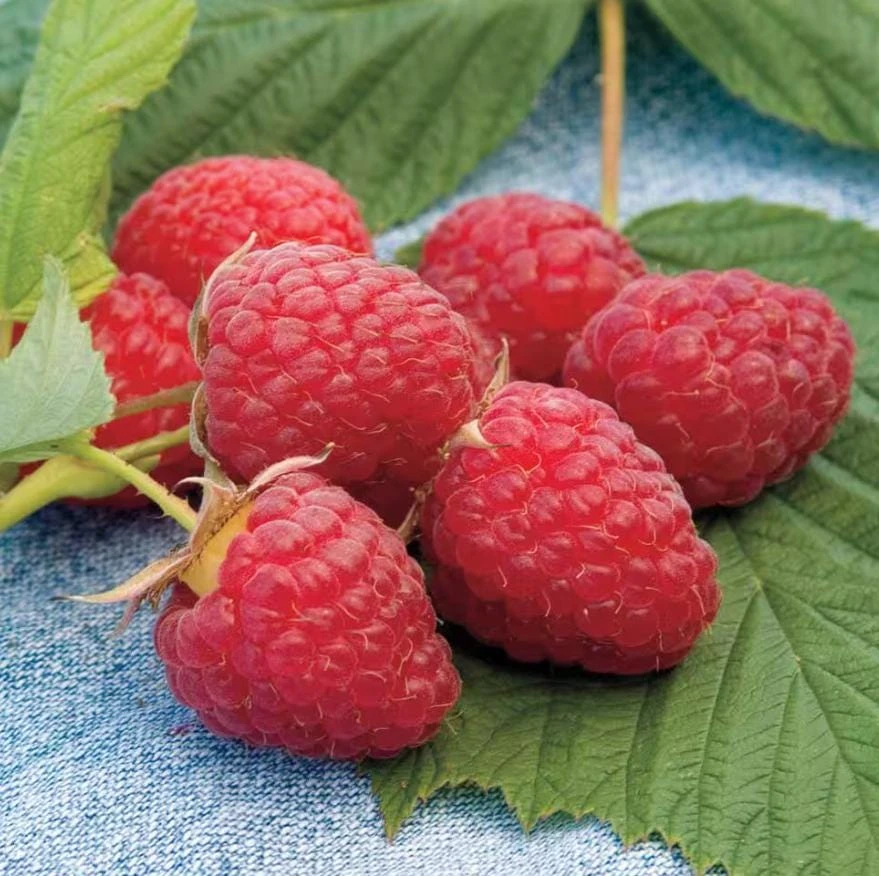
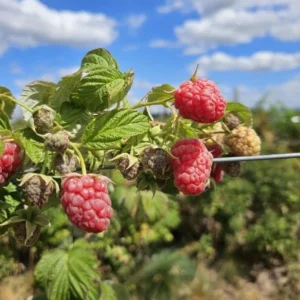
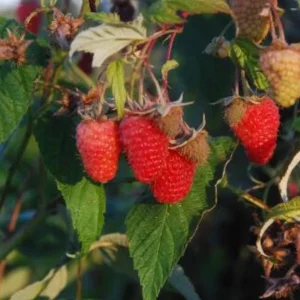
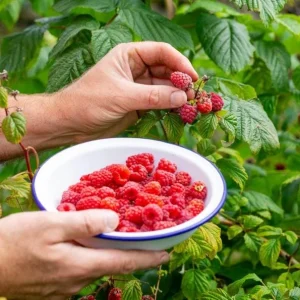
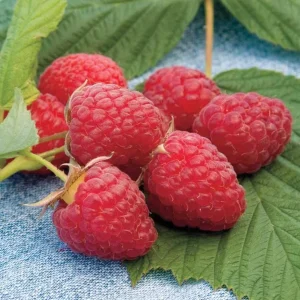
Cultivate your own bountiful harvest with the Nantahala raspberry live plant, a superb choice for home gardeners seeking delicious, everbearing red raspberries. This remarkable variety is renowned for its vigorous growth and consistent production of sweet, flavorful fruit, making it a favorite among berry enthusiasts. The ‘Nantahala’ raspberry is a primocane-fruiting type, meaning it produces fruit on first-year canes, ensuring a harvest in its very first season. Originating from North Carolina, it’s particularly well-suited for regions with warm summers and mild winters, but its adaptability allows it to thrive in a wide range of climates, producing a generous crop of vibrant red berries that are perfect for fresh eating, baking, jams, or freezing. Enjoy the satisfaction of picking your own fresh, organic raspberries right from your backyard.
The Nantahala raspberry live plant offers an extended harvest season, providing juicy berries from summer well into the fall. Its robust nature and disease resistance make it a rewarding plant for both novice and experienced gardeners. Imagine the delight of having a continuous supply of sweet, succulent raspberries, ready to be enjoyed straight from the cane or incorporated into your favorite culinary creations. This easy-to-grow cane fruit promises not only delicious produce but also adds an attractive element to your garden landscape with its lush green foliage.
Key Benefits
The Nantahala raspberry live plant brings numerous advantages to your garden and kitchen. Its everbearing nature ensures a prolonged harvest, offering fresh fruit for months. Here are some of its key benefits:
- Extended Harvest Season: Unlike traditional raspberries, ‘Nantahala’ is an everbearing variety, producing two crops per year. Enjoy a summer harvest on floricanes (second-year canes) and a significant fall harvest on primocanes (first-year canes), extending your fresh berry supply.
- Sweet & Flavorful Fruit: The berries are known for their exceptional sweetness and rich raspberry flavor, making them ideal for eating fresh, desserts, preserves, and more. Each bite delivers a burst of deliciousness.
- Vigorous Growth & Productivity: This variety is a strong grower, quickly establishing itself and producing abundant yields. You’ll be impressed by the sheer volume of fruit a single plant can produce, ensuring a satisfying harvest.
- Adaptable & Cold Hardy: While developed for warmer climates, ‘Nantahala’ exhibits good cold hardiness, making it suitable for a broader range of USDA zones. This resilience contributes to its popularity and ease of cultivation.
- Disease Resistance: Bred for robustness, this raspberry plant shows good resistance to common raspberry diseases, reducing the need for extensive chemical treatments and promoting healthier growth.
- Versatile Culinary Use: From fresh snacking to baking into pies, tarts, and muffins, or preserving as jams and jellies, the sweet red berries are incredibly versatile in the kitchen.
- Garden Aesthetic: Beyond its fruit, the raspberry bush adds natural beauty to your garden with its green foliage and delicate blooms, attracting pollinators and enhancing biodiversity.
Plant Care & Growing Tips
Caring for your Nantahala raspberry live plant is straightforward, ensuring a bountiful yield of delicious berries. These plants thrive in full sun, requiring at least 6-8 hours of direct sunlight per day to produce the sweetest and most abundant fruit. Choose a location in your garden that receives ample sun and has well-draining soil. Raspberries prefer slightly acidic soil with a pH between 6.0 and 6.8. Amending your soil with compost or well-rotted manure before planting will improve drainage and fertility, providing an optimal growing environment for your everbearing raspberry care.
Consistent watering is crucial, especially during dry spells and when the plant is fruiting. Aim for about 1 inch of water per week, either from rainfall or irrigation. Avoid overhead watering to minimize fungal diseases; drip irrigation or soaker hoses are ideal. Mulching around the base of the plants with straw, wood chips, or shredded leaves will help retain soil moisture, suppress weeds, and regulate soil temperature. Fertilize in early spring with a balanced slow-release fertilizer or a granular fertilizer specifically formulated for berries. Pruning is essential for maximizing yields and maintaining plant health. For ‘Nantahala’, which is an everbearing type, you can choose to get two crops or one large fall crop. For two crops, prune floricanes (canes that fruited in summer) after their harvest. For a single, larger fall crop, simply mow all canes to the ground in late winter or early spring before new growth begins. This simplifies pruning and encourages robust primocane growth for the fall harvest, which is a great strategy for growing Nantahala raspberries.
Protecting your plants from pests and diseases is part of good red raspberry bush management. Monitor for common raspberry pests like Japanese beetles or cane borers and address them promptly with organic or appropriate treatments. Good air circulation is key to preventing fungal issues, so ensure plants aren’t too crowded. Providing support structures like trellises or wires can help keep the canes upright, making harvesting easier and improving air circulation. With proper cold hardy raspberry care, your Nantahala plants will reward you with years of delicious fruit.
Size & Details
This offering is for one Nantahala raspberry live plant, typically shipped in a 4-inch nursery pot. The plant will arrive healthy and ready for transplanting into your garden or a larger container. Raspberry canes are fast-growing, with new primocanes emerging each spring. Mature raspberry bushes can reach heights of 3-6 feet and spread 2-4 feet wide, depending on growing conditions and pruning practices. Expect fruit production to begin in the first year after planting, with the main fall harvest becoming more substantial in subsequent years. This everbearing variety ensures a prolonged season of fresh berries.
Frequently Asked Questions
- Q: How big does this plant get? A: A mature Nantahala raspberry live plant can typically reach heights of 3 to 6 feet and spread 2 to 4 feet wide, depending on pruning and growing conditions. Consistent pruning helps manage its size.
- Q: Is this an indoor or outdoor plant? A: The Nantahala raspberry live plant is an outdoor plant, best suited for garden beds or large outdoor containers where it can receive full sun exposure for optimal fruit production.
- Q: How much sunlight does it need? A: For the best fruit yield and flavor, your everbearing raspberry care routine should include a location that receives at least 6-8 hours of direct sunlight per day. Full sun is highly recommended.
- Q: Is this plant easy to care for? A: Yes, ‘Nantahala’ raspberries are considered relatively easy to care for, especially with proper planting and consistent watering. Pruning is key but simple for this everbearing type, making it great for beginners looking to grow their own fruit.
- Q: What condition will it arrive in? A: Your Nantahala raspberry live plant will arrive healthy and well-packaged in a 4-inch pot, ready for transplanting. We take great care to ensure the plant’s safe journey to you.
- Q: When is the best time to plant? A: The best time for growing Nantahala raspberries is in early spring after the last frost, or in the fall before the ground freezes, allowing the plant to establish its root system.
- Q: Will it survive winter in my zone? A: The ‘Nantahala’ raspberry is known for its good cold hardiness and typically performs well in USDA Zones 5-9. In colder zones, extra winter protection may be beneficial for your red raspberry bush.
- Q: Can I grow this raspberry in a container? A: Yes, you can grow the Nantahala raspberry live plant in a large container (at least 15-20 gallons) with good drainage, though in-ground planting is generally preferred for optimal growth and yield.
- Q: How long until it produces fruit? A: As a primocane-fruiting variety, your Nantahala raspberry live plant can start producing fruit in its first year, typically in late summer or early fall, with more substantial harvests in subsequent years.
- Q: What makes this a cold hardy raspberry? A: The ‘Nantahala’ variety was developed with improved cold tolerance, allowing it to withstand colder winter temperatures better than many other raspberry types, contributing to its adaptability across various regions.


Reviews
There are no reviews yet.