Overview
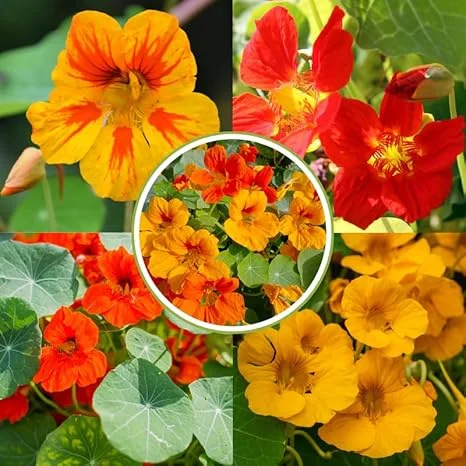
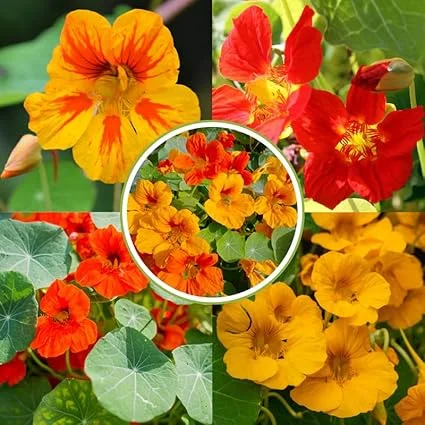
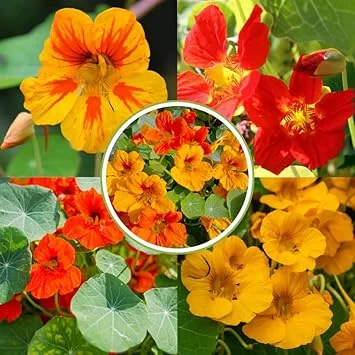
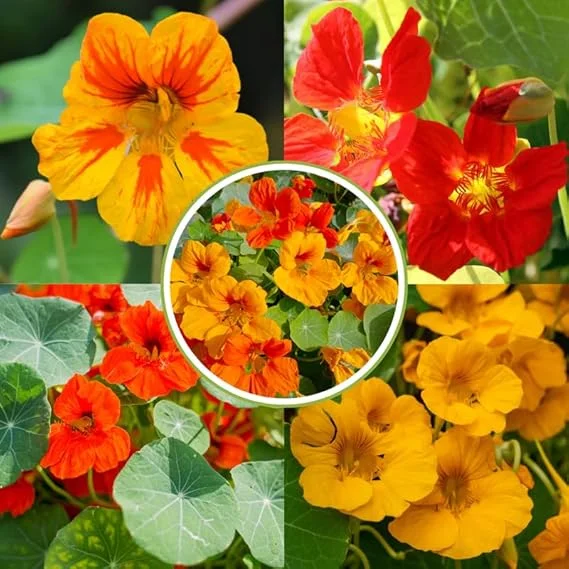
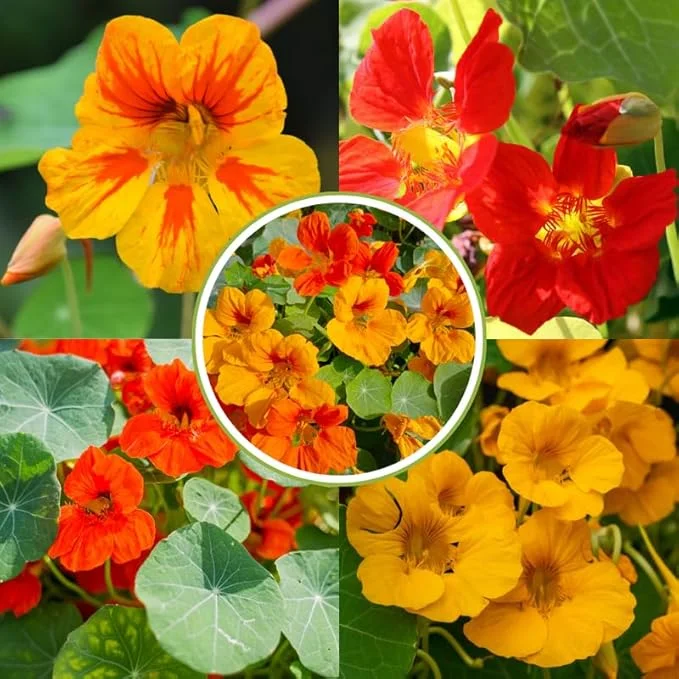
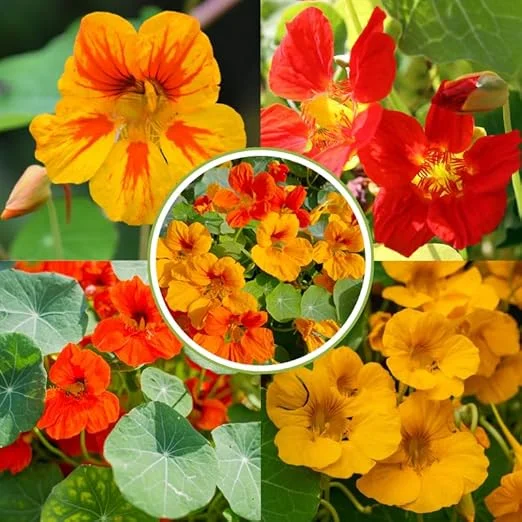
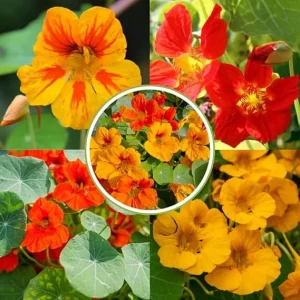
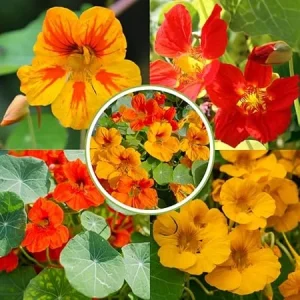
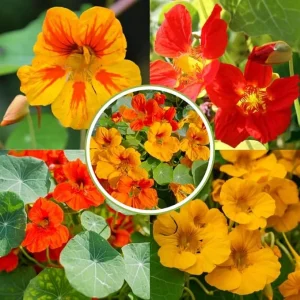
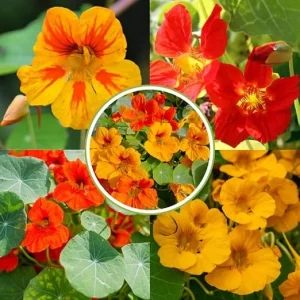
Introduce a burst of vibrant color and unique flavor to your garden with these beautiful nasturtium live plants. Known for their cheerful, trumpet-shaped flowers and lily pad-like leaves, nasturtiums are a delight for both the eyes and the palate. These live plants arrive at a healthy 4-6 inches tall, ready to thrive in your outdoor spaces. Perfect for gardeners seeking an easy-to-grow, versatile plant, nasturtiums add charm to any setting. Their trailing habit makes them excellent for spilling over the edges of containers, brightening up borders, or weaving through garden beds. Beyond their ornamental appeal, both the leaves and flowers of nasturtiums are edible, offering a peppery zest that can elevate salads and other culinary creations. These plants are a fantastic choice for adding both beauty and functionality to your home garden.
Our nasturtium live plants are carefully cultivated to ensure they arrive robust and ready for planting. They are celebrated for their hardiness and adaptability, making them suitable for a wide range of gardening skill levels. Whether you’re an experienced gardener or just starting, you’ll find joy in watching these delightful plants flourish. Their rapid growth and continuous blooming throughout the season provide long-lasting visual interest. Embrace the simplicity and beauty of nasturtiums, and transform your outdoor areas into a vibrant, edible landscape that truly stands out.
Key Benefits
The benefits of incorporating nasturtium live plants into your garden are numerous, extending beyond their undeniable beauty. These versatile plants offer a host of advantages for any home gardener:
- Vibrant Edible Blooms: Enjoy a continuous display of bright, colorful flowers that are not only ornamental but also edible. The peppery taste of nasturtium flowers and leaves adds a unique flavor dimension to salads, sandwiches, and garnishes, making your culinary creations more exciting and visually appealing.
- Attractive Trailing Habit: Nasturtiums are known for their beautiful trailing growth, which makes them perfect for hanging baskets, window boxes, and as ground cover. They gracefully spill over edges, creating a lush and dynamic visual effect that enhances any container or garden bed.
- Low Maintenance & Adaptable: These plants are incredibly forgiving and require minimal care once established. They are hardy and adaptable to various growing conditions, making them an excellent choice for beginners or those with busy schedules. Their resilience ensures a rewarding gardening experience.
- Natural Pest Deterrent: Nasturtiums can act as a trap crop for certain garden pests, drawing aphids away from more valuable plants. This natural pest control method reduces the need for chemical interventions, promoting a healthier and more organic garden environment.
- Versatile Garden Use: Whether you’re looking to fill garden beds, adorn containers, or create vibrant borders, trailing nasturtium flowers fit seamlessly into many garden designs. Their adaptability allows them to thrive in various settings, providing flexible options for your landscaping needs.
- Quick Growth & Abundant Flowering: Experience rapid growth and a profusion of flowers throughout the growing season. Nasturtiums quickly establish themselves and produce a continuous show of blooms, ensuring your garden remains colorful and lively for an extended period.
- Supports Pollinators: The bright, open flowers of nasturtiums attract beneficial pollinators like bees and butterflies to your garden. This not only aids in the pollination of other plants but also contributes to the overall biodiversity and health of your garden ecosystem.
Plant Care & Growing Tips
Caring for your nasturtium live plants is straightforward, making them a joy for gardeners of all experience levels. These hardy plants thrive with basic attention, rewarding you with abundant blooms and foliage. For optimal growth, nasturtiums prefer a location that receives full sun, meaning at least 6-8 hours of direct sunlight per day. While they can tolerate partial shade, too much shade will result in fewer flowers and more foliage. Ensure they are planted in well-draining soil; nasturtiums are not fussy about soil type but dislike excessively rich soil, which can also lead to more leaves than flowers. A moderately fertile, well-drained soil is ideal for encouraging prolific blooming.
When it comes to watering, nasturtiums prefer consistent but moderate moisture. Water regularly, especially during dry spells, allowing the top inch or two of soil to dry out between waterings. Avoid overwatering, as this can lead to root rot. These plants are relatively drought-tolerant once established, but consistent moisture will promote healthier growth and more flowers. Fertilization is usually not necessary, and in fact, too much fertilizer can reduce flowering. If your soil is very poor, a balanced, all-purpose fertilizer applied sparingly at half strength once or twice during the growing season can be beneficial. Deadheading spent flowers will encourage continuous blooming and prevent the plant from putting energy into seed production. For those wondering how to grow nasturtium in pots, ensure the containers have good drainage holes and use a standard potting mix. They are hardy in USDA Zones 9-11, thriving in warmer climates, but can be grown as annuals in cooler regions after the last frost.
Watch out for common pests like aphids, which can sometimes be attracted to nasturtiums. Often, nasturtiums are planted as a trap crop to draw aphids away from other plants. A strong spray of water can dislodge aphids, or use insecticidal soap if necessary. Minimal care is truly the key to success with these delightful plants. Following these simple guidelines will ensure your nasturtium plant care routine is effective and leads to a thriving, beautiful display.
Size & Details
Each order includes two healthy nasturtium live plants, each standing approximately 4-6 inches tall from the base of the plant. These plants are shipped in individual nursery pots, ensuring they are well-protected and ready for immediate planting upon arrival. Nasturtiums exhibit a vigorous trailing habit, with vines that can extend up to 3-6 feet long, making them ideal for cascading over containers, hanging baskets, or as ground cover. The leaves are typically round and paddle-shaped, ranging from 2-4 inches in diameter, while the vibrant, trumpet-shaped flowers can be 1-2 inches across.
These plants are fast growers and will quickly establish themselves in your garden, typically beginning to flower within a few weeks of planting. They provide continuous blooms from late spring through fall, or even year-round in frost-free climates. The exact spread and height will depend on growing conditions and specific variety, but their adaptable nature ensures robust growth. They are a fantastic choice for those looking to quickly add color and an edible element to their outdoor spaces.
Frequently Asked Questions
- Q: How big does this nasturtium plant get? A: Each nasturtium live plant typically arrives at 4-6 inches tall. Once established, the trailing vines can grow to be 3-6 feet long, creating a beautiful cascading effect in containers or spreading as ground cover.
- Q: Is this an indoor or outdoor plant? A: Nasturtiums are primarily outdoor plants, thriving in full sun. While they can be started indoors, they perform best when planted directly in outdoor gardens, containers, or hanging baskets once the danger of frost has passed.
- Q: How much sunlight does it need? A: These plants require at least 6-8 hours of direct sunlight daily to produce the most abundant flowers. They can tolerate partial shade, but flowering may be reduced.
- Q: Is this plant easy to care for? A: Yes, nasturtiums are known for their ease of care. They are hardy and adaptable, requiring minimal attention once established, making them an excellent choice for beginner gardeners or those seeking low-maintenance options.
- Q: What condition will it arrive in? A: Your nasturtium live plants will arrive healthy and well-rooted in individual nursery pots, carefully packaged to ensure their safe journey and readiness for planting.
- Q: Can I eat the flowers and leaves? A: Absolutely! Both the vibrant flowers and the round leaves of nasturtiums are edible, offering a distinct peppery flavor that is excellent in salads, as a garnish, or in other culinary applications. This makes them a truly edible nasturtium.
- Q: When is the best time to plant nasturtiums? A: The best time to plant nasturtiums outdoors is after all danger of frost has passed in your area, typically in late spring or early summer. They prefer warmer temperatures for optimal growth.
- Q: What USDA Zones are suitable for these plants? A: Nasturtiums are hardy in USDA Zones 9-11 as perennials. In cooler climates, they are typically grown as annuals and will complete their life cycle within one growing season.
- Q: Can I grow nasturtiums in hanging baskets? A: Yes, grow nasturtium in pots, especially hanging baskets, is an excellent way to showcase their beautiful trailing habit. Ensure the basket has good drainage and receives plenty of sunlight.
- Q: Do these plants attract pollinators? A: Yes, the bright and open flowers of nasturtiums are very attractive to various pollinators, including bees and butterflies, contributing to a healthy and biodiverse garden ecosystem.


Reviews
There are no reviews yet.