Overview
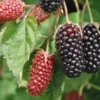
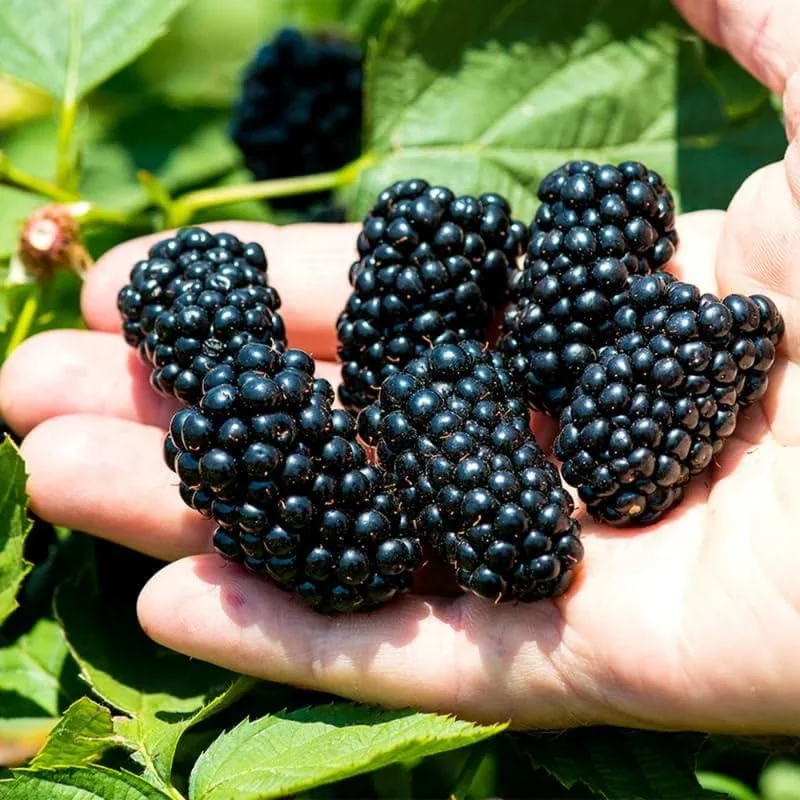
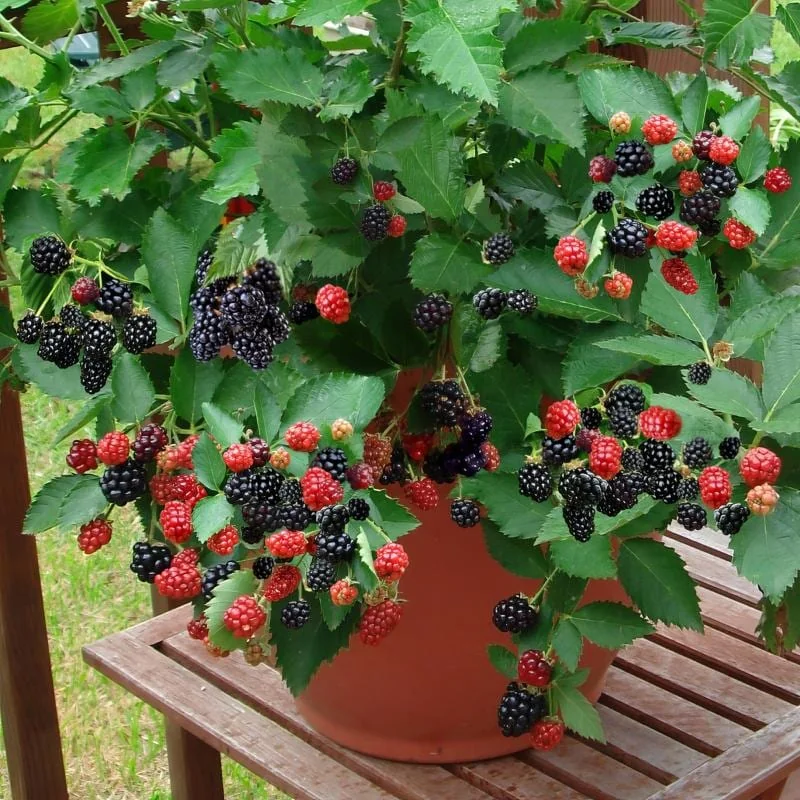
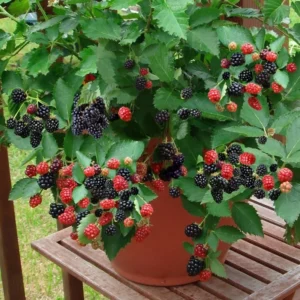
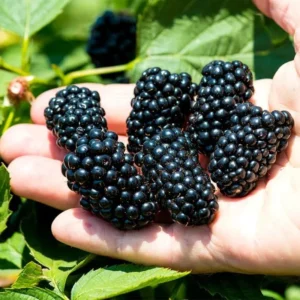
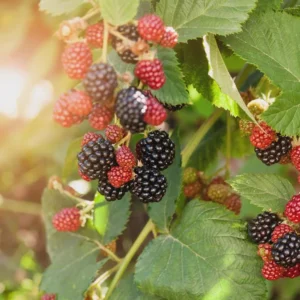
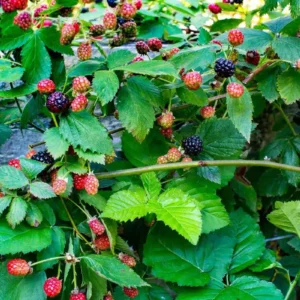
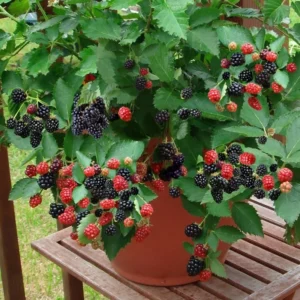
Introducing the Navaho Blackberry live plant, a highly sought-after variety celebrated for its ease of cultivation and abundant harvest. This remarkable thornless blackberry, scientifically known as Rubus ‘Navaho’, is a true game-changer for gardeners who desire fresh, homegrown berries without the hassle of thorns. Developed by the University of Arkansas, the ‘Navaho’ was the world’s first thornless blackberry with a naturally upright, self-supporting growth habit. This means you can enjoy delicious fruit without the need for extensive trellising, making it an ideal choice for both novice and experienced gardeners. The plant produces a heavy crop of exceptionally sweet, firm berries that ripen late in the summer, providing a delightful treat when other berry varieties have finished their season. Its robust nature and delicious yield make the Navaho Blackberry live plant a fantastic addition to any edible landscape or backyard orchard.
The thornless blackberry plant is specifically bred for its convenience and productivity. Its erect growth makes harvesting a breeze and significantly reduces the risk of scratches, ensuring a more enjoyable gardening experience. These berries are not only perfect for eating fresh off the vine but also excel in pies, jams, jellies, and desserts. The consistent quality and flavor of the ‘Navaho’ make it a favorite among home growers. Enjoy the satisfaction of picking your own sweet, juicy blackberries, knowing they came from a hardy and easy-to-manage plant.
Key Benefits
The Navaho Blackberry live plant offers a multitude of advantages for the home gardener, blending productivity with ease of care. Here are some of the key benefits:
- Thornless Canes: Enjoy hassle-free harvesting and pruning. The absence of thorns makes it significantly easier and more pleasant to collect your berry harvest without the typical scratches and discomfort associated with traditional blackberry varieties. This feature is particularly beneficial for families with children.
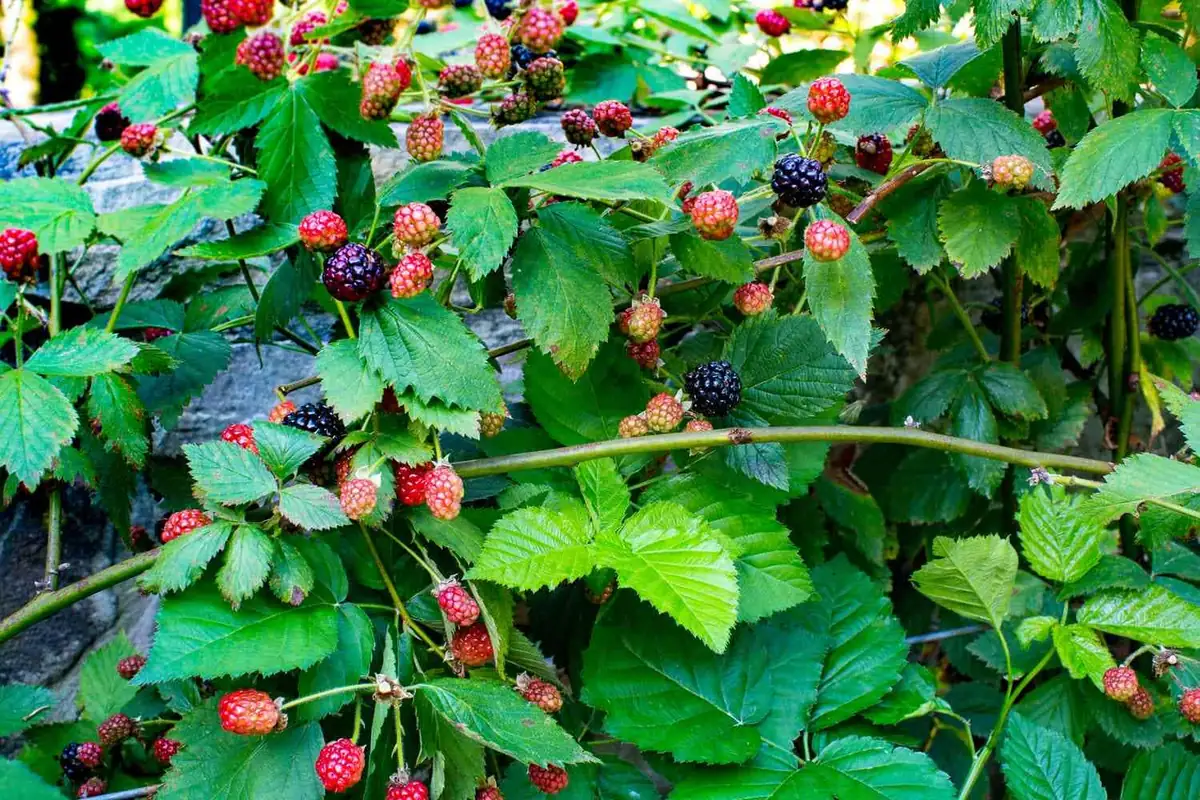
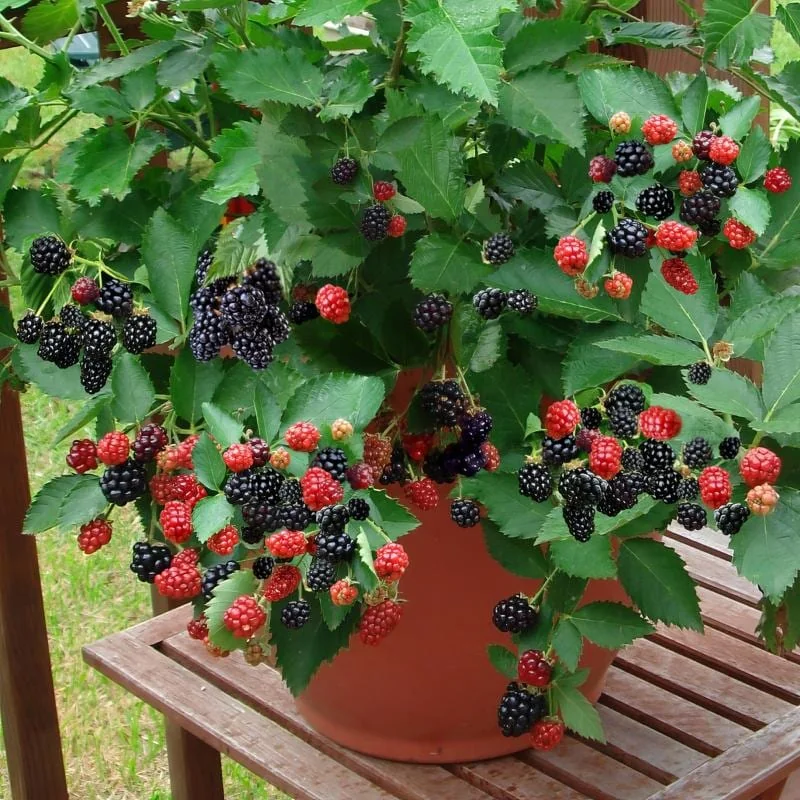
- Naturally Upright Growth: The ‘Navaho’ boasts a unique, erect growth habit, often eliminating the need for trellises or extensive support systems. This self-supporting nature simplifies garden maintenance and saves valuable space, making it a great option for smaller gardens or container growing.
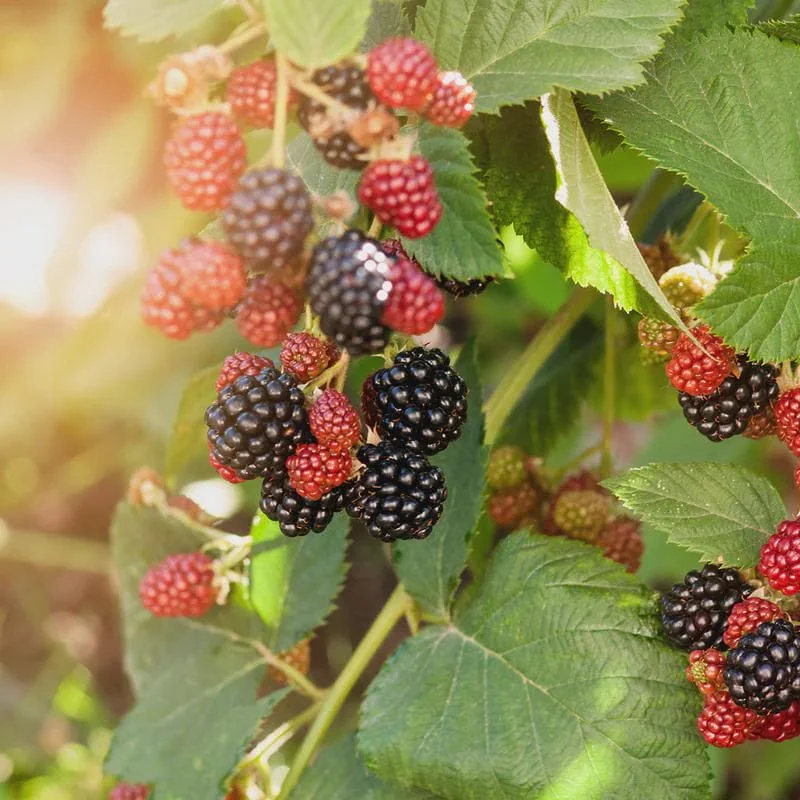
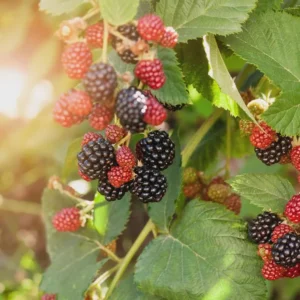
- Heavy Yields: This cultivar is renowned for producing an abundant crop of berries. You can expect a generous harvest of delicious fruit late in the summer season, providing plenty for fresh eating, baking, and preserving.
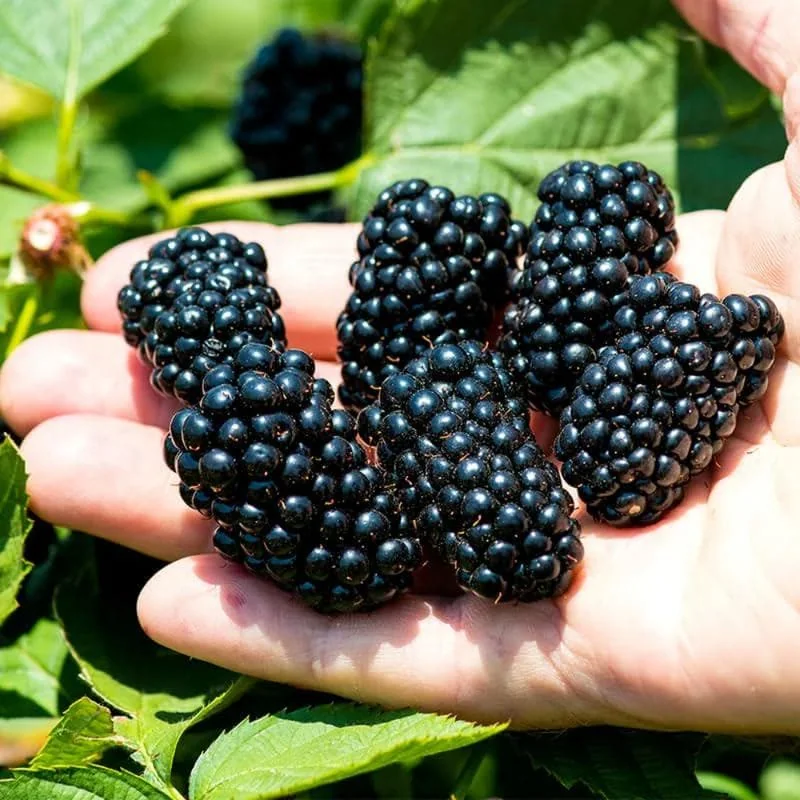
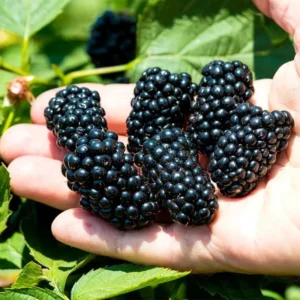
- Exceptional Flavor: The berries are consistently described as exceptionally sweet and firm, offering a superior taste experience. Their rich, classic blackberry flavor makes them a favorite for a wide range of culinary uses.
- Low Maintenance: Once established, the Rubus Navaho requires minimal care, making it an excellent choice for gardeners seeking a productive yet undemanding fruit plant. Its hardiness contributes to its overall low-maintenance profile.
- Developed for Reliability: Originating from the University of Arkansas, this variety is a testament to careful breeding, ensuring a reliable and high-performing plant adapted to various growing conditions.
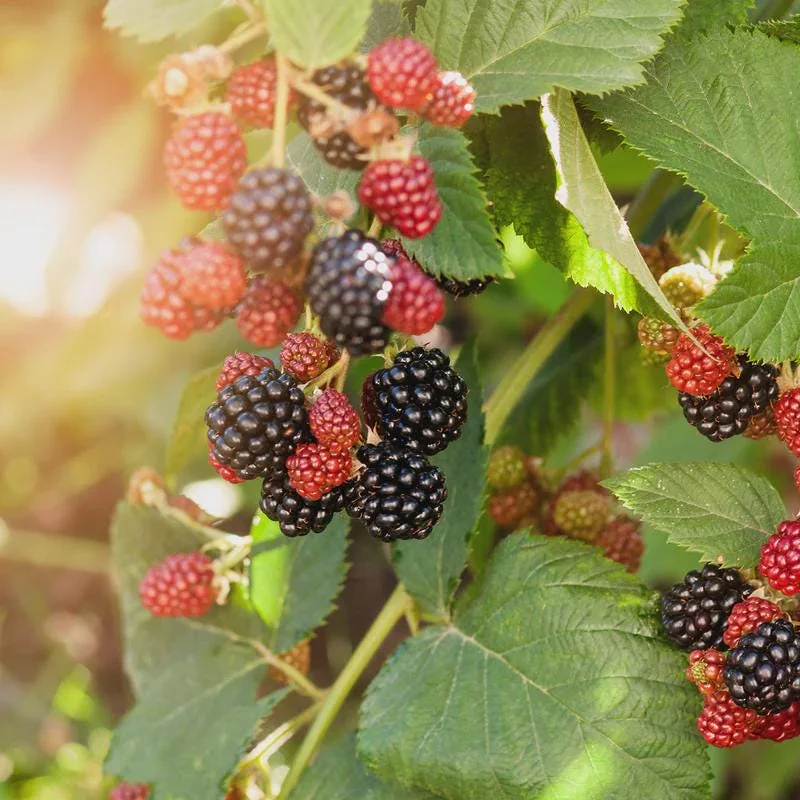
- Late Season Harvest: Extending your berry season, the ‘Navaho’ ripens late in the summer, offering fresh fruit when other berry types have finished producing. This timing is perfect for enjoying fresh berries throughout the warmer months.
Plant Care & Growing Tips
Caring for your Navaho Blackberry live plant is straightforward, ensuring a bountiful harvest with minimal effort. These plants thrive in full sun, meaning they need at least 6-8 hours of direct sunlight per day to produce the best fruit. Choose a location in your garden that receives ample sunlight throughout the day. While tolerant of various soil types, they prefer well-draining, slightly acidic soil with a pH between 5.5 and 6.5. Amending heavy clay soils with organic matter like compost can improve drainage and fertility. Ensure the planting site is free of weeds and has good air circulation to prevent fungal diseases.
Consistent watering is crucial, especially during the establishment phase and when the plant is fruiting. Aim for about 1 inch of water per week, either from rainfall or irrigation. Avoid overhead watering if possible, as wet foliage can encourage disease; instead, water at the base of the plant. Once established, the thornless blackberry plant can tolerate some drought but will produce better with regular moisture. Fertilize in early spring with a balanced slow-release fertilizer or one formulated for fruit-bearing plants. Follow package instructions for application rates to avoid over-fertilization, which can lead to excessive foliage growth at the expense of fruit production.
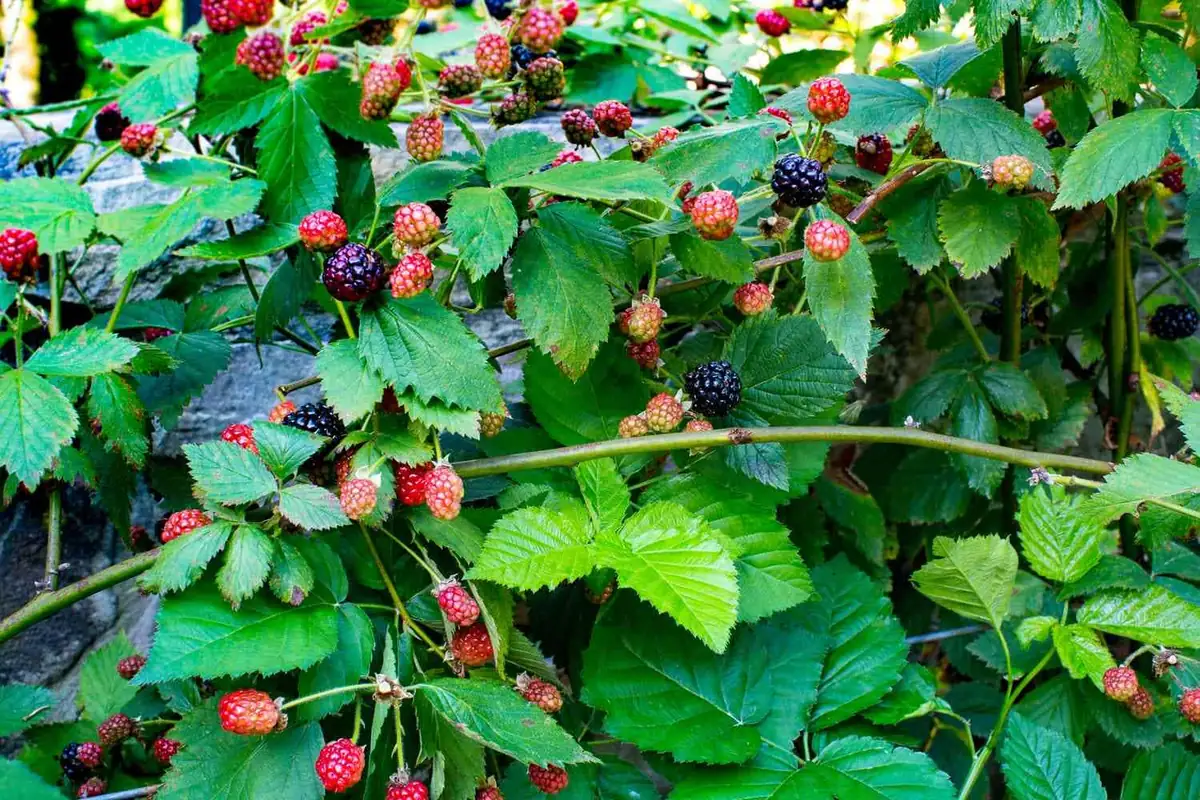
Pruning is key to maintaining a healthy and productive sweet blackberry plant. ‘Navaho’ blackberries produce fruit on floricanes (second-year canes). After fruiting, these canes will die and should be cut back to the ground. In late winter or early spring, thin out weaker primocanes (first-year canes) to leave 4-6 strong canes per foot of row. This practice encourages better air circulation and sunlight penetration, leading to larger, healthier berries. The ‘Navaho’ is generally hardy in USDA Zones 5-9. In colder climates, some winter protection, such as mulching the base or covering the canes, may be beneficial to protect against extreme cold. Monitor for common pests like aphids and spider mites, and diseases such as anthracnose; address any issues promptly with appropriate organic or chemical controls.
Size & Details
This offering is for one Navaho Blackberry live plant, provided as a starter plug. This young plant is ready to be transplanted into your garden or a larger container, offering a head start on growing your own delicious berries. The ‘Navaho’ variety typically matures to a height of 4-6 feet with a similar spread, forming an erect, self-supporting bush. Its vigorous growth means you can expect it to establish quickly in suitable conditions. The plant ships as a healthy, actively growing specimen, carefully packaged to ensure its safe arrival. With proper care, these plants can begin to produce fruit in their second year, with significant yields in subsequent years. The late-season ripening ensures a fresh supply of berries when many other fruits are no longer available, making this Rubus Navaho a valuable addition to your home garden.
Frequently Asked Questions
- Q: How big does this Navaho Blackberry live plant get? A: The Navaho Blackberry live plant typically grows to an erect bush about 4-6 feet tall and wide at maturity. Its self-supporting nature means it generally doesn’t require extensive trellising, making it a compact choice for a blackberry.
- Q: Is this an indoor or outdoor plant? A: The thornless blackberry plant is an outdoor plant, best suited for planting directly in the ground in a sunny location. It requires full sun exposure and is hardy in USDA Zones 5-9.
- Q: How much sunlight does the sweet blackberry plant need? A: For optimal fruit production, the sweet blackberry plant requires at least 6-8 hours of direct sunlight per day. Choose a site in your garden that receives ample sun throughout the growing season.
- Q: Is this plant easy to care for? A: Yes, the ‘Navaho’ is known for being a low-maintenance blackberry variety. Its thornless canes and erect growth habit simplify both harvesting and pruning, making it a good choice for beginners and experienced gardeners alike.
- Q: What condition will the Navaho Blackberry live plant arrive in? A: Your Navaho Blackberry live plant will arrive as a healthy starter plug, actively growing and carefully packaged to ensure it withstands transit. It will be ready for immediate planting upon arrival.
- Q: When is the best time to plant this Rubus Navaho? A: The best time to plant your Rubus Navaho starter plug is in early spring after the last threat of frost, allowing it ample time to establish before the heat of summer. Fall planting is also possible in milder climates.
- Q: Will it survive winter in my zone? A: The ‘Navaho’ blackberry is hardy in USDA Zones 5-9. In Zone 5, some winter protection like mulching the base or covering the canes might be necessary during severe cold spells to ensure winter survival.


Reviews
There are no reviews yet.