
Overview
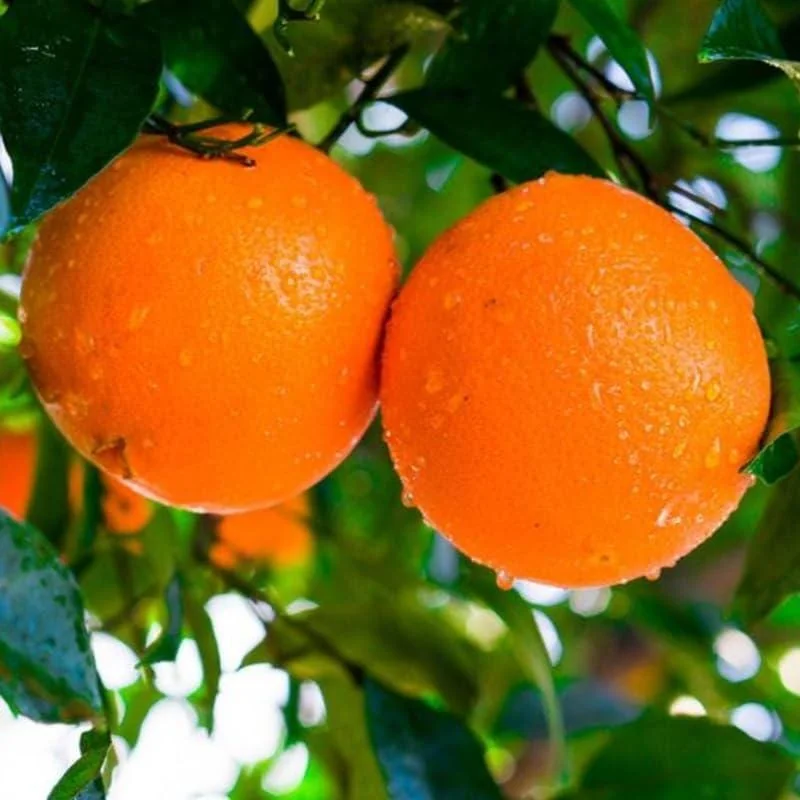
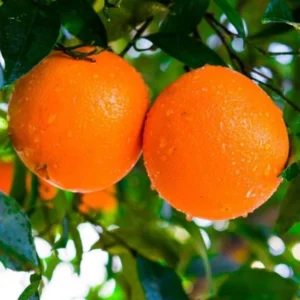
Bring the vibrant taste of fresh citrus to your home with a navel orange tree live plant. This beautiful and productive tree is celebrated for its juicy, sweet, and virtually seedless fruit, making it a favorite among home growers. Our navel orange tree live plant is well-established, standing 3-4 feet tall and ready for planting in its 5-gallon nursery pot. Known botanically as Citrus sinensis ‘Navel’, this variety offers both ornamental appeal and a rewarding harvest. Imagine stepping into your garden and plucking a ripe, sweet orange directly from your own tree. This robust plant is perfect for enhancing your landscape or creating a thriving container orchard on your patio, providing fresh fruit for years to come.
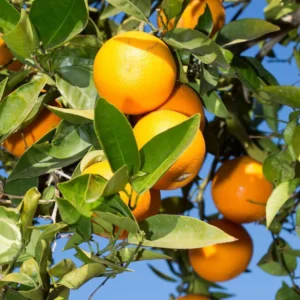
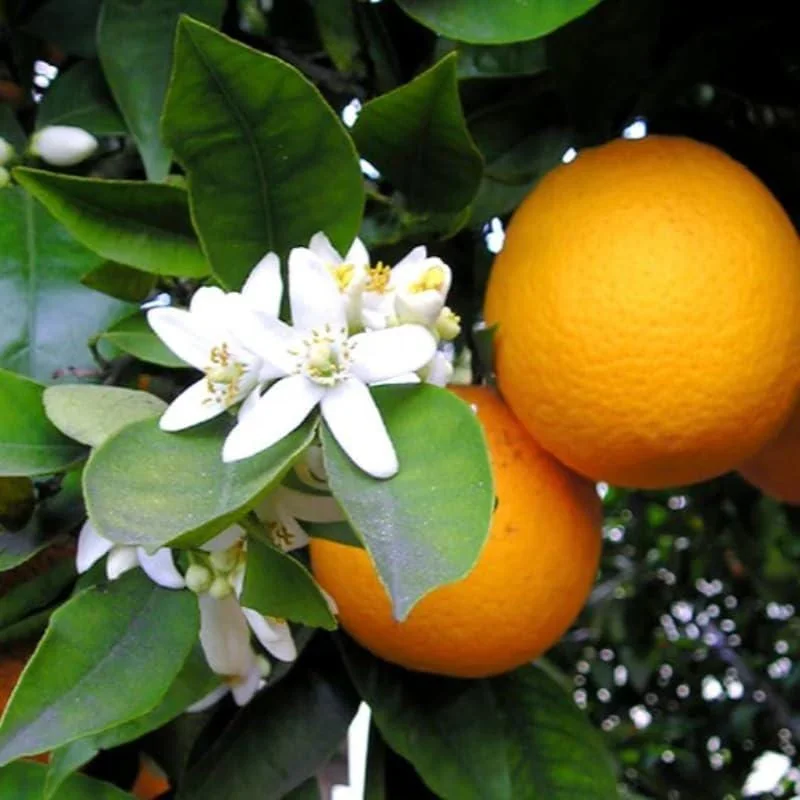
The navel orange tree live plant is a versatile addition to many outdoor settings. It’s an excellent choice for those looking to add edible landscaping or a focal point with year-round interest. With its glossy green foliage, fragrant white blossoms in spring, and bright orange fruits that ripen in winter, it provides continuous appeal. This particular offering ensures you receive a healthy, vigorous plant that is already several years into its growth cycle, meaning you’re closer to enjoying your first harvest of delicious navel oranges. Whether you’re an experienced gardener or just starting your citrus journey, this sweet orange fruit tree offers a delightful and relatively straightforward growing experience.
Key Benefits
Owning a navel orange tree live plant brings a multitude of advantages, transforming your outdoor space into a productive and beautiful oasis. Here are some of the standout benefits:
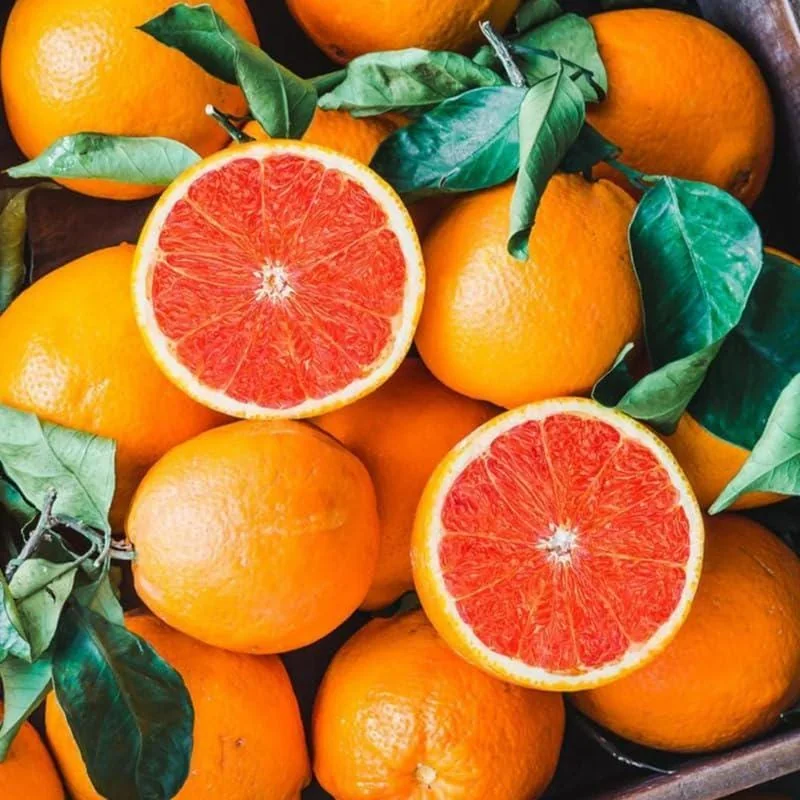
- Delicious, Seedless Fruit: Enjoy a bountiful harvest of large, flavorful navel oranges that are renowned for their sweetness and lack of seeds, making them perfect for snacking, juicing, or culinary use. Homegrown oranges often taste superior to store-bought varieties, offering a fresh taste experience from your very own sweet orange fruit tree.
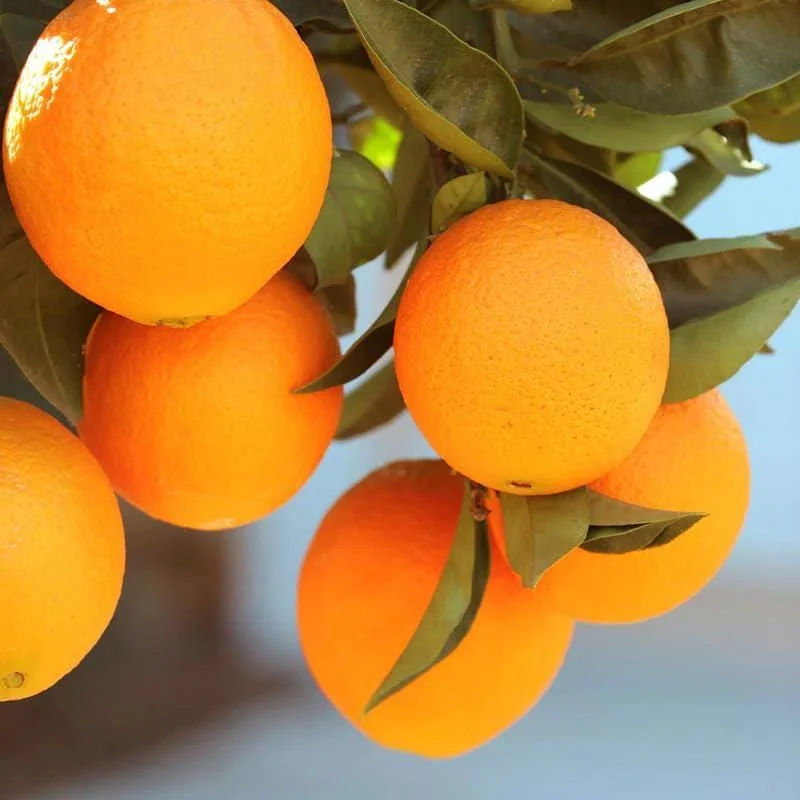
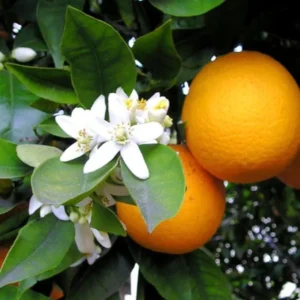
- Year-Round Beauty: This tree provides continuous visual interest with its lush, glossy green leaves year-round, fragrant white flowers in spring, and vibrant orange fruits that ripen and hold on the tree through winter, adding a splash of color to your landscape. It’s a beautiful ornamental plant, providing appeal through all seasons.
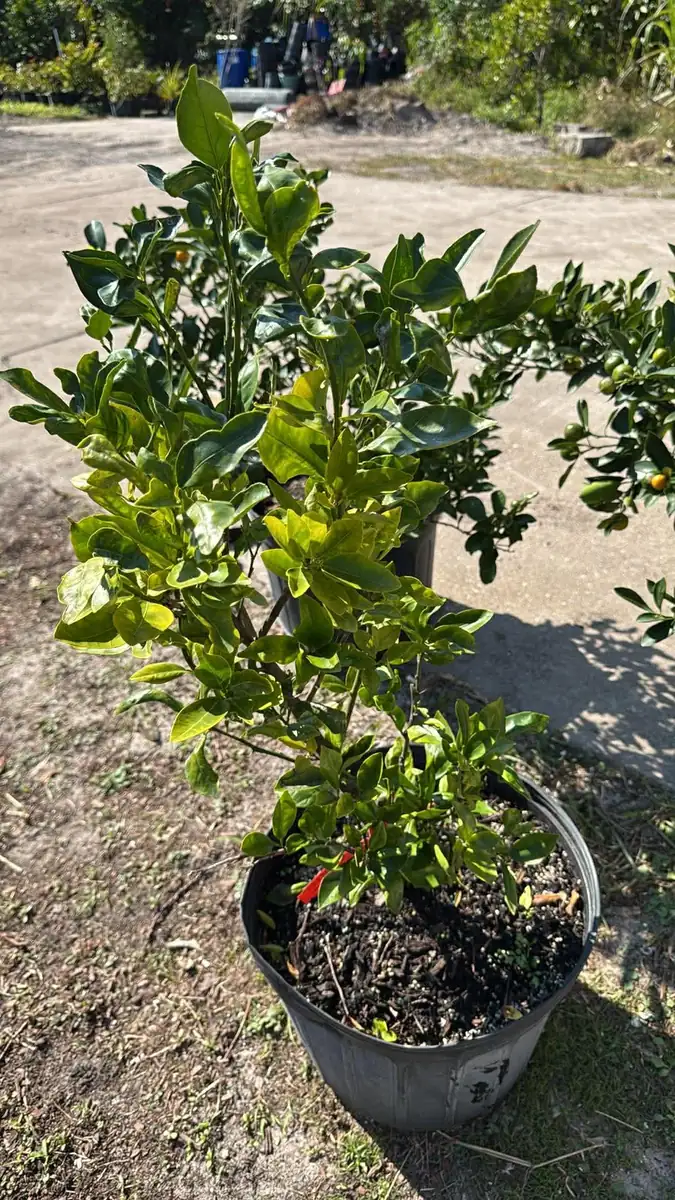
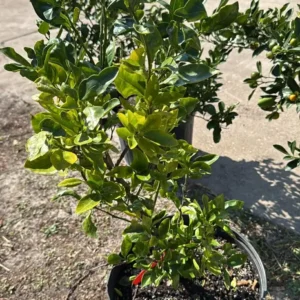
- Established & Ready to Plant: Arriving 3-4 feet tall in a 5-gallon pot, this navel orange tree live plant is well-rooted and established, ensuring a smoother transition to your garden or larger container. It’s already past the most delicate seedling stage, giving it a head start and bringing you closer to your first harvest.
- Adaptable Growing Options: While thriving in warm climates (USDA Zones 9-11), it can also be successfully grown in large containers in cooler regions. This allows you to bring the tree indoors during colder months, extending its reach to more gardeners, making growing citrus in pots a popular choice for diverse climates.
- Fragrant Blossoms: The spring bloom produces highly aromatic white flowers that fill the air with a delightful citrus scent, attracting pollinators and enhancing the sensory experience of your garden. These blossoms are a true delight and a precursor to the delicious fruit.
- Healthy & Productive: With proper care, this sweet orange fruit tree will grow into a robust specimen, reaching 8-12 feet tall at maturity, providing a generous supply of fresh fruit for your family and friends. Its vigorous growth ensures a rewarding harvest for years to come.
- Home Orchard Addition: Perfect for adding to a home orchard, creating a beautiful landscape border, or serving as a stunning focal point on a patio or deck, offering both aesthetic appeal and practical benefits. This hardy orange plant integrates wonderfully into various garden designs.
Plant Care & Growing Tips
Caring for your navel orange tree live plant is a rewarding experience that ensures a healthy tree and abundant harvest. Understanding its specific needs will help it thrive in your garden or container. The first step in navel orange tree care is ensuring proper site selection and planting. Navel orange trees are sun-lovers, requiring at least 6-8 hours of direct sunlight per day to produce the sweetest fruit and maintain vigorous growth. Choose a location in your garden that receives full sun exposure throughout the day. If growing in a container, place it on a patio or deck where it can soak up plenty of rays. In very hot climates, some afternoon shade can be beneficial to prevent leaf scorch, though full sun is generally preferred for this sweet orange fruit tree.
Consistent watering is crucial, especially during the establishment phase and fruit development. Water deeply and regularly, allowing the top 2-3 inches of soil to dry out slightly between waterings. Avoid overwatering, as citrus trees are susceptible to root rot in soggy conditions. A good indicator is to check the soil moisture with your finger before watering. During hot, dry periods, more frequent watering will be necessary. Container-grown trees will typically require more frequent watering than those planted directly in the ground due to faster soil drying. This hardy orange plant thrives in well-draining soil with a slightly acidic to neutral pH (6.0-7.0). If planting in the ground, amend heavy clay soils with organic matter like compost to improve drainage. For container growing, use a high-quality, well-draining citrus potting mix. Ensure your pot has adequate drainage holes to prevent waterlogging. Good drainage is paramount for healthy root development and overall tree vigor.
The navel orange tree is suitable for USDA Zones 9-11. It prefers warm temperatures and can tolerate light frosts once established, but prolonged freezing temperatures can damage or kill the tree. If you live in a cooler climate (outside Zone 9), growing citrus in pots is an excellent option. Bring your containerized tree indoors to a bright, cool location before the first frost, and return it outdoors after all danger of frost has passed in spring. Citrus trees are heavy feeders and benefit from regular fertilization. Use a slow-release granular citrus fertilizer or a liquid feed specifically formulated for citrus, following the product instructions. Fertilize every 1-3 months during the growing season (spring through fall) and reduce frequency in winter. Look for fertilizers that include micronutrients like iron, zinc, and manganese, which are vital for citrus health. Proper fertilization is key to encouraging strong growth and abundant fruit production, a vital part of comprehensive navel orange tree care. Prune your navel orange tree live plant to maintain its shape, remove dead or diseased branches, and improve air circulation. The best time to prune is after the fruit harvest, typically in late winter or early spring. Avoid heavy pruning during the summer, as this can expose the trunk and branches to sunburn. Light shaping and removal of suckers (growth from below the graft union) can be done anytime. Regular pruning also helps manage the size, which is especially important when growing citrus in pots. Keep an eye out for common citrus pests like aphids, scale, and spider mites. Treat infestations promptly with horticultural oil or insecticidal soap. Ensure good air circulation around the tree to prevent fungal diseases. A healthy, well-cared-for tree is more resistant to pests and diseases.
Size & Details
This navel orange tree live plant is provided as a robust, young specimen, standing approximately 3-4 feet tall from the soil line. It comes securely planted in a 5-gallon nursery pot, ensuring a well-developed root system and a strong start for its new home. The tree is fully rooted and established, ready for immediate planting in your garden or a larger decorative container. At maturity, a sweet orange fruit tree can reach a height of 8-12 feet in optimal conditions when planted in the ground, with a similar spread. When growing citrus in pots, the mature size can be managed through pruning and pot size, typically reaching 5-8 feet tall. The growth rate is moderate, allowing the tree to establish well within a few years. You can expect to see fragrant white blossoms in spring, followed by fruit development throughout the summer and ripening into bright orange fruits in winter. The tree is shipped as a healthy, actively growing plant, carefully packaged to ensure its safe arrival.
Frequently Asked Questions
- Q: How big will this navel orange tree live plant get? A: When planted in the ground, a navel orange tree live plant can reach 8-12 feet tall and wide at maturity. If grown in a large container, its size can be maintained at 5-8 feet tall with regular pruning, making it suitable for smaller spaces and patios.
- Q: Is this an indoor or outdoor plant? A: This navel orange tree is primarily an outdoor plant, thriving in USDA Zones 9-11. However, in cooler climates, it can be successfully grown outdoors in a large pot during warm months and brought indoors to a bright location during winter, making growing citrus in pots a popular option for year-round enjoyment.
- Q: How much sunlight does a navel orange tree need? A: For optimal growth and fruit production, your sweet orange fruit tree requires at least 6-8 hours of direct sunlight daily. Choose a sunny spot in your garden or on your patio to ensure it gets ample light.
- Q: What kind of soil is best for navel orange tree care? A: Navel orange trees prefer well-draining soil with a slightly acidic to neutral pH. If planting in a container, use a high-quality citrus potting mix. Good drainage is essential to prevent root issues, a key aspect of proper navel orange tree care.
- Q: When can I expect fruit from my tree? A: While your tree is already established, it typically takes 1-3 years for a young navel orange tree live plant to start producing a significant crop. Fruit usually ripens in winter, providing a fresh harvest during colder months.
- Q: Is this navel orange tree seedless? A: Yes, the navel orange variety is well-known for producing fruits that are virtually seedless, offering a delightful and convenient eating experience. This is a key characteristic of a hardy orange plant of this type, making it a favorite for fresh consumption.
- Q: What is the best way to protect my hardy orange plant in winter? A: If you are in USDA Zones 9-11, your established hardy orange plant can generally withstand light frosts. In colder zones, it is crucial to grow it in a container and move it indoors to a protected, bright location when temperatures drop below freezing to ensure its survival.
- Q: How often should I fertilize my sweet orange fruit tree? A: During the growing season (spring through fall), fertilize your sweet orange fruit tree every 1-3 months with a citrus-specific fertilizer. Reduce or stop fertilizing during the winter months when the tree is less actively growing.
- Q: What condition will the tree arrive in? A: Your navel orange tree live plant will arrive well-packaged in its 5-gallon pot, fully rooted and healthy, ready for planting. We take great care to ensure it reaches you in excellent condition, prepared for its new home.
- Q: Can I grow this tree on my patio? A: Absolutely! This tree is ideal for patio growing in a large container, especially if you are in a climate that requires winter protection. It makes for a beautiful and productive patio addition, showcasing the benefits of growing citrus in pots.


Reviews
There are no reviews yet.