



Overview
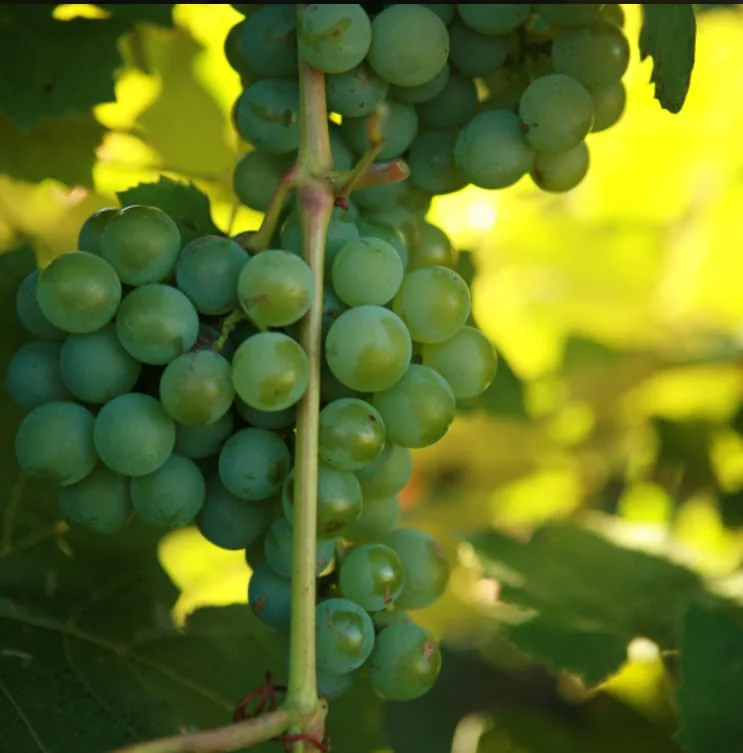
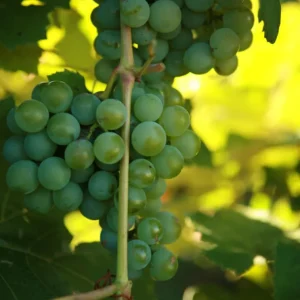
Bring the joy of homegrown fruit to your garden with a Niagara grape vine. This offering includes 1 bare root live plant, ready to establish itself and produce bountiful harvests of delicious grapes. The Niagara variety is renowned as the leading green grape grown in the United States, cherished for its attractive appearance, vigorous growth, and large, slip-skin berries. These grapes are notably juicy and possess a distinctive ‘foxy’ flavor, making them a popular choice for fresh consumption, homemade juices, and sweet wines. While it boasts a dedicated following, the robust flavor profile means it’s often preferred for specific wine styles, or for harvesting earlier for a less intense ‘foxy’ note. Planting a Niagara grape vine is a rewarding experience, providing both ornamental beauty and a generous supply of fruit for various culinary uses.
The Niagara grape vine is a resilient and productive choice for many home gardeners. Its ability to adapt to a range of climates, combined with its vigorous growth habit, makes it an accessible option for those new to viticulture as well as seasoned growers. Each bare root grape plant is carefully selected to ensure a healthy root system, promoting successful establishment in your garden. With proper care, this vine will quickly become a cherished part of your landscape, offering shade, beauty, and the unparalleled satisfaction of harvesting your own sweet, flavorful grapes.
Key Benefits
Adding a Niagara grape vine to your garden offers numerous advantages, from aesthetic appeal to culinary versatility. These vines are not just fruit producers; they also contribute significantly to the beauty and structure of your outdoor space. Here are some of the key benefits:
-
Abundant Fruit Production: The Niagara grape vine is known for its high productivity, yielding large quantities of grapes suitable for various uses. You can expect a generous harvest once the vine matures, providing plenty of fruit for your family and friends.
-
Versatile Culinary Use: Niagara grapes are incredibly versatile. They are excellent for fresh eating, making delicious homemade juices, crafting sweet wines, and preparing jams and jellies. The unique flavor profile adds a special touch to any recipe.
-
Vigorous and Attractive Growth: This variety is vigorous and develops into an attractive vine, perfect for trellises, arbors, or fences. Its lush foliage and hanging clusters of grapes enhance the visual appeal of your garden throughout the growing season.
-
Distinctive Flavor Profile: Enjoy the unique ‘foxy’ flavor that Niagara grapes are famous for. This strong, aromatic taste makes them stand out and is particularly appealing to those who appreciate a full-bodied grape flavor, making it a great choice for a white grape plant.
-
Homegrown Goodness: Cultivating your own grapes ensures you have access to fresh, pesticide-free fruit right from your backyard. There’s immense satisfaction in harvesting and enjoying produce you’ve grown yourself, supporting a healthy lifestyle.
-
Adaptable to Various Climates: The Niagara grape vine is hardy and adaptable, thriving in a wide range of USDA zones (5-12). This makes it a suitable choice for many regions across the United States, allowing more gardeners to grow Niagara grapes successfully.
-
Educational and Rewarding: Growing grapes can be a highly rewarding hobby, offering an educational experience about plant care, pruning, and harvesting. It’s a fantastic way to connect with nature and enjoy the fruits of your labor.
Plant Care & Growing Tips
Successful cultivation of your Niagara grape vine begins with proper planting and consistent care. These vines thrive in specific conditions, and understanding their needs will ensure a healthy, productive plant. Grapes require a sunny location, ideally receiving at least 6-8 hours of direct sunlight per day. Well-draining soil is crucial; avoid areas where water tends to collect, as soggy roots can lead to disease. Before planting your bare root grape, prepare the soil by digging a hole that is twice as wide and deep as the root ball. Amend the soil with a generous amount of compost and a balanced fertilizer to provide essential nutrients, mixing it thoroughly to create an ideal growing environment.
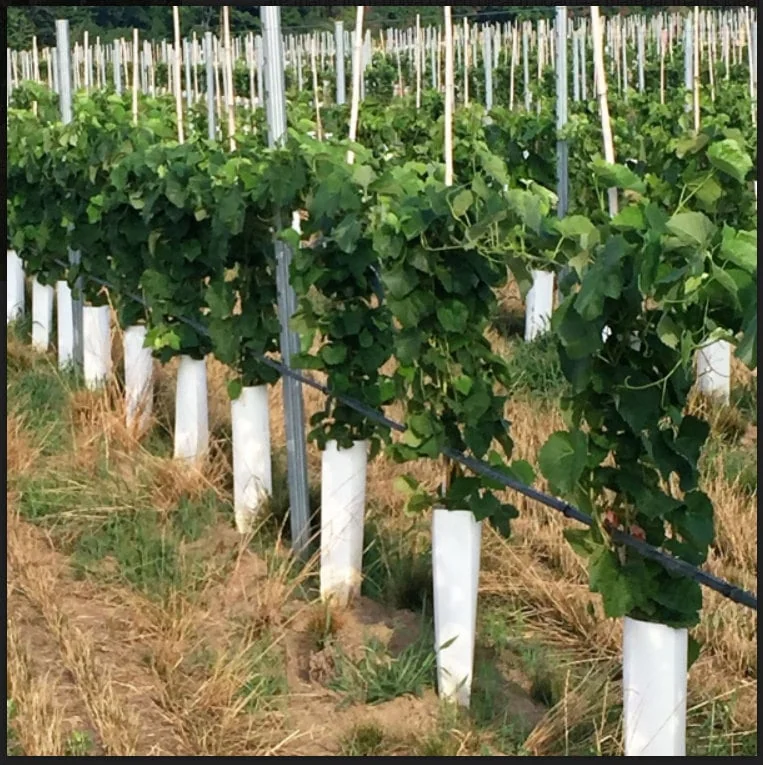
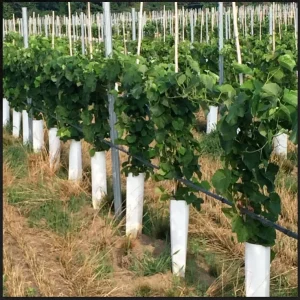
When transplanting your Niagara grape vine, gently remove the plant from its container if applicable, or carefully spread the roots of the bare root plant. Place it in the prepared hole, ensuring the root ball is slightly below the soil line. Backfill with the amended soil and water thoroughly to settle the soil around the roots. Grapes are climbing plants, so a sturdy trellis, arbor, or fence is essential for support. Install this support system at the time of planting to prevent damage to young vines. Throughout the growing season, regular watering is necessary, especially during dry periods, but be careful not to overwater. Pruning is vital for grape production and vine health; remove any dead, diseased, or crossing branches to encourage air circulation and fruit development. Mulching around the base of the vine helps retain soil moisture, regulate temperature, and suppress weeds, contributing to a thriving white grape plant.
For optimal growth and fruit quality, consider regular fertilization, particularly in early spring before new growth begins. Monitor your Niagara grape vine for pests and diseases, addressing any issues promptly to prevent widespread problems. Understanding the specific needs of how to grow Niagara grapes will lead to a successful and rewarding harvest. The distinctive foxy grape flavor will be well worth the effort.
Size & Details
This offering is for 1 bare root live plant of the Niagara grape variety. A bare root plant is a dormant plant shipped without soil around its roots, making it efficient for transport and often more economical. Upon arrival, the plant will have a healthy root system ready for immediate planting. Niagara grape vines exhibit a trailing growth habit and require a support system to climb. They are generally robust growers, reaching significant lengths when properly trellised. The suggested distance between individual vines for optimal growth and air circulation is 6 to 8 feet. This spacing allows each Niagara grape vine ample room to spread and fruit effectively.
The grapes produced by this vine are white in color, with a primary use for juice, wine, and jelly. The wine produced from Niagara grapes is also white. This variety is known to thrive in USDA Zone Range 5-12, indicating its broad adaptability to various climates. With proper care, including adequate sunlight and well-draining soil, your bare root grape plant will establish quickly and begin its journey towards fruit production, typically yielding grapes within a few years of planting. The distinctive foxy grape flavor is a hallmark of this variety.
Frequently Asked Questions
-
Q: How big does a Niagara grape vine get? A: A Niagara grape vine is a vigorous grower with a trailing habit. With proper support from a trellis or arbor, it can easily spread several feet, reaching lengths that depend on pruning and growing conditions. It requires space to thrive and produce fruit.
-
Q: What condition will the bare root grape plant arrive in? A: Your bare root grape plant will arrive dormant, with its roots carefully packed to ensure they remain healthy during transit. It will not be in a pot with soil, as it is designed for direct planting upon arrival.
-
Q: How much sunlight does a white grape plant need? A: Niagara grape vines require full sun exposure to produce the best fruit. This means at least 6-8 hours of direct sunlight daily. Choosing a sunny location is critical for the success of your vine.
-
Q: Is this Niagara grape vine suitable for beginners? A: Yes, the Niagara variety is relatively robust and vigorous, making it a good choice for beginner grape growers. Following basic planting and care instructions will lead to successful growth and fruit production.
-
Q: When is the best time to plant a bare root grape? A: The best time to plant a bare root grape is typically in early spring, after the last danger of hard frost has passed. This allows the plant to establish its root system before the heat of summer.
-
Q: Can I use Niagara grapes for making wine? A: Yes, Niagara grapes are commonly used for making sweet white wines and juices. While they have a distinctive foxy grape flavor, some winemakers appreciate this unique characteristic, especially for certain styles of wine.
-
Q: What USDA zones are suitable for growing Niagara grapes? A: Niagara grapes are hardy and can be grown in USDA Zones 5-12. This wide range indicates its adaptability to various climates, making it a popular choice for many home gardeners.
-
Q: What kind of soil does this white grape plant prefer? A: Niagara grapes prefer well-draining soil. They do not tolerate soggy conditions, so ensure your planting site has good drainage. Amending with compost can improve soil structure and fertility.
-
Q: Do I need a trellis or support for my Niagara grape vine? A: Absolutely. Niagara grape vines have a trailing growth habit and require a sturdy support system like a trellis, arbor, or fence to climb on. This support is crucial for healthy growth and fruit production.
-
Q: How long until my Niagara grape vine produces fruit? A: A newly planted bare root grape vine typically begins to produce a small crop in its second or third year. Full production usually starts around the third to fifth year, depending on growing conditions and care.


Reviews
There are no reviews yet.