
Overview
Introduce a touch of enduring beauty to your garden with the Ninebark live plant (Physocarpus opulifolius). This exceptional deciduous shrub is celebrated for its dynamic appearance and robust nature, making it a favorite among landscapers and home gardeners alike. Known scientifically as Physocarpus opulifolius, the Ninebark gets its common name from its distinctive, multi-layered bark that peels away in strips, revealing a rich, varied color palette underneath. This unique characteristic provides significant visual interest, especially during the dormant seasons. Our Ninebark live plant arrives ready to thrive, offering an immediate impact on your outdoor space. It’s a versatile choice that adapts well to various settings, from informal hedges to striking specimen plantings, and is particularly valued for its ease of care and ability to tolerate a range of environmental conditions. Its hardiness and striking features make it a truly rewarding addition to any garden.
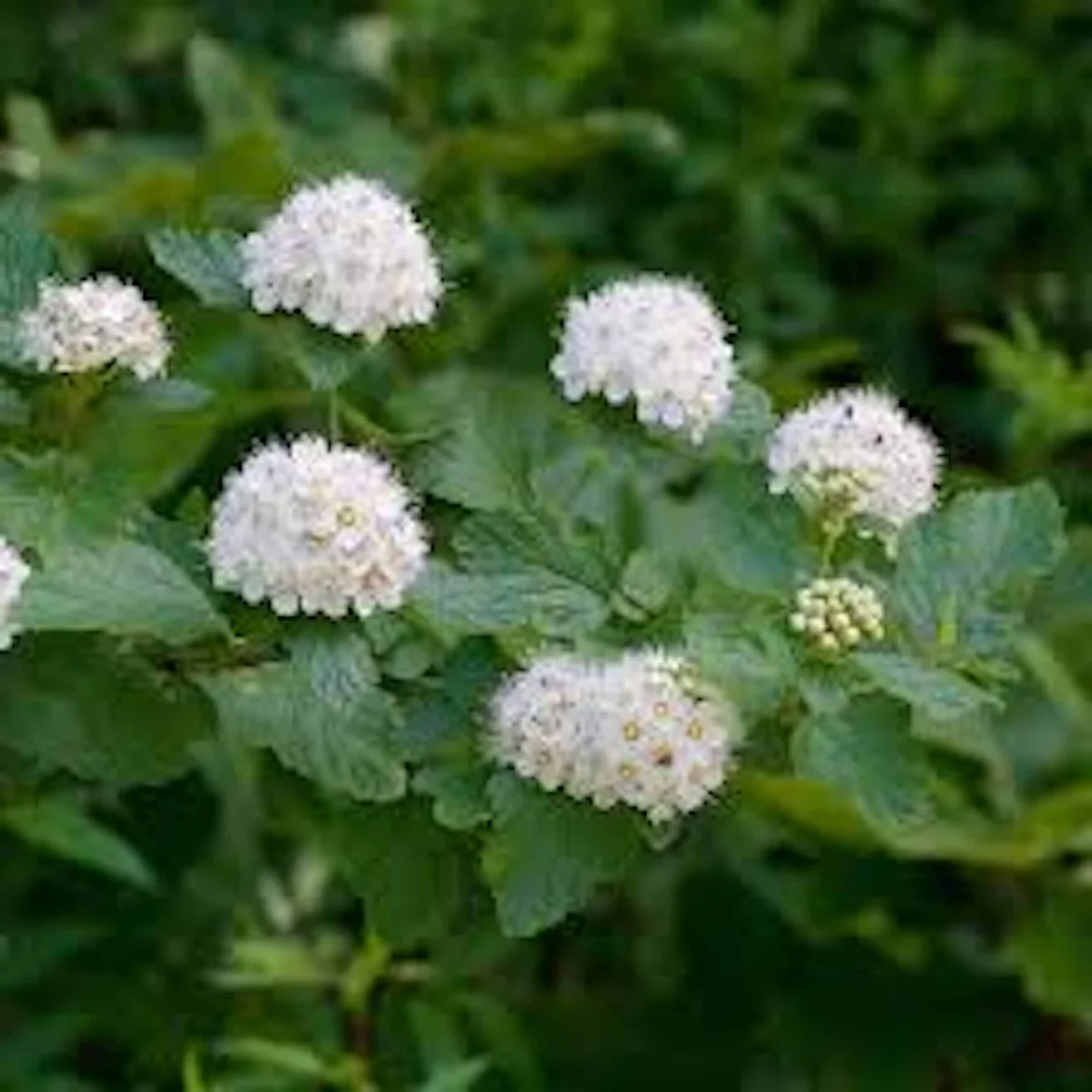
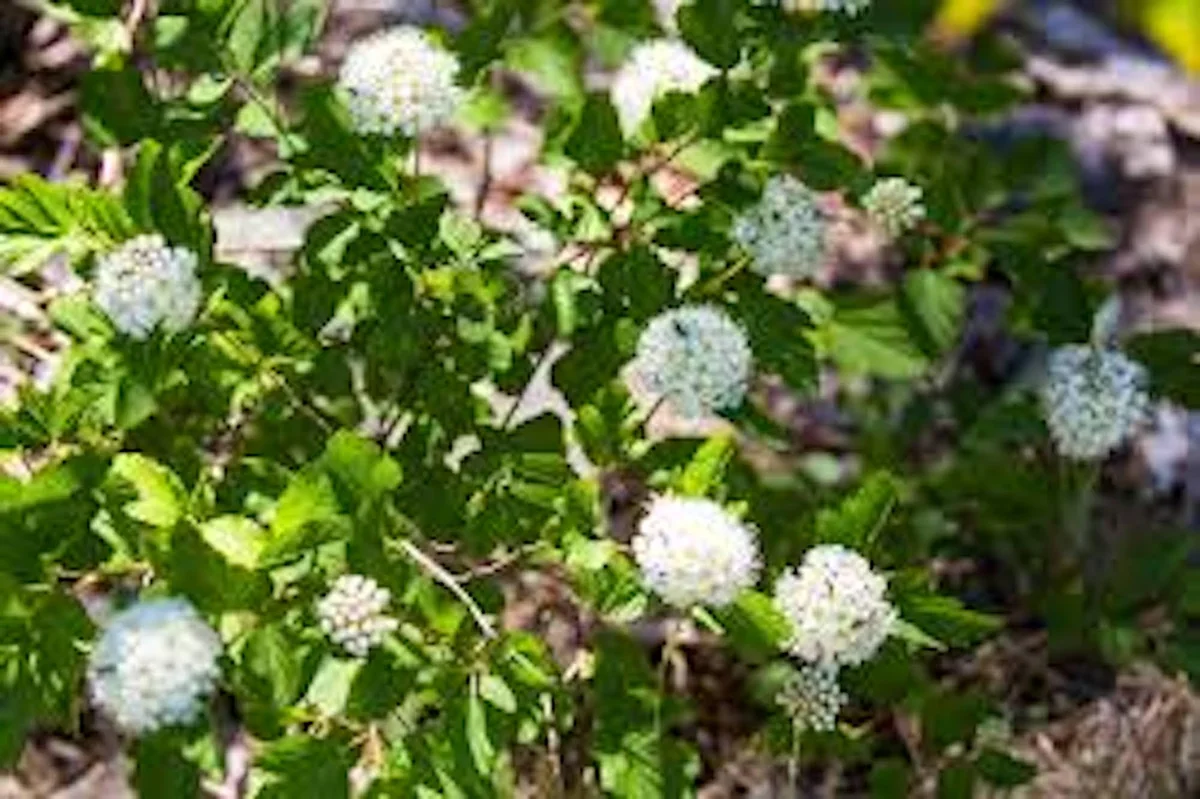
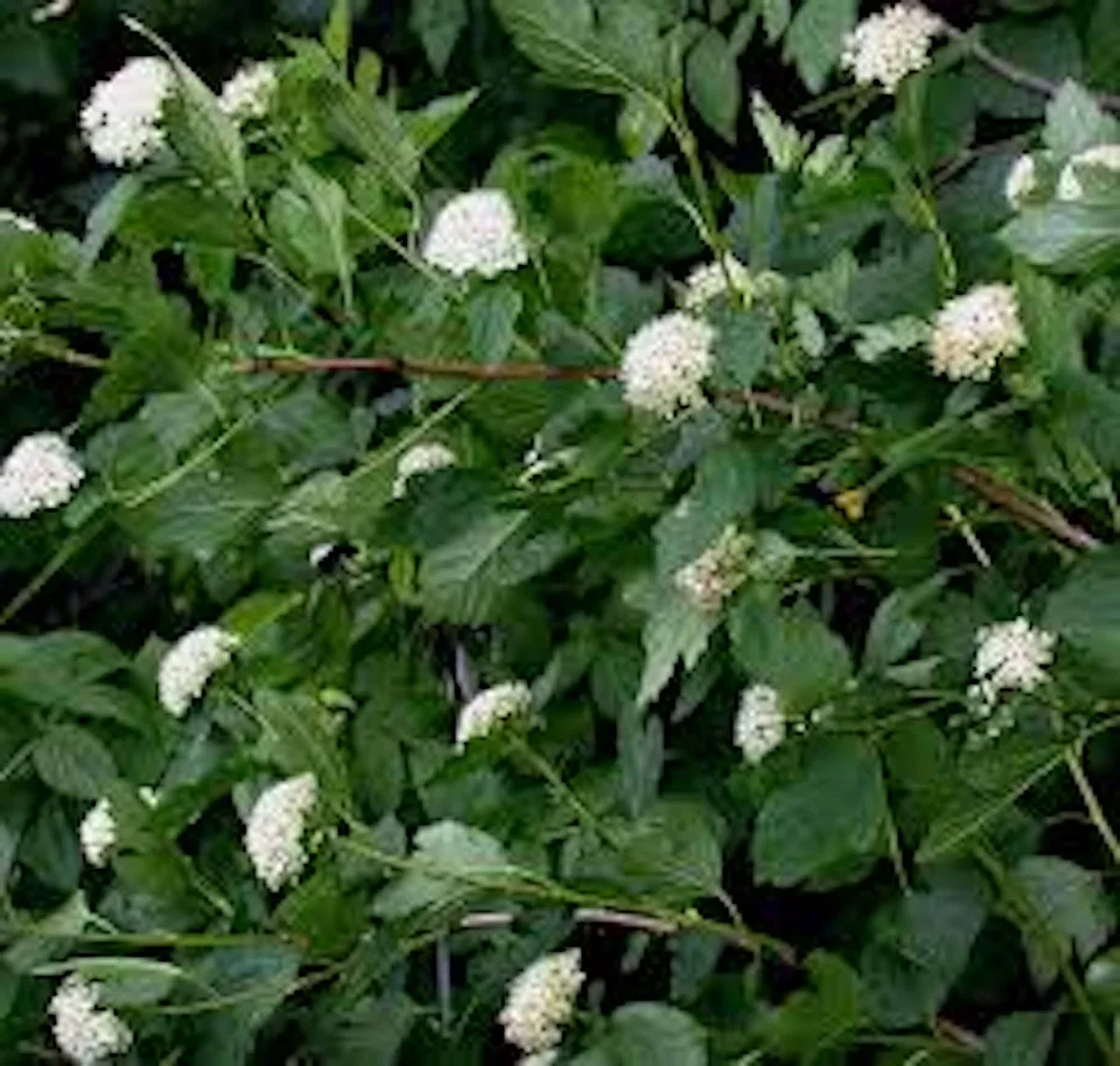
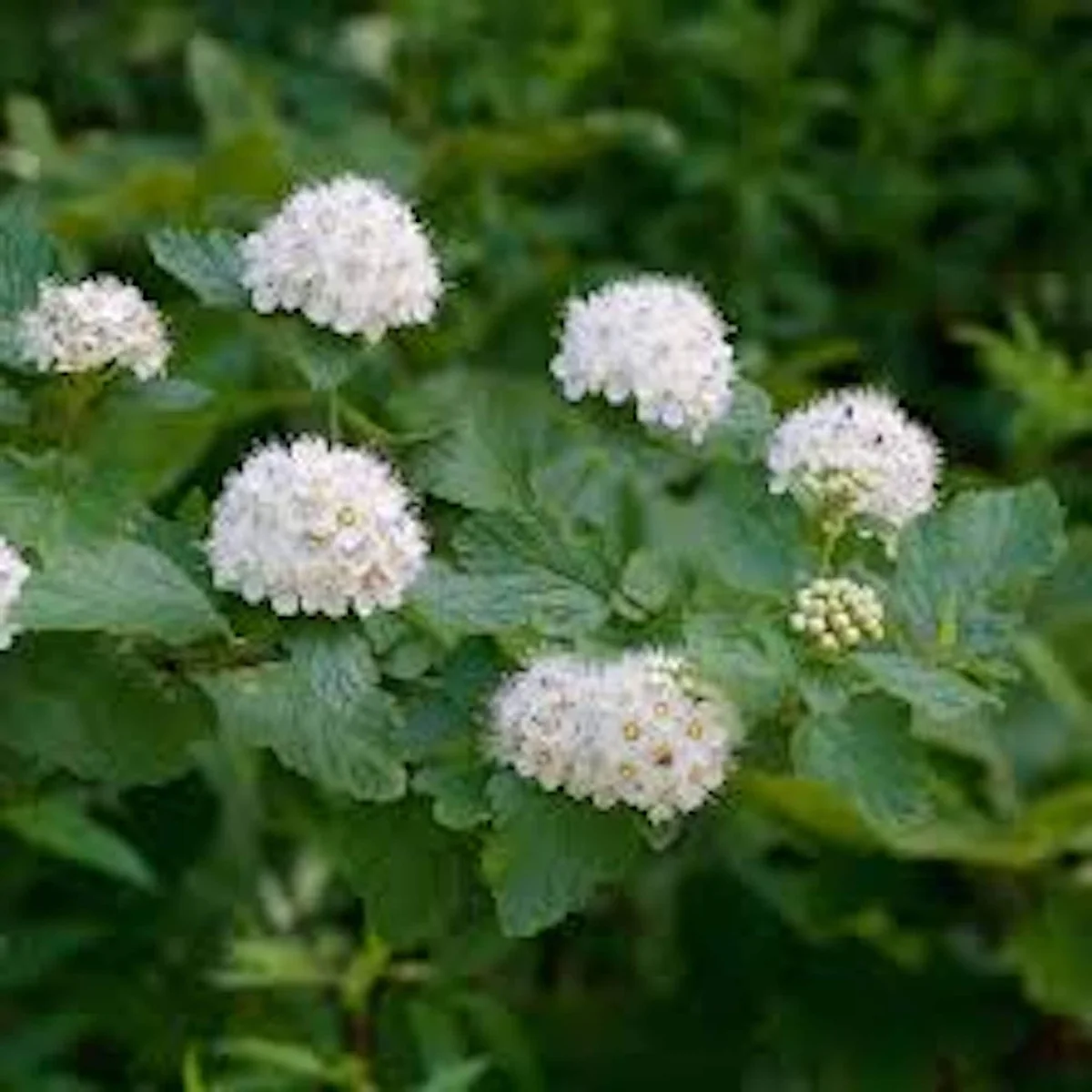
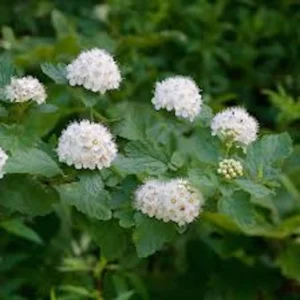
The Ninebark live plant is not just about its bark; it also produces charming clusters of white to pinkish flowers in late spring to early summer, followed by attractive seed capsules that persist into fall. These features contribute to its year-round appeal, providing seasonal changes that keep your garden vibrant. This hardy deciduous shrub is a testament to nature’s artistry, combining ornamental beauty with practical resilience. Whether you’re an experienced gardener or just starting, the Ninebark offers a rewarding growing experience, transforming your landscape with its unique texture and color. Choosing a Ninebark live plant means investing in a long-lasting, low-maintenance, and visually captivating garden element.
Key Benefits
The Ninebark live plant offers a multitude of benefits that make it an outstanding choice for any garden. Its adaptability and aesthetic qualities ensure it stands out in various landscape designs.
- Exceptional Year-Round Interest: The primary appeal of the Ninebark is its unique exfoliating bark, which provides textural interest throughout all seasons, particularly in winter. This peeling bark reveals beautiful inner layers, giving the plant its distinctive ‘ninebark’ appearance and ensuring your garden remains captivating even when other plants are dormant.
- Low Maintenance & Hardy: As a hardy deciduous shrub, the Ninebark is incredibly easy to care for, requiring minimal pruning and being largely disease and pest resistant. It thrives with little intervention, making it perfect for busy gardeners or those new to planting. This resilience contributes to its popularity as a reliable landscaping plant.
- Versatile Landscaping Use: The Ninebark’s adaptability allows it to be used in various garden applications. It can serve as an impressive specimen plant, a dense hedge for privacy, or a back-of-the-border shrub. Its varied foliage colors (depending on cultivar) and seasonal flowers and fruits add to its versatility.
- Attractive Flowers & Fruit: In late spring to early summer, the Ninebark live plant produces charming clusters of white or pinkish flowers that attract pollinators. These are followed by colorful, often red or purple, seed capsules that add another layer of visual appeal and provide food for local wildlife.
- Drought Tolerant Once Established: Once established, Ninebark plants are quite tolerant of dry conditions, reducing the need for frequent watering. This makes them an excellent choice for water-wise gardens or areas prone to drier spells, further cementing their status as a low-care option.
- Supports Wildlife: The flowers provide nectar for bees and other beneficial insects, while the persistent seed capsules offer a food source for birds during fall and winter, contributing positively to local ecosystems.
- Physocarpus opulifolius care is straightforward, ensuring a beautiful and thriving plant with minimal effort.
Plant Care & Growing Tips
Ensuring the health and vitality of your Ninebark live plant is straightforward, thanks to its robust nature. To achieve the best growth and display of its unique features, consider the following care guidelines. The Ninebark thrives in a wide range of conditions, making Ninebark growing tips relatively easy to follow for gardeners of all experience levels. It is important to remember that proper initial planting and ongoing minimal care will lead to a lush, beautiful shrub.
For sunlight, the Ninebark live plant prefers full sun to partial shade. Full sun (at least 6 hours of direct sunlight per day) will promote the best flowering and foliage color, especially for cultivars with colored leaves. In hotter climates, a little afternoon shade can be beneficial to prevent leaf scorch. When it comes to watering, Ninebarks are quite drought-tolerant once established. However, during their first growing season, consistent moisture is crucial for root development. Water deeply once or twice a week, or more frequently during prolonged dry spells. The soil should be well-draining; standing water can lead to root rot. A good quality, loamy soil with a neutral to slightly acidic pH is ideal. While they can tolerate a variety of soil types, ensuring good drainage is key for optimal Physocarpus opulifolius care.
Ninebarks are incredibly cold-hardy, generally thriving in USDA Zones 3-8, making them suitable for many climates. Fertilization is typically not a high priority for this hardy deciduous shrub. If desired, a balanced slow-release fertilizer can be applied in early spring before new growth emerges. Pruning can be done to maintain shape, remove dead or damaged branches, or rejuvenate older plants. The best time for major pruning is in late winter or early spring while the plant is dormant. Minor shaping can be done after flowering. Watch out for common issues like powdery mildew, especially in humid conditions or areas with poor air circulation; ensuring good spacing and proper sunlight can help prevent this. Following these Ninebark growing tips will help ensure your plant remains healthy and vibrant for years to come.
Size & Details
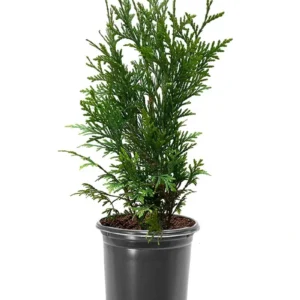
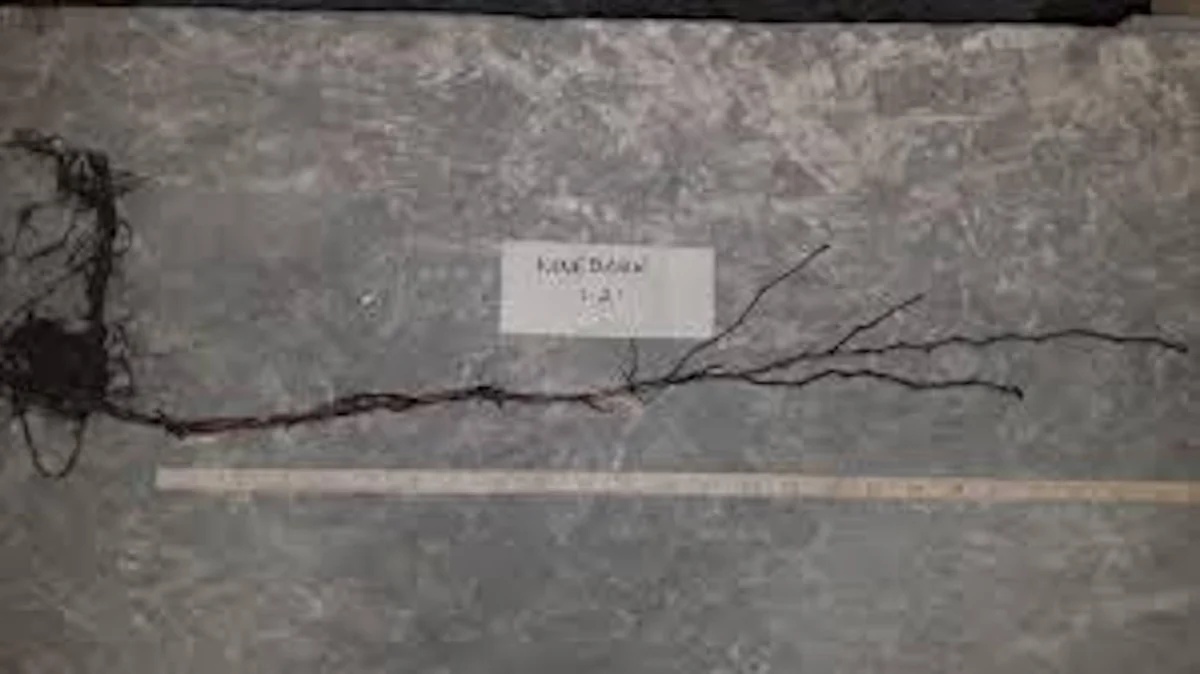
This Ninebark live plant is typically shipped at a height of 12-24 inches tall, providing a substantial start for your garden. It is a vigorous grower, and with proper Physocarpus opulifolius care, it can quickly establish itself and reach its mature size. Depending on the cultivar, Ninebark shrubs generally grow to a mature height and spread of 5-10 feet, creating a significant presence in the landscape. Its growth rate is moderate to fast, allowing for noticeable development within a few seasons. The plant is typically shipped either bare root during dormant seasons (fall/winter) or in a nursery pot during the active growing season (spring/summer) to ensure optimal health upon arrival.
The distinctive multi-layered bark, which is the hallmark of this hardy deciduous shrub, becomes more pronounced with age, adding character to your garden. Expect beautiful clusters of white to pinkish flowers in late spring, followed by attractive red or purple seed capsules that persist into the fall and winter, extending the plant’s ornamental value. This plant’s robust nature makes it an excellent choice for a variety of landscaping applications, from naturalized areas to formal borders. Following these Ninebark growing tips will help you achieve a magnificent display.
Frequently Asked Questions
- Q: How big does this Ninebark live plant get?
A: This Ninebark live plant typically grows to a mature height and spread of 5-10 feet, depending on the specific cultivar and growing conditions. It is shipped at 12-24 inches tall, ready to establish quickly in your garden. - Q: Is this an indoor or outdoor plant?
A: The Ninebark (Physocarpus opulifolius) is a hardy deciduous shrub, best suited for outdoor planting in garden beds, borders, or as a hedge. It is not typically grown as an indoor houseplant. - Q: How much sunlight does a Ninebark need?
A: For optimal growth and flowering, a Ninebark live plant prefers full sun, meaning at least 6 hours of direct sunlight per day. It can tolerate partial shade, but may have less vibrant foliage color and fewer flowers. - Q: Is this plant easy to care for?
A: Yes, Ninebark is renowned for being a very easy-care and hardy deciduous shrub. It is tolerant of a range of soil types and conditions, and once established, it is quite drought-tolerant and largely pest and disease resistant. - Q: What condition will the plant arrive in?
A: During the fall and winter dormant seasons, your Ninebark live plant will ship bare root. During the spring and summer growing seasons, it will be shipped in a nursery pot to ensure its health and vitality during transit. - Q: When is the best time to plant a Ninebark?
A: The best time to plant a Ninebark is in early spring or fall, when temperatures are moderate. This allows the plant to establish its root system before the stress of extreme summer heat or winter cold. - Q: What are some good Ninebark growing tips for beginners?
A: For beginners, ensure your Ninebark is planted in well-draining soil with full sun to partial shade. Water regularly during the first year to establish roots, then reduce frequency. Minimal pruning is needed, mainly to shape or remove dead branches. - Q: Will Ninebark survive winter in my zone?
A: Ninebark is a very cold-hardy shrub, generally thriving in USDA Hardiness Zones 3-8. This means it can withstand cold winter temperatures in most regions of the United States. - Q: What kind of soil does Physocarpus opulifolius care require?
A: Ninebark prefers well-draining, loamy soil that is neutral to slightly acidic. While it can tolerate various soil types, good drainage is crucial to prevent root issues. - Q: Does the Ninebark attract wildlife?
A: Yes, the flowers of the Ninebark live plant attract pollinators like bees, and the seed capsules provide a food source for birds in the fall and winter, contributing to local biodiversity.


Reviews
There are no reviews yet.