Overview
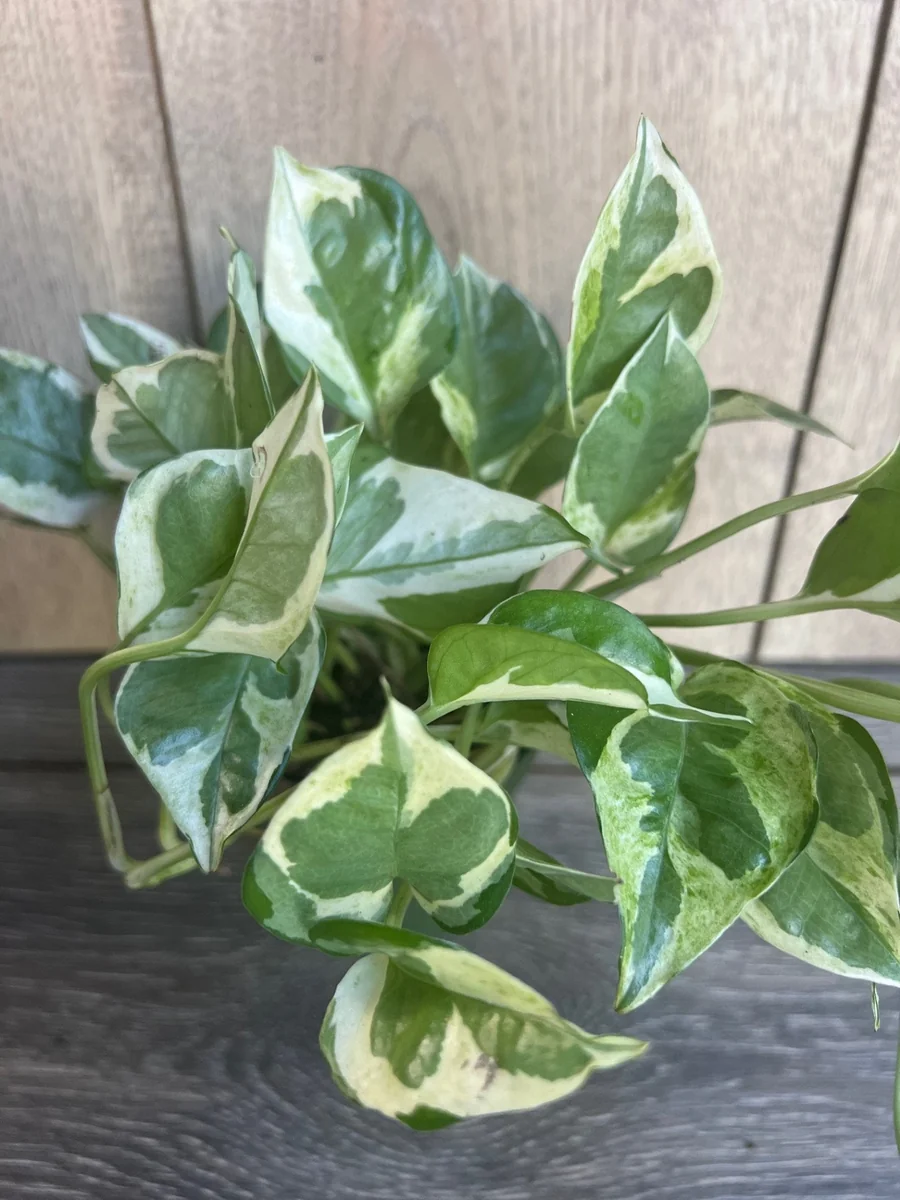
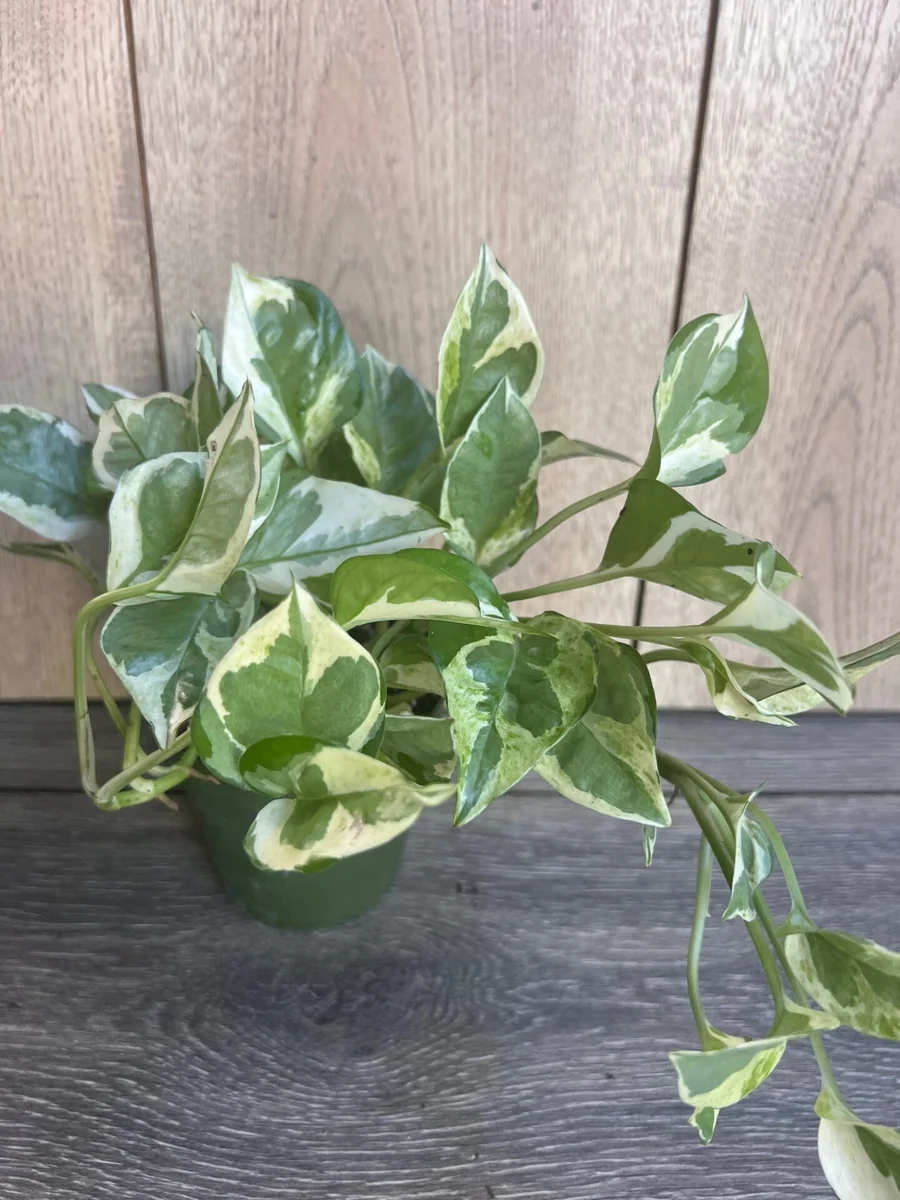
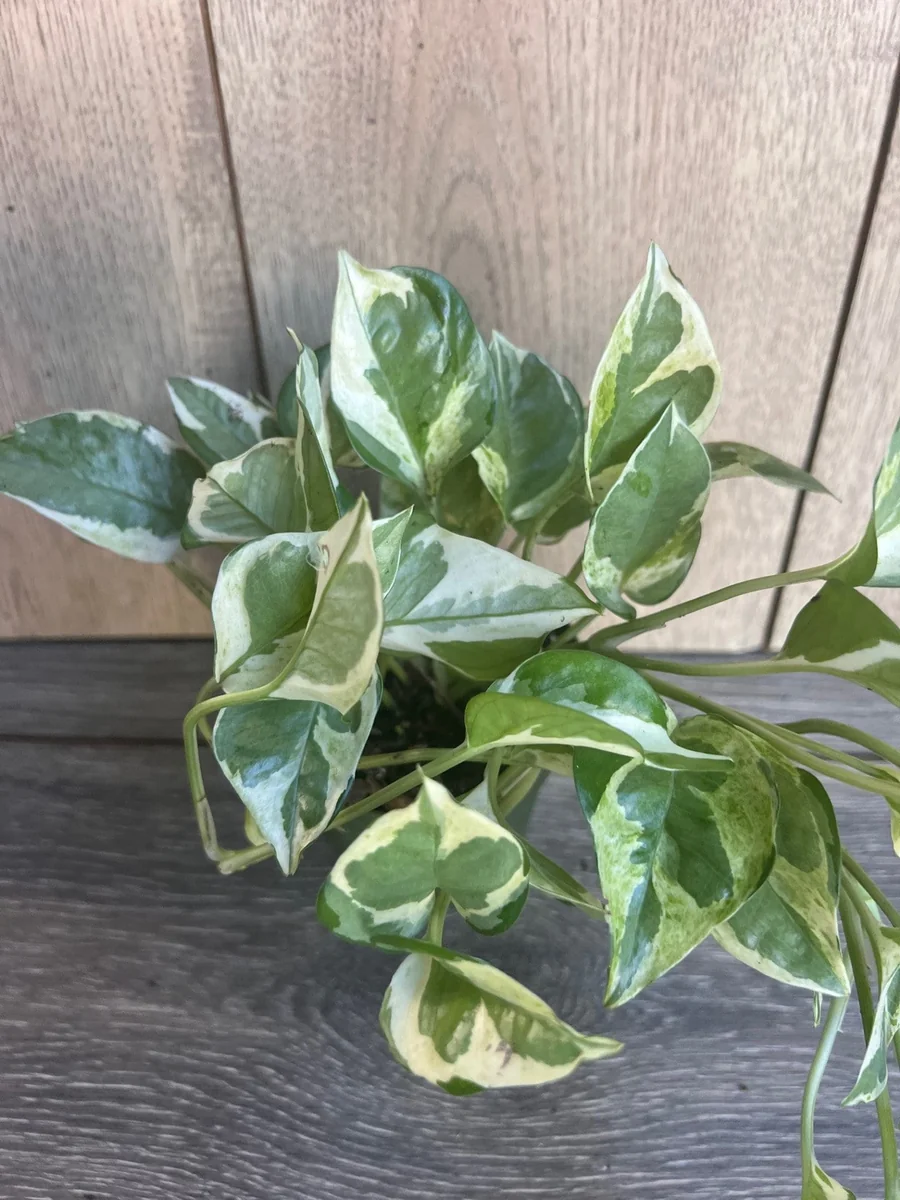
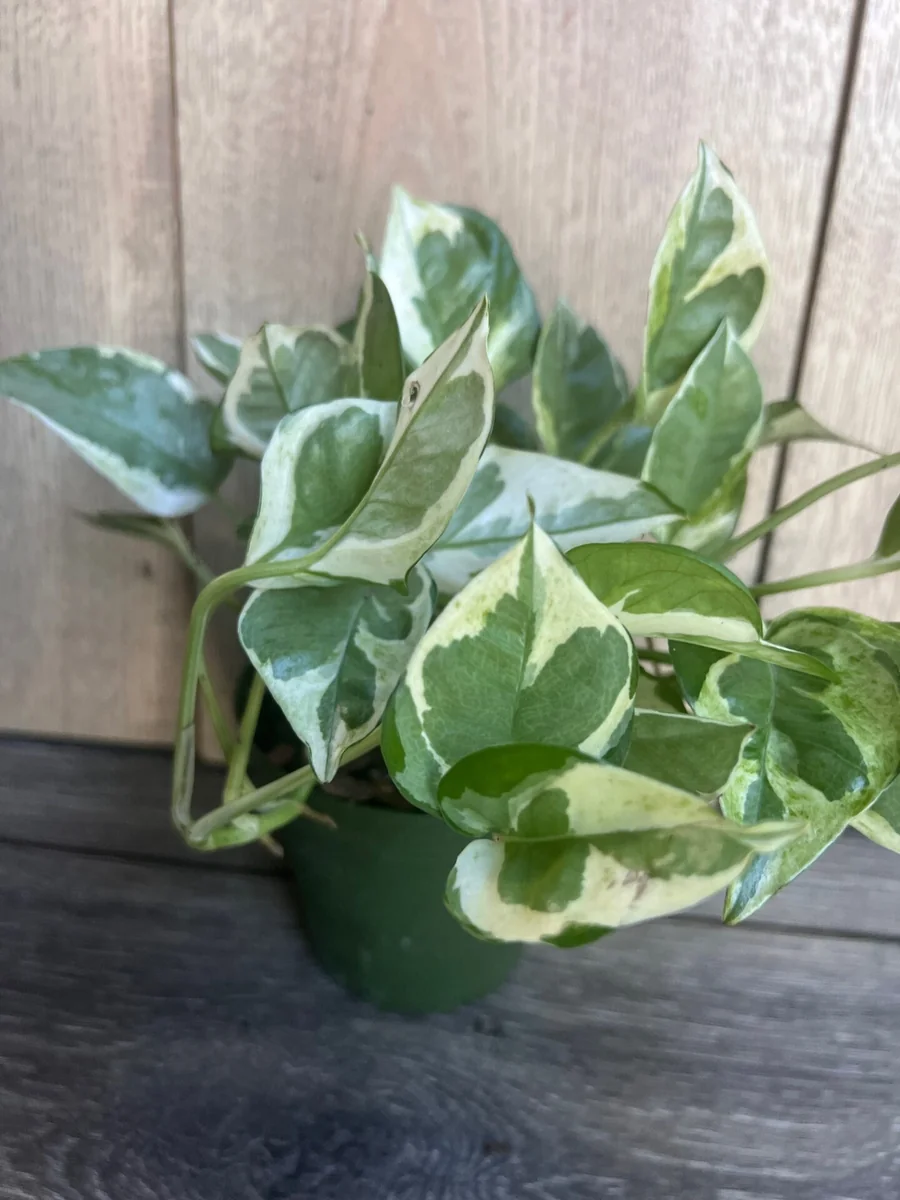
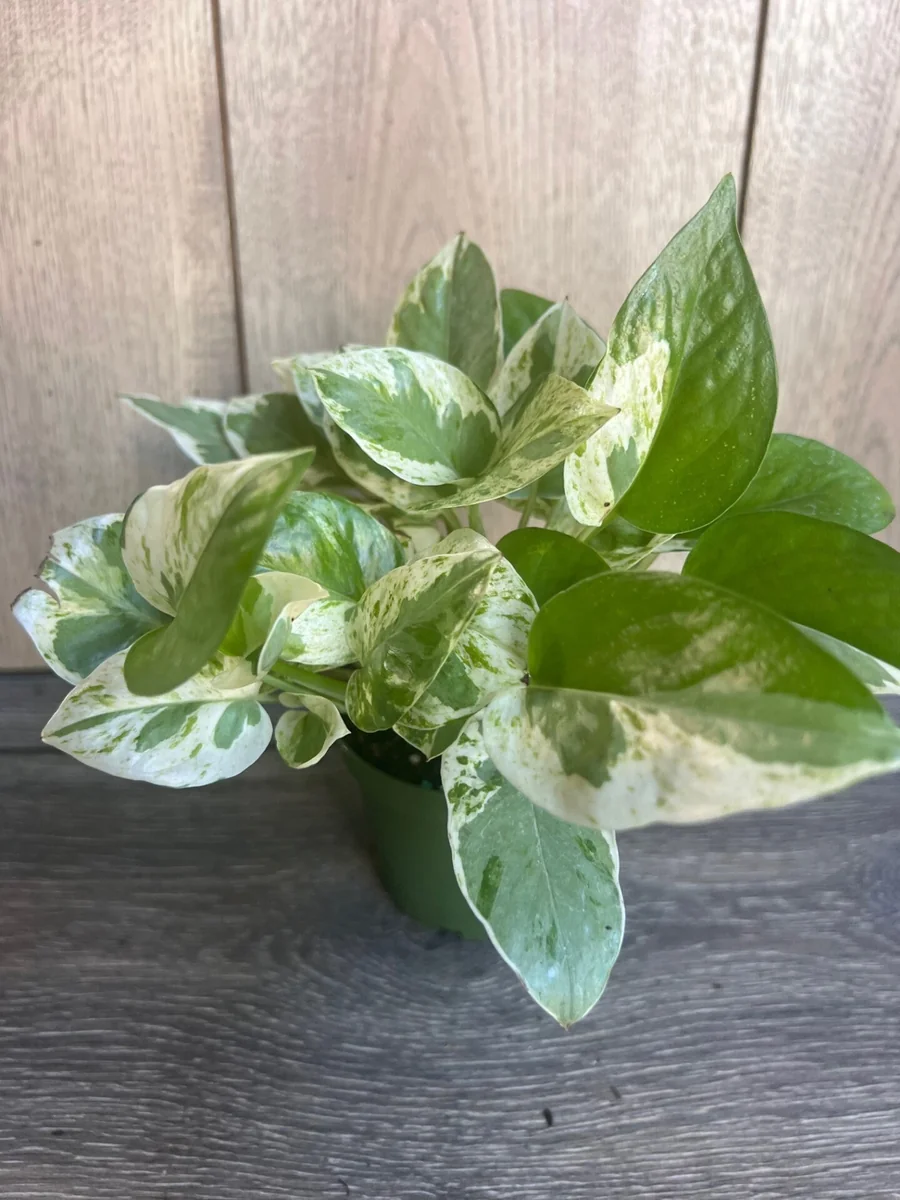
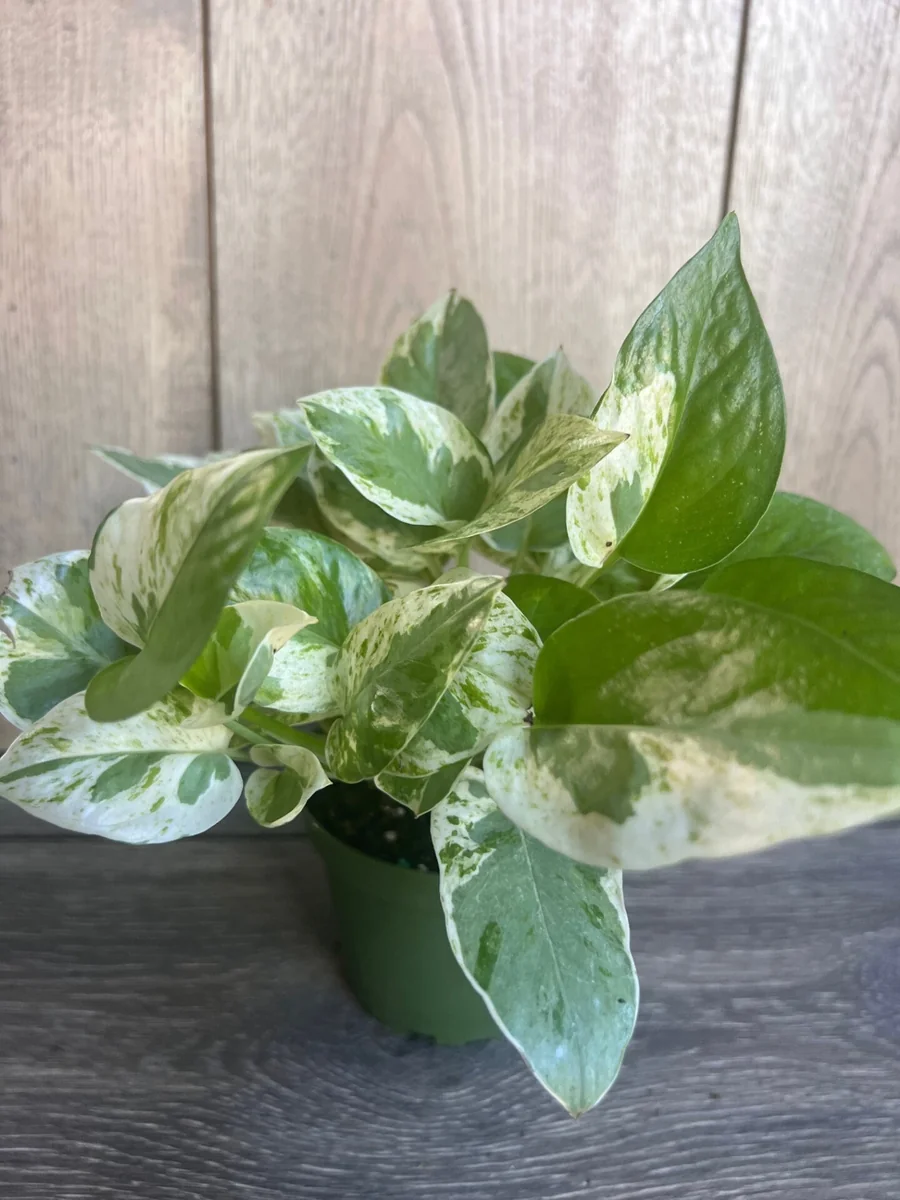
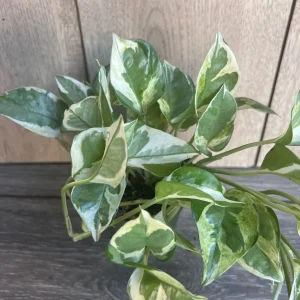
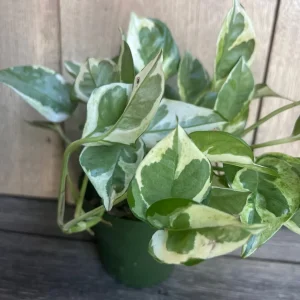
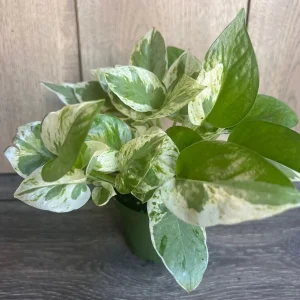
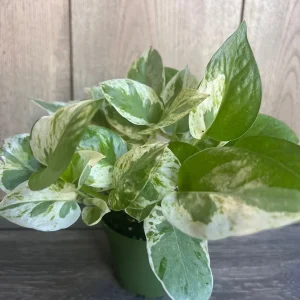
Introduce a touch of vibrant greenery to your indoor space with the exquisite N’Joy Pothos live plant. This captivating variety of Epipremnum aureum care, also known as Devil’s Ivy N’Joy, is celebrated for its distinctive variegated leaves, which feature a beautiful blend of green and creamy white. Unlike some other Pothos varieties, the N’Joy is not an exceptionally fast grower, allowing you to appreciate its intricate leaf patterns as it slowly unfurls. This makes it an ideal choice for those who prefer a plant with a more controlled growth habit, perfect for desks, shelves, or hanging baskets. The tender, fresh leaves are truly appealing, ensuring this plant will be a focal point in any room.
The N’Joy Pothos is a popular choice among houseplant enthusiasts due to its striking appearance and relatively low maintenance requirements. It thrives in typical indoor environments and can adapt to various light conditions, making it a versatile addition to your plant collection. Each plant is carefully cultivated to ensure healthy growth and vibrant foliage, ready to bring joy to its new home.
Key Benefits
The N’Joy Pothos live plant offers numerous advantages, making it a beloved choice for both novice and experienced plant parents. Its aesthetic appeal combined with its adaptable nature ensures it will flourish in diverse settings, providing continuous beauty and a sense of calm to your home or office.
-
Stunning Variegated Foliage
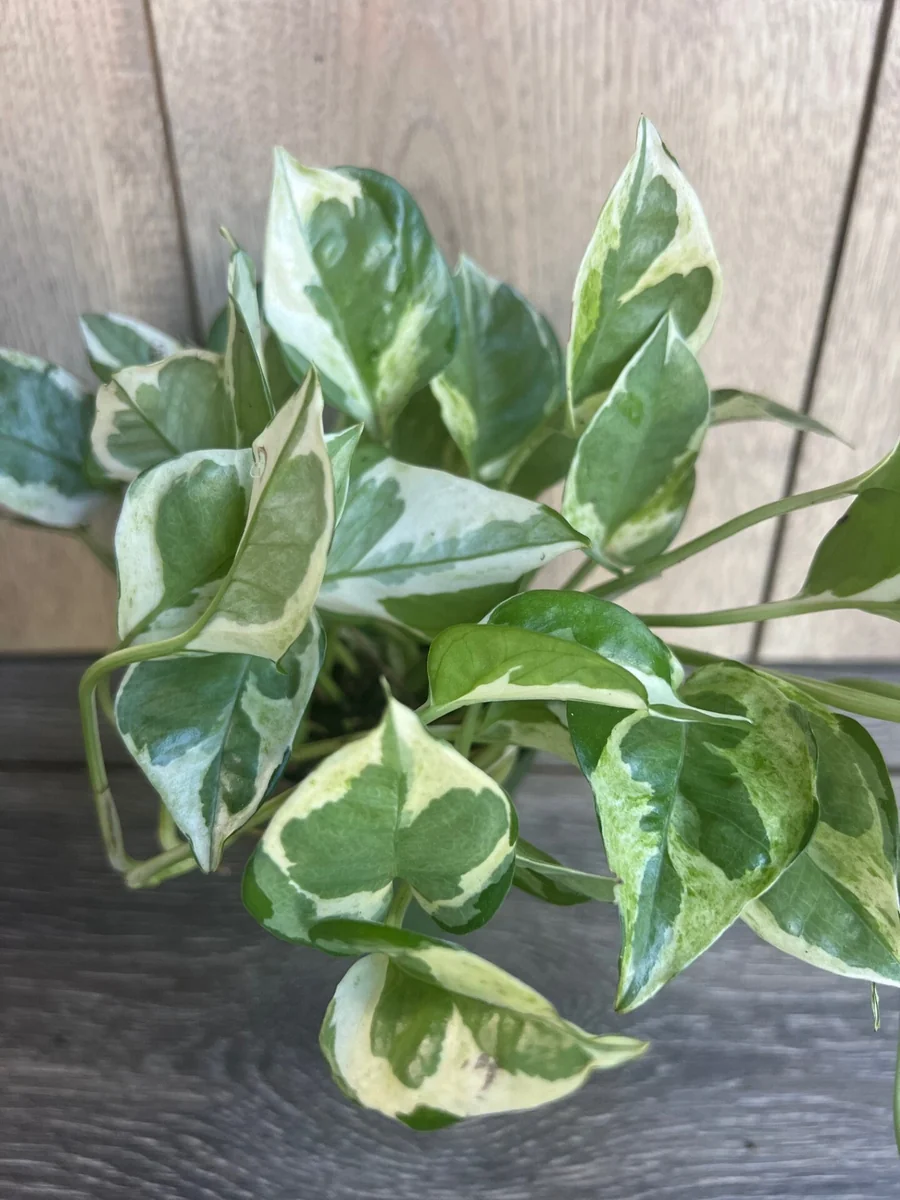
The leaves of the N’Joy Pothos live plant display a captivating variegation of deep green and creamy white, creating a visually striking contrast that brightens any indoor space. This unique coloration makes it stand out from other Pothos varieties and adds an elegant touch to your decor.
-
Low Maintenance Houseplant
This variegated Pothos indoor plant is remarkably easy to care for, making it an excellent choice for busy individuals or beginners. It tolerates a range of conditions and is forgiving of occasional neglect, allowing you to enjoy its beauty without constant fuss.
-
Adaptable to Various Light Conditions
While preferring medium to bright indirect light, the N’Joy Pothos can adapt to lower light conditions, though its variegation may become less pronounced. This flexibility allows you to place it in several locations within your home or office, ensuring it fits perfectly into your environment.
-
Air Purifying Qualities
Like many Pothos varieties, the N’Joy Pothos contributes to improving indoor air quality by filtering out common household toxins. This natural air purification enhances your living environment, promoting a healthier and more refreshing atmosphere.
-
Compact and Manageable Growth
Unlike some faster-growing Pothos, the N’Joy has a more moderate growth rate. This makes it easier to manage and ideal for smaller spaces, ensuring it doesn’t quickly outgrow its designated area while still providing lush foliage.
-
Versatile Decor Accent
Whether placed on a desk, shelf, or in a hanging planter, the N’Joy Pothos live plant adds a sophisticated and natural element to any interior design. Its trailing vines and striking leaves complement both modern and traditional decor styles.
Plant Care & Growing Tips
Caring for your N’Joy Pothos live plant is straightforward, ensuring it remains healthy and vibrant with minimal effort. Understanding its basic needs will help you create an optimal environment for its growth and stunning appearance. This variegated Pothos indoor variety thrives on consistency but is also quite forgiving.
For lighting, Pothos plants, including the Epipremnum aureum care, prefer medium to bright indirect sunlight. While they can tolerate lower light, the leaves may become smaller and the vines leggier, and the beautiful variegation might diminish. Avoid direct, harsh sunlight, which can scorch the delicate leaves. Water your N’Joy Pothos thoroughly after the soil has almost completely dried out. A good indicator is when the leaves start to show slight wilting – this signals it’s time to water. Water more frequently during the active growing season (spring and summer) and reduce the frequency in winter. Ensure the pot has good drainage to prevent root rot.
The ideal soil for Pothos needs to retain moisture but also drain excess water effectively. Most pre-mixed potting soils designed for houseplants will suffice. Look for a mix rich in organic matter such as coco-coir, peat moss, or shredded leaves. Avoid soils with moisture-retaining crystals, as these can lead to overwatering. Average household temperatures are suitable, ideally above 55℉ (13℃), as prolonged exposure to colder temperatures can be detrimental. While this tropical plant appreciates higher humidity, it generally does well in average household air. Fertilize every two weeks during the growing season with a weak solution of a complete liquid fertilizer. Skip fertilization during winter months unless the plant is actively growing indoors year-round, in which case a ¼-strength diluted liquid fertilizer or top dressing with worm castings can be used.
Size & Details
This N’Joy Pothos live plant is provided in a 4-inch nursery pot, ensuring a healthy root system and an established start for your new houseplant. The plant typically features multiple vines with mature leaves showcasing its characteristic green and creamy white variegation. While the N’Joy is not a fast grower, it can still produce trailing vines that can extend several feet over time, creating a beautiful cascading effect. The leaves themselves can grow to a moderate size, maintaining their intricate patterns. This plant is shipped as a rooted, live specimen, ready to be enjoyed immediately upon arrival and will continue to grow and develop its unique foliage in your home.
Frequently Asked Questions
- Q: How big does this N’Joy Pothos plant get? A: The N’Joy Pothos live plant generally has a more compact and manageable growth habit compared to other Pothos varieties. Its vines can trail several feet long over time, but it’s not considered a rapid grower, making it ideal for smaller spaces or hanging baskets.
- Q: Is this an indoor or outdoor plant? A: The N’Joy Pothos is primarily cultivated as an indoor houseplant in most climates. While it can be grown outdoors in very warm, humid, frost-free environments, it thrives best indoors where temperatures are consistent.
- Q: How much sunlight does the Epipremnum aureum care require? A: This plant prefers medium to bright indirect sunlight. Direct sun can scorch its leaves, while very low light might cause the variegation to fade and the plant to become leggy.
- Q: Is this plant easy to care for, good for beginners? A: Yes, the N’Joy Pothos live plant is considered very easy to care for and is an excellent choice for beginners. Its tolerance for various conditions and forgiving nature make it a popular and resilient houseplant.
- Q: What condition will it arrive in? A: Your N’Joy Pothos will arrive as a healthy, established live plant in a 4-inch nursery pot, carefully packaged to ensure its safe transit and ready to be placed in your home.
- Q: How often should I water my variegated Pothos indoor? A: Water thoroughly when the top few inches of soil feel dry to the touch, or when you notice the leaves beginning to show slight signs of wilting. Ensure adequate drainage to prevent root rot.
- Q: Is the Devil’s Ivy N’Joy pet-safe? A: Like other Pothos varieties, the Devil’s Ivy N’Joy is considered toxic if ingested by pets due to calcium oxalates. It’s best to keep it out of reach of curious animals.
- Q: What is the best soil type for this plant? A: A well-draining potting mix rich in organic matter is ideal for the N’Joy Pothos. Standard houseplant soil mixes usually work well, but ensure it doesn’t retain too much moisture.
- Q: Will this low light houseplant maintain its variegation in average light? A: The N’Joy Pothos will maintain its beautiful variegation best in medium to bright indirect light. While it can tolerate lower light, the white areas on the leaves may become less prominent over time.
- Q: What is the minimum temperature this plant can tolerate? A: The N’Joy Pothos is a tropical plant and prefers temperatures above 55℉ (13℃). Prolonged exposure to temperatures below this can stunt its growth and potentially be fatal.


Reviews
There are no reviews yet.