Overview
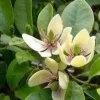
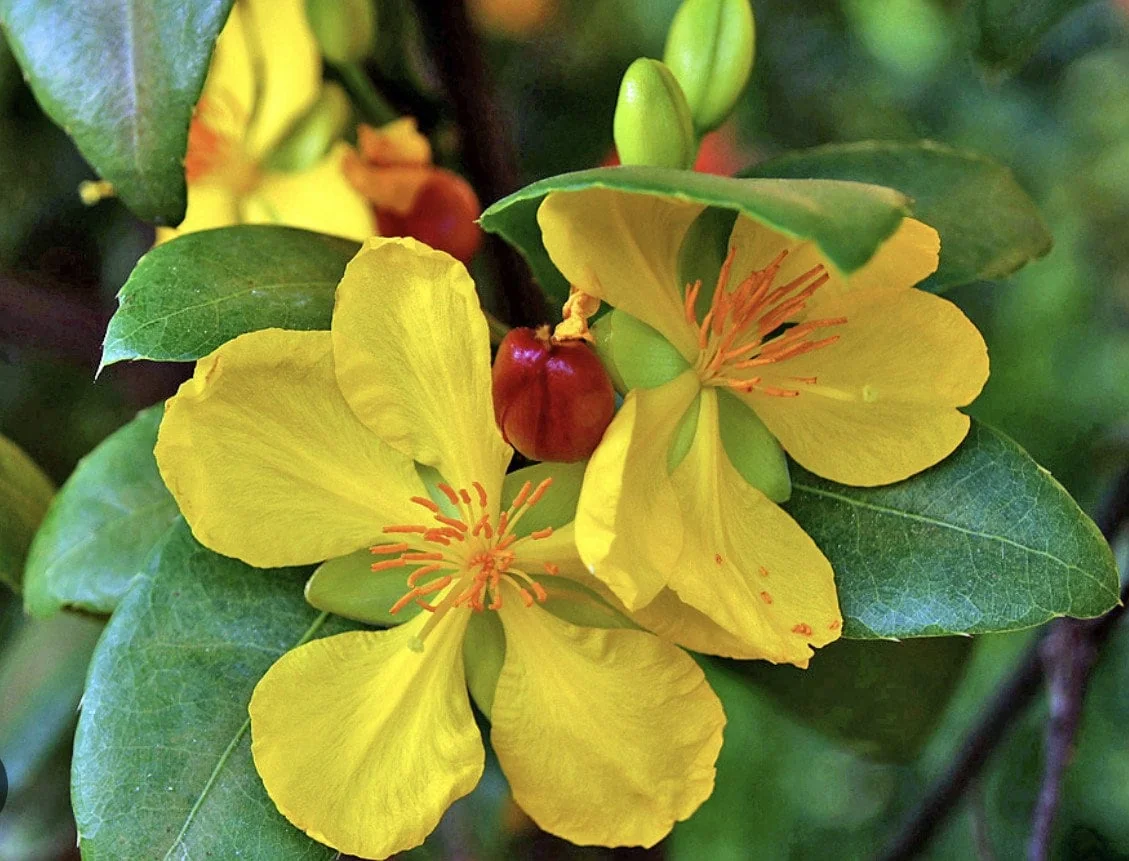
Discover the enchanting mickey mouse plant (Ochna serrulata), a captivating evergreen shrub that brings whimsical charm to any landscape. Originating from South Africa, this unique plant is treasured for its distinctive appearance and easy-care nature. The common name, mickey mouse plant, comes from its fascinating fruit: after the yellow petals fall, the red sepals remain, holding lustrous black berries that strikingly resemble the iconic cartoon character. This Ochna serrulata live plant is perfect for gardeners looking for an ornamental shrub that offers year-round visual interest and a touch of playful elegance.
The Ochna serrulata is a member of the Ochnaceae family, known for its resilience and beauty. It grows into a dense, bushy form, making it versatile for various garden designs. Whether you’re creating a vibrant border, a specimen plant, or a charming potted display, this plant will undoubtedly be a conversation starter. Its showy, perfumed yellow flowers bloom in spring, followed by the eye-catching ornamental fruits, ensuring your garden remains lively and attractive throughout the seasons.
Key Benefits
The mickey mouse plant offers a multitude of benefits, making it a fantastic addition to both novice and experienced gardeners’ collections. Its unique features and robust nature contribute to its widespread appeal, ensuring a rewarding gardening experience. This Ochna serrulata live plant is more than just a pretty face; it’s a resilient and adaptable shrub.
- Unique Ornamental Appeal: The plant’s most striking feature is its fruit, which forms after the yellow flowers drop. The persistent red sepals hold shiny black berries, creating a whimsical “Mickey Mouse” appearance that is truly one-of-a-kind. This provides continuous visual interest long after blooming.
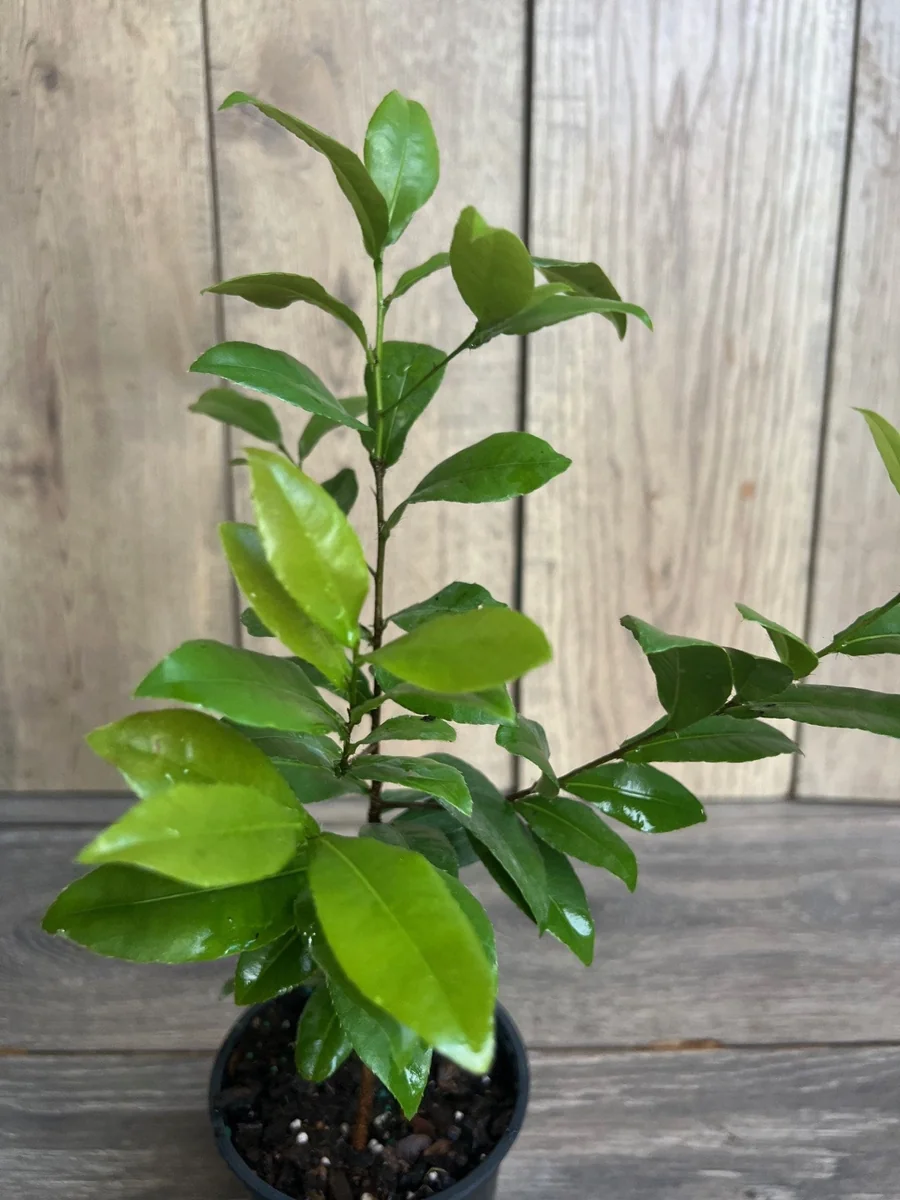
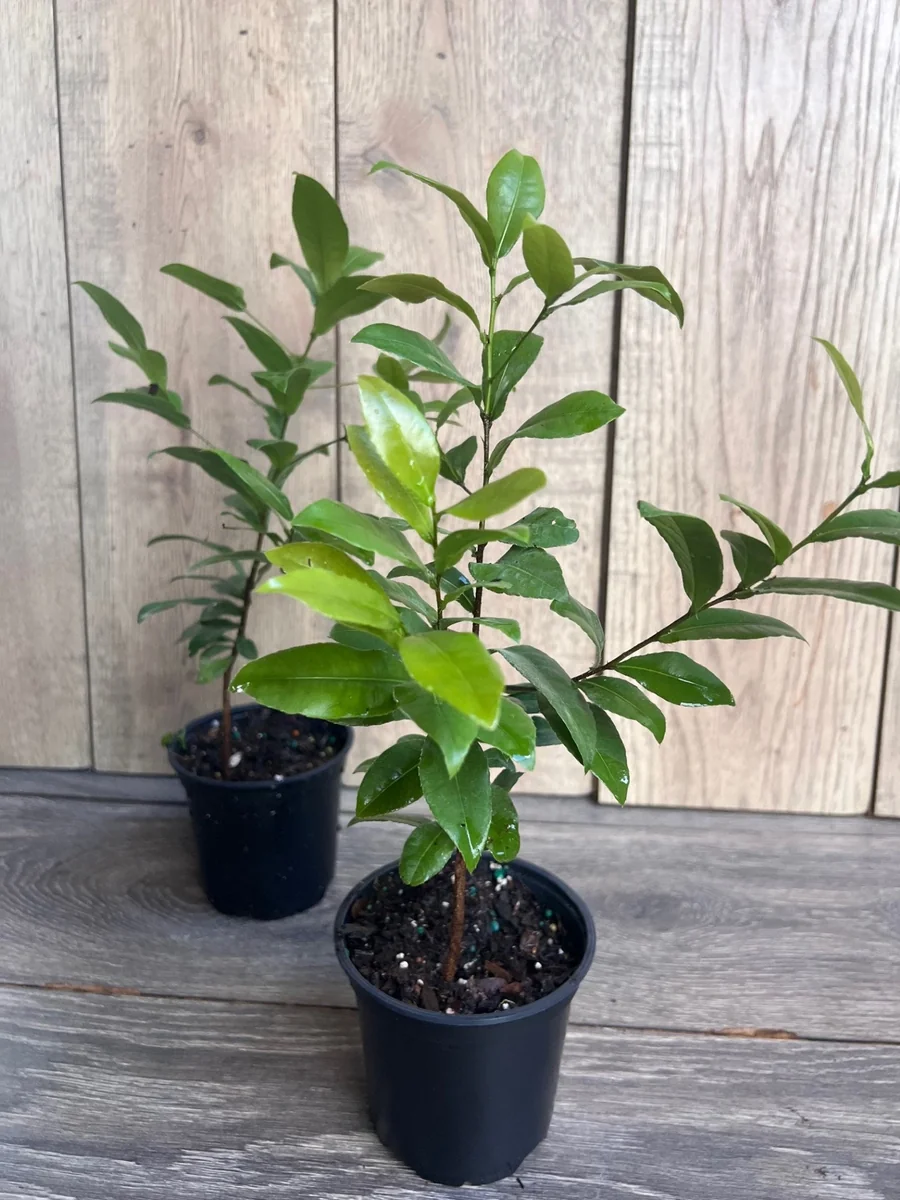
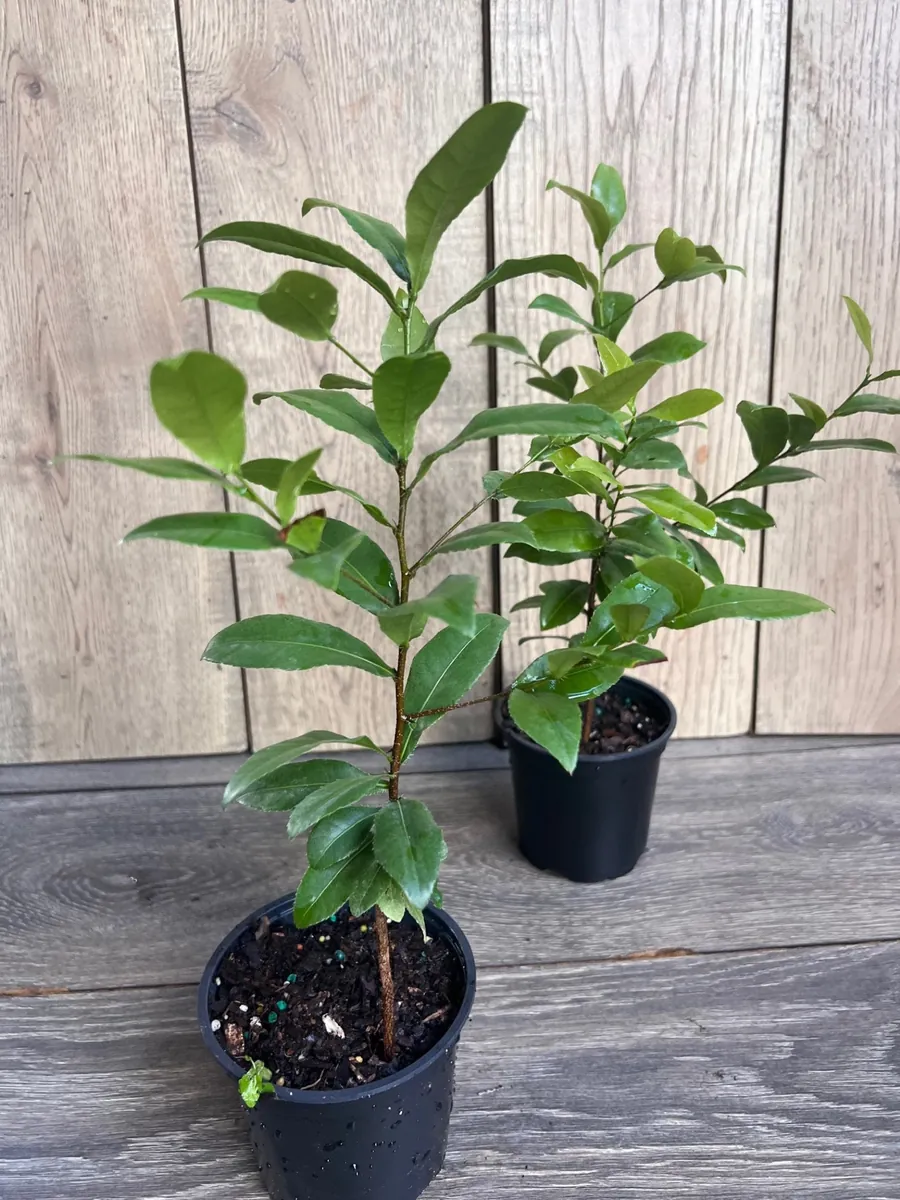
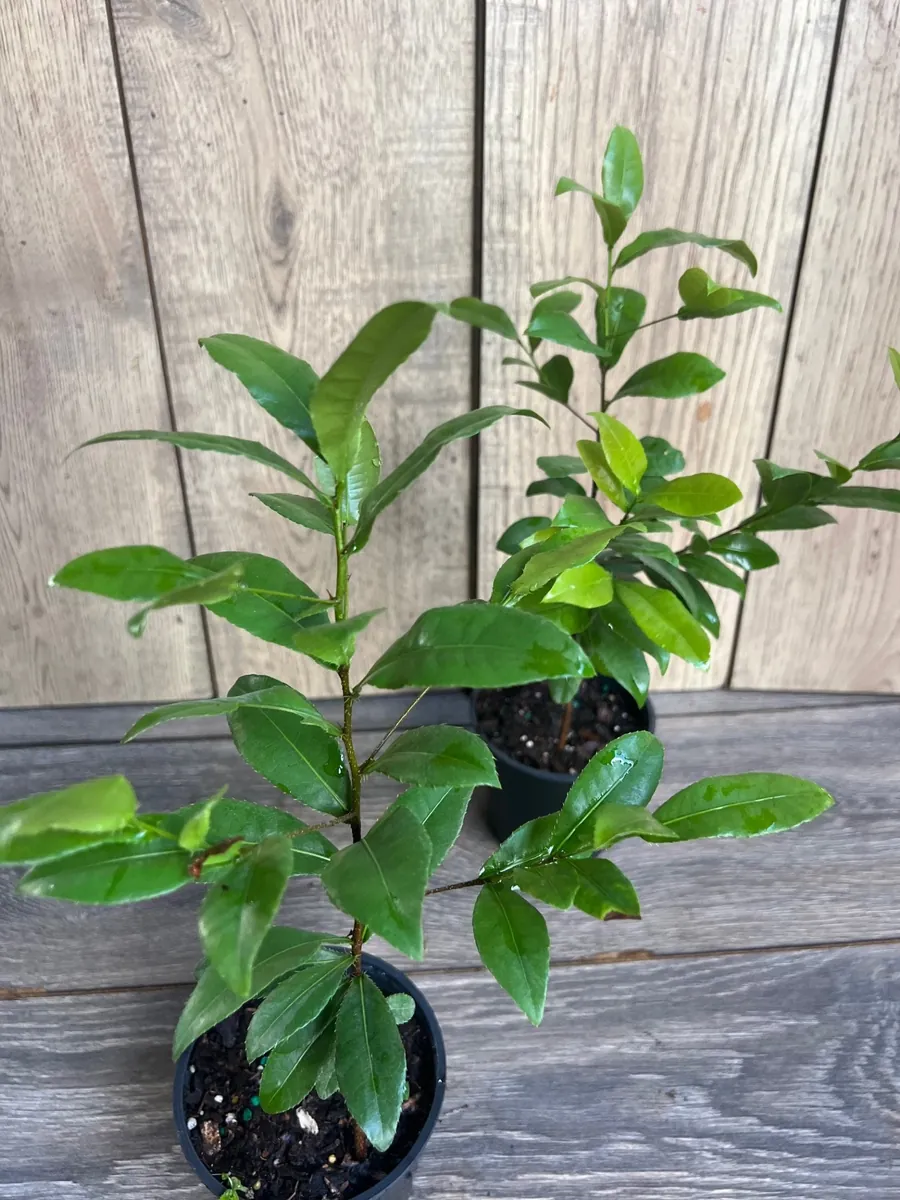
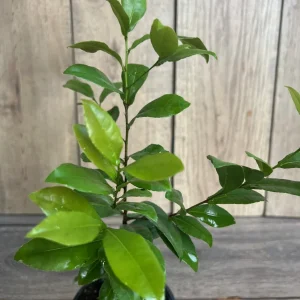
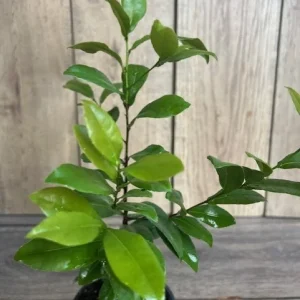
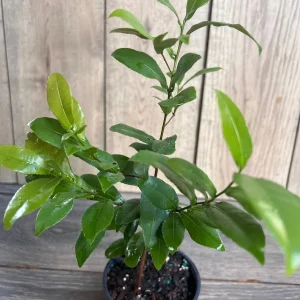
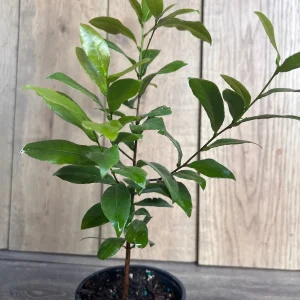
- Evergreen Foliage: Enjoy lush, deep green, glossy leaves year-round. The elliptical leaves have serrated edges, adding texture and a constant vibrant backdrop to your garden, even during cooler months.
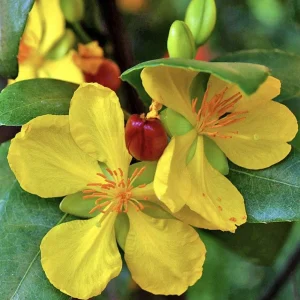
- Showy, Fragrant Flowers: In spring, the plant produces an abundance of bright yellow, perfumed flowers. These vibrant blooms attract pollinators and add a delightful fragrance to your outdoor space, enhancing the sensory experience of your garden.
- Versatile Landscaping Uses: The south african mickey mouse plant is incredibly adaptable. It can be used as an isolated specimen, planted in groups to form bushy borders, or even trimmed to create attractive hedges. It also thrives in pots, making it suitable for terraces, balconies, and smaller garden spaces.
- Drought Tolerance: Once established, Ochna serrulata can withstand short periods of drought, making it a relatively low-maintenance option for gardeners in areas with occasional water restrictions or those looking for water-wise plants.
- Coastal Garden Friendly: This plant is remarkably tolerant of coastal conditions, including salt spray, making it an excellent choice for seaside gardens where many other plants struggle to thrive.
- Low Maintenance: With basic care, this plant is easy to grow and maintain, requiring only regular watering and occasional fertilization and pruning to keep it healthy and vibrant. It’s an ideal choice for those seeking a rewarding plant without excessive demands.
Plant Care & Growing Tips
Caring for your mickey mouse plant is straightforward, ensuring it thrives and produces its charming flowers and fruits. This Ochna serrulata live plant prefers a balanced approach to watering and feeding to maintain its lush appearance. Understanding its needs will help you cultivate a robust and beautiful specimen that will be a highlight in your garden.
For optimal growth, the mickey mouse plant care routine should focus on consistent moisture and proper nutrition. Water regularly, ensuring the substrate remains slightly damp but never waterlogged. While it can tolerate short periods of drought, consistent moisture will promote healthier growth and more abundant blooms and fruits. Fertilize in the fall with a compost or manure base, and supplement with a mineral fertilizer every 15 days during the active growing seasons of spring and summer. This feeding schedule will provide the necessary nutrients for vibrant foliage and prolific flowering and fruiting. Pruning should be light and performed after the plant has produced fruit, typically in autumn, to maintain its shape and encourage new growth.
This evergreen shrub thrives in a variety of light conditions, from full sun to partial shade, making it adaptable to different garden aspects. It prefers well-draining soil and can reach up to 5 meters (approximately 16 feet) in height, though it can be kept smaller with regular pruning. The glossy, deep green leaves with serrated edges contribute to its attractive year-round display. When considering where to plant your south african mickey mouse plant, choose a location that allows for its mature size or plan to prune it to your desired dimensions. It’s a hardy plant that will reward you with its unique beauty for many years.
Size & Details
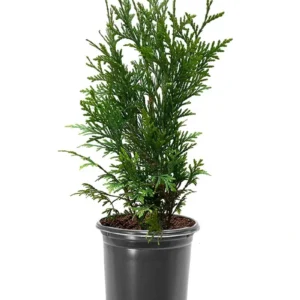
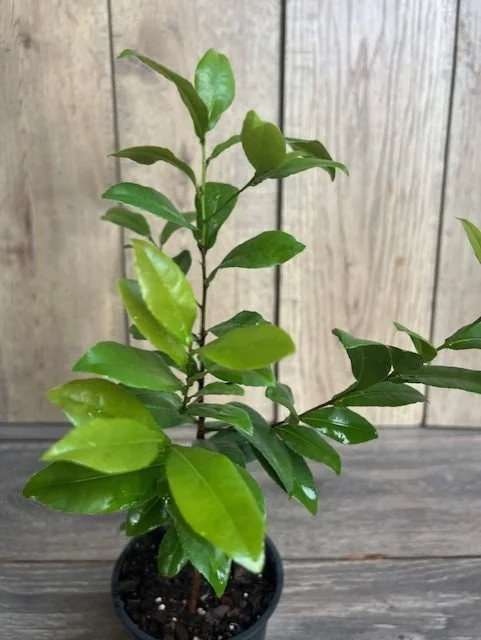
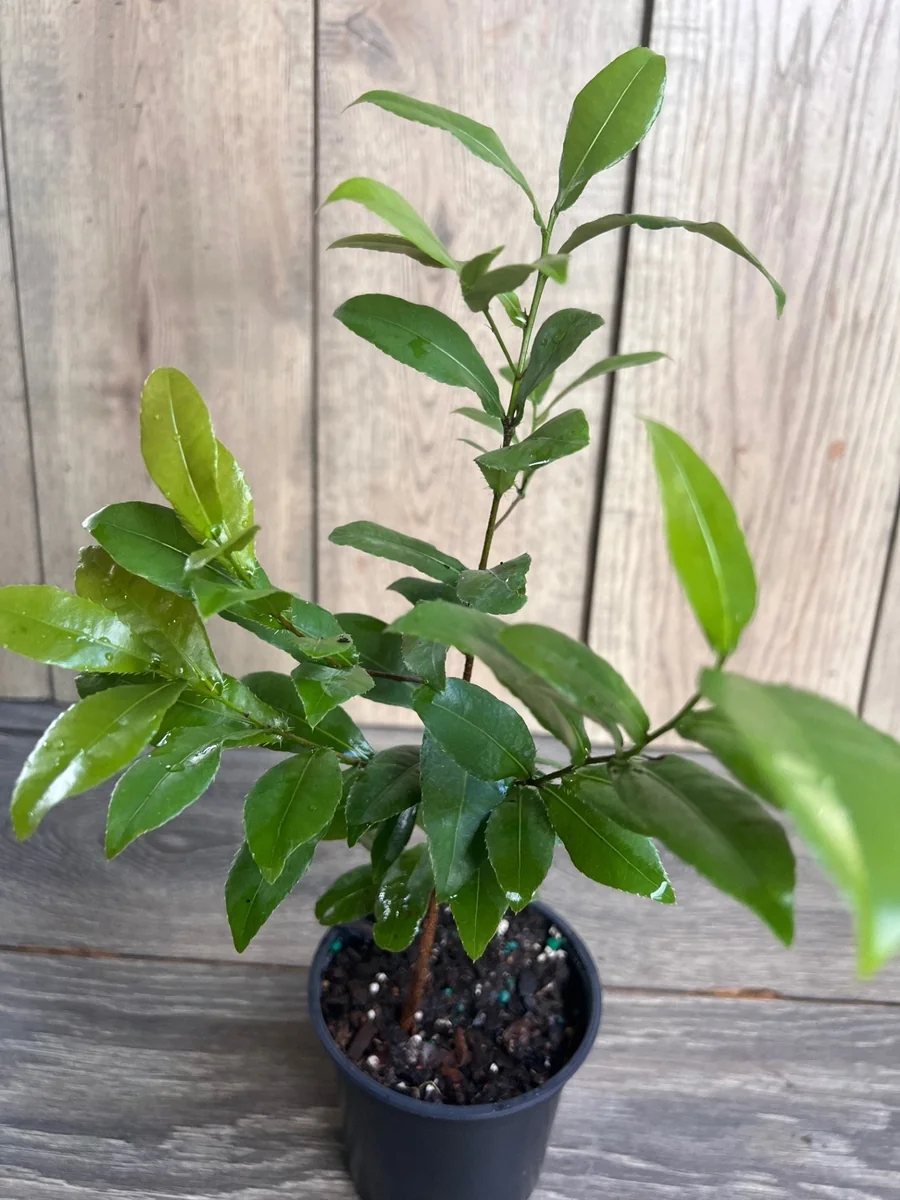
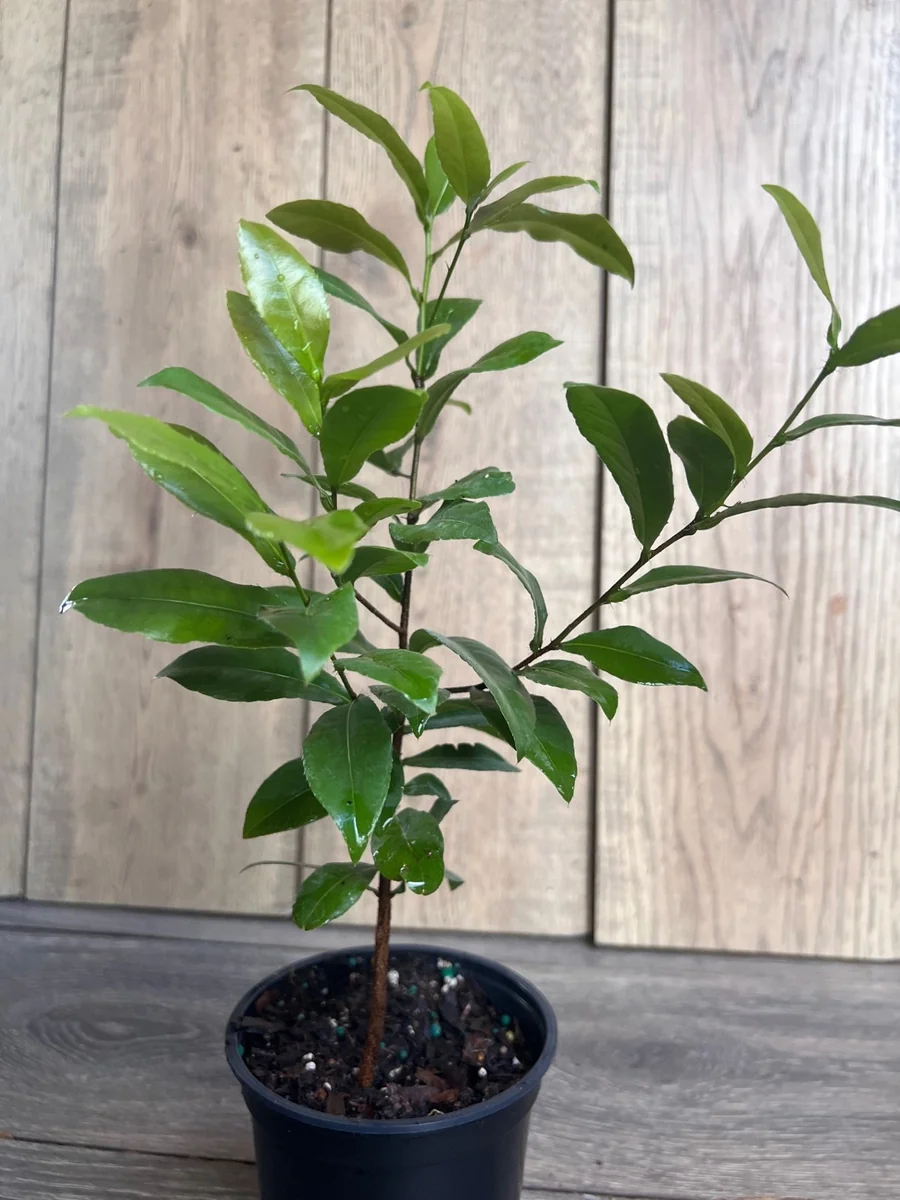
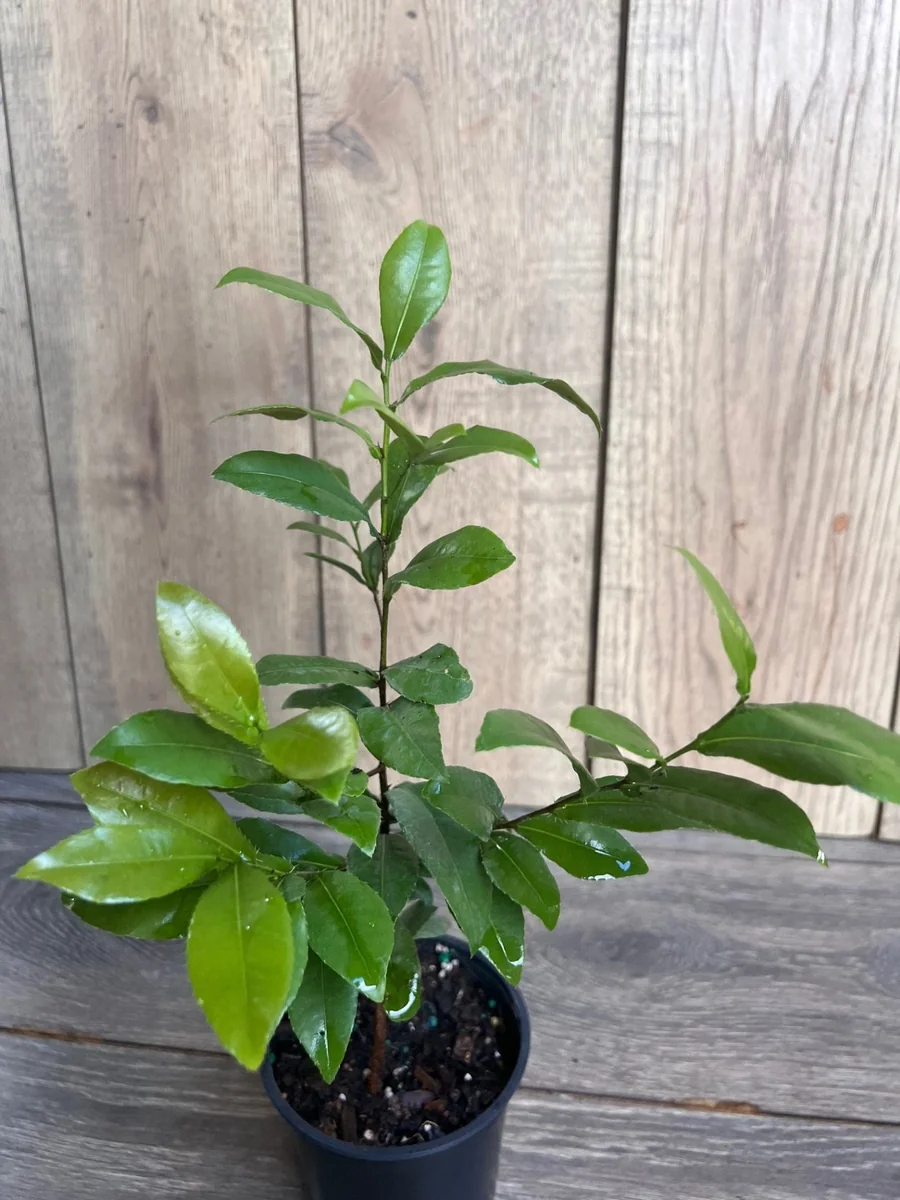
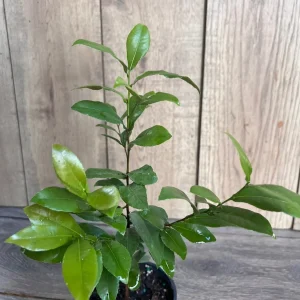
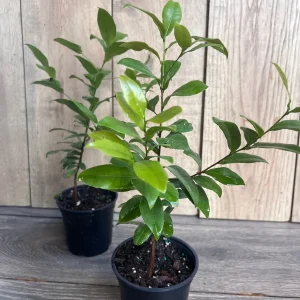
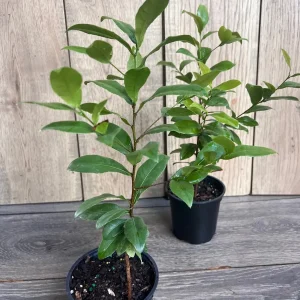
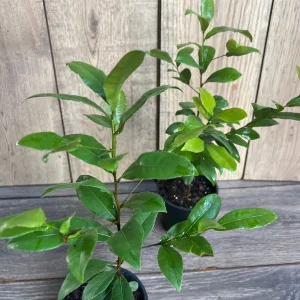
You will receive one Ochna serrulata live plant, commonly known as a mickey mouse plant, provided in a 4-inch nursery pot. This young shrub is ready to be transplanted into your garden, a larger container, or a patio pot. At maturity, this evergreen can reach up to 5 meters (approximately 16 feet) in height, forming a bushy, attractive specimen. Its growth rate is moderate, allowing you to enjoy its development over time. The plant’s showy yellow flowers typically bloom in spring, followed by the distinctive black, berry-shaped fruits that give it its charming common name.
The plant features glossy, deep green, elliptical leaves with serrated edges, providing consistent beauty throughout the year. It’s an excellent choice for creating hedges, as an isolated ornamental, or for adding character to terraces and balconies. Its resilience and striking appearance make it a valuable addition to diverse garden settings, especially coastal gardens. Expect a healthy, well-rooted plant ready to establish itself and begin its journey of growth and beauty in your care.
Frequently Asked Questions
- Q: How big does this plant get? A: The mickey mouse plant can reach up to 5 meters (approximately 16 feet) in height when mature, though its size can be managed with regular pruning. It forms a dense, bushy shrub.
- Q: What size pot does it come in? A: You will receive your Ochna serrulata live plant in a 4-inch nursery pot, perfectly sized for initial planting or transplanting into a larger container.
- Q: Is this an indoor or outdoor plant? A: The mickey mouse plant is primarily an outdoor plant, thriving in garden beds, as a hedge, or in large pots on patios and balconies. It is suitable for areas with mild winters.
- Q: How much sunlight does it need? A: This plant performs best in full sun to partial shade. Ensuring it receives adequate sunlight will promote abundant flowering and fruiting.
- Q: Is this plant easy to care for? A: Yes, the mickey mouse plant care is considered relatively easy. It requires regular watering to keep the soil moist, occasional fertilization, and light pruning after fruiting.
- Q: What condition will it arrive in? A: Your plant will arrive as a healthy, well-rooted live plant in its 4-inch nursery pot, carefully packaged to ensure safe transit. We strive to deliver the best quality Ochna serrulata live plant.
- Q: When is the best time to plant? A: While it can be planted year-round in suitable climates, spring and early summer are generally ideal times to plant the mickey mouse plant, allowing it to establish before extreme temperatures.
- Q: Will it survive winter in my zone? A: The south african mickey mouse plant is generally suited for warmer climates. It is hardy in USDA zones 9-11, where temperatures do not consistently drop below freezing.
- Q: What type of soil does it prefer? A: This plant thrives in well-draining soil. While adaptable, a rich, loamy soil with good drainage will provide the best environment for growth.
- Q: Does this plant attract wildlife? A: The showy yellow flowers can attract pollinators, and its ornamental black fruits may attract birds, adding to its garden appeal.


Reviews
There are no reviews yet.