Overview
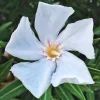
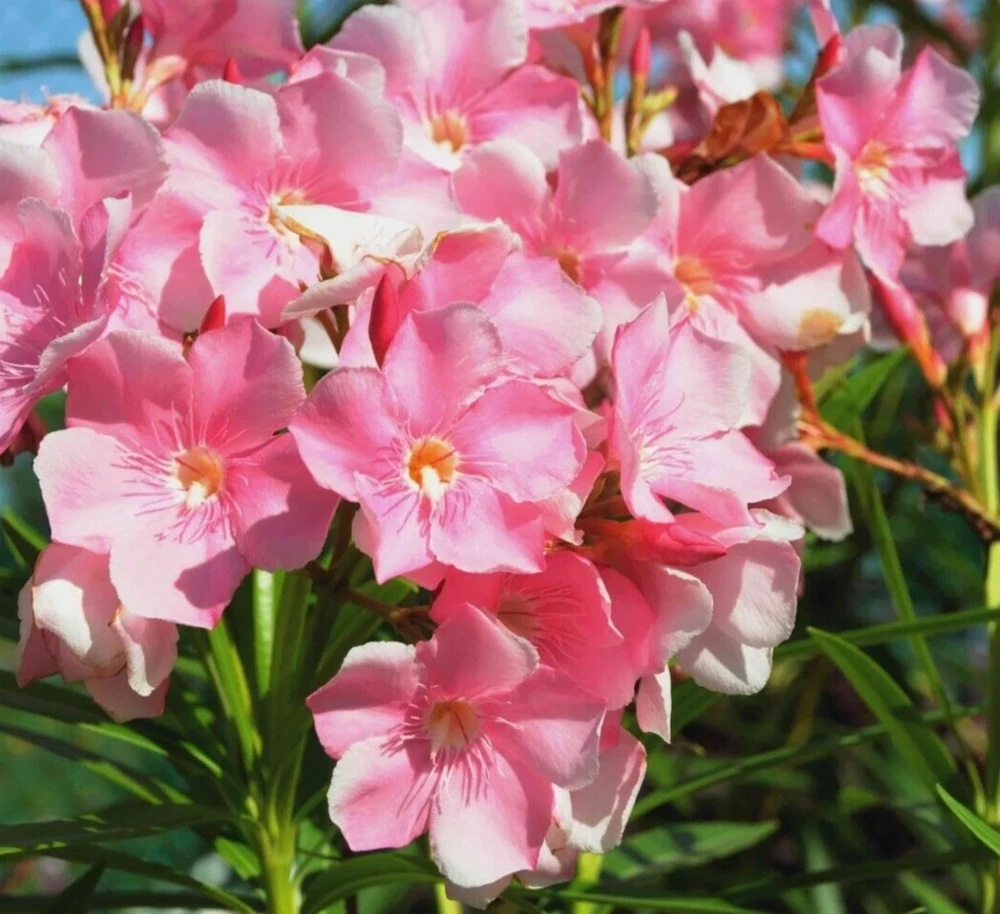
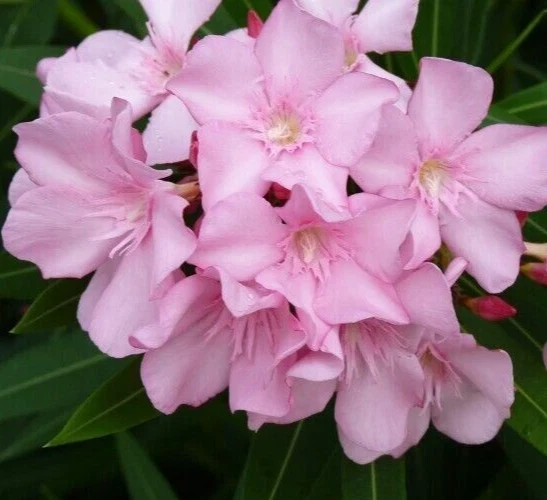
Introduce a touch of Mediterranean beauty to your garden with these exquisite pink oleander live cuttings. This offer includes a pack of seven 6-inch unrooted cuttings, ready for you to propagate and grow into stunning, full-sized shrubs. Oleander (Nerium oleander) is a popular choice for its vibrant, long-lasting blooms and resilient nature. These cuttings provide an economical and rewarding way to establish new plants, adding color and structure to your outdoor spaces. Known for their adaptability and striking appearance, oleanders are a favorite in many warm climates, offering continuous beauty through multiple seasons. Despite their beauty, it’s important to note that all parts of the oleander plant are toxic if ingested, so they should be planted in areas where children and pets are unlikely to come into contact with them.
The Oleander is a fast-growing, evergreen shrub that produces an abundance of delicate pink flowers. These pink oleander live cuttings are ideal for creating hedges, screens, or as specimen plants in your garden. They are particularly well-suited for areas with a warm climate, thriving in conditions that might be challenging for other plants. With a moderate growth rate, these cuttings will quickly establish themselves and begin to transform your landscape. Their broadleaf foliage provides year-round interest, ensuring your garden maintains its appeal even outside of blooming seasons.
Key Benefits
Growing pink oleander live cuttings offers numerous advantages for both novice and experienced gardeners. These plants are not only beautiful but also incredibly robust.
- Stunning Pink Blooms: Enjoy a profusion of lovely pink flowers from spring through fall, adding continuous color and visual interest to your garden. The vibrant hues create a cheerful and inviting atmosphere.
- Evergreen Foliage: The broadleaf foliage remains green year-round, providing consistent privacy and structure in your landscape, especially beneficial in climates where many plants defoliate in winter.
- Drought-Tolerant: Once established, these oleander plants require minimal watering, making them an excellent choice for xeriscaping or gardens in arid regions. This also means less maintenance for you.
- Fast-Growing & Resilient: These shrubs establish quickly and can reach a mature size relatively fast, allowing you to enjoy a mature garden sooner. They are known for their hardiness and ability to thrive in various conditions.
- Versatile Landscaping: Perfect for creating dense hedges, privacy screens, windbreaks, or as attractive specimen plants in mixed borders. Their climbing growth habit makes them adaptable to various garden designs.
- Attracts Pollinators: While the plant is toxic, its flowers can still attract beneficial pollinators like bees and butterflies to your garden, contributing to a healthy ecosystem.
- Adaptable to Various Climates: Thrives in Mediterranean, marine west coast, temperate, sub-tropical, humid subtropical, and tropical climates, demonstrating its wide range of adaptability. This makes growing oleander from cuttings a viable option for many regions.
Plant Care & Growing Tips
Successfully propagating and caring for your pink oleander live cuttings is a rewarding process. Begin by preparing a well-draining soil mix, ideally a blend of clay, loam, and peat, which will provide the necessary nutrients and aeration. Plant the unrooted cuttings in small pots filled with this mix, ensuring at least one node is buried in the soil. Keep the soil consistently moist but not waterlogged during the rooting phase, which can take several weeks. You can use rooting hormone to increase your chances of success, though oleanders are generally easy to root without it.
Once the cuttings have developed a strong root system and show signs of new growth, they can be transplanted to their permanent outdoor location. Oleanders thrive in full sun, requiring at least 6 hours of direct sunlight per day to produce the most abundant blooms. While they are drought-tolerant, young plants will benefit from regular watering until fully established. Mature plants prefer light watering, allowing the soil to dry slightly between waterings. Fertilize sparingly, as too much nitrogen can encourage foliage growth at the expense of flowers. A balanced, slow-release fertilizer in spring is usually sufficient.
Oleanders are generally hardy and can tolerate various climates, from temperate to tropical. However, they are sensitive to hard freezes. In colder zones, they can be grown in containers and brought indoors during winter or treated as annuals. Pruning is essential for maintaining shape and encouraging bushier growth. The best time to prune is after the main flowering period. Watch out for common pests like aphids and scale insects, and treat them with organic insecticidal soap if necessary. By following these guidelines, your drought tolerant shrubs will flourish and provide years of enjoyment.
Size & Details
This offering includes seven individual pink oleander live cuttings, each measuring approximately 6 inches in length. These are unrooted cuttings, meaning they do not yet have an established root system and will require propagation upon arrival. Oleander plants exhibit a climbing growth habit and a medium growth rate, allowing them to fill out spaces effectively in your garden over time. When mature, these plants can reach significant sizes, making them excellent choices for hedges, screens, or large garden beds. They are known for their evergreen nature, providing continuous foliage and interest throughout the year.
The cuttings are ready for immediate propagation, and with proper care, they will develop into robust plants. Expect the first blooms to appear once the plant is well-established, typically within the first year or two, with flowering seasons extending through spring, summer, and fall. The plant’s foliage is broadleaf, contributing to its dense and lush appearance. These organic, perennial plants are a wonderful addition to any garden, particularly for those seeking low-maintenance yet visually impactful landscaping solutions. They are also suitable for various soil types, including clay, loam, and peat, as long as good drainage is provided.
Frequently Asked Questions
- Q: How big do these pink oleander live cuttings get when mature? A: When mature, oleander plants can grow quite large, often reaching heights of 6 to 12 feet and spreads of 6 to 10 feet, depending on the climate and growing conditions. Their climbing growth habit allows them to be trained as small trees or large shrubs.
- Q: Is this an indoor or outdoor plant? A: Oleanders are primarily outdoor plants, thriving in full sun. While they can be overwintered indoors in colder climates, they prefer to be grown in an outdoor environment where they can receive ample sunlight and air circulation.
- Q: How much sunlight does an oleander plant need? A: Oleanders require full sun exposure, meaning at least 6 hours of direct sunlight per day, to produce the most vibrant blooms and healthy growth. They can tolerate some partial shade but may have fewer flowers.
- Q: Is this plant easy to care for? Is it good for beginners? A: Yes, oleanders are generally considered easy to care for, especially once established. Their drought tolerance and adaptability make them suitable for beginners who want a beautiful yet low-maintenance plant. Propagating growing oleander from cuttings is also a relatively straightforward process.
- Q: What condition will the cuttings arrive in? A: The product consists of 7 unrooted, 6-inch pink oleander live cuttings. They will arrive fresh and ready for you to begin the rooting process. You will need to provide your own rooting medium and care.
- Q: When is the best time to plant these cuttings? A: The best time to plant oleander cuttings is typically in the spring or early summer when temperatures are consistently warm. This provides the best conditions for rooting and establishment before colder weather sets in.
- Q: Will these evergreen flowering plants survive winter in my zone? A: Oleanders are hardy in USDA Zones 8-10. In zones with milder winters, they will remain evergreen. In colder zones, they may experience some dieback but often recover from the roots in spring if protected. For zones colder than 8, consider growing them in containers to move indoors.
- Q: What kind of soil is best for oleander? A: Oleanders are adaptable to various soil types, including clay, loam, and peat, as long as the soil is well-draining. They do not tolerate consistently wet feet, so good drainage is crucial for their health.
- Q: Are these plants considered fast-growing? A: Yes, oleanders are known for their fast to medium growth rate. With optimal conditions, these evergreen flowering plants can establish and grow quite quickly, making them a great choice for quickly filling landscape spaces.
- Q: What are the benefits of choosing drought tolerant shrubs like oleander? A: Choosing drought-tolerant shrubs like oleander helps conserve water, reduces the need for frequent irrigation, and makes your garden more resilient to dry spells. This contributes to a more sustainable and low-maintenance landscape.


Reviews
There are no reviews yet.