Overview
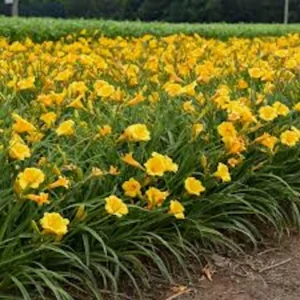
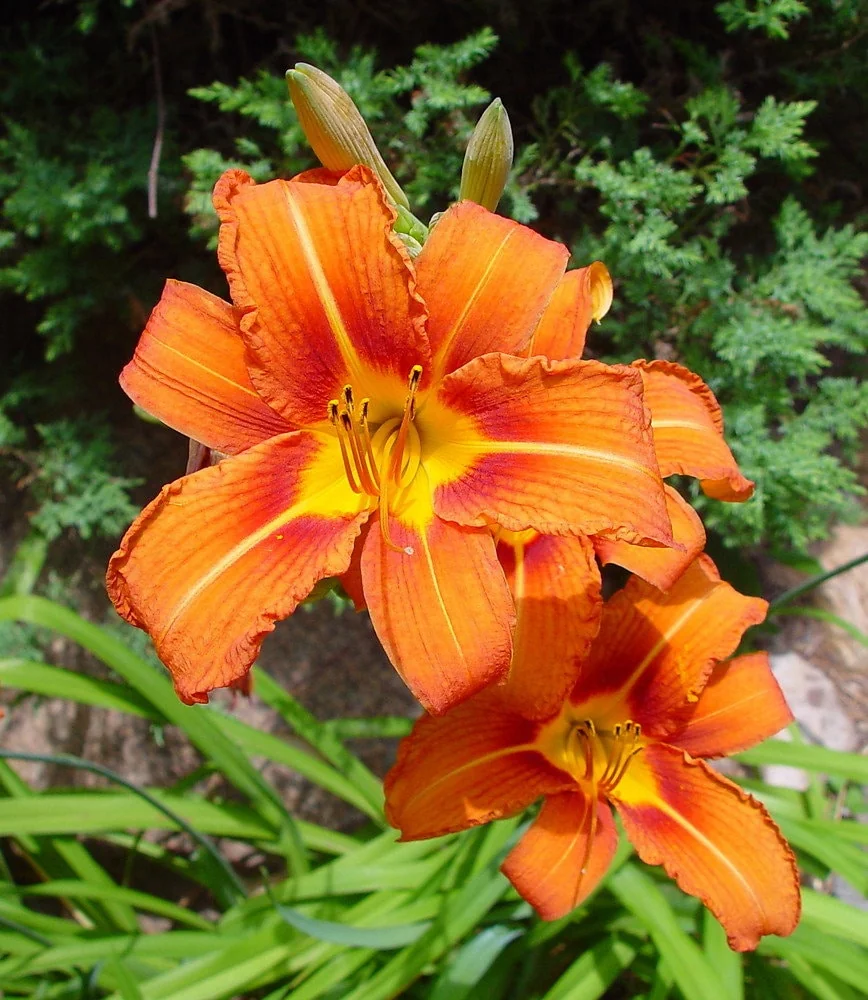
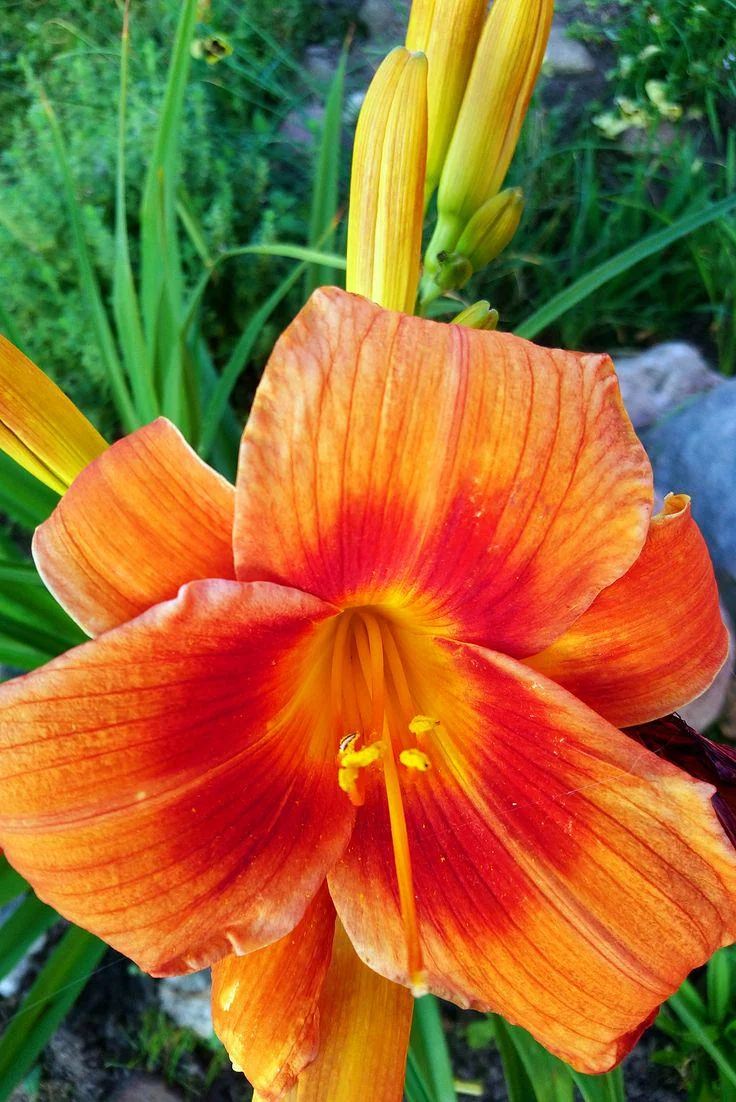
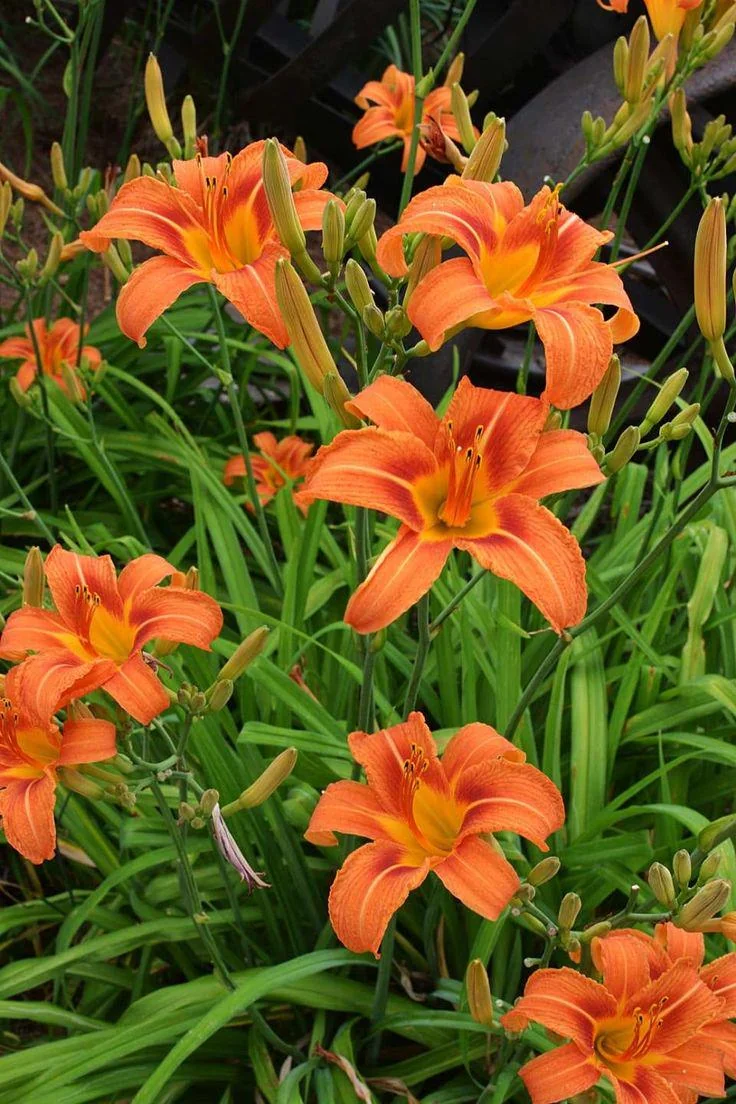
Transform your garden with the resilient and beautiful orange daylily bare-root plant, scientifically known as Hemerocallis fulva. This robust perennial is celebrated for its stunning, large orange blooms that bring a cheerful burst of color to any outdoor space. Often referred to as the wild daylily due to its naturalizing tendencies, it’s an excellent choice for gardeners seeking both beauty and ease of care. Our orange daylily bare-root plants are shipped ready to be planted, ensuring a strong start for a thriving garden addition. This particular variety is known for its ability to adapt to various soil conditions and its rapid spread, making it ideal for filling large areas or establishing a naturalized look. Discover the joy of growing this classic garden favorite that promises a spectacular display year after year.
The Hemerocallis fulva plant is a versatile and visually appealing perennial that stands out with its sword-like leaves and towering flower scapes. It’s not just a beautiful flower; it’s also a plant that contributes to a healthy garden ecosystem, attracting pollinators and providing ground cover to deter weeds. Its naturalizing habit means it will spread and establish itself, creating impressive clumps of foliage and flowers. Embrace the charm and hardiness of the orange daylily bare-root for a garden that truly comes alive with minimal effort.
Key Benefits
The orange daylily bare-root offers a multitude of benefits for both novice and experienced gardeners. Its adaptability and striking appearance make it a valuable addition to diverse garden designs. Experience the delight of its vibrant blooms and the convenience of its low-maintenance nature.
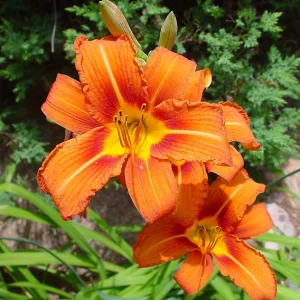
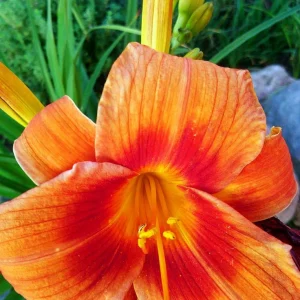
- Vibrant, Striking Blooms: Enjoy up to 5-inch diameter orange blooms that provide a spectacular visual impact. These showy flowers create a focal point in any garden, drawing the eye with their rich, warm hue.
- Low Maintenance: This Hemerocallis fulva plant requires minimal care once established. It tolerates a range of soil conditions and only needs moderate watering, making it perfect for busy gardeners.
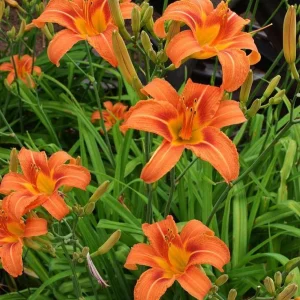
- Rapid Naturalization: Spreads easily by rhizomes, allowing it to naturalize quickly and fill in garden spaces. This makes it an excellent choice for mass plantings or covering larger areas with lush foliage and flowers.
- Versatile Garden Use: Ideal for perennial borders, butterfly gardens, pollinator gardens, and even drought-tolerant landscapes. The orange daylily bare-root can also help slow erosion on slopes due to its spreading root system.
- Weed Suppression: When not in bloom, the dense clumps of foliage effectively crowd out weeds, reducing the need for constant weeding and providing a neat appearance to your garden beds.
- Wildlife Attraction: Its bold flowers attract essential pollinators like butterflies, contributing to a healthy garden ecosystem. This makes it a great choice for those interested in creating an eco-friendly outdoor space.
- Adaptable to Poor Soil: While preferring well-drained soil, this hardy plant tolerates less-than-ideal soil conditions, showcasing its resilience and ease of growth in various environments.
Plant Care & Growing Tips
Caring for your orange daylily bare-root is straightforward, ensuring a rewarding gardening experience. These plants are known for their resilience and ability to thrive with basic attention. Understanding their needs will help you achieve the most vibrant blooms and robust growth from your wild daylily.
For sunlight, the Hemerocallis fulva plant performs best in full sun to partial shade. Full sun (at least 6 hours of direct sunlight per day) will generally result in the most abundant blooms, but it will still flower well in partial shade, especially in hotter climates where some afternoon protection can prevent scorching. When it comes to watering, moderate requirements are the norm. While established plants are tolerant of some drought, regular watering during dry spells, especially when the plant is establishing or blooming, will promote healthier growth and more prolific flowering. The soil should be average and well-drained; however, this daylily is notably tolerant of poor soil conditions. Good drainage is key to prevent root rot.
The daylily plant care routine also includes attention to temperature and hardiness. The orange daylily bare-root is incredibly hardy and suitable for a wide range of USDA zones, typically thriving in zones 3-9. It can withstand both cold winters and hot summers. Fertilization is generally not heavily required; an annual application of a balanced slow-release fertilizer in early spring is usually sufficient to support vigorous growth and blooming. Division every few years, especially when clumps become too dense, can rejuvenate the plant and is an excellent way for propagation. Watch out for common pests like aphids or thrips, which can be managed with organic insecticidal soaps if necessary. Overall, the outdoor perennial plant is an excellent choice for a low-fuss, high-impact garden.
Size & Details
Our orange daylily bare-root plants are shipped as dormant bare roots, ensuring they establish quickly and vigorously in your garden. Once planted, these robust perennials will form large clumps, with sword-like leaves providing an attractive textural element even when not in bloom. The flower scapes rise impressively, reaching heights of up to 6 feet tall, showcasing their vibrant orange flowers prominently above the foliage. Individual blooms are striking, often measuring up to 5 inches in diameter, creating a dramatic display. This Hemerocallis fulva plant is known for its rapid growth rate and ability to naturalize, spreading effectively by rhizomes to create broad patches of color and greenery. Expect blooms to appear from late spring through summer, providing a long season of interest. The ease of establishment from a bare-root form makes this an excellent value for gardeners looking to quickly enhance their landscape with a reliable and beautiful perennial.
Frequently Asked Questions
- Q: How big does this orange daylily bare-root plant get? A: The flower scapes of the orange daylily bare-root can reach impressive heights of up to 6 feet tall, while the foliage forms substantial clumps that spread rapidly by rhizomes. Individual blooms are typically up to 5 inches in diameter.
- Q: Is this an indoor or outdoor plant? A: The Hemerocallis fulva plant is an outdoor perennial. It is incredibly hardy and thrives in garden beds, borders, and naturalized areas, not typically grown as an indoor houseplant.
- Q: How much sunlight does the orange daylily need? A: This plant prefers full sun to partial shade. For the best bloom production, aim for at least 6 hours of direct sunlight per day. It will tolerate some afternoon shade, especially in very hot climates.
- Q: Is this plant easy to care for? Is it good for beginners? A: Yes, the orange daylily bare-root is exceptionally easy to care for and is an excellent choice for beginners. It is known for its low maintenance requirements, adaptability, and resilience, making daylily plant care a breeze.
- Q: What condition will the bare-root plant arrive in? A: Your orange daylily bare-root will arrive dormant, meaning it will not have leaves or blooms, ready for planting. This ensures a strong start as the plant focuses its energy on developing a robust root system once planted.
- Q: When is the best time to plant the orange daylily bare-root? A: The best time to plant bare-root daylilies is in early spring or late fall when the plant is dormant. This allows the roots to establish before the stress of summer heat or winter cold.
- Q: Will this outdoor perennial plant survive winter in my zone? A: The orange daylily bare-root is very cold hardy, typically thriving in USDA Zones 3-9. It is well-adapted to surviving cold winters and will re-emerge vigorously in spring.
- Q: Can the orange daylily help with erosion control? A: Yes, its spreading rhizomatous root system makes it an effective plant for stabilizing soil on slopes and helping to slow or halt erosion. It’s a functional and beautiful choice for such areas.
- Q: Does this wild daylily attract pollinators? A: Absolutely! The vibrant and large blooms of the wild daylily are very attractive to various pollinators, including butterflies, making it a great addition to a pollinator-friendly garden.
- Q: How often should I divide my daylily clumps? A: To maintain vigor and encourage prolific blooming, it’s generally recommended to divide established clumps of your Hemerocallis fulva plant every 3-5 years, or when you notice a decrease in flowering.


Reviews
There are no reviews yet.