Overview
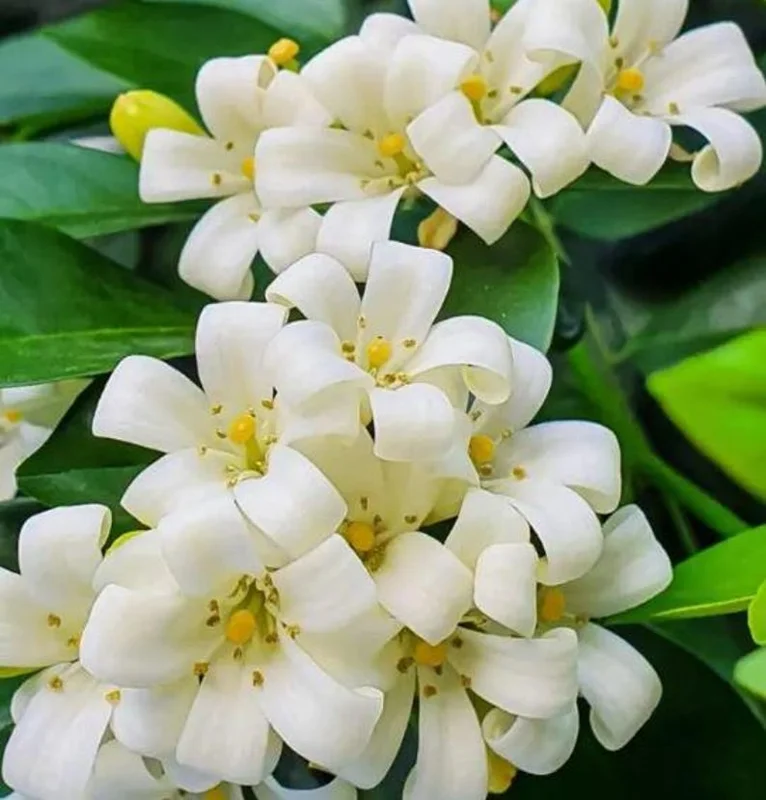
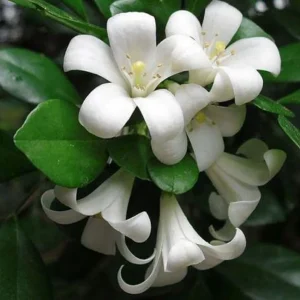
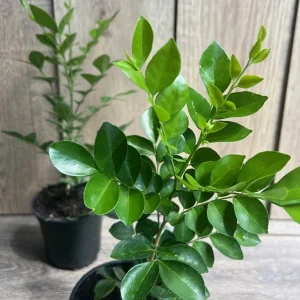
Introduce a touch of tropical elegance and an intoxicating fragrance to your environment with the exquisite orange jasmine live plant. This vibrant shrub, scientifically known as Murraya paniculata, is celebrated for its lush, dark green foliage and clusters of small, highly perfumed white flowers that resemble miniature orange blossoms. Originating from Southeast Asia, this plant is a favorite among gardeners and plant enthusiasts for its ornamental value and delightful aroma. Our offering is a robust one gallon plant, ensuring a well-established root system and a ready-to-thrive specimen that can quickly adapt to its new home. Whether you’re looking to create a fragrant hedge, a stunning container plant, or a captivating specimen for your indoor collection, the murraya paniculata is an excellent choice. It’s an evergreen shrub that provides year-round beauty and a consistent source of its lovely scent, especially during its blooming periods.
Key Benefits
The orange jasmine live plant offers a multitude of benefits, making it a highly desirable addition to any garden or indoor space. Its versatile nature and charming characteristics contribute to its widespread appeal, providing both aesthetic and sensory pleasure.
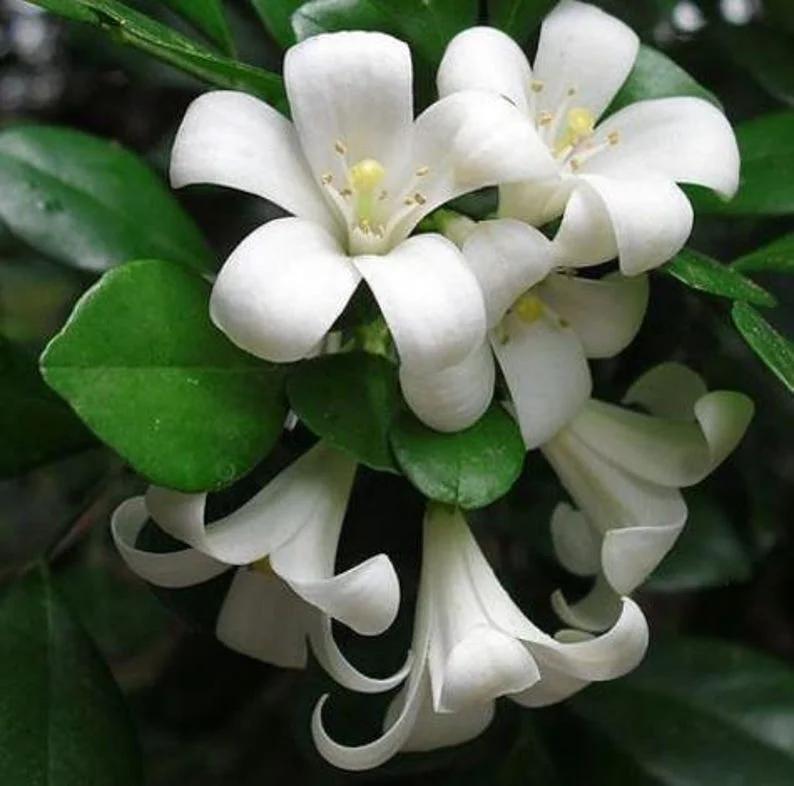
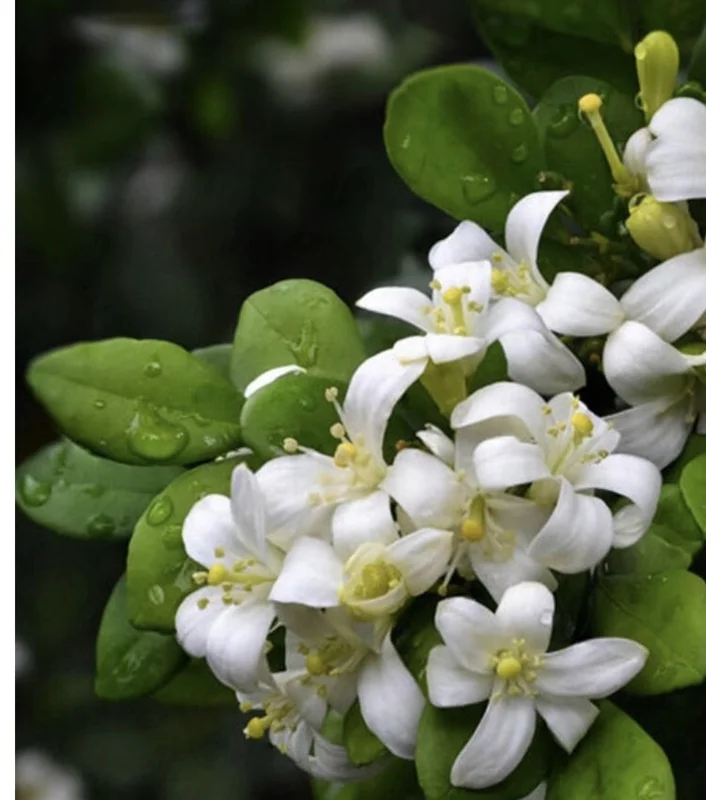
- Exquisite Fragrance: The most notable feature of the murraya paniculata is its incredibly sweet and citrusy fragrance. The small white flowers release an enchanting aroma, particularly strong in the evenings, which can perfume an entire room or garden area. This natural air freshener creates a soothing and inviting atmosphere.
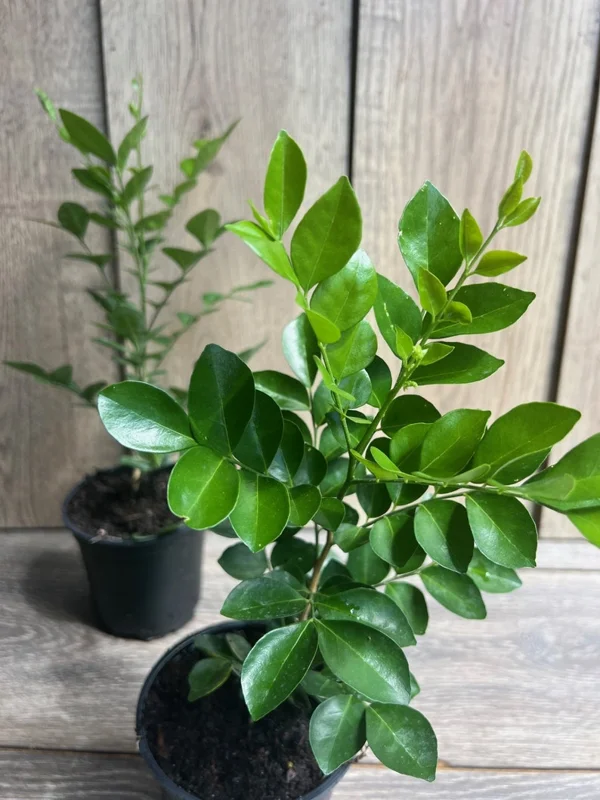
- Year-Round Greenery: As an evergreen shrub, the orange jasmine live plant maintains its glossy, dark green foliage throughout the year. This provides continuous visual appeal, adding structure and color even when not in bloom, making it a reliable backdrop or focal point.
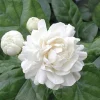
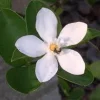
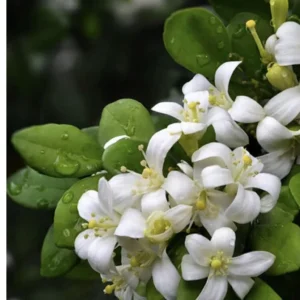
- Attractive Blooms: While small, the pure white, star-shaped flowers are abundant and appear in clusters. These prolific blooms add a delicate beauty to the plant, contrasting beautifully with the deep green leaves. They often rebloom multiple times a year under ideal conditions.
- Versatile Landscaping: This plant is incredibly adaptable and can be used in various landscaping applications. It can be pruned into a formal hedge, grown as a standalone specimen, shaped into a topiary, or kept in containers on patios, balconies, or indoors. Its compact growth habit makes it suitable for smaller spaces as well.
- Low Maintenance: Once established, the orange jasmine live plant is relatively easy to care for, requiring moderate watering and occasional feeding. It tolerates a range of soil conditions and is generally pest-resistant, making it a good option for both experienced and novice gardeners.
- Wildlife Attraction: The fragrant flowers attract pollinators such as bees and butterflies, contributing to the biodiversity of your garden. The small red-orange berries that follow the flowers can also attract birds, adding further life and movement to your outdoor space.
- Indoor Adaptability: For those in cooler climates, the indoor orange jasmine thrives as a potted houseplant. Its ability to tolerate indoor conditions while still producing fragrant blooms makes it a popular choice for brightening up living spaces and bringing a touch of the tropics inside.
Plant Care & Growing Tips
Caring for your orange jasmine live plant is straightforward, and with the right conditions, it will reward you with lush foliage and fragrant blooms. This plant thrives in warm, humid environments, making it a popular choice for subtropical and tropical regions, but it can also be successfully grown indoors in cooler climates. Ensure your one gallon plant gets plenty of bright, indirect light when indoors, or partial to full sun when outdoors. Aim for at least 4-6 hours of direct sunlight if possible, especially if you want abundant flowering. However, in very hot climates, some afternoon shade can prevent leaf scorch.
When it comes to watering, the orange jasmine live plant prefers consistently moist soil but dislikes being waterlogged. Water thoroughly when the top inch of soil feels dry to the touch, and allow excess water to drain away. Reduce watering slightly during cooler months. For soil, a well-draining, fertile potting mix is ideal. If planting in the ground, amend heavy clay soils with organic matter to improve drainage. This plant generally thrives in temperatures between 65-85°F (18-29°C) and can tolerate brief dips to 40°F (4°C), making it suitable for USDA zones 9-11 outdoors. Indoors, protect it from cold drafts and sudden temperature fluctuations. Fertilize every 2-4 weeks during the growing season (spring and summer) with a balanced liquid fertilizer, reducing frequency in fall and winter. Pruning can be done to maintain shape, size, or to encourage bushier growth and more flowers. Watch out for common pests like spider mites and mealybugs, especially indoors, and treat promptly with horticultural oil or insecticidal soap. Providing adequate humidity, particularly for indoor orange jasmine, can help prevent pest issues and keep the foliage healthy.
Size & Details
This offering is for one robust orange jasmine live plant, delivered to you in a one gallon plant nursery pot. At the time of shipping, the plant typically stands about 10-18 inches tall, depending on growth and pruning. When mature, the murraya paniculata can reach heights of 6-10 feet and a similar spread if left unpruned in ideal outdoor conditions. However, it responds very well to pruning and can be easily maintained at a smaller size, making it suitable for hedges, container gardening, or as an indoor orange jasmine specimen. The plant exhibits a moderate growth rate, allowing it to establish quickly while remaining manageable. Expect multiple flushes of fragrant white flowers throughout the year, especially in warmer climates or when grown indoors under optimal conditions. The plant is shipped fully rooted in its container, ready for transplanting into a larger pot or directly into your garden, ensuring a smooth transition and continued healthy growth.
Frequently Asked Questions
- Q: How big does this orange jasmine live plant get? A: If left unpruned in ideal outdoor conditions, it can grow 6-10 feet tall and wide. However, it can be easily maintained at a smaller size through regular pruning, making it versatile for various spaces.
- Q: What size pot does it come in? A: This murraya paniculata is shipped in a one gallon plant nursery pot, providing a healthy and established root system ready for transplanting.
- Q: Is this an indoor or outdoor plant? A: The orange jasmine live plant is highly versatile. It thrives outdoors in USDA zones 9-11 and can be grown as an indoor orange jasmine in all other climates, provided it receives adequate light and care.
- Q: How much sunlight does it need? A: It prefers bright, indirect light to full sun. For best flowering, aim for at least 4-6 hours of direct sunlight daily, though some afternoon shade is beneficial in very hot climates.
- Q: Is this plant easy to care for? A: Yes, once established, the orange jasmine live plant is considered relatively low-maintenance. It requires consistent watering, good drainage, and occasional feeding.
- Q: What condition will it arrive in? A: Your one gallon plant will arrive well-packaged, fully rooted in its nursery pot, and ready for you to acclimate and transplant. We take great care to ensure healthy delivery.
- Q: When is the best time to plant? A: For outdoor planting, spring or early fall is ideal. If growing as an indoor orange jasmine, it can be transplanted any time of year.
- Q: Will it survive winter in my zone? A: Outdoors, it is hardy in USDA zones 9-11. In colder zones, it must be brought indoors or provided with winter protection to survive the cold.
- Q: What does the flower smell like? A: The flowers of the orange jasmine live plant emit a strong, sweet, and citrusy fragrance, often compared to orange blossoms or honeysuckle.
- Q: Does this plant produce fruit? A: Yes, after flowering, the murraya paniculata produces small, oval, red-orange berries that are attractive to birds, though not typically consumed by humans.


Reviews
There are no reviews yet.