




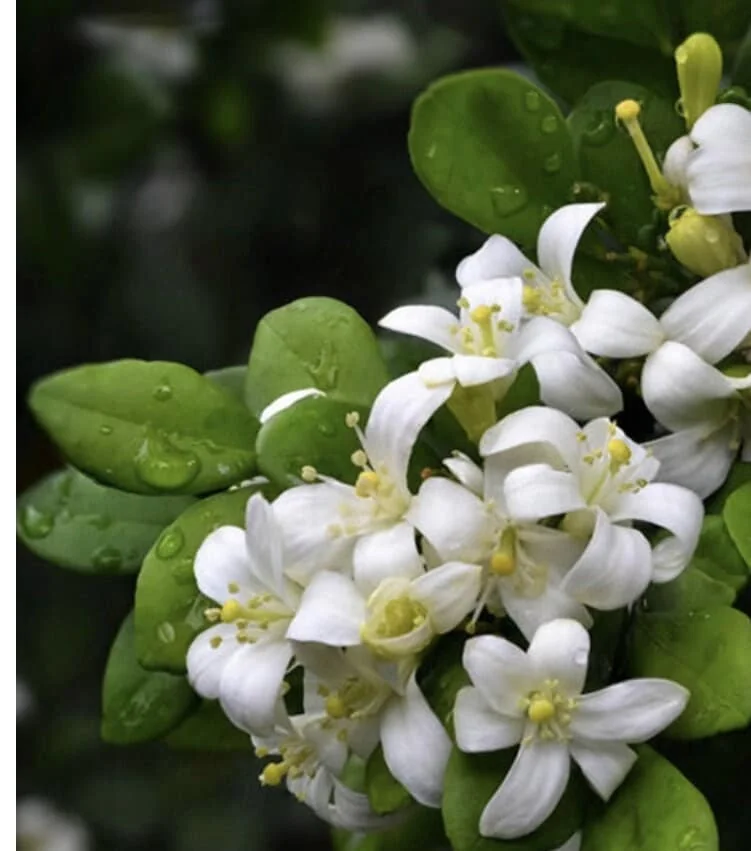
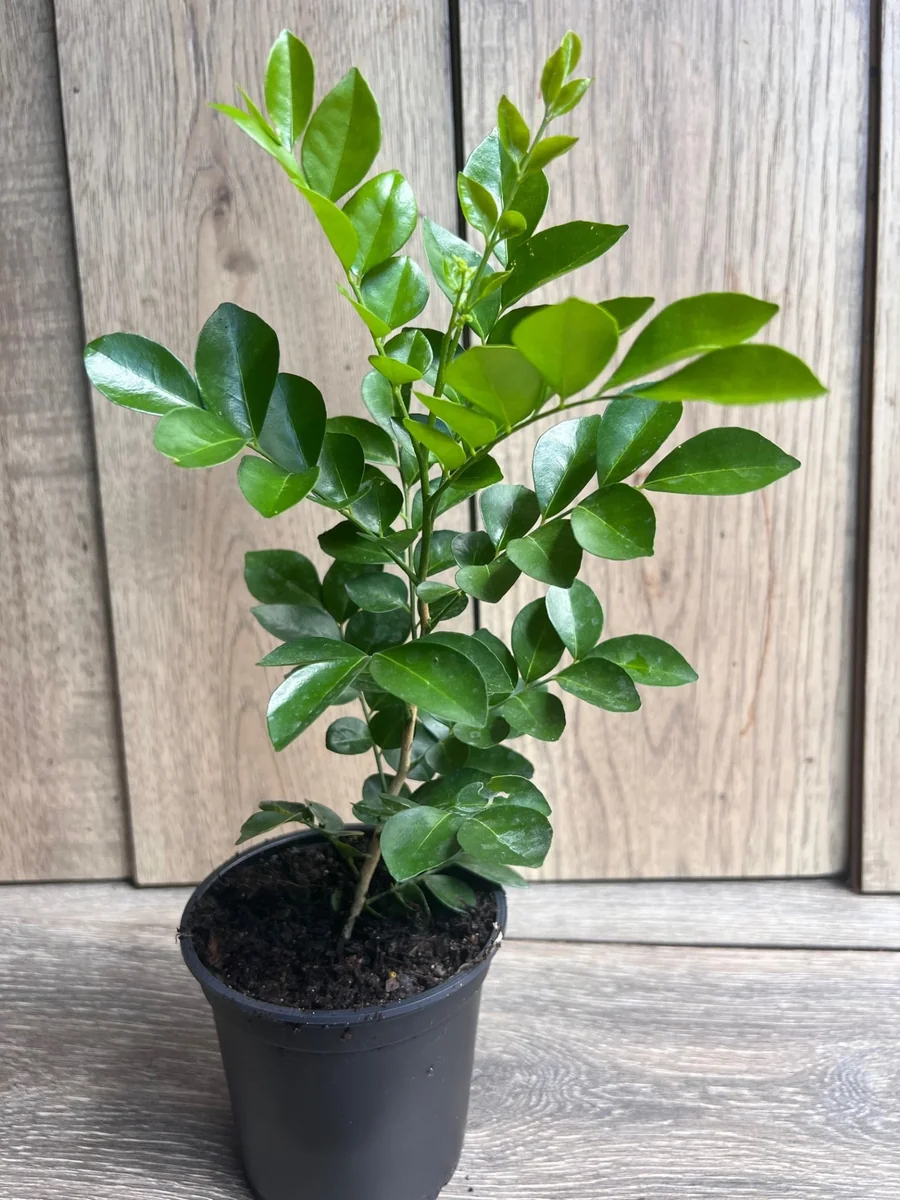
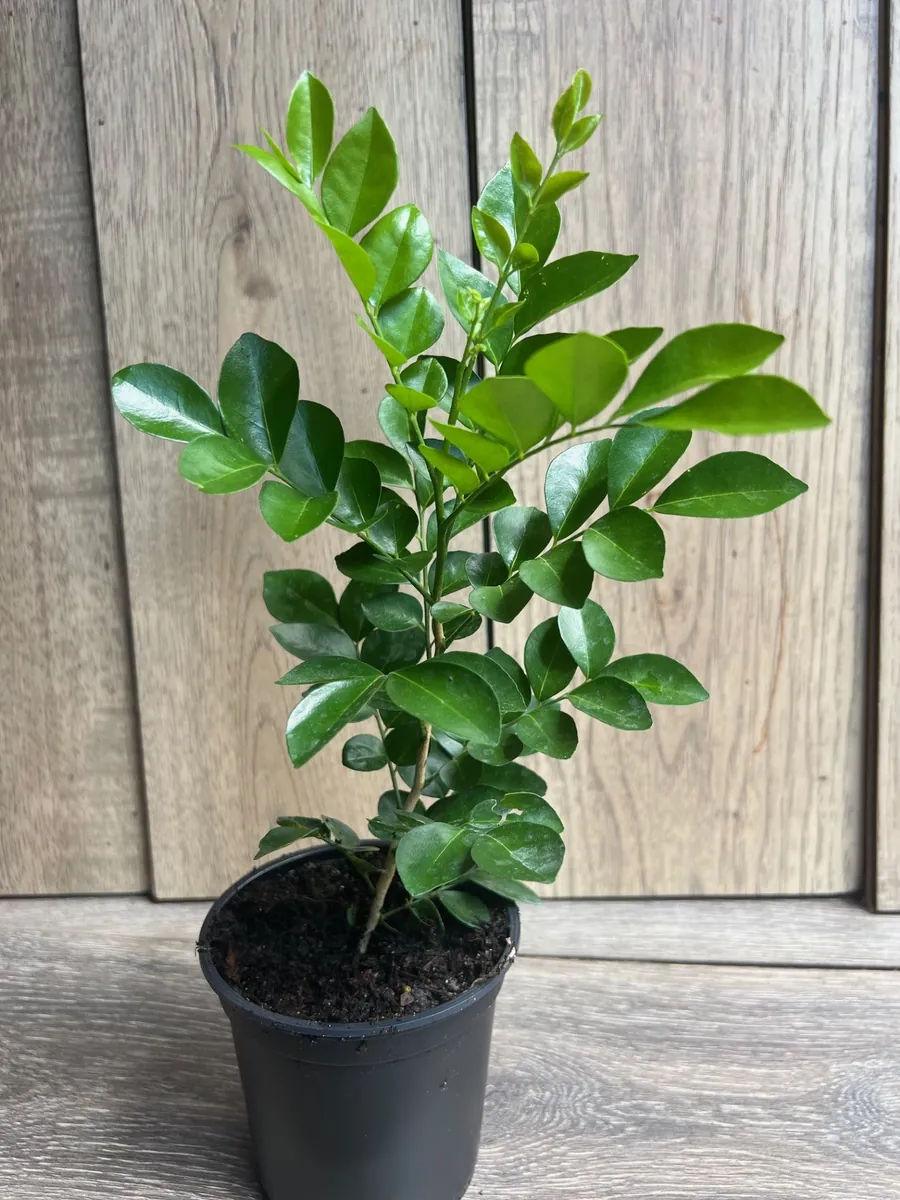
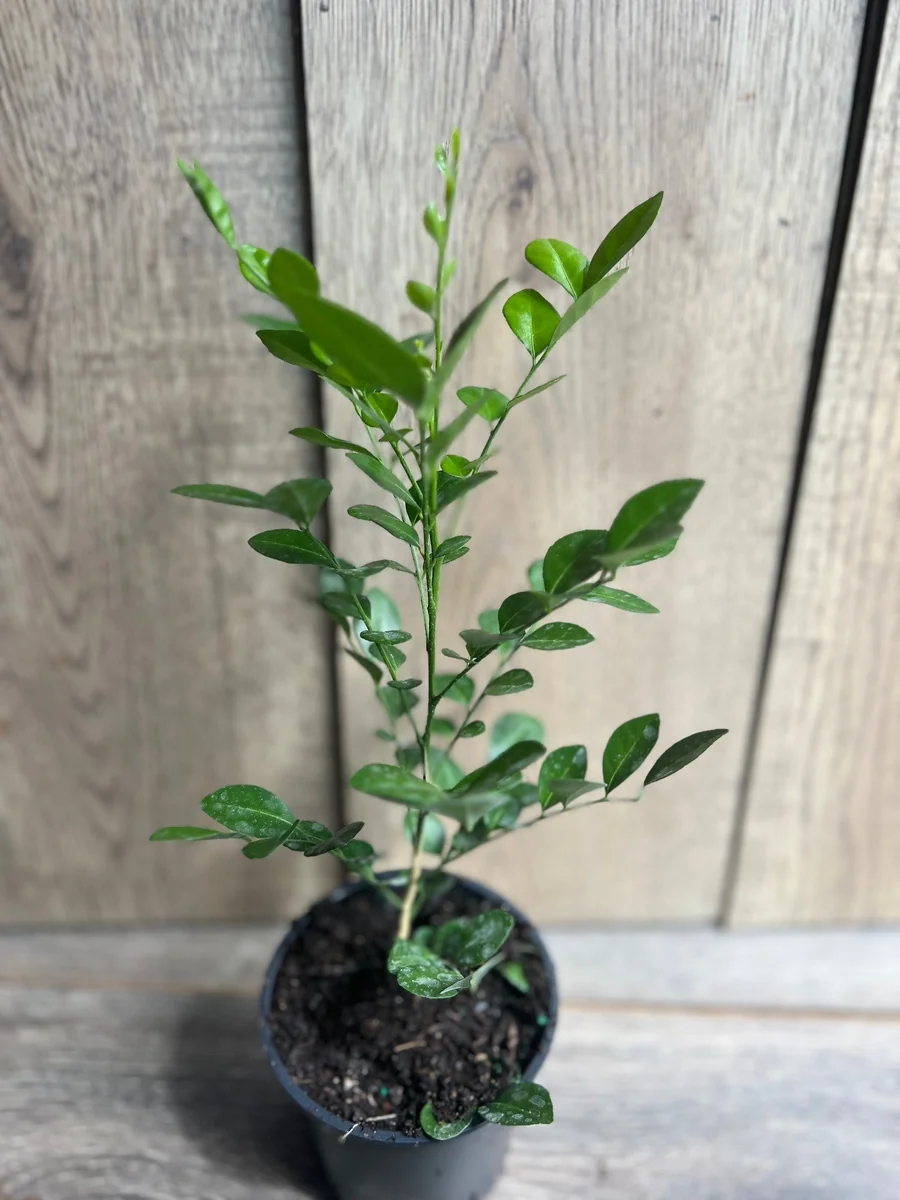
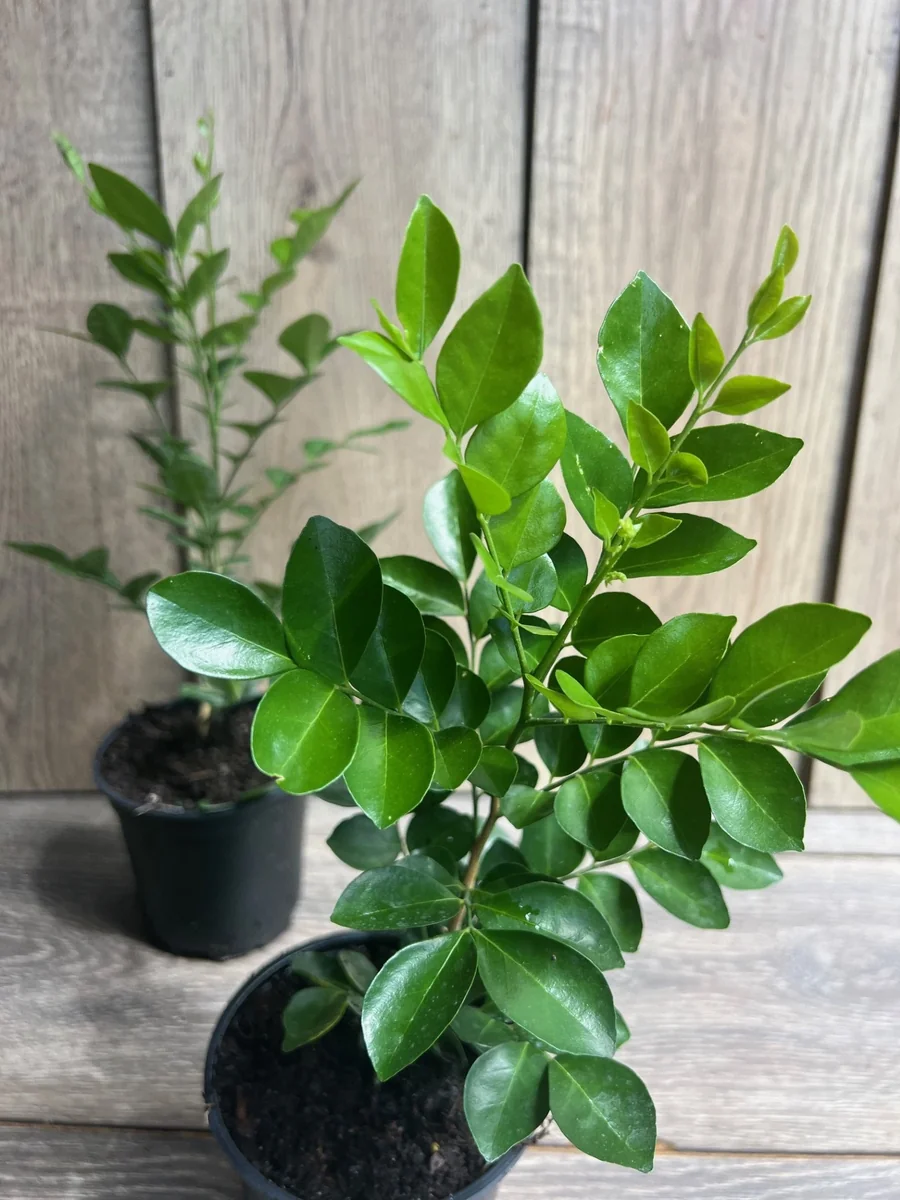
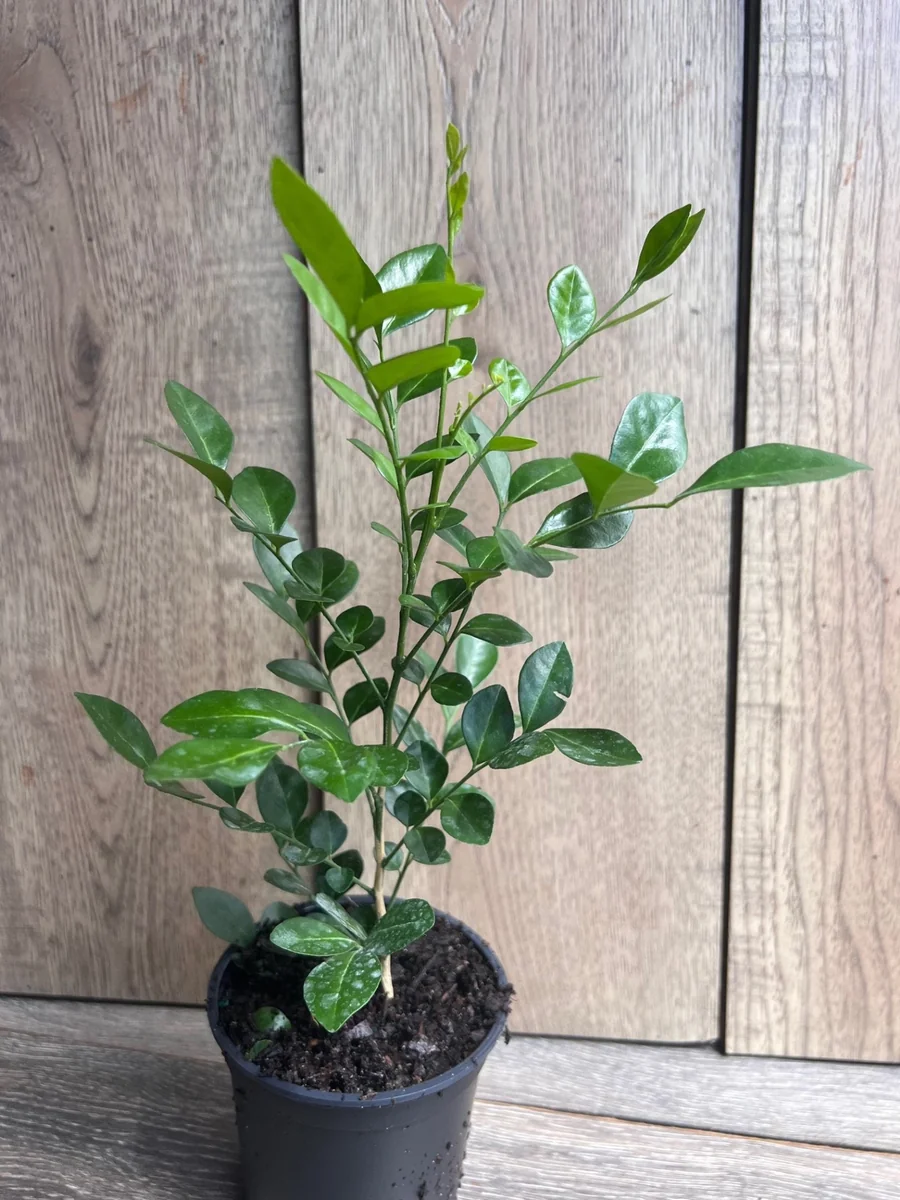
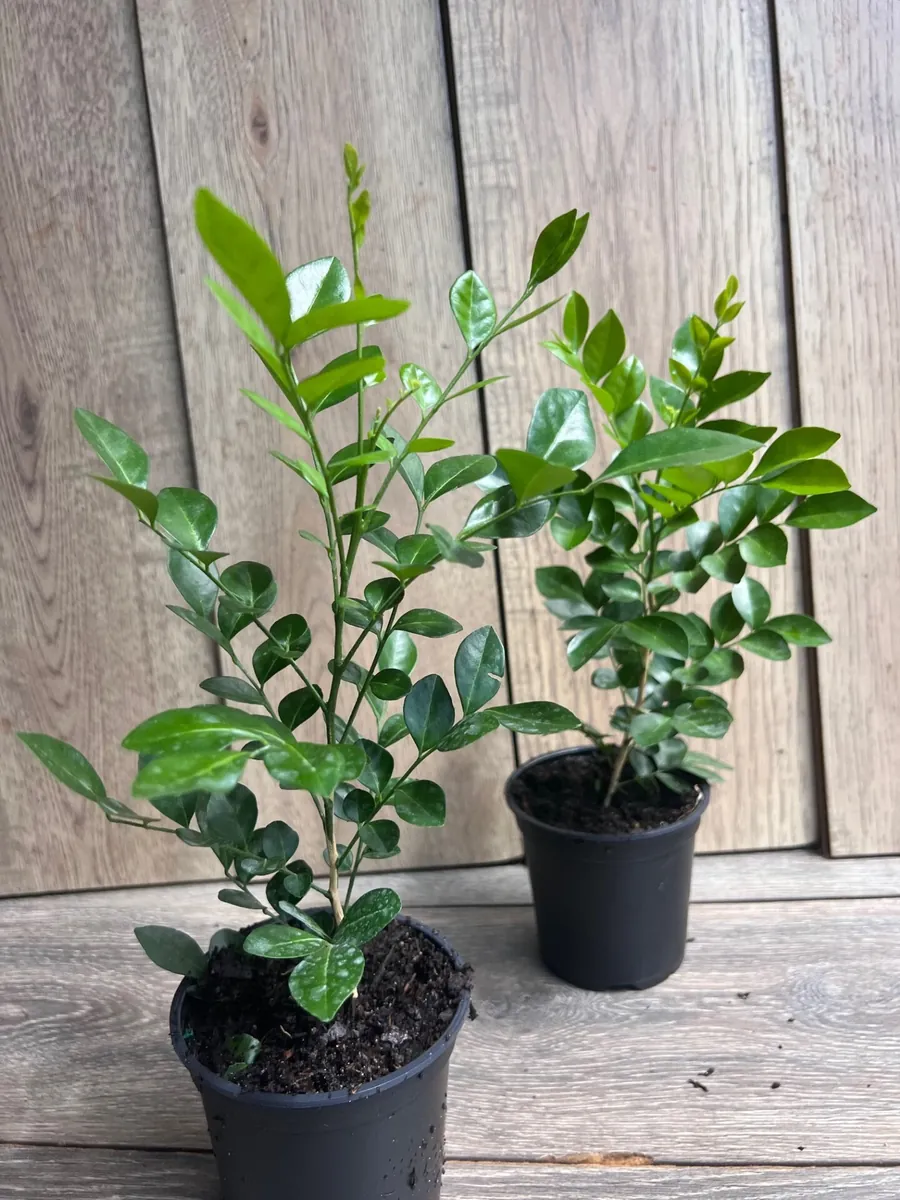
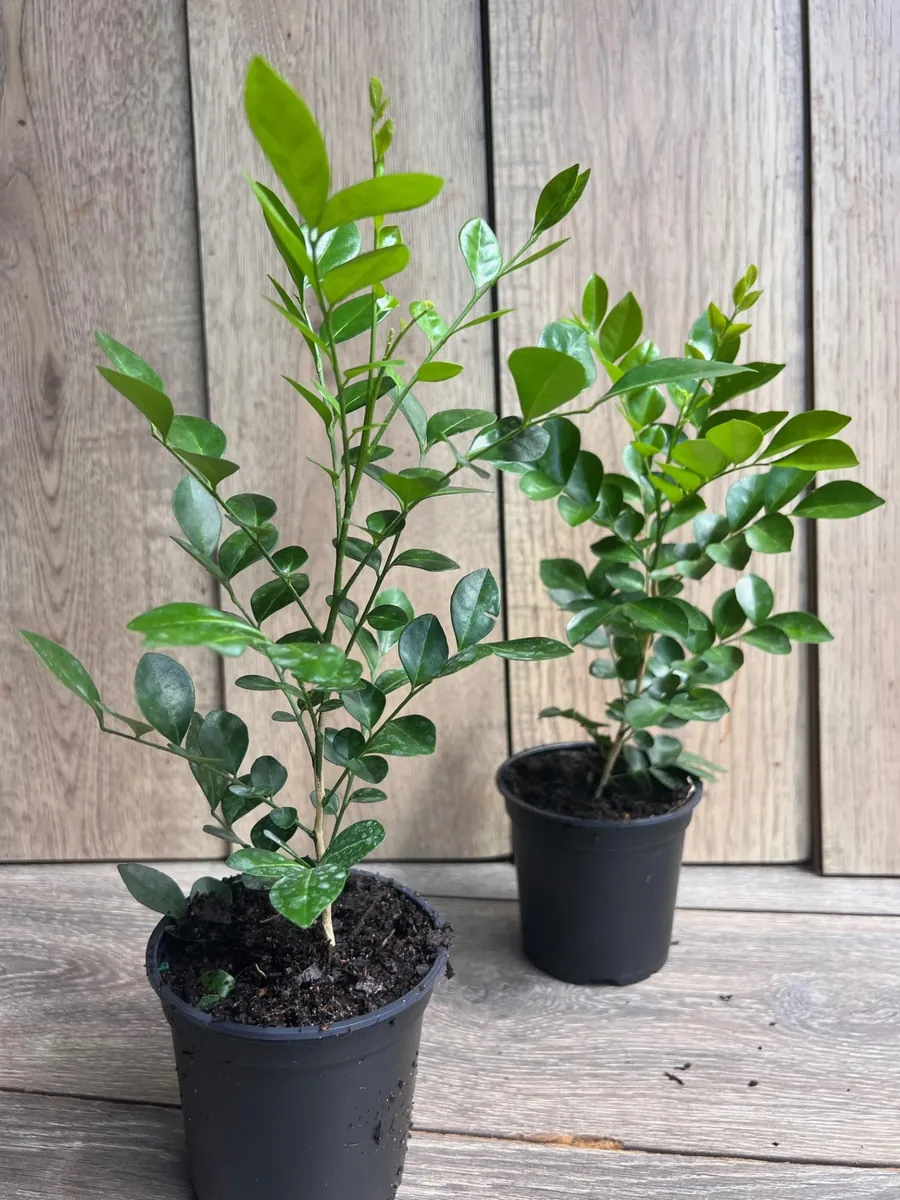
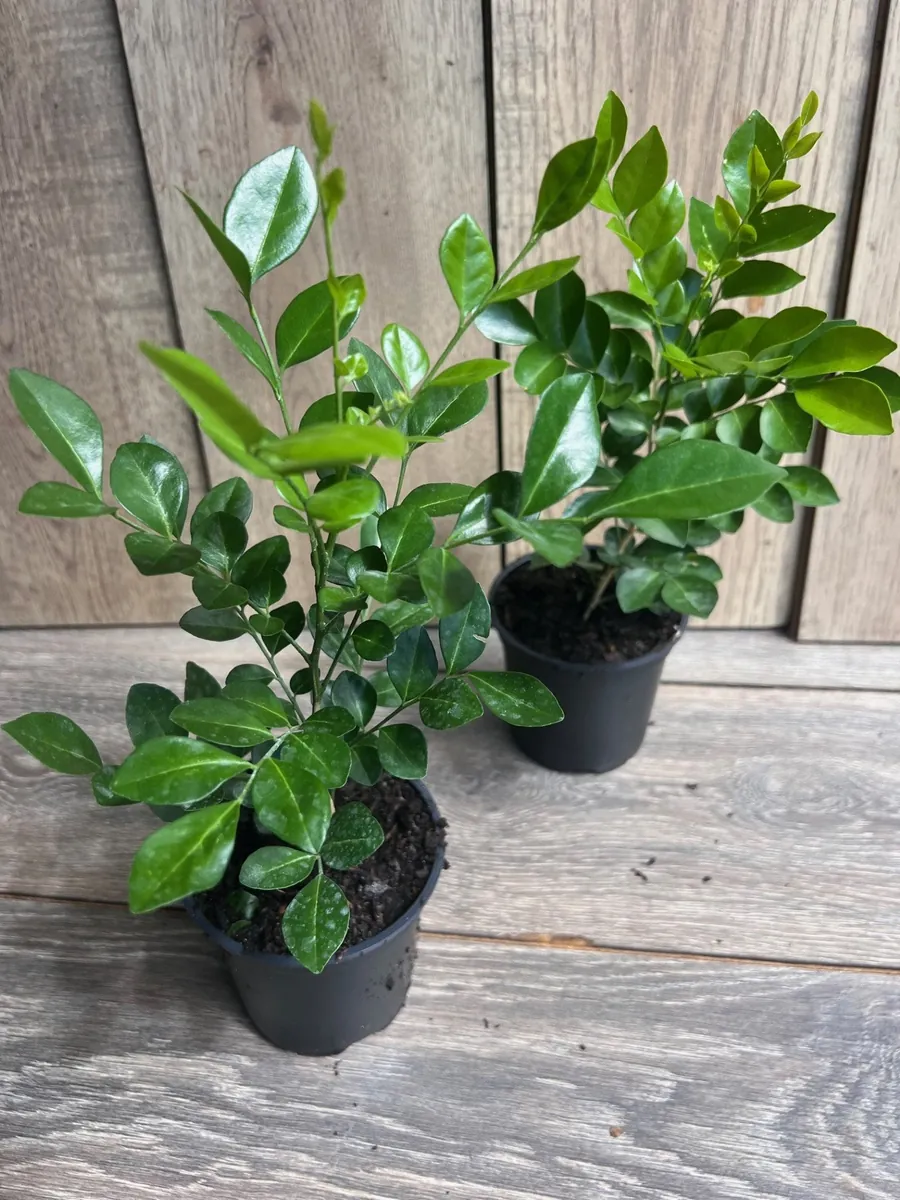
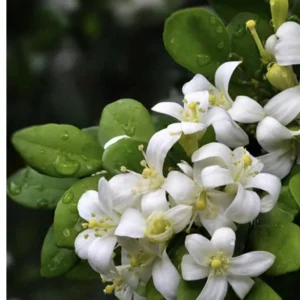
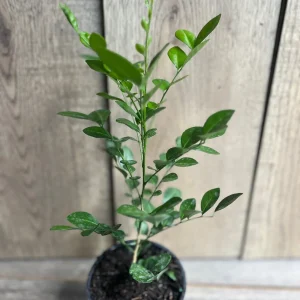
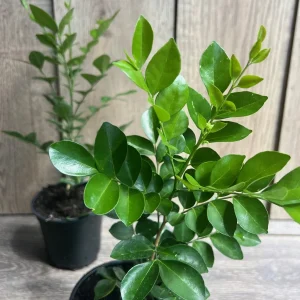
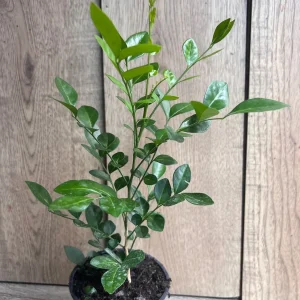
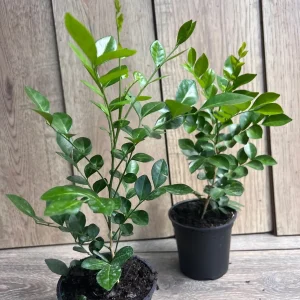
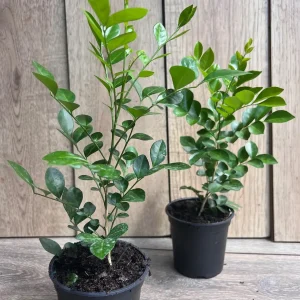
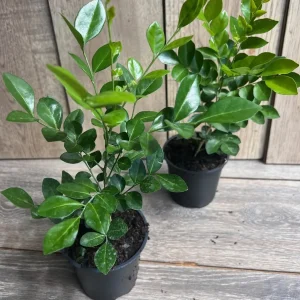
Orange Jasmine Plant in 4" Pot, Fragrant White Flowers
Original price was: $57.12.$34.28Current price is: $34.28.
Bring home a delightful orange jasmine live plant in a 4-inch pot, known for its intoxicatingly fragrant white flowers that bloom year-round. This tropical evergreen shrub is perfect for adding natural beauty and a sweet aroma to your indoor spaces or outdoor patio.
Estimated arrival
Mar 02
Mar 07 - Mar 09
Mar 12 - Mar 16
Shipping and return policies: Our 30-Day Plant Health Guarantee covers issues with your plants within the first 30 days. Get in touch with us via email, and our team will review your concerns and, if necessary, provide you with a one-time replacement at no cost.
Related products

USDA USDA zones 10-11 (outdoors); year-round indoors
Sold 85 products
Original price was: $44.00.$28.60Current price is: $28.60.
USDA USDA zones 10-11 (for outdoor, otherwise indoor)
Sold 55 products
Original price was: $75.00.$48.74Current price is: $48.74.
USDA USDA zones 10-12 (if grown outdoors), typically indoor plant
Sold 51 products
Original price was: $26.46.$17.20Current price is: $17.20.
USDA Indoor plant (USDA Zones 10-12 outdoors)
Sold 76 products
Original price was: $27.34.$17.78Current price is: $17.78.
USDA Indoor Plant (zones 10-12 if grown outdoors)
Sold 98 products
Original price was: $33.32.$21.66Current price is: $21.66.
USDA USDA zones 9-11 (outdoors) or indoors year-round
Sold 83 products
Original price was: $28.42.$18.48Current price is: $18.48.
USDA unknown
Sold 87 products
Original price was: $44.00.$28.60Current price is: $28.60.
USDA USDA zones 10-11 (for outdoor, otherwise indoor)
Sold 70 products
Original price was: $22.14.$14.40Current price is: $14.40.
Reviews
There are no reviews yet.