Overview
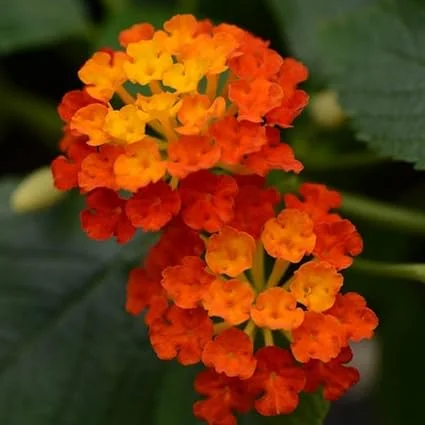
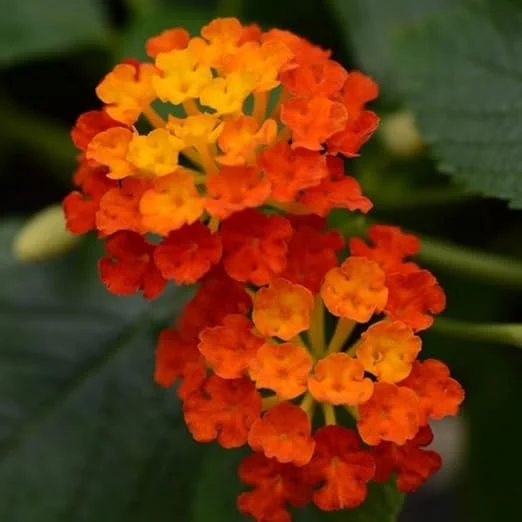
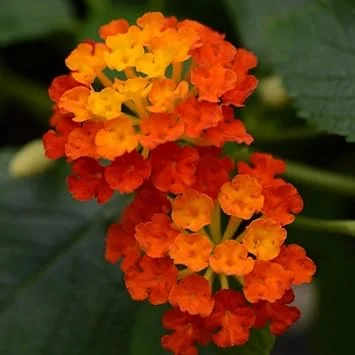
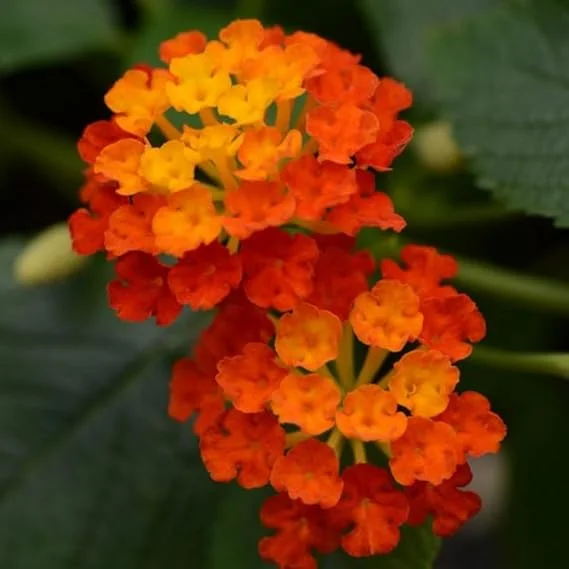
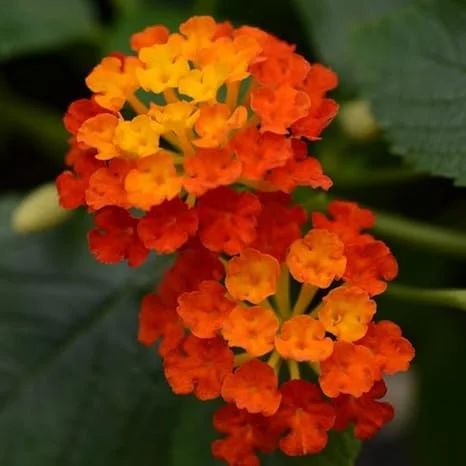
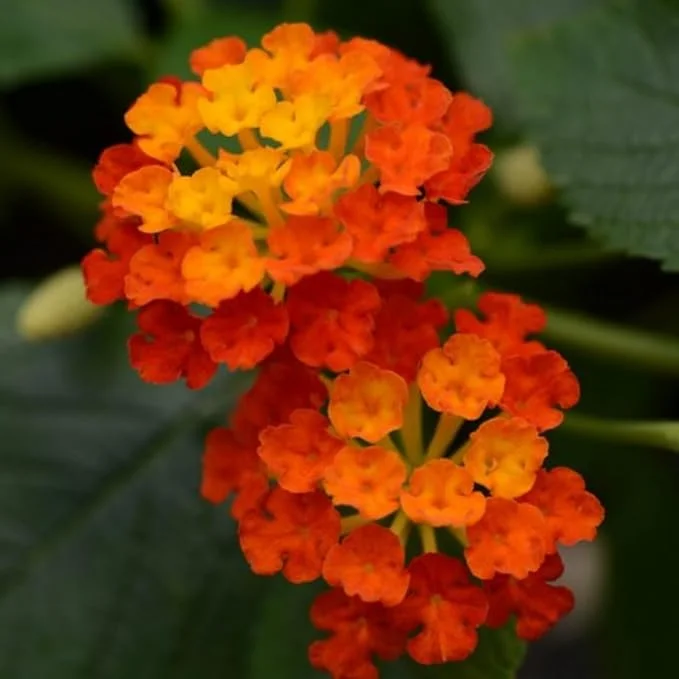
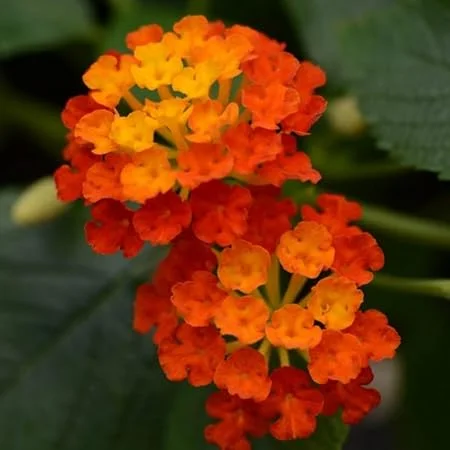
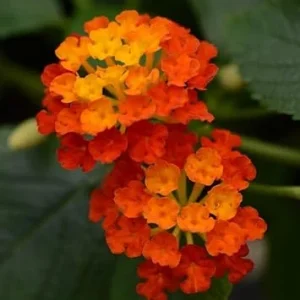
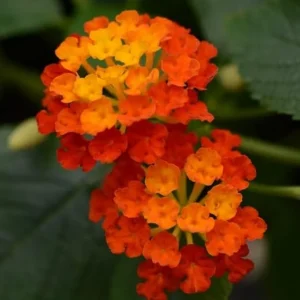
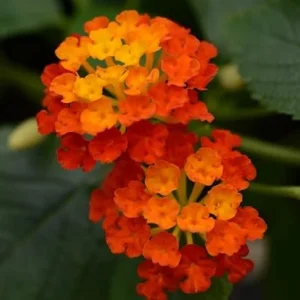
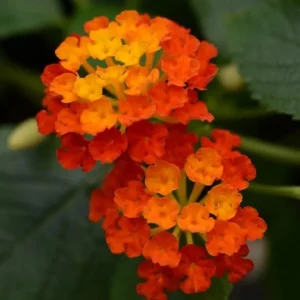
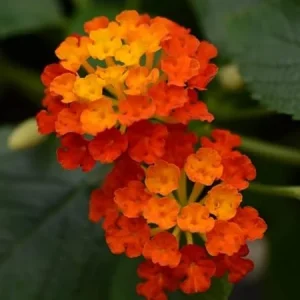
Transform your outdoor living spaces with a stunning orange lantana live plant. This robust and beautiful flowering shrub is celebrated for its continuous bloom of vibrant, clustered flowers that bring a cheerful splash of color to any garden. Known scientifically as Lantana camara, the ‘Orange’ variety offers a striking visual impact, making it a popular choice for gardeners seeking both beauty and resilience. Our orange lantana live plant specimens are shipped as bare-root plants, carefully prepared for easy transplanting directly into your garden beds, borders, or containers. Standing at a healthy 5-9 inches tall upon arrival, these young plants are well-rooted and ready to establish quickly, promising a season full of brilliant orange hues. Ideal for warm climates, orange lantana live plant is a low-maintenance yet high-impact addition to diverse landscaping designs, from cottage gardens to arid xeriscapes.
Key Benefits
Choosing an orange lantana live plant for your garden offers a multitude of advantages, enhancing both aesthetic appeal and ecological value. This versatile shrub is perfect for gardeners looking for a colorful, hardy, and easy-to-grow plant.
- Vibrant, Continuous Blooms: Enjoy a prolonged display of bright orange flower clusters from spring through fall, providing consistent color when many other plants fade. The rich orange tones create a warm and inviting atmosphere.
- Attracts Pollinators: The nectar-rich flowers are a magnet for butterflies, hummingbirds, and bees, helping to support local ecosystems and bring lively activity to your garden. This makes it an excellent choice for a pollinator-friendly garden.
- Drought Tolerant: Once established, orange lantana live plant is remarkably resilient to dry conditions, making it an ideal choice for water-wise gardening or areas with limited irrigation. Its ability to thrive in challenging conditions reduces the need for frequent watering.
- Low Maintenance: This plant requires minimal care, flourishing with little intervention. It’s an excellent option for busy gardeners or those new to gardening, offering maximum beauty with minimal effort.
- Versatile Landscaping Use: Perfect for ground cover, borders, containers, hanging baskets, or as a vibrant accent plant. Its mounding habit and spreading nature make it adaptable to various garden roles.
- Deer Resistant: Lantana is generally not favored by deer, offering a natural defense against browsing and protecting your garden investment. This is a significant advantage in areas prone to deer activity.
- Thrives in Full Sun: This plant absolutely loves the sun, performing best in locations that receive at least six hours of direct sunlight daily, ensuring the most prolific blooms and healthiest growth. A happy full sun lantana is a beautiful lantana.
Plant Care & Growing Tips
Caring for your orange lantana live plant is straightforward, making it a rewarding choice for gardeners of all experience levels. These plants are known for their hardiness and ability to thrive in challenging conditions, especially when provided with their preferred growing environment. To ensure your orange lantana live plant flourishes, understanding its basic needs is key.
Sunlight Requirements: Lantana thrives in full sun, meaning it needs at least 6-8 hours of direct sunlight per day to produce the most abundant blooms and maintain vigorous growth. Planting in a location with less sun may result in fewer flowers and leggy growth. For optimal performance and the most vibrant lantana flowers, choose the brightest spot in your garden.
Watering: While tolerant of drought once established, young orange lantana care involves consistent watering. Water regularly after planting to help the plant establish its root system. Once established, allow the soil to dry out between waterings. Overwatering can lead to root rot, so ensure good drainage. In hot, dry periods, supplemental watering may be beneficial to encourage continuous blooming.
Soil Type: Lantana prefers well-draining soil. It is not particular about soil pH and can tolerate a range of soil types, including sandy or rocky soils, as long as they drain well. Avoid heavy clay soils that retain too much moisture. Amending heavy soils with organic matter like compost can improve drainage.
Temperature and USDA Hardiness Zone: This outdoor lantana plant is typically grown as an annual in cooler climates (USDA Zones 8 and below) but can be a perennial in warmer regions (USDA Zones 9-11). It prefers warm temperatures and is not frost-tolerant. In perennial zones, it will die back to the ground in winter and re-emerge in spring. In colder zones, you can treat it as an annual or bring potted plants indoors before the first frost.
Fertilization: Lantana is not a heavy feeder. A light application of a balanced, slow-release granular fertilizer in early spring is usually sufficient to support its growth and flowering. Avoid over-fertilizing, especially with high-nitrogen fertilizers, as this can lead to more foliage and fewer flowers. For continuous blooms, a liquid feed every 4-6 weeks during the growing season can be beneficial.
Pruning: Pruning helps maintain shape, encourage bushier growth, and promote more flowers. Lightly prune in late winter or early spring before new growth begins to remove any dead or leggy stems. Throughout the growing season, deadhead spent flowers to encourage new blooms and prevent the plant from self-seeding excessively. This simple aspect of orange lantana care will keep your plant looking its best.
Common Problems: Lantana is generally pest and disease resistant. Occasionally, whiteflies or spider mites might appear, especially in hot, dry conditions. These can usually be managed with insecticidal soap or by ensuring good air circulation. Fungal issues are rare if proper watering and drainage are maintained. Choosing a healthy full sun lantana from the start minimizes issues.
Size & Details
Each orange lantana live plant is shipped as a bare-root specimen, meaning it arrives without a pot, with its roots carefully protected in moist packing material. This method ensures that the plant is lightweight for shipping and allows for easy transplanting directly into your garden or preferred container. Upon arrival, the plants measure between 5-9 inches tall, representing a healthy, young plant ready for vigorous growth. Lantana typically grows into a mounding shrub, reaching a mature size of 2-4 feet tall and spreading 3-6 feet wide, depending on the variety and growing conditions. With proper care, you can expect these plants to establish quickly and begin producing their characteristic clusters of vibrant lantana flowers within the first growing season. The growth rate is moderate to fast, allowing you to enjoy a lush, colorful display relatively quickly after planting.
Frequently Asked Questions
- Q: How big does this orange lantana live plant get? A: This orange lantana live plant typically grows to a mature size of 2-4 feet tall and spreads 3-6 feet wide, forming a beautiful mounding shrub. Its final size can vary based on growing conditions and whether it’s grown as an annual or perennial.
- Q: Is this an indoor or outdoor plant? A: This is primarily an outdoor lantana plant that thrives in full sun conditions. While it can be overwintered indoors in colder climates, it is best suited for garden beds, containers, and landscapes during the warmer months.
- Q: How much sunlight does it need? A: Lantana requires full sun, meaning at least 6-8 hours of direct sunlight per day. This ensures the most prolific blooming and healthy, compact growth. A true full sun lantana will always perform best.
- Q: Is this plant easy to care for? A: Yes, lantana is considered a very easy-to-care-for plant. Once established, it is drought-tolerant and requires minimal maintenance, making it suitable for beginners and busy gardeners. Basic orange lantana care includes proper watering and occasional pruning.
- Q: What condition will it arrive in? A: Your orange lantana live plant will arrive bare-root, with its roots carefully wrapped in moist material to ensure hydration during transit. This method is ideal for quick and successful transplanting into your garden.
- Q: How long until it blooms? A: With proper care and favorable conditions, your young orange lantana live plant should begin to produce its first vibrant lantana flowers within the first growing season after planting, typically from late spring through fall.
- Q: Will it survive winter in my zone? A: Lantana is perennial in USDA Zones 9-11, where it will return each spring. In colder zones (8 and below), it is typically grown as an annual, or you can bring potted plants indoors to overwinter.
- Q: What is the best time to plant an outdoor lantana plant? A: The best time to plant your orange lantana live plant is in spring after all danger of frost has passed, when soil temperatures have warmed up. This allows the plant ample time to establish before the heat of summer.
- Q: Can I grow this in a container? A: Absolutely! Lantana is an excellent choice for containers, hanging baskets, and patio pots, where its trailing or mounding habit can be beautifully showcased. Just ensure the container has good drainage.
- Q: Is this plant safe for pets? A: Lantana is considered toxic if ingested by pets, particularly the berries. It’s best to plant it in areas where pets are unlikely to chew on it or choose alternative pet-safe plants if you have curious animals.


Reviews
There are no reviews yet.