Overview
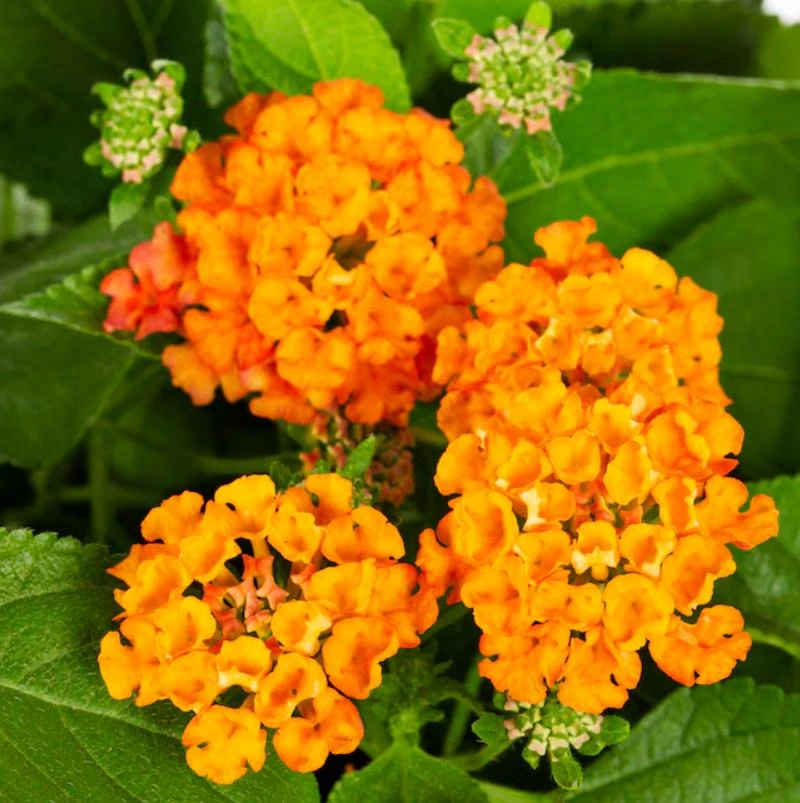
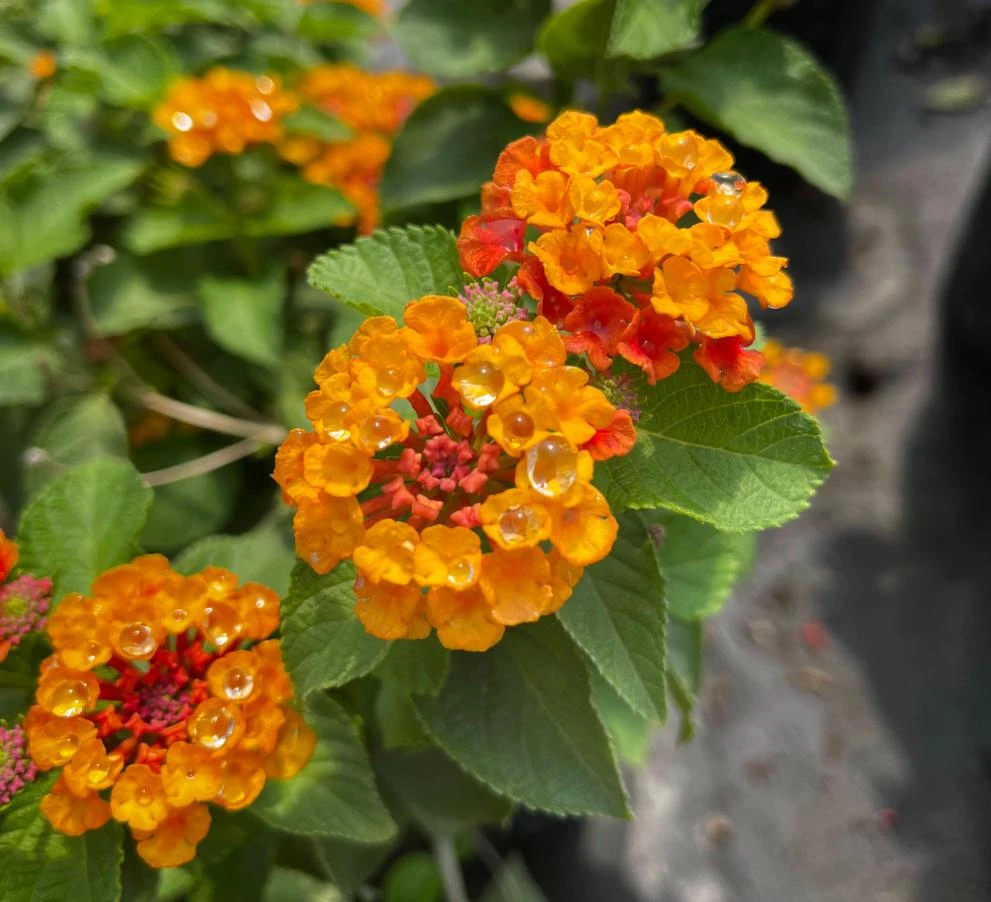
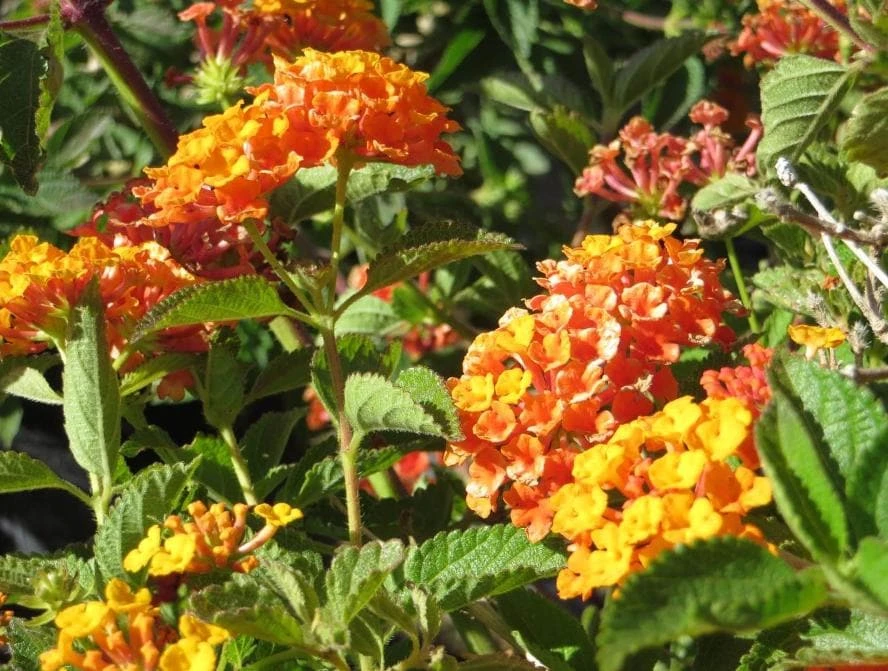
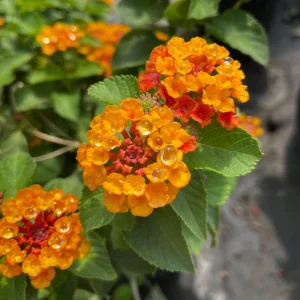
Introduce a burst of sunshine and tropical charm to your outdoor space with our stunning orange lantana live plant. This beautiful trailing flowering shrub is renowned for its continuous, vibrant blooms that transition through shades of yellow, orange, and red, creating a dynamic display of color. Lantana camara, commonly known as Lantana, is a vigorous grower, perfect for adding texture and brilliance to garden beds, patio containers, or hanging baskets. As a young starter plant, it offers the rewarding experience of nurturing it to its full, magnificent potential. This resilient plant is an excellent choice for gardeners seeking low-maintenance beauty that thrives in warm climates and attracts beneficial pollinators like butterflies and hummingbirds.
Our orange lantana live plant arrives as a healthy, young specimen, ready to establish itself in its new home. Its natural trailing habit makes it ideal for cascading over edges, while its dense foliage provides excellent ground cover or filler in mixed arrangements. Whether you’re aiming for a cottage garden aesthetic, a vibrant tropical oasis, or simply want to brighten a sunny spot, this Lantana is a versatile and rewarding addition that promises a season full of color.
Key Benefits
The orange lantana live plant offers a multitude of benefits for both the gardener and the garden ecosystem, making it a highly desirable choice:
-
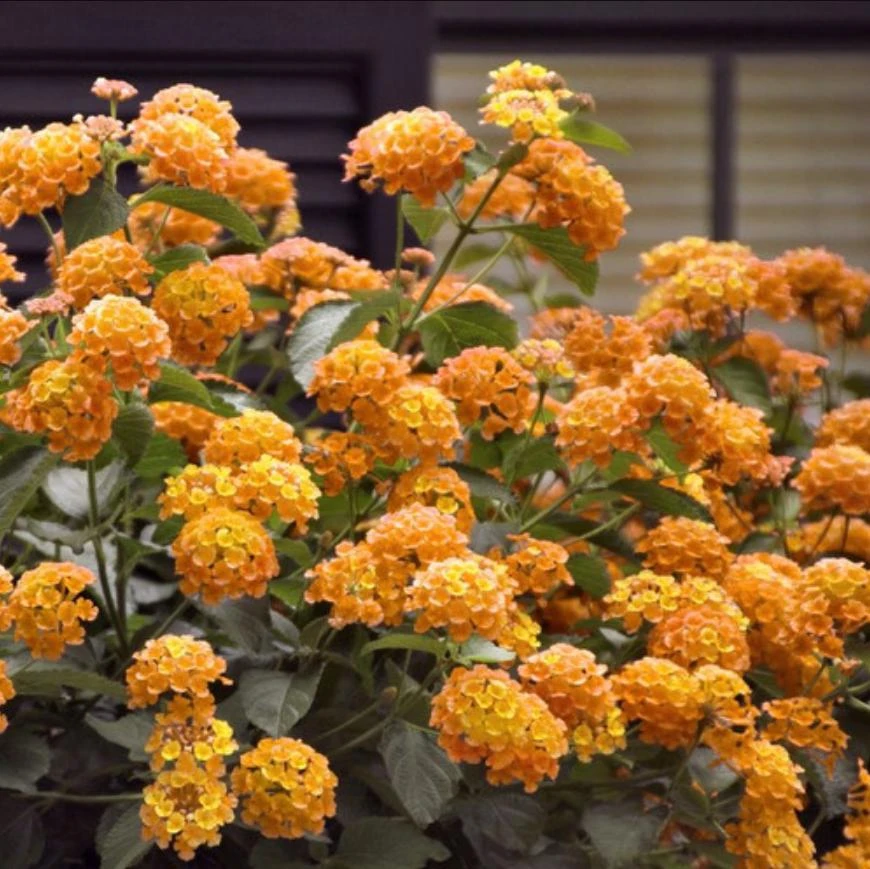
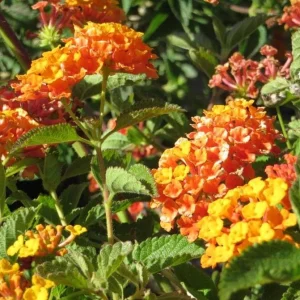
Prolific Blooms: Enjoy a continuous display of colorful flowers from spring through fall. The clusters of tiny florets change color as they mature, creating a captivating multi-hued effect that is truly unique.
-
Attracts Pollinators: Lantana is a magnet for butterflies, bees, and hummingbirds. Planting this orange lantana live plant helps support local ecosystems and brings life and movement to your garden space.
-
Drought Tolerant: Once established, Lantana is remarkably tolerant of dry conditions, making it an excellent choice for water-wise gardening or areas with infrequent rainfall. This resilience contributes to its reputation as a low-maintenance plant.
-
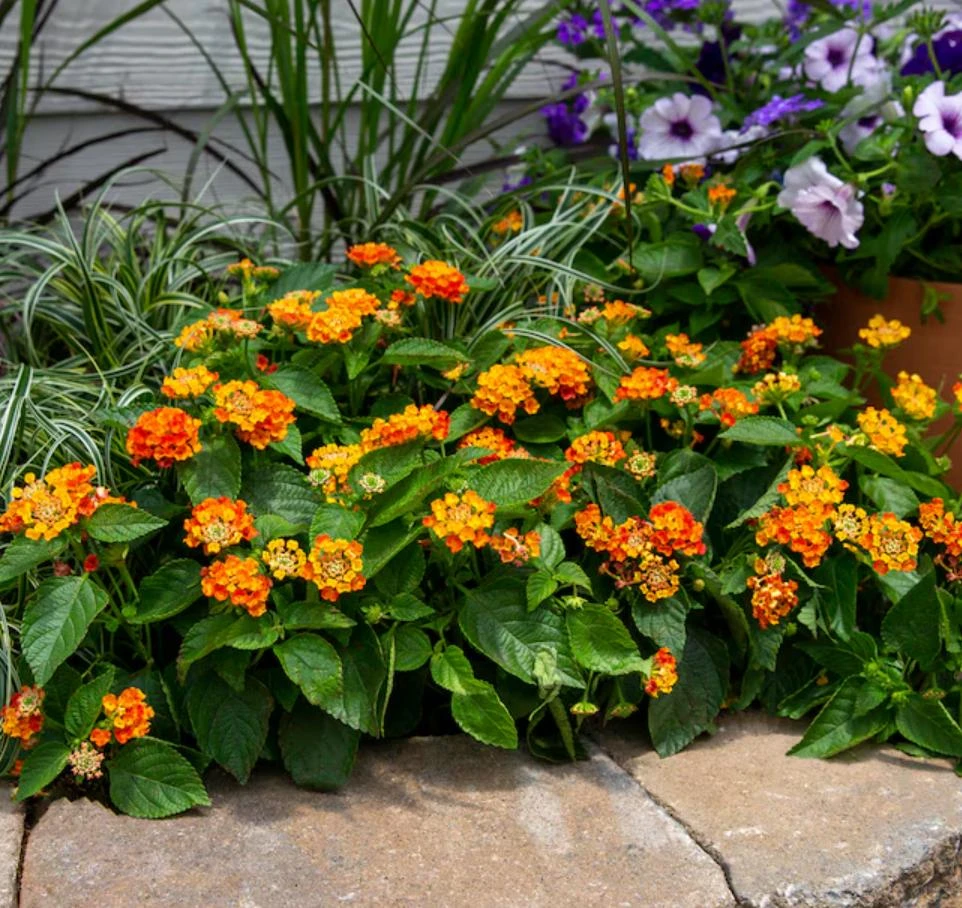
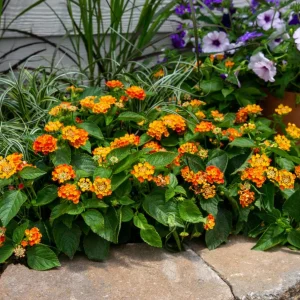
Versatile Landscaping Use: Its trailing habit makes it perfect for ground cover, spilling over retaining walls, or as a vibrant ‘spiller’ in container arrangements. It can also be trained as a small shrub or used in mass plantings for a dramatic effect.
-
Deer Resistant: Generally, deer tend to avoid Lantana, making it a good option for gardens in areas where deer browsing is a concern, allowing your beautiful blooms to flourish undisturbed.
-
Heat Loving: This tropical plant absolutely revels in the heat and full sun, performing its best in the dog days of summer when many other plants might begin to fade. It’s a reliable performer in hot climates.
Plant Care & Growing Tips
Caring for your orange lantana live plant is straightforward, especially when provided with the right conditions. This tropical flowering shrub thrives in full sun, requiring at least 6-8 hours of direct sunlight daily to produce its most abundant blooms and maintain a dense, healthy form. In shadier conditions, it may become leggy and produce fewer flowers. Lantana prefers well-draining soil; a good quality potting mix with perlite or sand added for containers, or amended garden soil, will ensure proper drainage and prevent root rot. It tolerates a range of soil types but performs best in slightly acidic to neutral pH.
Watering should be consistent during the establishment phase for young plants. Once established, Lantana is quite drought-tolerant, but regular deep watering during prolonged dry spells will encourage better flowering. Allow the top inch or two of soil to dry out between waterings. Fertilize sparingly; a balanced, slow-release fertilizer applied in spring is usually sufficient. Over-fertilization can result in more foliage and fewer flowers. Pruning can be done to maintain shape, encourage bushier growth, and promote more blooms by removing spent flowers (deadheading). This helps redirect the plant’s energy into producing new buds.
The lantana hardiness zone is typically USDA Zones 9-11, where it can be grown as a perennial. In colder zones, it is often grown as an annual or brought indoors for winter protection. Young plants are particularly sensitive to cold, so protect them from frost. Signs of cold stress include leaf drop and dormancy, which is normal. With proper care, your trailing lantana will provide vibrant color and attract beautiful wildlife to your garden for many seasons.
Size & Details
This offering is for a young orange lantana live plant, typically measuring approximately 3–5 inches tall or across at the time of shipping. It is a starter plant, meaning it is still in its early growth stages and will require time and proper care to reach its mature size and full blooming potential. Lantana can grow to be a substantial trailing flowering shrub, often reaching 2-6 feet in height and spreading 3-6 feet wide, depending on the variety, growing conditions, and whether it’s grown as an annual or perennial. It is shipped without a pot to ensure safe and efficient transit, with some soil removed. The plant will establish quickly once transplanted into your garden or preferred container.
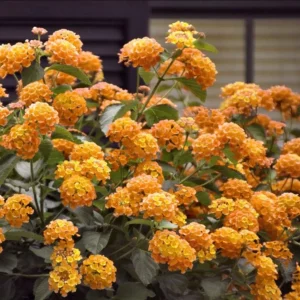
Expect vibrant yellow and orange blooms that mature into deeper orange and red tones, providing continuous color throughout the warmer months. As a young plant, initial growth will focus on root and foliage development before prolific flowering begins. With adequate sunlight, water, and nutrients, your plant will rapidly grow into a robust and colorful specimen. The photos provided are typically of mature blooming plants and serve as a reference for what your plant will become with proper cultivation.
Frequently Asked Questions
-
Q: How big will my orange lantana live plant get? A: Your plant will arrive as a young starter, approximately 3-5 inches tall or across. With proper care, it can grow to a mature size of 2-6 feet tall and 3-6 feet wide, forming a beautiful trailing flowering shrub.
-
Q: Is this an indoor or outdoor plant? A: Lantana is primarily an outdoor plant that thrives in full sun. In USDA Zones 9-11, it can be grown as a perennial. In colder regions, many gardeners treat it as an annual or bring it indoors during winter.
-
Q: How much sunlight does my trailing lantana for sale need? A: For the best growth and most abundant blooms, Lantana requires full sun, meaning at least 6-8 hours of direct sunlight per day. Less sun will result in fewer flowers and a more leggy plant.
-
Q: Is this plant easy to care for? A: Yes, Lantana is considered a relatively easy-care plant, especially once established. It’s known for being drought-tolerant and heat-loving, making it a good choice for busy gardeners or those in warm climates.
-
Q: What condition will my plant arrive in? A: Your orange lantana live plant will arrive as a young, healthy starter plant, typically shipped without a pot to ensure safe transit. It may have some minor leaf imperfections from shipping, which is normal, and it will quickly recover with proper care.
-
Q: When is the best time to plant Lantana? A: The best time to plant Lantana is in the spring after all danger of frost has passed, once soil temperatures have warmed up. This gives the young plant ample time to establish before the peak summer heat.
-
Q: What is the typical lantana hardiness zone? A: Lantana is perennial in USDA Hardiness Zones 9-11. In zones below 9, it is generally grown as an annual or overwintered indoors, as it is sensitive to frost and prolonged cold temperatures.
-
Q: Can I grow this tropical flowering shrub in a container? A: Absolutely! Lantana is an excellent choice for containers and hanging baskets due to its trailing habit and continuous blooms. Ensure the container has good drainage holes.
-
Q: How often should I water my Lantana? A: Water regularly when the plant is young to help it establish. Once mature, it is drought-tolerant, but deep watering during dry periods will promote better flowering. Allow the top soil to dry out between waterings.
-
Q: Why are the leaves falling off my Lantana? A: Leaf drop can be a sign of stress, often due to significant temperature changes (especially cold), overwatering, or underwatering. For young plants purchased in cooler months, dormancy and leaf loss below 50°F is a normal response.


Reviews
There are no reviews yet.