

Overview
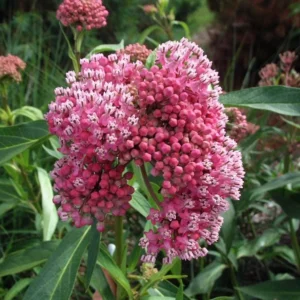
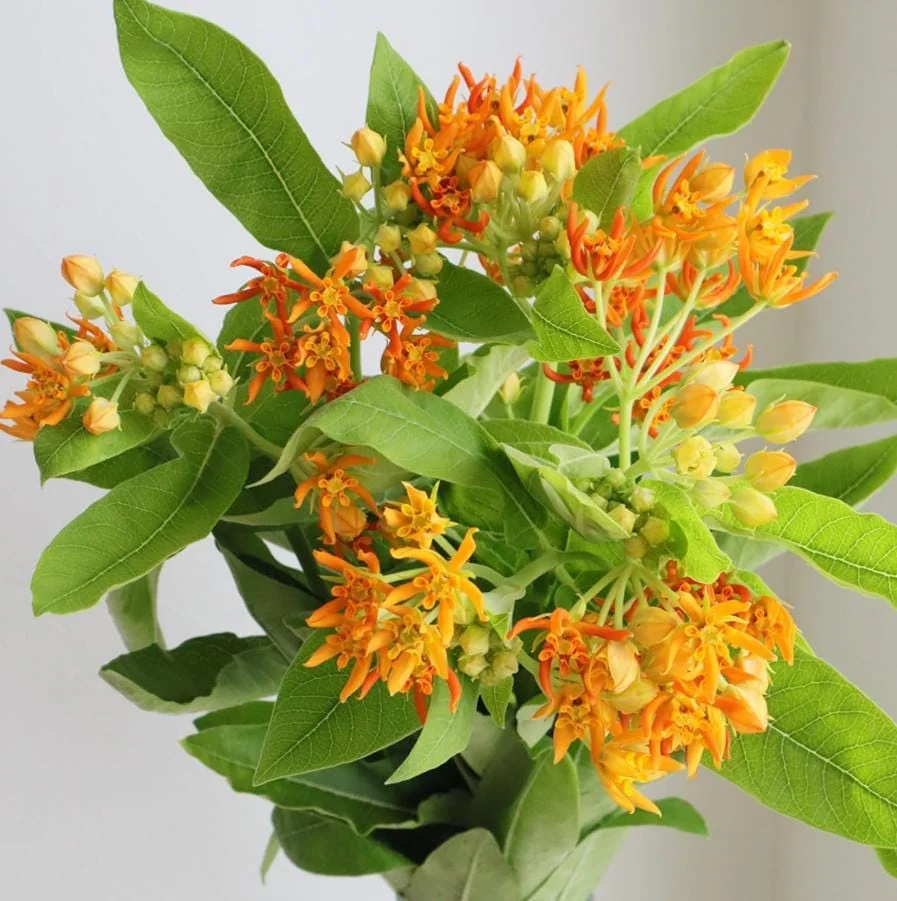
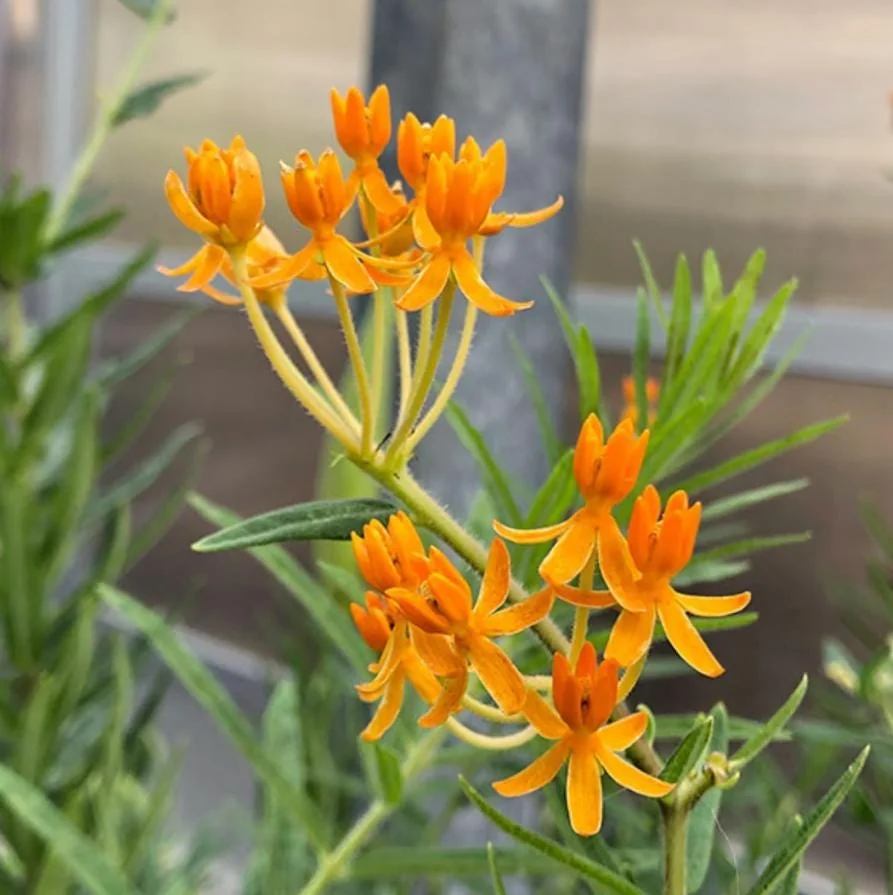
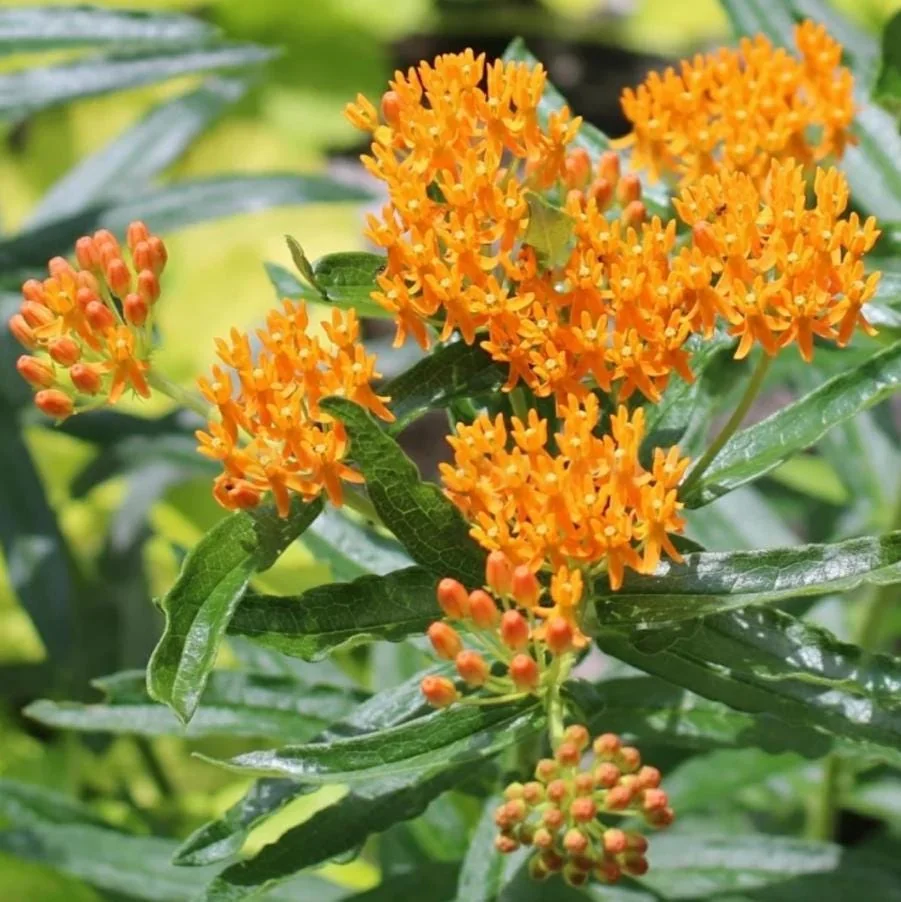
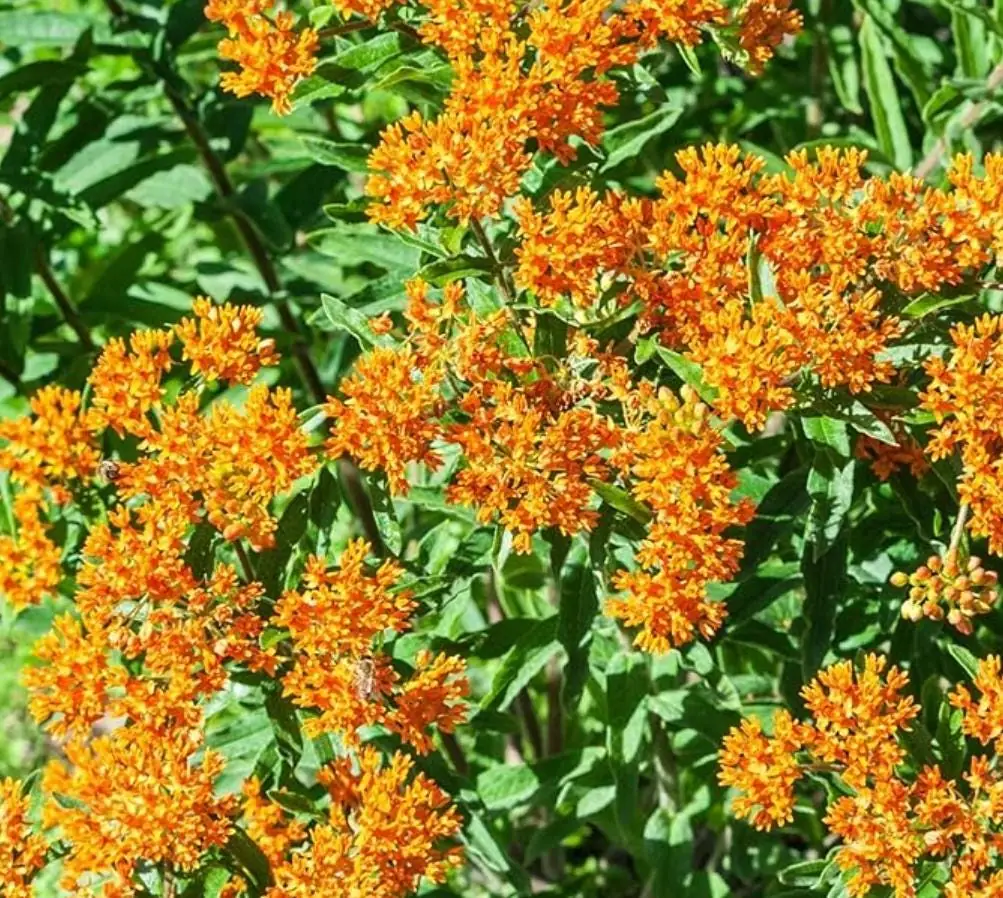
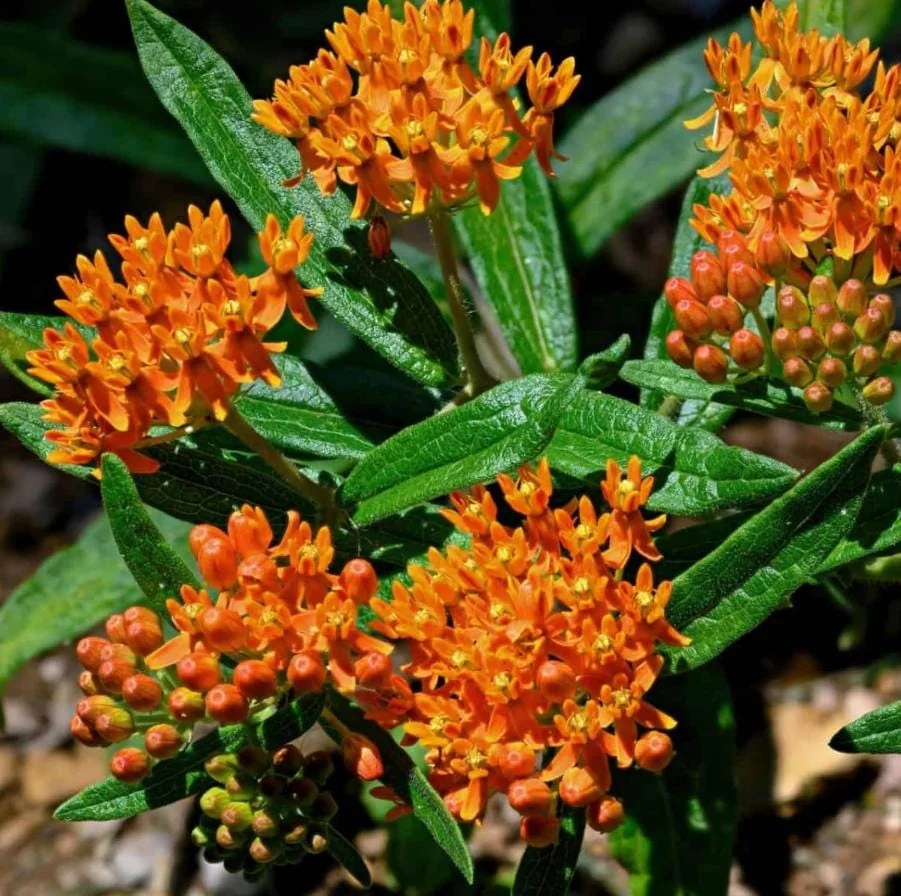
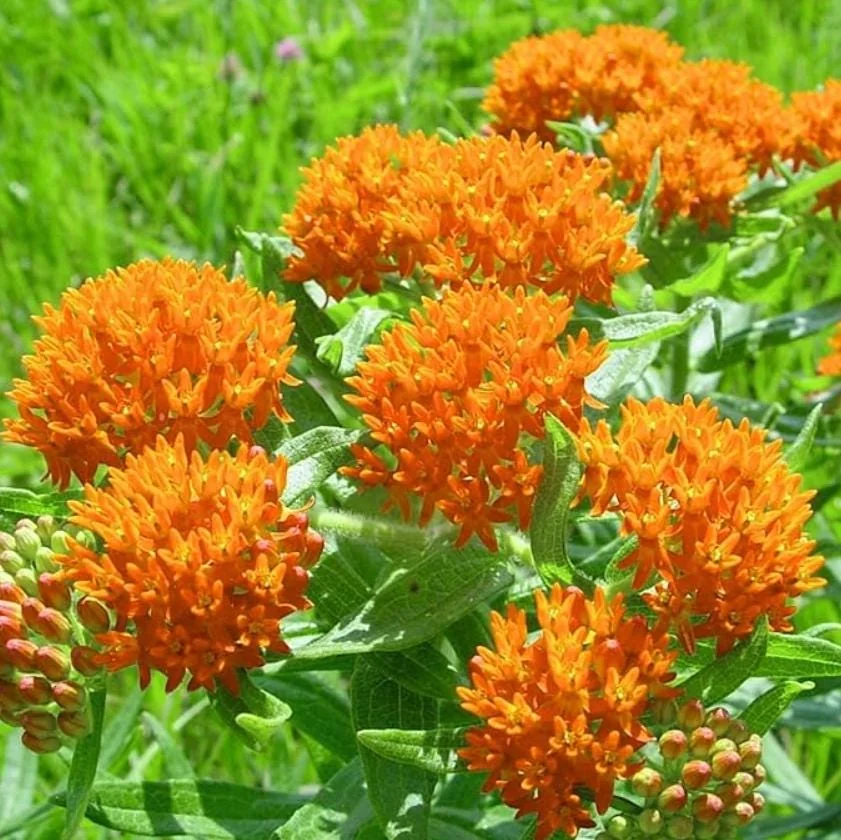
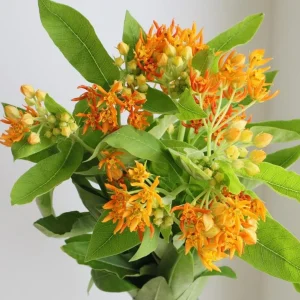
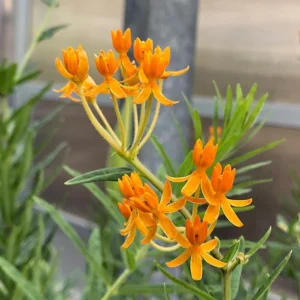
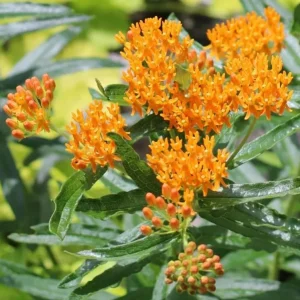
Introduce a burst of color and a haven for pollinators into your garden with our premium orange milkweed live plant (Asclepias tuberosa). This native North American perennial is celebrated for its stunning clusters of vivid orange flowers that emerge in summer, creating a spectacular display. Each order includes two healthy starter plants, approximately 4-6 inches tall, ready to thrive in your outdoor landscape. Known affectionately as ‘Butterfly Weed,’ Asclepias tuberosa is an essential host plant for monarch butterfly caterpillars and a favorite nectar source for a wide array of pollinators, making it an indispensable addition to any ecological garden, wildflower meadow, or pollinator-friendly landscape. Our asclepias tuberosa plant arrives with a healthy soil root ball, ensuring an easy transition into its new home and a strong start for robust growth.
The orange milkweed live plant is not only beautiful but also remarkably resilient. It’s a low-maintenance choice that brings significant environmental benefits, actively contributing to the conservation of monarch butterflies and other vital insects. Whether you’re an experienced gardener or just starting, this vibrant perennial offers an easy way to create a lively and colorful outdoor space that supports biodiversity. Its hardiness and adaptability make it a successful choice across a broad range of climates, promising years of enjoyment and ecological contribution.
Key Benefits
Adding an orange milkweed live plant to your garden provides numerous advantages, transforming your outdoor space into a thriving ecosystem and a visual delight. Its ecological impact and ease of care make it a standout choice for any gardener.
- Attracts Monarch Butterflies: This plant is a crucial host for monarch caterpillars, providing the only food source they can consume. Planting monarch butterfly plant varieties like this helps protect and sustain the monarch population.
- Supports Diverse Pollinators: Beyond monarchs, the nectar-rich orange flowers attract a wide variety of bees, other butterflies, and beneficial insects, enhancing the biodiversity of your garden and supporting local ecosystems.
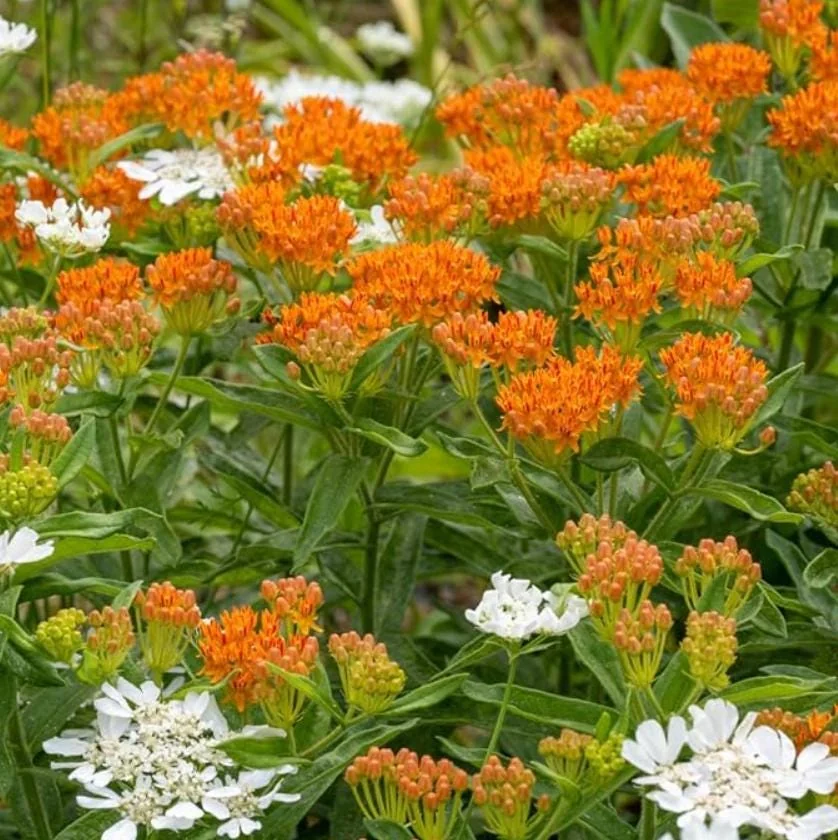
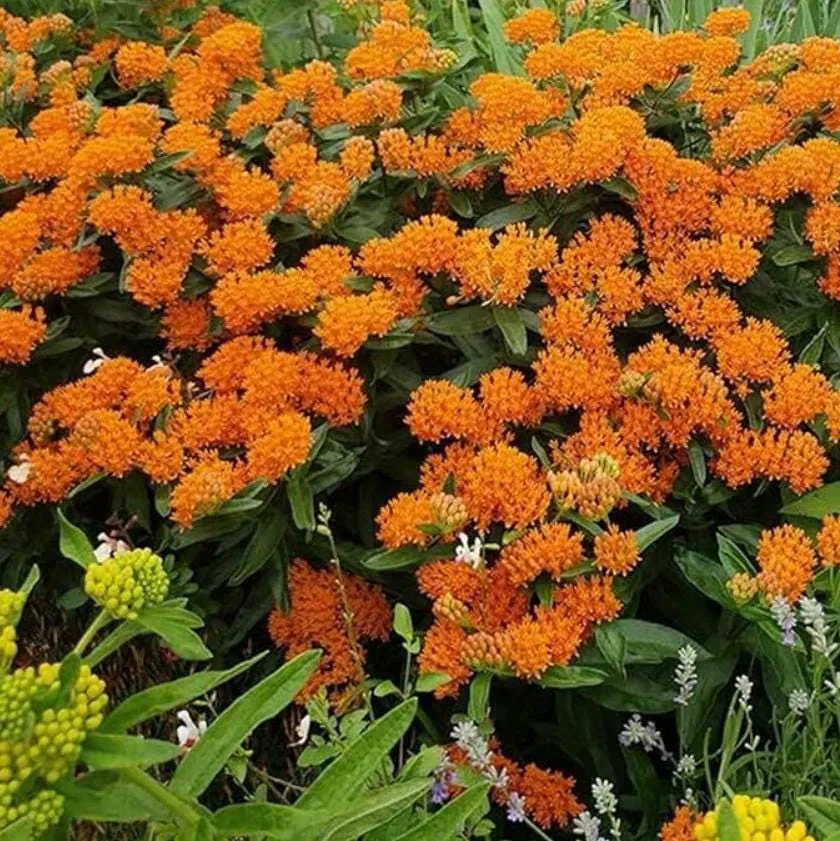
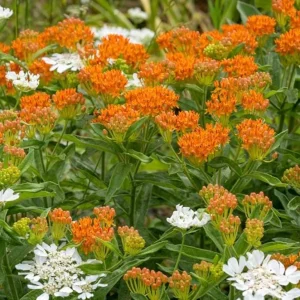
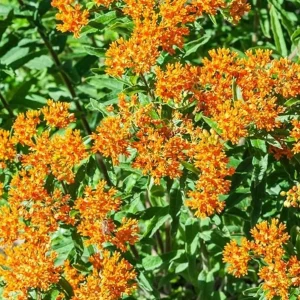
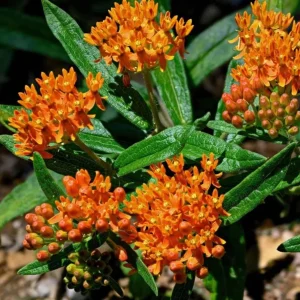
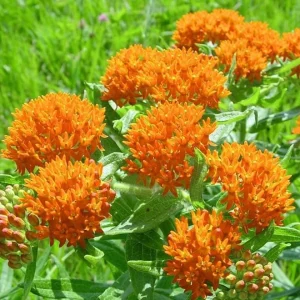
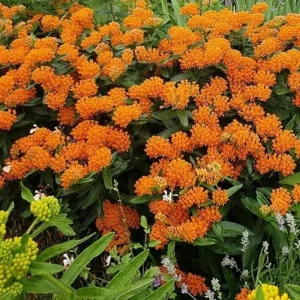
- Vibrant Orange Blooms: Enjoy a spectacular show of bright orange flower clusters throughout the summer, adding a striking splash of color to your garden beds, borders, or naturalized areas.
- Drought Tolerant: Once established, Asclepias tuberosa plant is highly drought-tolerant, requiring minimal watering and making it an excellent choice for xeriscaping or gardens in drier climates.
- Low Maintenance Perennial: This hardy native plant requires very little care once established. It’s deer-resistant and generally free from serious pests or diseases, providing beauty with minimal effort.
- Native to North America: As a native species, it is well-adapted to local conditions, thrives without extensive intervention, and contributes to the ecological balance of the region.
- Versatile Garden Addition: Perfect for wildflower meadows, pollinator gardens, sunny borders, or naturalized areas, its strong upright growth and vibrant flowers make it a versatile and attractive landscape plant.
Plant Care & Growing Tips
Caring for your orange milkweed live plant is straightforward, making it an excellent choice for gardeners of all experience levels. To ensure vigorous growth and abundant blooms, proper planting and ongoing care are essential. This perennial thrives in conditions that mimic its natural habitat, which primarily means plenty of sun and well-drained soil. When planting, choose a site that receives full sun, meaning at least six hours of direct sunlight per day. This maximizes flower production and promotes a strong, healthy plant. While it tolerates a range of soil types, it prefers well-drained, sandy, or loamy soils. Avoid heavy clay soils that retain too much moisture, as this can lead to root rot.
Watering should be consistent during the plant’s establishment phase, typically the first growing season. Once your asclepias tuberosa plant is established, it becomes highly drought-tolerant and will require less frequent watering. Overwatering can be detrimental, so allow the soil to dry out between waterings. Orange Milkweed is hardy in USDA Zones 3 through 9, making it suitable for a wide range of climates. In colder zones, ensure adequate mulch for winter protection. Fertilization is generally not necessary, especially in rich soils, as this native plant is adapted to leaner conditions. If your soil is particularly poor, a light application of a balanced, slow-release fertilizer in early spring can be beneficial. Deadheading spent flowers can encourage a longer blooming period and prevent self-seeding if desired, though allowing some seed pods to mature can provide seeds for future generations or to share.
To ensure your pollinator garden plant continues to flourish, monitor for any signs of pests or diseases, though Asclepias tuberosa is relatively robust. Avoid using systemic pesticides, especially if you are growing it to support monarch caterpillars, as these chemicals can be harmful to the very insects you are trying to attract. Instead, opt for organic pest control methods if issues arise. With proper care, your orange milkweed will provide years of beauty and vital ecological support, becoming a cherished part of your garden. Remember that patience is key with perennials; while the starter plants are small, they will grow into magnificent specimens over time, contributing significantly to a vibrant and healthy ecosystem.
Size & Details
Each order includes two healthy orange milkweed live plant starter specimens, carefully nurtured to be approximately 4-6 inches tall upon arrival. These young plants are shipped with healthy soil root balls, ensuring they are ready for immediate planting in your garden. While the initial height is modest, mature Orange Milkweed plants typically reach an impressive height of 2-3 feet (60-90 cm) and spread about 1-2 feet wide, forming a beautiful, upright clump in your landscape. The narrow, lance-shaped green leaves provide an attractive backdrop to the bright orange flower clusters that bloom profusely throughout the summer months.
These plants are shipped without individual pots to minimize waste and ensure optimal root health during transit, packed carefully to maintain moisture. They are robust growers with a moderate growth rate, establishing themselves well within the first season and reaching their full potential in subsequent years. Expect vibrant summer blooms that will continue to attract monarch butterflies and other pollinators, making your garden a lively and ecological haven. The robust root system provided ensures a strong foundation for your asclepias tuberosa plant to establish and flourish.
Frequently Asked Questions
- Q: How big does this orange milkweed live plant get? A: Mature orange milkweed live plant specimens typically reach a height of 2-3 feet and spread about 1-2 feet wide, forming an upright clump in your garden.
- Q: Is this an indoor or outdoor plant? A: Orange Milkweed is an outdoor perennial plant, best suited for gardens, meadows, and sunny landscapes where it can receive ample sunlight.
- Q: How much sunlight does it need? A: This plant thrives in full sun, requiring at least six hours of direct sunlight per day to achieve optimal growth and flowering.
- Q: Is this plant easy to care for? A: Yes, Asclepias tuberosa plant is known for being low-maintenance and drought-tolerant once established, making it an excellent choice for gardeners of all skill levels.
- Q: What condition will it arrive in? A: Your order includes two healthy starter plants, 4-6 inches tall, shipped with healthy soil root balls to maintain moisture and protect roots during transit, ready for planting.
- Q: Is it shipped in soil? A: Yes, the plants are shipped with soil-wrapped roots to ensure they remain moist and healthy during their journey to your home. No pot is included.
- Q: Can I use this plant to attract monarch butterflies? A: Absolutely! Orange Milkweed is a crucial host plant for monarch caterpillars, making it an essential addition for anyone looking to support monarch populations and create a monarch butterfly plant habitat.
- Q: When is the best time to plant orange milkweed? A: The best time to plant is typically in spring after the last frost, or in early fall. This allows the plant sufficient time to establish its root system before extreme weather.
- Q: Will it survive winter in my zone? A: Orange Milkweed is hardy in USDA Zones 3 through 9, meaning it is perennial in these areas and will return year after year.
- Q: What kind of soil does it prefer? A: It prefers well-drained, sandy, or loamy soils. Good drainage is crucial to prevent root issues, making it ideal for various garden types.


Reviews
There are no reviews yet.