


Overview
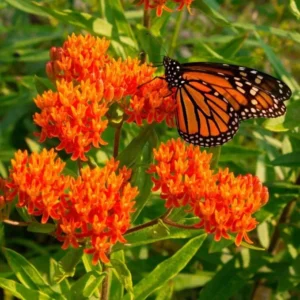
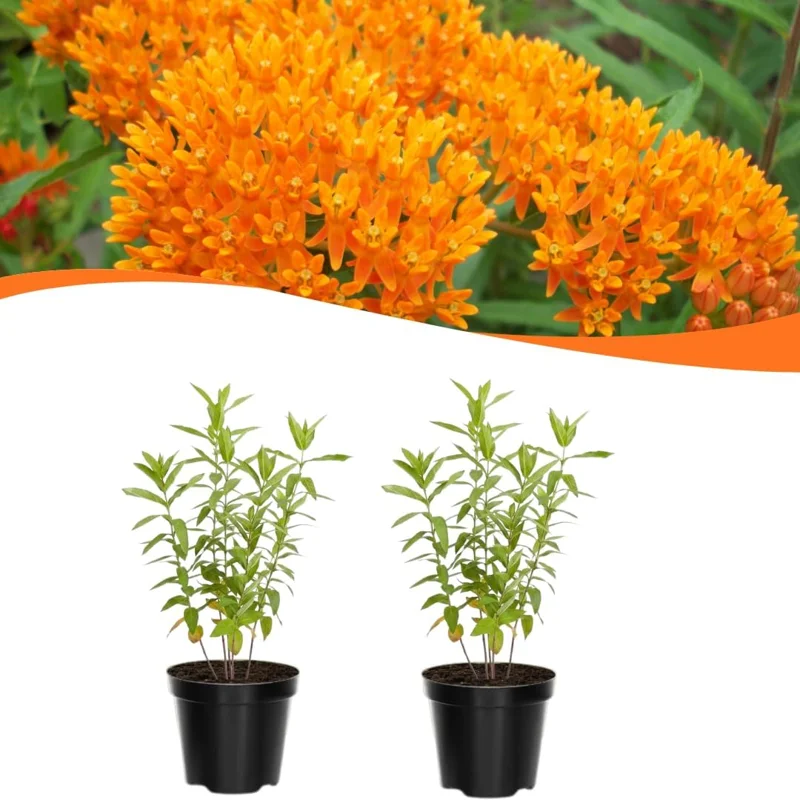
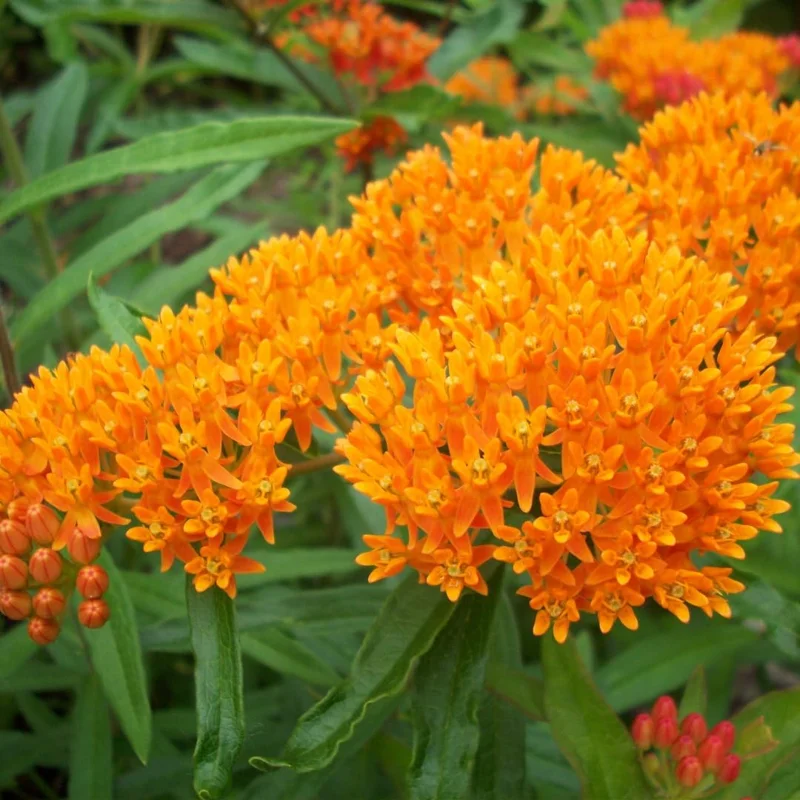
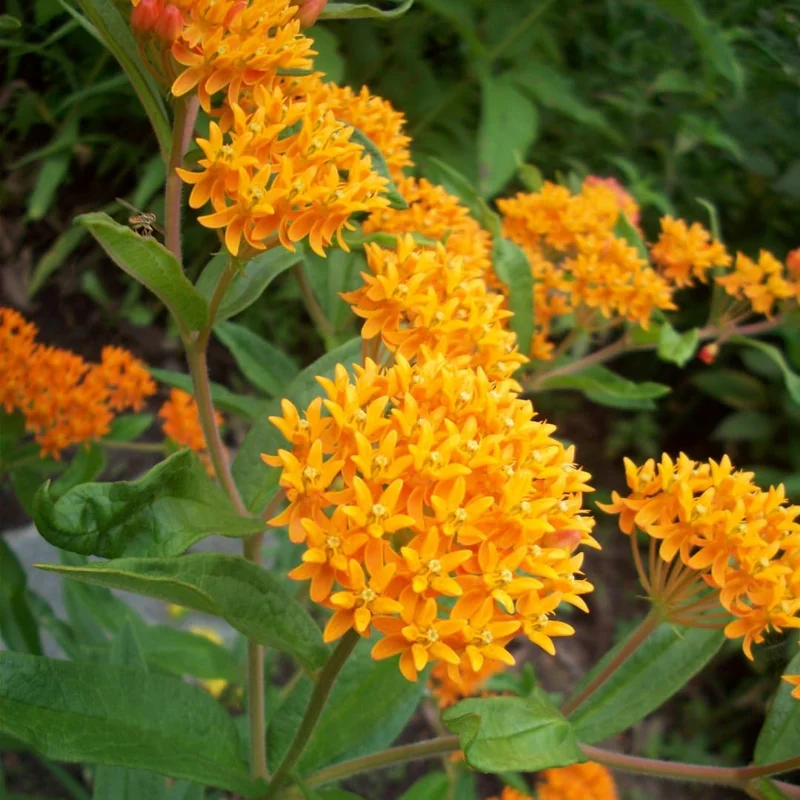
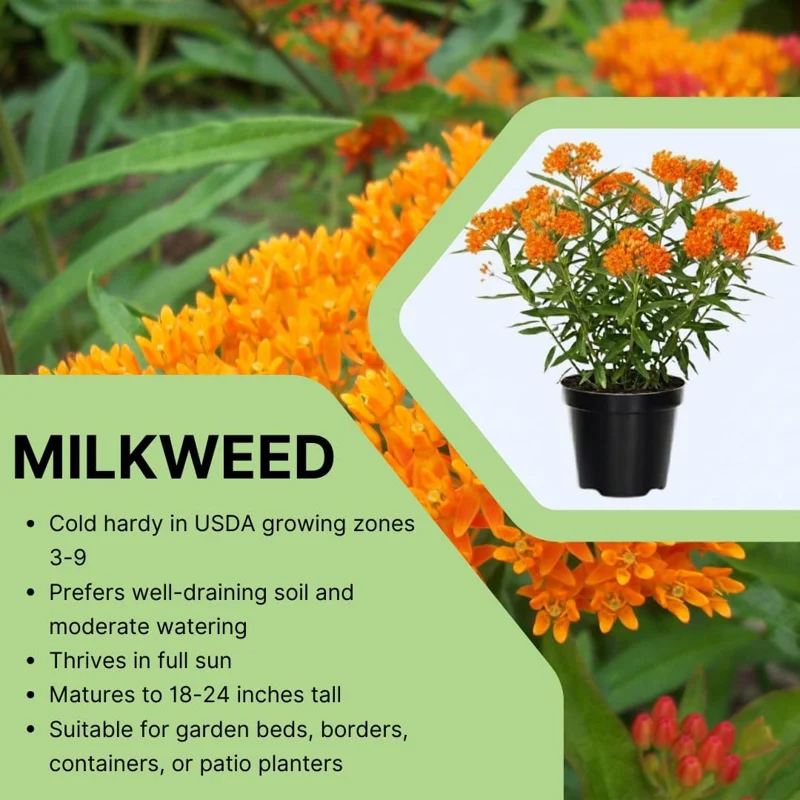
Introduce the captivating beauty of nature into your outdoor space with our stunning orange milkweed live plants. This set includes two healthy, robust asclepias tuberosa plants, ready to bring vibrant color and ecological benefits to your garden. Known for their brilliant orange flowers and their crucial role as a host plant for monarch butterfly caterpillars, these perennials are a must-have for any butterfly garden or pollinator-friendly landscape. Standing at 5-8 inches tall upon arrival, these young plants are well-established and prepared for successful growth, whether you’re planting them in garden beds, borders, containers, or patio planters. Their cheerful blooms are a beacon for various pollinators, contributing significantly to biodiversity and the health of your local environment.
Key Benefits
Investing in orange milkweed live plants offers a multitude of advantages for both your garden and the environment. These plants are not only visually appealing but also serve vital ecological functions, making them an excellent choice for conscious gardeners.
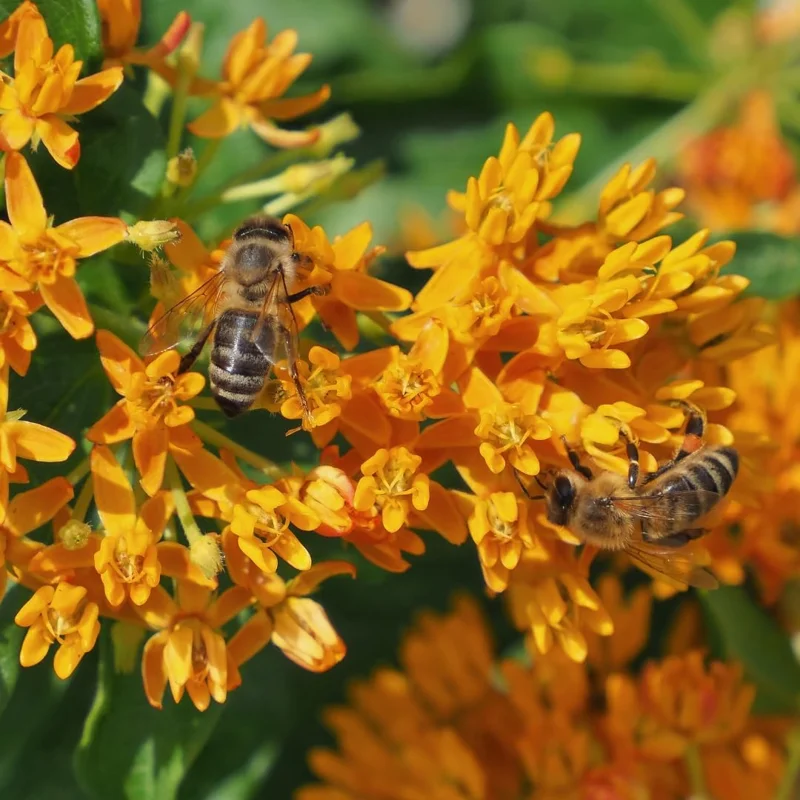
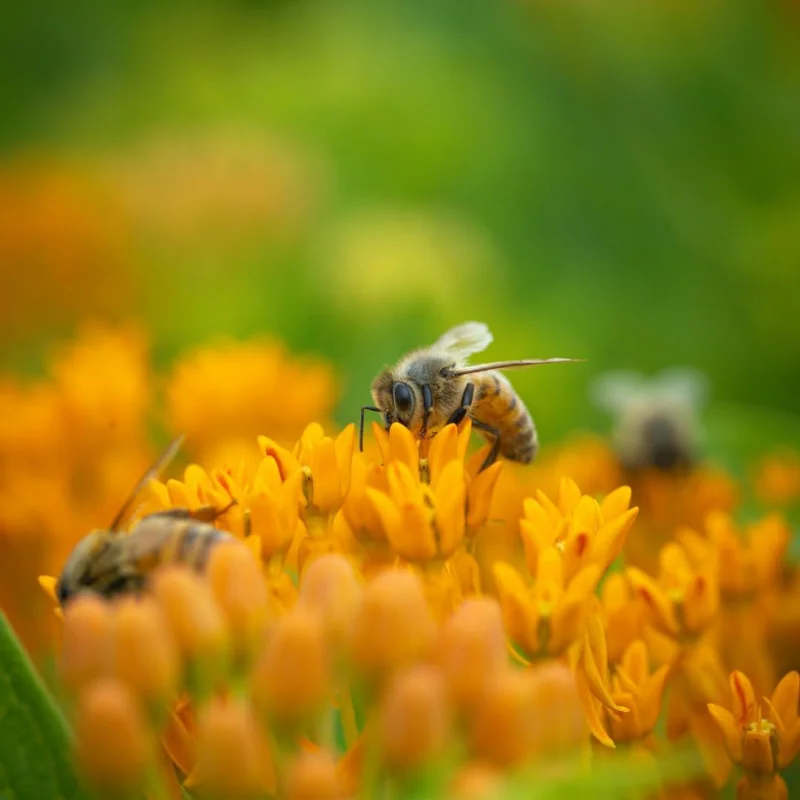
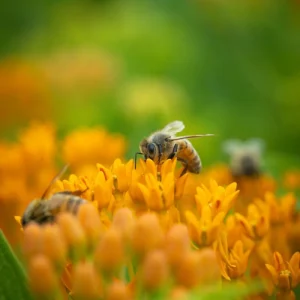
- Pollinator Attraction: The bright orange flowers are highly attractive to a wide array of pollinators, including bees, hummingbirds, and especially butterflies, making your garden a lively haven.
- Monarch Butterfly Host Plant: Asclepias tuberosa plants are indispensable as the primary food source for monarch butterfly larvae, playing a critical role in supporting the monarch population.
- Low Maintenance: Once established, these perennial milkweed plants are remarkably drought-tolerant and require minimal care, making them suitable for busy gardeners.
- Vibrant Garden Color: Their fiery orange blooms provide a striking contrast against green foliage, adding a bold splash of color to your landscape from summer into fall.
- Adaptable & Resilient: Cold hardy in USDA growing zones 3-9, these plants are robust and can withstand a variety of climates, returning year after year.
- Deer Resistant: Milkweed is generally unpalatable to deer, offering a natural solution to protect your garden from browsing.
- Supports Biodiversity: By planting perennial milkweed plants, you actively contribute to the health and diversity of local ecosystems, providing essential resources for wildlife.
Plant Care & Growing Tips
Caring for your orange milkweed live plants is straightforward, ensuring a season full of vibrant blooms and visiting pollinators. These resilient plants prefer specific conditions to thrive, but once established, they are quite self-sufficient. They are cold hardy in USDA growing zones 3-9, making them suitable for a wide range of climates.
For optimal growth, asclepias tuberosa plants absolutely thrive in full sun, meaning they need at least 6-8 hours of direct sunlight daily. Choose a location in your garden that receives ample sun exposure throughout the day. They prefer well-draining soil and moderate watering. Overwatering can be detrimental, so allow the soil to dry out between waterings. Sandy or rocky soils are often ideal as they provide excellent drainage. During dry spells, especially in their first year, ensure they receive regular moisture to help establish their root system. Fertilization is generally not heavily required for established milkweed; however, a light application of a balanced, slow-release fertilizer in spring can encourage more vigorous growth and blooming. Matures to 18-24 inches tall, these plants benefit from occasional deadheading to prolong their blooming period.
Common problems often involve overwatering or insufficient sunlight. Ensure proper drainage and adequate sun exposure to prevent issues. If you notice signs of disease or pests, address them promptly with organic solutions to protect the beneficial insects that rely on your perennial milkweed plants. Remember, providing a healthy environment for your host plant for monarch butterfly is key to their success.
Size & Details
This offering includes a set of two vibrant orange milkweed live plants, specifically Asclepias Tuberosa. Each plant arrives at a healthy size of 5-8 inches tall, carefully packaged to ensure safe transit and readiness for planting. These plants are shipped in a nursery pot with established root systems, allowing for easy transition into your garden or containers. Asclepias tuberosa plants typically mature to a height of 18-24 inches, forming an attractive clump of upright stems adorned with bright orange flowers. Their growth rate is moderate, establishing well within their first season and returning reliably each spring. Expect blooms from early summer through fall, providing a long season of color and pollinator activity. This variety is well-suited for garden beds, borders, containers, or patio planters, offering versatility in your landscaping design. The robust nature of these perennial milkweed plants ensures they will be a long-lasting and cherished addition to your outdoor space.
Frequently Asked Questions
- Q: How big do these orange milkweed live plants get? A: These orange milkweed live plants typically mature to a height of 18-24 inches tall. They form an upright clump, providing a good presence in a garden bed or container.
- Q: Is this an indoor or outdoor plant? A: Asclepias tuberosa plants are primarily outdoor perennials. They thrive in full sun and are cold hardy in USDA zones 3-9, making them excellent additions to garden beds, borders, and outdoor containers.
- Q: How much sunlight does it need? A: These plants require full sun exposure, meaning at least 6-8 hours of direct sunlight per day, to produce the most vibrant blooms and healthy growth.
- Q: Is this plant easy to care for? A: Yes, once established, perennial milkweed plants are considered low-maintenance. They are drought-tolerant and generally robust, making them a good choice for gardeners of all experience levels.
- Q: What condition will it arrive in? A: Your orange milkweed live plants will arrive as healthy, established plants, approximately 5-8 inches tall, securely packaged to ensure they reach you in excellent condition, ready for planting.
- Q: When is the best time to plant these? A: The best time to plant these milkweed plants is in the spring after the last frost, or in early fall well before the first hard frost. This allows them ample time to establish their root system.
- Q: Will it survive winter in my zone? A: Yes, these plants are cold hardy in USDA growing zones 3-9. In these zones, they will die back to the ground in winter and re-emerge in spring.
- Q: Can I grow this as a host plant for monarch butterfly? A: Absolutely! Asclepias tuberosa plants are one of the most important host plants for monarch butterfly caterpillars, providing the essential food source they need to develop.


Reviews
There are no reviews yet.