Overview
Embark on a rewarding gardening journey with our premium organic dill seeds, perfect for cultivating this versatile and aromatic herb in your home garden. Known scientifically as Anethum graveolens, dill is a fast-growing annual herb cherished for both its feathery leaves (dill weed) and pungent seeds. These high-quality seeds promise a bountiful harvest, allowing you to enjoy fresh, homegrown dill throughout the growing season. Whether you are a seasoned gardener or just starting out, growing dill from seed is a straightforward and satisfying experience. Our organic dill seeds are sourced with care, ensuring you receive viable seeds ready to sprout into healthy, productive plants. This delightful herb is not only a culinary staple but also adds an airy, ornamental touch to any garden space with its delicate blue-green foliage and bright yellow flowers.
This product provides dill herb seeds, not a live plant, offering you the joy and satisfaction of nurturing your own herbs from the very beginning. Dill is a member of the Umbelliferae family, closely related to parsley, caraway, and fennel, and shares their characteristic aromatic qualities. Originating from southern Russia, western Africa, and the Mediterranean, dill has a rich history of use in various global cuisines and traditional practices. Its unique flavor profile, often described as anise-like, sweet, and slightly citrusy, makes it an indispensable ingredient for pickling, seasoning vegetables, meats, and fish, and enhancing soups and sauces.
Key Benefits
Growing organic dill seeds offers a multitude of advantages for both your garden and your kitchen. This versatile herb provides numerous benefits:
- Exceptional Culinary Versatility: Enjoy both the fresh, wispy dill weed and the more potent dill seeds. Perfect for pickling, seasoning fish, chicken, and vegetables, or adding to soups and salads. The distinct anise-like flavor elevates many dishes.
- Easy to Grow & Prolific: These seeds are incredibly easy to sow and cultivate, yielding a generous harvest. Dill is known for its fast growth rate and ability to self-seed, ensuring a continuous supply with minimal effort.
- Attracts Pollinators: The bright yellow umbel flowers are a magnet for butterflies and other beneficial pollinators, contributing to a healthy and vibrant garden ecosystem. It serves as a host plant for several butterfly species.
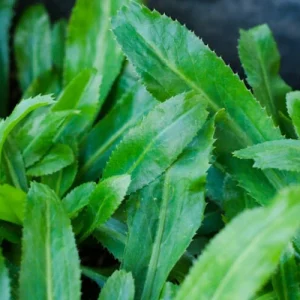
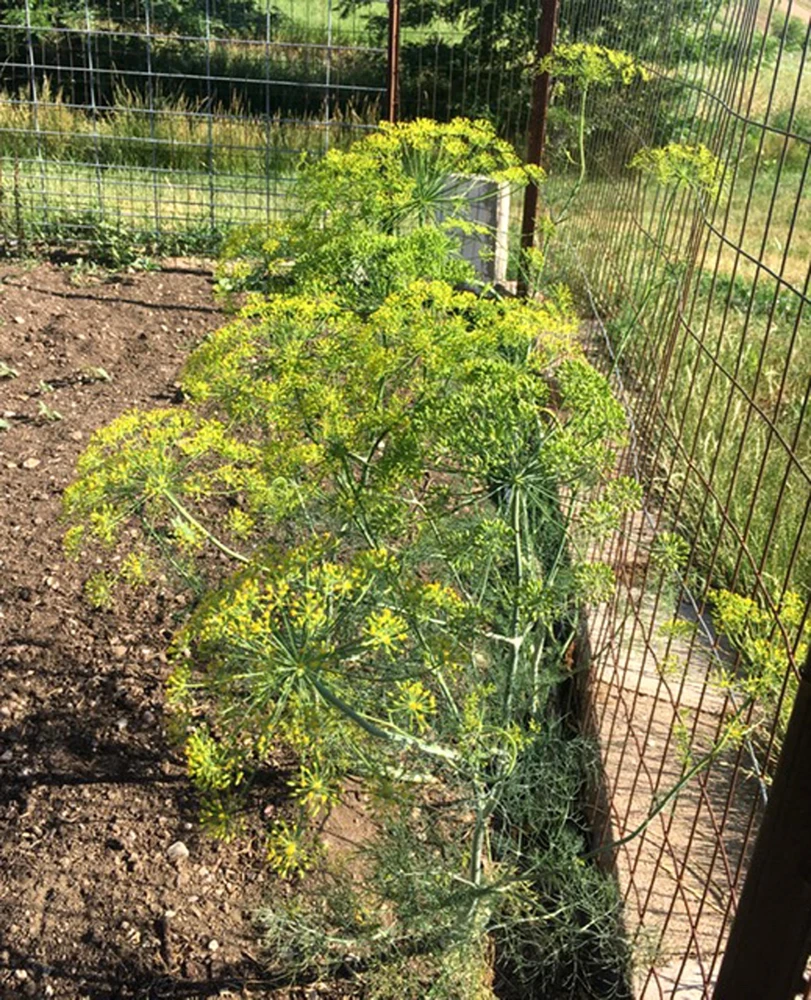
- Fragrant & Ornamental: With its ultra-fine, lacy blue-green foliage and delicate yellow blooms, dill adds an attractive, airy texture and pleasant aroma to herb gardens, kitchen gardens, and even container plantings.
- Nutrient-Rich Herb: Dill weed is a good source of calcium, manganese, and iron, and contains flavonoids that offer anti-inflammatory and antiviral properties, making it a healthy addition to your diet.
- Adaptable for Various Settings: Thrives in garden beds, raised beds, and containers, making it suitable for gardeners with diverse spaces, including balcony gardening.
- Supports Healthy Digestion: Traditionally, dill has been used to aid digestion and soothe upset stomachs, living up to its old Norse name ‘dilla,’ meaning “to lull.”
Plant Care & Growing Tips
To successfully grow organic dill seeds, understanding its basic care requirements is key. Dill is generally a low-maintenance herb that thrives with the right conditions. For optimal growth, plant your dill herb seeds in a location that receives full sun, meaning at least 6 hours of direct sunlight per day. This ensures robust growth and abundant flowering and seed production. Dill is an annual in most climates, completing its life cycle within one growing season, though it often self-seeds for future harvests.
When it comes to soil, dill prefers well-drained soil that is rich in organic matter. A slightly acidic to neutral pH (6.0-7.0) is ideal. Avoid heavy, compacted soils that retain too much moisture, as this can lead to root rot. While dill is somewhat drought-tolerant once established, consistent moisture is important, especially during germination and early growth. Water regularly, allowing the top inch of soil to dry out slightly between waterings. Fertilization is generally not heavily required; an initial boost with a balanced organic fertilizer or compost can be beneficial, but excessive nitrogen can reduce seed production. Dill is hardy in USDA Growing Zones 3-9, making it suitable for a wide range of climates. Planting can occur in spring after the last frost, throughout summer, and even into early fall in some regions. This flexibility makes anethum graveolens seeds a great choice for extending your fresh herb season.
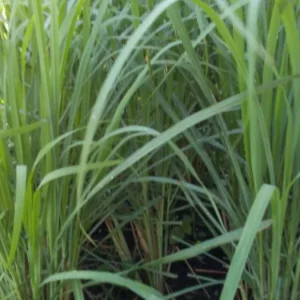
Mature dill plants typically reach a height of 3 to 5 feet and spread 2 to 3 feet, developing bright yellow umbels that are adored by pollinators. The feathery foliage is a beautiful blue-green color. While dill is relatively pest-resistant, keep an eye out for aphids. Companion planting with other herbs like cilantro or lettuce can deter some pests. For harvesting, pick the ferny leaves (dill weed) as needed throughout the growing season. For dill seeds, allow the flowers to mature and dry on the plant before collecting the seeds. This ensures maximum flavor and viability for future plantings of culinary dill.
Size & Details
This product consists of high-quality organic dill seeds, ready for planting. Each packet contains enough seeds to establish a healthy patch of dill plants, providing ample opportunities for culinary use and garden enjoyment. When mature, dill plants typically grow to an impressive height of 3 to 5 feet, with a spread of 2 to 3 feet, creating an airy and elegant presence in the garden. The delicate, lacy blue-green foliage adds a fine texture, while the bright yellow, flat-topped umbels provide a cheerful pop of color. Dill is a fast-growing annual herb, meaning it completes its life cycle within one season, but it readily self-seeds, often returning year after year if conditions are favorable.
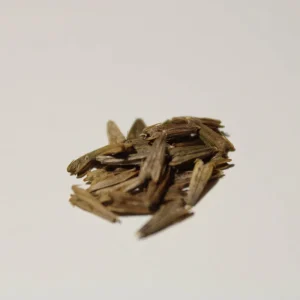
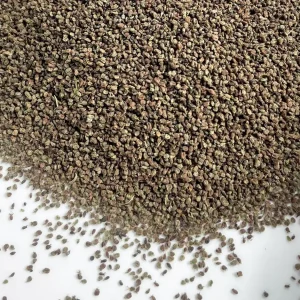
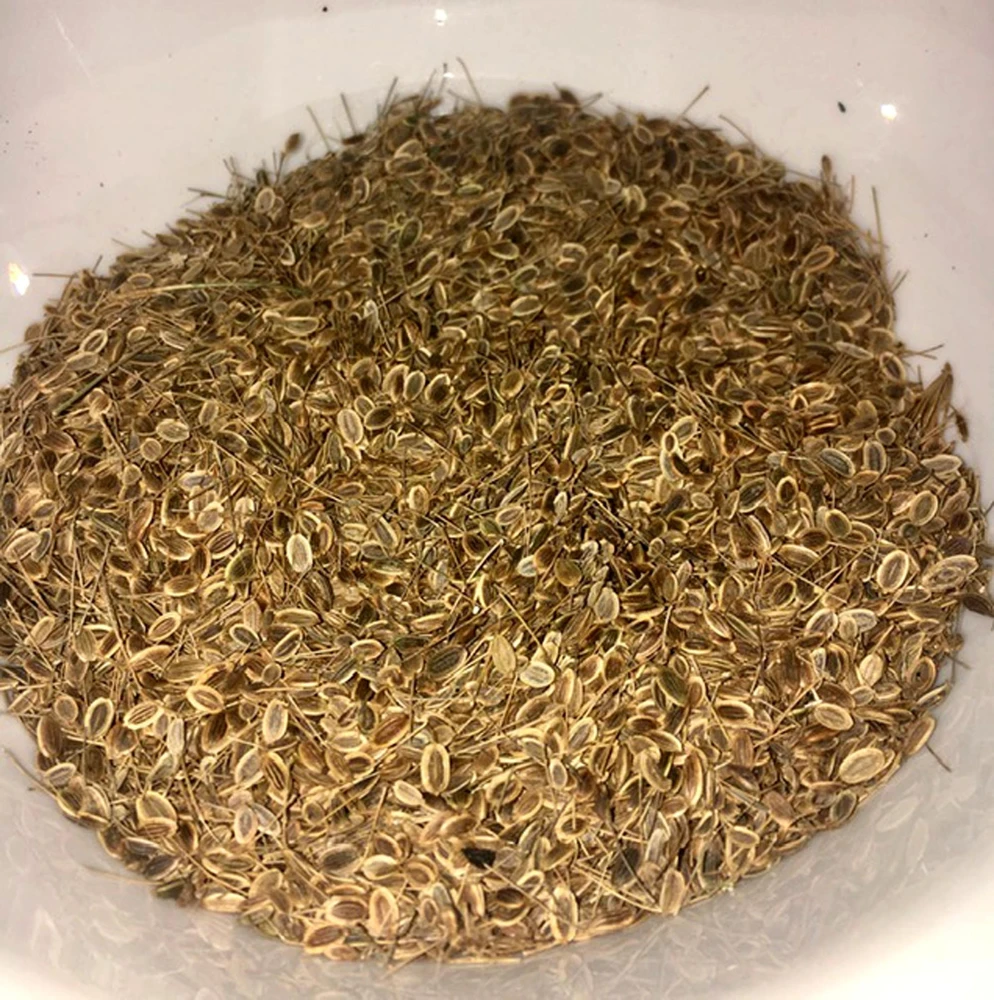
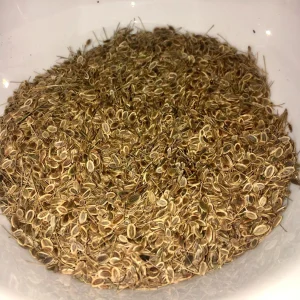
These dill herb seeds are suitable for planting across a wide range of climates, thriving in USDA Hardiness Zones 3-9. They prefer full sun exposure and well-drained soil. The seeds are light brown, oval-shaped, and possess a robust, aromatic flavor. Expect germination within 7-14 days under ideal conditions, with plants reaching maturity in approximately 60-70 days for leaf harvest and 90-100 days for seed harvest. This product is designed for direct sowing into garden beds or containers, making it adaptable for various gardening setups, including urban and balcony gardens. The robust nature of these anethum graveolens seeds ensures a high success rate for gardeners of all skill levels.
Frequently Asked Questions
- Q: How big does this plant get from these seeds? A: When grown from these organic dill seeds, dill plants typically reach a mature height of 3 to 5 feet and can spread 2 to 3 feet wide. They have an upright, airy growth habit with delicate foliage.
- Q: Is this an indoor or outdoor plant? A: Dill is primarily an outdoor plant, thriving in full sun in garden beds or large containers. While it can be started indoors, it generally performs best and reaches its full size when grown outdoors.
- Q: How much sunlight does it need? A: Dill requires full sun exposure, meaning at least 6 hours of direct sunlight per day, to grow vigorously and produce abundant foliage and seeds.
- Q: Are these dill herb seeds easy to care for? Is it good for beginners? A: Yes, dill is considered a very easy-to-grow herb and is excellent for beginners. It requires minimal maintenance once established, primarily needing consistent watering and plenty of sunlight.
- Q: What condition will the seeds arrive in? A: The organic dill seeds will arrive in a sealed packet, ensuring their freshness and viability. They are ready for immediate planting upon arrival.
- Q: Can I use dill in cooking? Is it pet-safe? A: Absolutely! Dill is a popular culinary herb, with both its leaves (dill weed) and seeds used extensively in various cuisines. Dill is generally considered non-toxic to pets, but always consult a veterinarian for specific concerns.
- Q: How long until it blooms and produces seeds? A: Dill typically reaches maturity for leaf harvest in about 60-70 days. For seed production, it takes approximately 90-100 days from planting for the flowers to mature and seeds to form.
- Q: When is the best time to plant these anethum graveolens seeds? A: The best time to plant is in spring after the last frost, but you can sow seeds successively through summer and early fall for a continuous harvest, especially in zones 3-9.
- Q: Will culinary dill survive winter in my zone? A: Dill is an annual, meaning it completes its life cycle in one year. While the plant itself won’t survive winter, it often self-seeds, allowing new plants to emerge the following spring in suitable climates.
- Q: What type of soil does dill prefer? A: Dill thrives in well-drained soil that is rich in organic matter. It prefers a slightly acidic to neutral pH. Avoid heavy, waterlogged soils.


Reviews
There are no reviews yet.