Overview
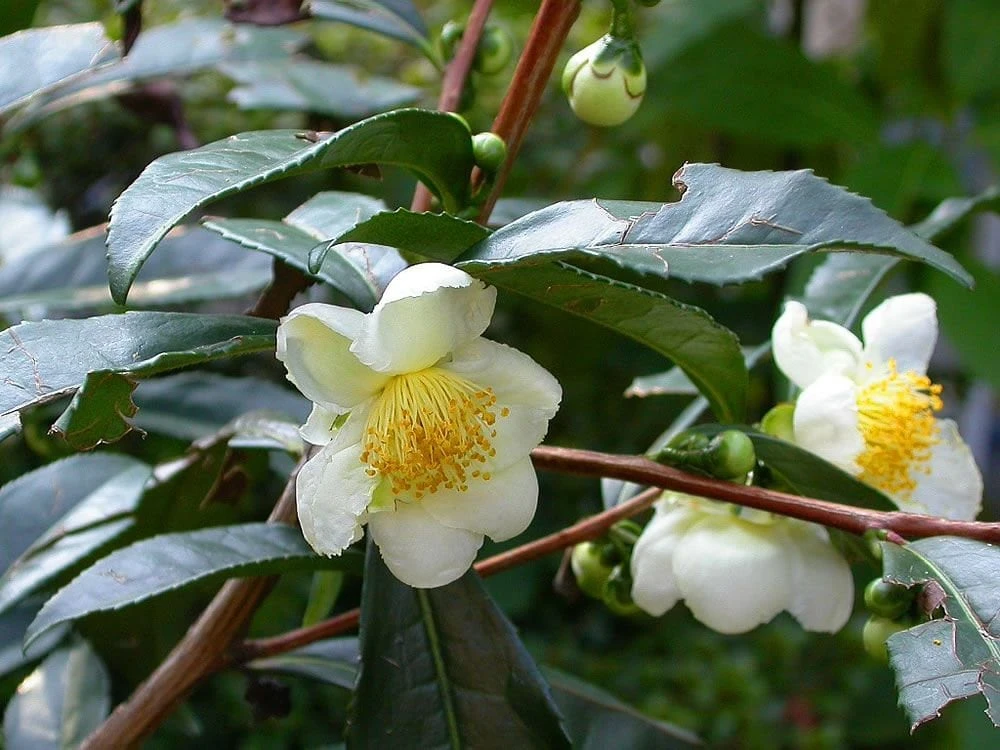
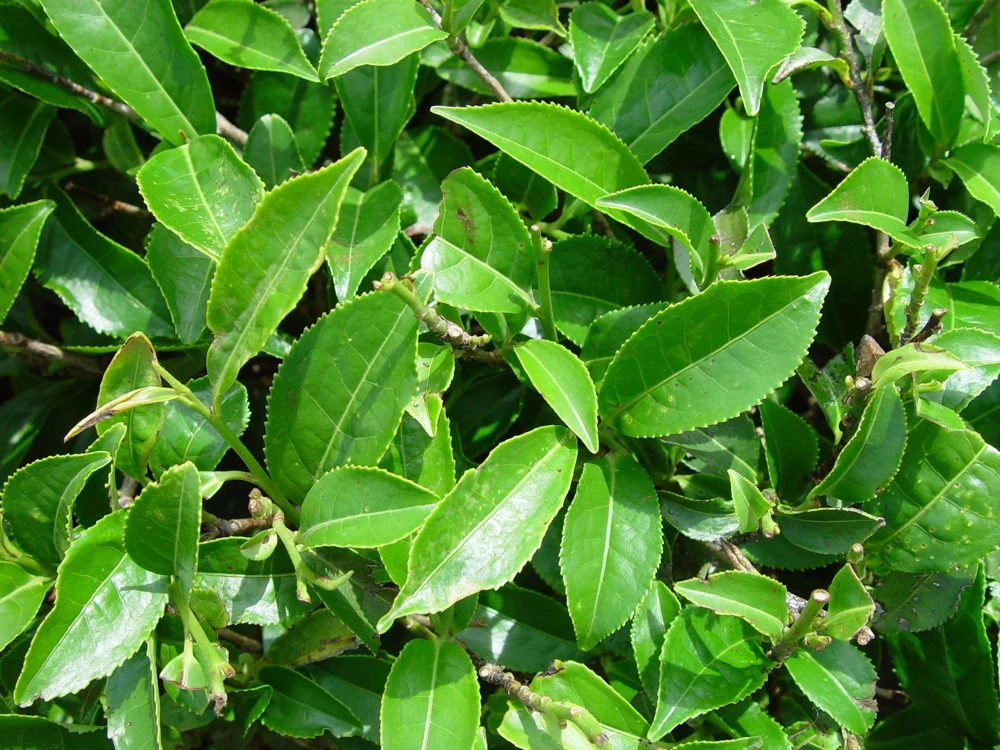
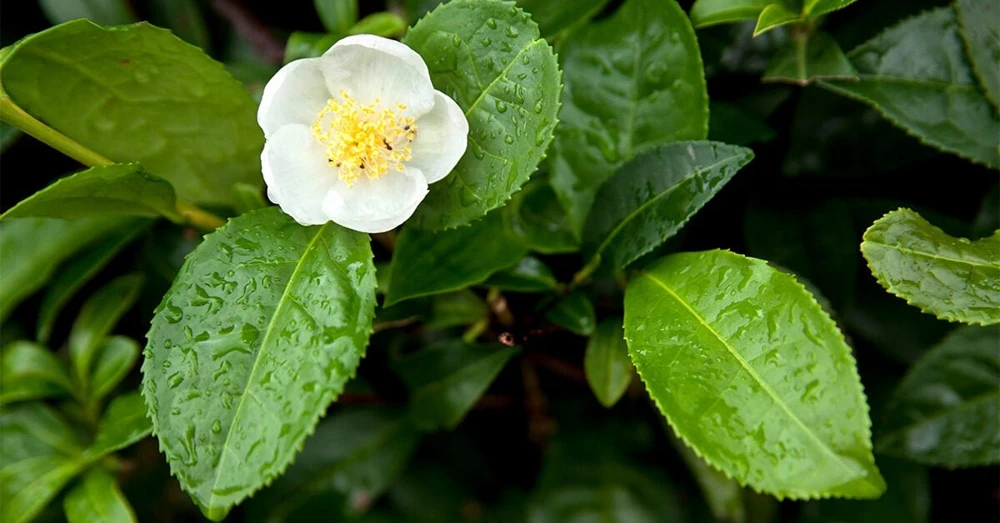
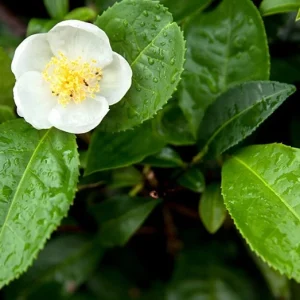
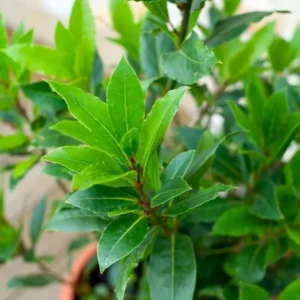
Discover the joy of growing your own beverages with this exceptional organic tea plant live starter, the ‘Large Leaf’ Camellia sinensis. Also known as Tea Camellia or Assam Tea, this live plant is the most widely cultivated variety globally for producing caffeinated teas. This particular strain is celebrated for its impressively large, glossy dark green evergreen leaves, which feature distinctive saw-toothed edges. Beyond its practical use, the Camellia sinensis plant adds significant ornamental value, bestowing a lush, tropical aesthetic upon any garden setting. In the autumn, it graces your space with delicate, fragrant single flowers, characterized by a vibrant patch of yellow stamens encircled by pure-white petals. This statement plant is sure to captivate guests and become a focal point in your outdoor sanctuary.
The beauty of cultivating your own organic tea plant live lies in the unmatched freshness and superior flavor of your homemade tea. Unlike store-bought options, tea made from your homegrown leaves offers a truly artisanal experience. This starter plant provides an excellent foundation for any aspiring tea enthusiast, promising a rewarding journey from garden to cup. Whether you’re a seasoned gardener or new to plant care, this resilient and versatile Camellia sinensis plant is a fantastic addition, allowing you to explore the diverse world of tea production right from your backyard.
Key Benefits
The ‘Large Leaf’ Camellia sinensis offers a multitude of benefits, combining aesthetic appeal with practical utility. Growing your own organic tea plant live provides a unique connection to nature and a sustainable source of your favorite beverage. Here are some of the key advantages:
- Fresh, Homegrown Tea: Enjoy the freshest possible white, green, oolong, and black teas directly from your garden. The flavor and aroma of homegrown tea are unparalleled compared to store-bought varieties, offering a truly gourmet experience.
- Ornamental Value: The large, glossy evergreen leaves and delicate fall flowers provide a stunning tropical look, making the Camellia sinensis plant a beautiful addition to any garden or landscape. It serves as an attractive focal point.
- Versatile Tea Production: Harvest young leaves for green tea, older larger leaves for oolong and black tea, and leaf buds for white tea, allowing for a diverse range of homemade teas from a single plant. This versatility makes it a rewarding plant for any tea lover.
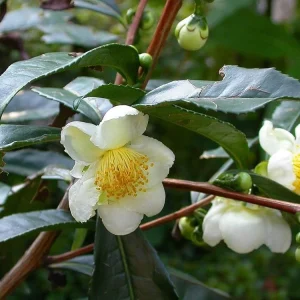
- Fragrant Blooms: In fall, the plant produces delicate, fragrant white flowers with yellow stamens, adding a sensory delight to your garden and attracting pollinators. These blooms enhance the garden’s appeal.
- Hardy & Resilient: Suitable for USDA Zones 7-9, this organic tea plant live is a robust grower that can thrive in appropriate climates with proper care, providing years of enjoyment and tea production.
- Educational Experience: Growing your own tea offers a fascinating educational experience about horticulture and the tea-making process, perfect for both adults and children interested in sustainable living.
- Sustainable Living: Reduce your environmental footprint by growing your own tea, minimizing packaging waste and transportation costs associated with commercial tea products. It’s a step towards self-sufficiency.
Plant Care & Growing Tips
Caring for your organic tea plant live, Camellia sinensis, is a rewarding experience that ensures a bountiful harvest for years to come. This plant thrives in specific conditions that mimic its natural habitat. For optimal growth, it prefers a location with part sun, meaning it should receive 4-6 hours of direct sunlight per day, ideally in the morning, with some afternoon shade to protect it from intense heat. While it can tolerate full sun in cooler climates, protection from harsh, scorching sun is crucial in warmer regions. The ideal soil for your Camellia sinensis plant is well-draining, acidic (pH 5.5-6.5), and rich in organic matter. You can amend heavy clay soils with compost or peat moss to improve drainage and acidity. Ensuring good drainage is paramount to prevent root rot.
Consistent moisture is key for a healthy grow your own tea plant. The soil should be kept moist but not waterlogged. Water deeply when the top inch of soil feels dry to the touch, especially during dry spells or in the plant’s establishment phase. Reduce watering slightly in cooler months. Fertilize your tea plant in spring and mid-summer with an acid-loving plant fertilizer, following the product’s instructions. A balanced slow-release fertilizer or an organic option like compost tea can also be beneficial. Pruning is essential for shaping the plant and encouraging new growth, which is where the best tea leaves are found. Light pruning can be done after harvesting, while more significant shaping can occur in late winter or early spring before new growth begins. Protect young plants from frost in the lower end of their hardiness zone (USDA Zone 7).
Understanding the specific needs for tea plant care will ensure your plant flourishes. Monitor for common pests like aphids or scale insects and treat them with organic insecticidal soap if necessary. Good air circulation also helps prevent fungal diseases. While the Assam tea plant is relatively robust, proper care will maximize its health and tea production. Consider mulching around the base of the plant with pine needles or bark chips to help retain soil moisture, regulate temperature, and suppress weeds, further aiding in its overall vigor and productivity.
Size & Details
This offering is for one healthy, well-rooted organic tea plant live starter. Each plant measures approximately 6-10 inches tall from the top of the soil and is provided in a 2.5” x 3.5” pot, ready for transplanting into a larger container or directly into your garden. The plant is a ‘Large Leaf’ Camellia sinensis, known for its vigorous growth and substantial foliage. With proper tea plant care, it will mature into a shrub that can reach heights of 6-15 feet and widths of 4-10 feet, though it can be kept smaller with regular pruning. The growth rate is moderate, allowing you to enjoy your first tea harvests within a year or two of planting, with increasing yields as the plant matures. This starter size is ideal for establishing a strong root system and adapting to its new environment.
The ‘Large Leaf’ variety is specifically chosen for its robust leaves, which are excellent for various tea types. This Camellia sinensis plant is hardy in USDA Zones 7-9, making it suitable for a wide range of climates across the US. It’s a fantastic option for those who wish to grow your own tea and experience the satisfaction of cultivating a productive and beautiful plant. The plant will arrive carefully packaged to ensure its health and vitality upon delivery, ready to begin its journey in your garden. Expect healthy foliage and a well-developed root system, indicative of a strong starter plant.
Frequently Asked Questions
- Q: How big does this organic tea plant live get? A: This starter plant is 6-10 inches tall. When mature, the ‘Large Leaf’ Camellia sinensis can grow to 6-15 feet tall and 4-10 feet wide if not pruned, but it can be maintained at a smaller size with regular trimming.
- Q: Is this an indoor or outdoor plant? A: The Camellia sinensis plant is an outdoor plant hardy in USDA Zones 7-9. In colder zones, it can be grown in a container and brought indoors during winter, or treated as an annual.
- Q: How much sunlight does it need? A: This tea plant prefers part sun, ideally 4-6 hours of morning sun with afternoon shade, especially in warmer climates. Too much intense sun can scorch the leaves, impacting your ability to grow your own tea successfully.
- Q: Is this plant easy to care for? A: With the right conditions (acidic, well-draining soil, consistent moisture, and appropriate sun exposure), the tea plant is relatively easy to care for. It’s a great choice for those interested in tea plant care.
- Q: What condition will it arrive in? A: Your Assam tea plant will arrive as a healthy, well-rooted starter plant, carefully packed to ensure its vitality and ready for planting.
- Q: Can I really make different types of tea from this one plant? A: Yes, the ‘Large Leaf’ Camellia sinensis allows you to make white, green, oolong, and black teas by harvesting and processing the leaves at different stages of maturity.
- Q: How long until I can harvest leaves for tea? A: You can typically begin light harvesting within 1-2 years after planting, with more significant yields as the plant matures and establishes itself.
- Q: What type of soil is best for this tea plant? A: An acidic, well-draining soil rich in organic matter is ideal. A pH between 5.5 and 6.5 is preferred for optimal growth and nutrient uptake for your organic tea plant live.
- Q: Will it survive winter in my zone? A: If you are in USDA Zones 7-9, your tea plant should survive winter outdoors. In colder zones, consider container growing to move it indoors.
- Q: Is this a true tea plant? A: Yes, Camellia sinensis is the species from which all true teas (white, green, oolong, black, and pu-erh) are derived. This ‘Large Leaf’ variety is specifically cultivated for tea production.


Reviews
There are no reviews yet.